Can I Get a Debit Card from an Israeli Bank Without Residency?
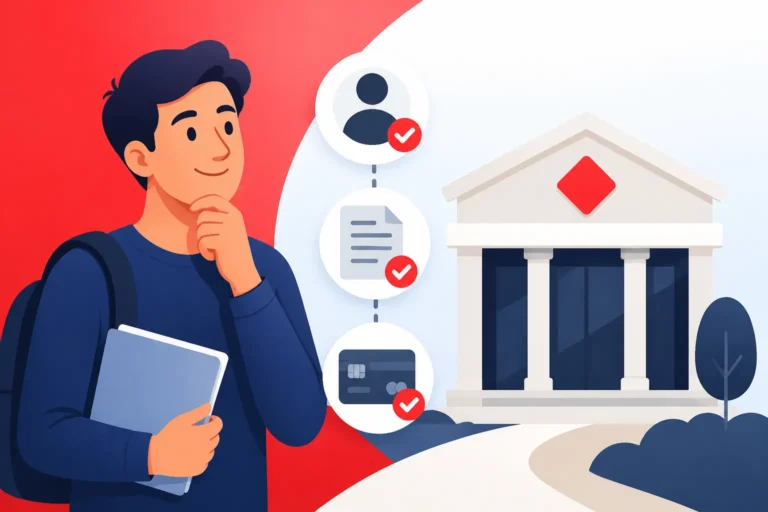
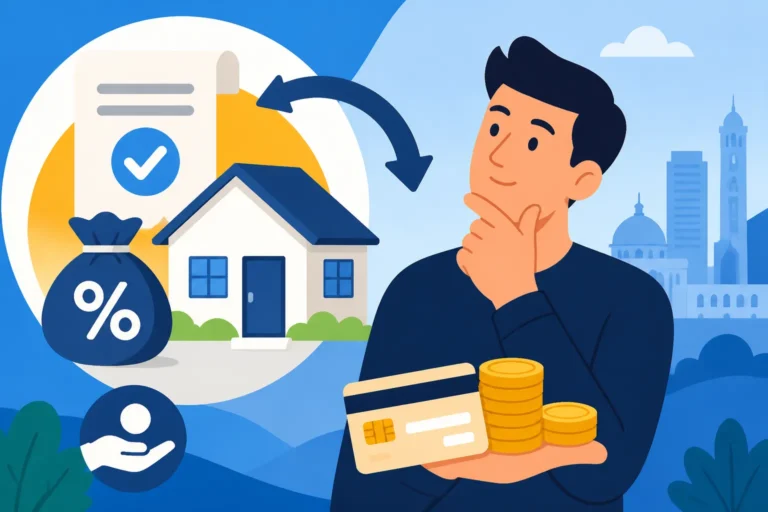
It's a common and incredibly frustrating hurdle for so many of us who land in Israel, full of optimism and a long list of errands. You’ve just arrived, you’re trying to settle in, and one of the most basic necessities – getting your finances sorted – immediately hits a wall: trying to get a debit card from an Israeli bank without formal residency. This guide is here to walk you through the realistic challenges you'll face, what alternatives exist in the interim, and the clear path forward to finally getting that coveted local debit card.
The Harsh Reality: Why Israeli Banks Are Strict About Residency
Let's not sugarcoat it: getting a debit card from an Israeli bank without establishing some form of official residency here is exceptionally difficult, bordering on impossible for most people. It's not because they're trying to be difficult (though it often feels that way, doesn't it?). It boils down to a combination of strict regulations and a banking culture that places immense importance on formal identification and established ties to the country.
"Know Your Customer" and Anti-Money Laundering Laws
Like banks globally, Israeli financial institutions operate under stringent "Know Your Customer" (KYC) and Anti-Money Laundering (AML) regulations. These laws are designed to prevent financial crime, terrorism financing, and fraud. For a bank to open an account and issue a debit card, they must be able to definitively identify you, understand your source of funds, and be confident that you have a legitimate reason for operating an account in Israel.
Without a robust, verifiable link to the Israeli system, you’re simply too much of a risk from their perspective. A tourist visa, for instance, implies a temporary stay, making it difficult for banks to fulfill their regulatory obligations regarding ongoing monitoring and due diligence. They need more than just your passport and a smile; they need official documentation proving your status and intent to reside, or at least have a strong, trackable presence, in the country. This isn't unique to Israel, of course, but the application of these rules can feel particularly rigid here, especially if you're coming from a country with less bureaucratic banking procedures.
What Constitutes "Residency" to an Israeli Bank?
So, what exactly do Israeli banks consider "residency" for the purpose of opening an account and getting a debit card? It's usually more than just being physically present in the country. Typically, they’re looking for official documentation that ties you firmly to the Israeli state.
The gold standard, of course, is a Teudat Zehut (Israeli identity card). This document, issued by the Misrad HaPnim (Ministry of Interior), immediately establishes you as a resident or citizen. If you've made Aliyah, you'll receive your Teudat Zehut shortly after arrival, and this is your key to unlocking most administrative processes, including banking. For those wondering how to get a Teudat Zehut and Tax File Number in Israel, it’s often one of the first steps after establishing your residency status.
For those who aren't eligible for Aliyah or haven't gone through that process, a valid long-term visa is usually the minimum requirement. This could be:
- A/1 Temporary Resident Visa: Often issued to new immigrants before they receive full Oleh status, or sometimes to individuals with a Jewish background who are exploring Aliyah.
- B/1 Work Visa: If you're coming to Israel on an employment contract, your B/1 work visa solidifies your temporary resident status, demonstrating that you have a legitimate reason to be here for an extended period, tied to a local employer. This is detailed in guides like How to Get an Israeli Work Visa (B/1): The Full Guide (2026).
- A/2 Student Visa: For international students enrolled in Israeli academic institutions.
- A/5 Temporary Residence Visa: This can be for various purposes, often granted to spouses of Israeli citizens while they go through the multi-year process for permanent residency or citizenship.
The common thread is that these visas indicate a longer-term, officially recognized stay in Israel, giving banks the confidence that you are not just a transient visitor. Without one of these, you might find yourself stuck in a loop of polite refusals, no matter how much cash you offer to deposit.
Navigating the Financial Landscape Without an Israeli Debit Card
So, you're here, you don't have that shiny Teudat Zehut or long-term visa yet, and you need to pay for things. What do you do? This is where many expats feel truly adrift, but thankfully, there are strategies and tools to help you manage your money until you can get properly set up.
Leaning on International Solutions: Multi-Currency Cards and Overseas Accounts
Before you gain access to an Israeli debit card, your best friends will likely be your existing international bank accounts and the fantastic modern solutions that cater to global citizens.
International Multi-Currency Cards: Companies like Wise (formerly TransferWise) and Revolut have truly revolutionized international money management. You can open an account with them online, often link it to a debit card issued in a foreign currency (like USD, EUR, or GBP), and then hold and exchange money in multiple currencies, including Israeli Shekels (ILS).
Here’s why they’re great for the interim:
- Spending in ILS: You can load your Wise card with Shekels (or convert from another currency) and use it for purchases at most places that accept Visa or Mastercard. This saves you from carrying large amounts of cash and often gives you better exchange rates than traditional banks.
- ATM Withdrawals: You can withdraw cash from Israeli ATMs using these cards, though be mindful of withdrawal limits and potential fees from both your card provider and the local ATM operator.
- International Transfers: These services are excellent for sending money to or from your home country, which is often a necessity when you're just starting out and might still be relying on funds from abroad. If you’re sending money back home or to friends, learning How to Transfer Money Internationally from an Israeli Account will become important later, but these apps can manage it in the interim.
Your Home Country Bank Account and Credit Cards: Don't underestimate the power of your existing financial setup from back home. Your regular debit and credit cards will work in Israel, provided they are Visa or Mastercard (American Express is less widely accepted, though it's improving).
- Credit Cards for Purchases: Use your credit card for larger purchases where possible. It often provides better fraud protection and you can earn points or cashback. Just be aware of foreign transaction fees, which can quickly add up.
- Debit Cards for Emergencies/Cash: Your home debit card can be used at ATMs, but again, watch out for fees. Many banks charge a flat fee plus a percentage for international withdrawals. This is a good option for emergencies, but not for daily spending.
Important Considerations for International Cards:
While incredibly useful, remember these cards are not Israeli bank accounts. They won't help you set up direct debits for local bills (like rent, utilities, or phone plans), which often require an Israeli bank account number (an IBAN starting with IL). They also won't link to services that specifically require an Israeli ID or local banking details. It's a stop-gap, albeit a very effective one.
The Cash and Credit Card Conundrum
In the immediate aftermath of your arrival, before you even sort out international cards or if you prefer a more traditional approach, cash and your foreign credit cards will be your primary tools.
Cash is King (Sometimes): Israel is still a society where cash is widely used, especially in smaller shops, Shuk (market) stalls, and for lower-value transactions. Always keep some Shekels on hand. The trick is getting it. You can exchange foreign currency at various exchange bureaus (known as cambio), particularly prevalent in tourist areas like Tel Aviv's Allenby Street or Jerusalem's Ben Yehuda Street. You can also withdraw cash from ATMs using your foreign debit or credit card, but as mentioned, beware of the fees.
The Credit Card Reliance: For many new arrivals, their foreign credit card becomes their primary payment method for bigger purchases – groceries at Shufersal or Rami Levy, restaurant meals, clothing, and even some transportation apps. This is perfectly fine, but you need to be diligent about tracking your spending and foreign transaction fees. It's also crucial to inform your bank back home that you're traveling or living in Israel to avoid them flagging your transactions as suspicious and freezing your card.
Limitations:
- Budgeting: Relying solely on foreign cards can make it harder to track your spending in Shekels and stick to a budget, especially with varying exchange rates.
- Direct Debits: As mentioned, you can't set up local direct debits or standing orders with a foreign credit card or bank account. This is a significant hurdle for monthly expenses.
- Online Israeli Payments: Some Israeli websites and apps (e.g., utility companies, certain online stores) might not accept foreign credit cards, or they may have issues processing them.
Limited Local Options: Prepaid Cards and Their Hurdles
You might wonder about Israeli-issued prepaid debit cards. These do exist, primarily offered by companies like Isracard or Leumi Card (now Max). However, even these often come with requirements that are difficult to meet without residency.
- Activation Requirements: To activate and fully utilize an Israeli prepaid card, you generally need an Israeli phone number (which itself can be tricky to get without an Israeli ID, though not impossible) and often a Teudat Zehut for registration. The idea is to prevent anonymous money transfers, again circling back to KYC/AML regulations.
- Limited Scope: Even if you manage to get one, prepaid cards might have lower spending limits or restrictions compared to a full bank-issued debit card. They are primarily designed for those who already have some form of local identification but might not want a full bank account, or for specific allowances.
- Not a Replacement: A prepaid card is definitely not a substitute for a proper bank account. It won't help you establish a credit history in Israel, receive salary payments, or manage significant savings.
For a comprehensive look at the financial ecosystem, Understanding the Bank of Israel and Banking Regulation might shed more light on why these rules are in place.
| Payment Method | Requires Israeli Residency/ID | Best Use Cases | Pros | Cons |
|---|---|---|---|---|
| Israeli Debit Card | Yes | Daily spending, local payments, direct debits | Full integration, no foreign fees | Difficult to get without residency |
| Foreign Credit Card | No | Large purchases, online shopping, emergencies | Familiar, wide acceptance (Visa/MC) | Foreign transaction fees, some local sites may not accept |
| Foreign Debit Card | No | ATM withdrawals (sparingly), emergencies | Familiar, direct access to home funds | High ATM fees, poor exchange rates, not for daily use |
| Multi-Currency Card | No | Daily spending, international transfers, ATM | Better exchange rates, holds ILS, easy online setup | Not a local bank account, potential ATM fees |
| Cash (ILS) | No | Markets, small shops, taxis, places without card machines | Universally accepted (where applicable) | Security risk, difficult to track spending, need to exchange |
| Israeli Prepaid Card | Often, for full functionality | Controlled spending, specific allowances | Can be useful for limited purposes | Requires some local ID, limited functionality, not a bank |
Your Path to an Israeli Bank Account and Debit Card
Alright, so you've navigated the interim period, perhaps with a Wise card in hand and a good chunk of cash. Now it’s time to get serious about integrating into the Israeli financial system. The good news is, once you have your official residency sorted, opening a bank account and getting that debit card becomes much more straightforward.
Essential Documents for Opening a Bank Account
This is where your Teudat Zehut or long-term visa truly becomes your golden ticket. Banks are very particular about paperwork, and they want to see the real deal. Here’s a typical list of documents you’ll need:
- Valid Passport: Always bring your original passport. This is your primary form of international identification.
- Teudat Zehut (Israeli ID Card) or Valid Long-Term Visa: This is non-negotiable for establishing residency. For those who have recently made Aliyah, you'll likely have a Teudat Zehut. If you're on a work visa (B/1), bring the physical visa in your passport, and often your employer's letter of employment can help. For information on what documents do I need to open a bank account in Israel, this is covered in more detail in dedicated guides.
- Proof of Address in Israel: This can be a rental contract (Chozeh Schirut) in your name, a utility bill (electricity, water, internet) addressed to you, or a letter from your employer or a local kibbutz/moshav if you're living there. If you've just arrived and don't have utility bills yet, your rental agreement is usually sufficient.
- Employment Contract (if applicable): If you're employed, bringing your employment contract shows a stable income source, which banks appreciate. It also helps explain your presence in Israel.
- Bituach Leumi Number (National Insurance Number): While not always strictly required for opening an account, having your Bituach Leumi number is a strong indicator of your formal integration into the Israeli system and will be needed for things like salary deposits. Understanding How Bituach Leumi Health Contributions Work in Israel is crucial for your overall financial well-being.
- Initial Deposit: You'll need some funds to open the account. This can be cash, a cheque, or a bank transfer from an existing account.
Pro-Tip: Make copies of everything before you go to the bank. Sometimes they want to keep copies, and having yours ready can speed up the process. Be prepared for a fair bit of waiting and potentially needing to advocate for yourself, especially if your Hebrew isn't strong.
Choosing the Right Bank for Expats
Israel has several major banks, and while they all offer similar services, their expat-friendliness can vary. The main players are Bank Leumi, Bank Hapoalim, Discount Bank, and Mizrahi-Tefahot.
- Bank Leumi and Bank Hapoalim: These are the two largest banks and generally have extensive networks of branches. They often have dedicated "international" or "olim" desks, particularly in cities with large expat populations like Tel Aviv, Jerusalem, and Haifa. This can be a huge advantage for English speakers. Their online banking platforms are generally robust.
- Discount Bank: Another large bank, often praised for its competitive fees and increasingly user-friendly digital services. They also have a good presence across the country.
- Mizrahi-Tefahot: Known for its customer service and strong focus on mortgages, it’s a solid choice, though perhaps less geared towards English-speaking new arrivals than Leumi or Hapoalim.
When deciding, consider the following:
- English-Speaking Staff: This is often the most critical factor for new expats. Call ahead or visit a branch to gauge their English proficiency.
- Branch Locations: Where do you live and work? Having a convenient branch is helpful, especially for those initial visits.
- Fees: Compare monthly account maintenance fees, ATM withdrawal fees, and international transfer fees. While generally similar, there can be slight differences.
- Online Banking & Mobile App: How intuitive and functional are their digital platforms? Can you perform most tasks online or via an app? This is a lifesaver for managing your money.
For a deeper dive, check out The Expat Guide to Opening a Bank Account in Israel and How to Choose the Best Bank for Expats in Israel. Many new olim also find themselves asking Which Kupat Holim Is Best for English Speakers in Israel?, and similar considerations apply to banking.
The Account Opening Process: What to Expect
Even with all your documents in order, opening a bank account in Israel can still feel like an odyssey. It’s typically not a quick, in-and-out experience.
- Initial Visit/Appointment: It’s usually best to make an appointment, especially if you need an English speaker. Walk-ins can lead to long waits.
- Paperwork Galore: Be prepared to fill out many forms. This will include personal details, tax declarations (relevant for your tax residency in Israel: A Definitive Guide for Expats (2026)), and your signature on various agreements.
- Interview with a Banker: The banker will review your documents, ask questions about your income, your purpose for opening the account, and your financial needs. This is part of their KYC process. Be patient and answer truthfully.
- Debit Card Issuance: Once the account is approved and opened, your debit card (and sometimes a chequebook) will typically be mailed to your Israeli address within a week or two. In some cases, you might get a temporary card on the spot.
- Online Banking Setup: The banker will often help you set up access to online banking and possibly the mobile app during your visit. This is crucial for managing your account, paying bills, and Understanding the Israel Tax Authority Online Services.
Patience is Key: The process might take a few hours during the initial visit, and there might be follow-up calls or requests for additional documents. It’s Israel; things move at their own pace.
Maximizing Your Financial Integration in Israel
Once you’ve successfully opened your Israeli bank account and received your debit card, congratulations! You’ve cleared a major hurdle. But the journey of financial integration in Israel doesn't stop there. Maximizing your new financial tools means understanding how they work and building a solid financial footprint in your new home.
Understanding Your Israeli Debit Card Features
Your Israeli debit card is more than just a piece of plastic for swiping. It’s your gateway to daily transactions and can even help manage some administrative tasks.
- Direct Payments: Of course, the primary function is for direct purchases. Your debit card, linked directly to your checking account (known as heshbon ovder or heshbon ch"ov) will be accepted almost everywhere. Supermarkets, cafes, gas stations – you name it. Contactless payments are also becoming increasingly common across the country.
- ATM Withdrawals: You can withdraw cash from any ATM in Israel. Most banks have ATMs at their branches, and you'll find independent ATMs in shopping centers and other public places. Be aware that withdrawing from an ATM not belonging to your bank might incur a small fee.
- Online Transactions: You can use your debit card for online purchases from Israeli retailers, utility payments, and signing up for local services. This is where your new card really shines compared to relying on foreign cards, as local sites often have better compatibility.
- Debit vs. Credit – The Israeli Twist: In Israel, many cards that look like credit cards are actually "deferred debit" cards, where transactions are debited from your account at the end of the month, rather than instantly. However, for a true credit card, you'll generally need to apply separately, and banks often require you to have an established account and possibly a history of salary deposits for a few months before they’ll approve you for a proper credit line. For most new arrivals, a standard debit card is what you'll get first.
- App Integration: Make sure you’ve set up your bank’s mobile app. This is invaluable for checking balances, viewing transactions, paying bills (such as Arnona or electricity), and even making inter-bank transfers. Getting familiar with How to Set Up Online Banking and Transfers in Israel will be crucial.
Beyond the Debit Card: Building Your Financial Footprint
Having an Israeli debit card is just the first step. To truly feel financially settled, you'll want to explore further integration.
- Setting Up Direct Debits (Horaat Keva / Hova’at Hora'a LaBank): This is absolutely essential for managing recurring bills like rent, utilities (electricity, water, gas), internet, and phone plans. Most service providers in Israel will require an Israeli bank account for this. It saves you the hassle of manual payments and helps ensure you don't miss any deadlines.
- Receiving Your Salary: If you're employed, your Israeli bank account will be where your salary is deposited. This is critical for showing income stability, which can later help with credit card applications, loans, or even a mortgage.
- Saving and Investments: Once you have a stable income and a comfortable checking account, you might consider opening a savings account (tochnit hisachon) or exploring investment options. Your bank can guide you on this, or you can consult independent financial advisors.
- Tax Compliance: With a local bank account and potentially an income, you're firmly in the Israeli tax system. Understanding the local tax laws is paramount. Services like Taxes for Expats can be incredibly helpful in navigating the complexities of Israeli taxation, especially if you have foreign income or assets. Getting a handle on The Complete Guide to Taxes in Israel for Olim and Expats (2026) is a must.
- Building Credit History: Unlike some countries, Israel doesn't have a centralized credit score system in the same way. However, having a consistent history of payments, managing your bank account responsibly, and eventually getting an Israeli credit card will build trust with financial institutions and make future financial endeavors easier.
- Keren Hishtalmut and Pension Funds: If you're employed, your employer will contribute to a Keren Hishtalmut (study fund) and a pension fund (keren pensia). These are significant long-term savings vehicles. Understanding Pension Funds and Keren Hishtalmut Savings in Israel is important for your future financial planning.
By taking these steps, you're not just getting by; you're actively building a stable financial future in Israel, making life smoother and less stressful. It's a process, but a rewarding one that unlocks so many other aspects of living here.
Disclaimer
The information provided in this guide is for general informational purposes only and does not constitute financial, legal, or professional advice. While we strive to provide accurate and up-to-date information, regulations and policies in Israel can change frequently. It is always recommended to consult with relevant financial advisors, legal professionals, or the specific Israeli banks and government authorities for advice tailored to your individual situation.