How Do I Get a Teudat Zehut After Making Aliyah?
Ah, the Teudat Zehut! You've just arrived in Israel, fresh off the plane, maybe still reeling from the emotional rollercoaster of making Aliyah, and suddenly you're thrust into the world of Israeli bureaucracy. Among the many first steps, securing your Teudat Zehut, or Israeli identity card, quickly rises to the top of the priority list. It's not just a piece of plastic; it's your key to nearly everything here, and navigating the process can feel like a maze, even for the most prepared new immigrant. This guide is here to walk you through exactly how to get this crucial document after your arrival, offering practical advice and realistic insights from someone who's been there.
The Essential Role of Your Teudat Zehut
From the moment you touch down at Ben Gurion Airport as a new oleh, you’ll be handed a temporary Teudat Oleh (New Immigrant Certificate) and a temporary Teudat Zehut. But these are just placeholders. The real, laminated, "smart card" Teudat Zehut is what truly integrates you into Israeli society and unlocks essential services. Without it, you’ll find yourself hitting brick walls at every turn. It’s like the master key to your new life here.
Beyond Just an ID: What Your Teudat Zehut Represents
Think of the Teudat Zehut as far more than just identification. In Israel, it's often requested for almost any official interaction you can imagine. Opening a bank account, registering for healthcare, signing a rental agreement, setting up utilities, even picking up a package at the post office – your Teudat Zehut will be the first thing they ask for. It's proof of your legal residency and citizenship status, indicating you're truly part of the national fabric. This is why getting your official, permanent card is such a pivotal step. It’s also often linked to your digital identity with the government, making access to online services much smoother down the line.
The temporary paper ID you receive upon arrival, while legally valid for a short period, doesn’t carry the same weight or convenience. You'll often find yourself having to explain its temporary nature, which can be frustrating, especially when you're still grappling with a new language and culture. The full Teudat Zehut is recognized universally, making your life infinitely easier as you settle in.
The Connection to Your Aliyah Benefits
Your journey as an oleh comes with a range of benefits designed to help you integrate, often referred to as the Sal Klita (Absorption Basket). While you’ll receive the initial payments with your temporary documents, having your permanent Teudat Zehut ensures seamless access to all subsequent benefits and services. These can include language courses (Ulpan), housing assistance, and various tax breaks. For instance, the renowned Oleh Chadash 10-Year Tax Exemption in Israel is directly tied to your status and identity, solidified by your Teudat Zehut. Delays in obtaining the physical card can, in turn, create minor administrative headaches when trying to claim these entitlements, even if your rights are technically established from the moment you land.
Moreover, if you have children, their registration with the health funds (Kupot Holim) and enrollment in schools will also hinge on your family's official identification. It creates a domino effect: secure your Teudat Zehut, and the path clears for everything else. Without it, even things like registering for a municipal property tax (Arnona) discount or accessing social services can be unnecessarily complicated, requiring extra paperwork and follow-up.
Your Step-by-Step Journey to Getting Your Israeli ID
The process for getting your permanent Teudat Zehut after making Aliyah typically begins a few weeks after your initial arrival. It involves a mandatory appointment at the Ministry of Interior, known as Misrad HaPnim. This appointment is crucial, so don't miss it! While the Jewish Agency often helps schedule this initial appointment as part of your Aliyah process, it’s always wise to confirm the details and understand what’s expected.
Booking and Preparing for Your Misrad HaPnim Appointment
For most olim, this appointment is pre-scheduled by the Aliyah organizations, typically within a month of your arrival. You should receive details via your absorption counselor or the Jewish Agency. If you haven't, or if you need to reschedule, you will need to book it yourself. This can be a challenge as the Misrad HaPnim website is primarily in Hebrew, and appointments can be notoriously difficult to secure in popular cities like Tel Aviv or Jerusalem. You can try their online booking system or call their national hotline. Be prepared for potentially long wait times and language barriers if you call.
Once your appointment is set, preparation is key. You'll need to bring a specific set of documents, and it's always best to bring originals plus several photocopies of everything.
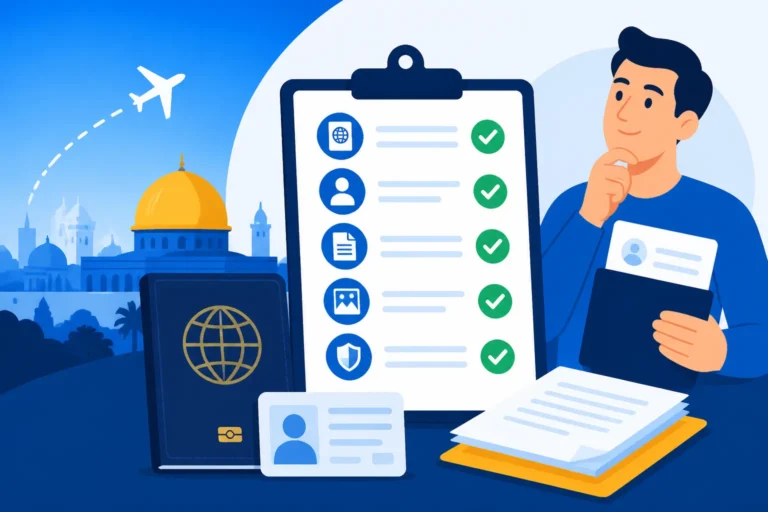
Here’s a checklist of what you'll typically need:
Document Type Details to ensure a smooth transition. Before your Misrad HaPnim visit, ensure your passport is valid for at least six months, that you have your temporary Teudat Zehut and Teudat Oleh, and two up-to-date passport photos (the same size as those for your passport). It's also worth bringing proof of address, even if you’re staying in temporary accommodation, as this can sometimes be requested to finalize your details for the population registry. Don't forget your marriage certificate if you're married and wish to include your spouse's details on your ID, and birth certificates for your children.
The Appointment Itself and Receiving Your Card
On the day of your appointment at the Misrad HaPnim (which, by the way, is covered by our guide on How to Book an Appointment at the Misrad HaPnim for Visa Matters), remember to arrive on time, if not a little early. Israeli government offices can be bustling, and it’s best to be prepared for a wait. When your number is called, you'll meet with a clerk who will review your documents, confirm your details, and take your fingerprints and a digital photograph for the new biometric card. They'll also verify your address for the population registry, so ensure you have that correct. This is where your temporary address comes into play if you haven't secured permanent housing yet.
It’s completely normal to feel overwhelmed during this stage, especially if you’re not fluent in Hebrew. Don’t hesitate to ask if there’s an English-speaking clerk available, or bring a friend or a volunteer translator with you. Many Aliyah organizations offer volunteer services for these types of appointments. The clerk will then explain that your new biometric Teudat Zehut will be mailed to your registered address within a few weeks, typically within 10-14 business days. The temporary Teudat Zehut will remain valid until you receive the permanent one.
Registering with a Health Fund (Kupat Holim)
Almost immediately after your Misrad HaPnim appointment, or even before if you’re proactive, you'll want to register with one of Israel’s four national health funds (Kupot Holim): Clalit, Maccabi, Meuhedet, or Leumit. This is a critical step, as access to healthcare is a fundamental right and necessity. Your temporary Teudat Zehut and Teudat Oleh are usually sufficient for initial registration. Our detailed guide on How to Register with a Kupat Holim as a New Immigrant in Israel can walk you through this. You'll need to choose your preferred fund, fill out some paperwork, and often provide your bank details for monthly contributions if applicable. The health fund will then issue you your own membership card.
While you wait for your official Teudat Zehut, remember that there might be a waiting period for full health coverage to kick in, especially for certain services, depending on your Aliyah date and circumstances. This is why having a strong backup plan, such as an international health insurance provider, can offer immense peace of mind. For example, some expats opt for a plan from a reputable provider like Cigna Global to bridge any gaps in coverage or to access private care options. This ensures you're never left vulnerable, even in the initial stages of settlement.
Navigating Life While Awaiting Your Official Teudat Zehut
The period between your Misrad HaPnim appointment and the arrival of your biometric Teudat Zehut can feel like a limbo. You have the temporary paper ID, but it doesn't always cut it. Knowing what you can and cannot do, and how to manage essential tasks during this time, is crucial for maintaining your sanity and progressing with your integration.
What You Can and Can't Do with a Temporary ID
With your temporary Teudat Zehut, you are legally identified as an Israeli citizen. This means you can generally:
- Access basic healthcare services: As mentioned, you can register with a Kupat Holim.
- Receive Aliyah benefits: Your Sal Klita payments will continue.
- Open a basic bank account: While some banks might prefer the biometric card, most will process your account with the temporary ID and Teudat Oleh. It’s important to open a bank account early; our guide on How to Open a Bank Account at an Israeli Bank as a Foreigner has all the details.
- Sign a rental contract: Landlords are generally understanding, though some might require extra guarantees.
- Enroll children in school: The temporary documents suffice, along with their birth certificates and your Aliyah paperwork.
However, you might encounter difficulties with:
- Registering for advanced digital government services: Many online portals require the biometric card reader for full access.
- Certain official bureaucratic processes: Some agencies, particularly those dealing with property or business registration, prefer the permanent card.
- Traveling abroad: While possible, it's generally advised to wait for your passport to be issued, as the temporary ID is not for international travel. If you travel before receiving your permanent Teudat Zehut, ensure you have your foreign passport and a re-entry visa (if applicable) or a valid Israeli travel document.
Navigating these challenges often requires patience and polite insistence. Carry all your Aliyah documents, including your Teudat Oleh and foreign passport, to provide comprehensive proof of identity and status.
Setting Up Essential Services and Banking
Even with a temporary ID, you should push forward with setting up your new life. Utility connections – electricity, water, and gas – are often manageable with your temporary ID and rental contract. You’ll also want to look into mobile phone plans and internet services. Providers are generally used to new olim and their initial documentation. For managing your personal finances, consider Bank Leumi or Bank Hapoalim, which often have dedicated departments or English-speaking staff to assist new immigrants with opening a bank account in Israel.
While waiting for your Teudat Zehut, don't forget about other aspects of settling in, such as arranging your belongings. Many new olim underestimate the complexity of international moves. Services like Sirelo can be a great resource for comparing international moving companies, helping you manage the logistics of getting your household goods to Israel while you focus on the immediate administrative tasks like your Teudat Zehut.
Getting Healthcare and Medications
Your temporary Teudat Zehut allows you to register with a Kupat Holim, as mentioned. Once registered, you can access general practitioners, make appointments, and get prescriptions. Keep in mind that some specialist appointments might have longer waiting times, particularly in the public system. For this reason, many expats consider private health insurance or supplementary plans offered by the Kupot Holim to gain quicker access to specialists or certain treatments. If you are concerned about immediate medical needs or prefer more comprehensive coverage from day one, exploring options with global providers like Cigna Global can be a strategic move while your local health fund coverage fully kicks in. This extra layer of security can provide invaluable peace of mind during your initial months in Israel.
When picking up prescription medications, your Kupat Holim card, along with your temporary ID, will usually suffice. Pharmacies are linked to the health fund system, so your details should be readily available once you're registered.
Troubleshooting Common Teudat Zehut Hurdles
Even with the best preparation, the path to getting your Teudat Zehut can sometimes present unexpected twists and turns. From language barriers to lost documents or bureaucratic delays, these hurdles can be incredibly frustrating. Knowing how to navigate them can save you a lot of stress and time.
Language Barriers and Communication Challenges
One of the most common challenges for new olim is the language barrier. While many Israelis speak English, particularly in larger cities and government offices, Hebrew is the official language. During your Misrad HaPnim appointment, if you're not comfortable speaking Hebrew, politely ask if an English-speaking clerk is available. If not, having a friend, family member, or even a volunteer translator accompany you can be immensely helpful. The Jewish Agency and other Aliyah organizations often have resources or volunteers who can assist with translations for crucial appointments. Don't be shy about asking for help; it's better to ensure clarity than to make a mistake due to misunderstanding.
Even after your appointment, if you need to follow up, the Misrad HaPnim's national call center can be reached, but again, brace yourself for potential Hebrew-only interactions and long wait times. Many new olim find it more effective to visit the office in person during "kabbalat kahal" (public reception) hours if they have urgent questions, though this can also involve significant waiting.
Delays and Missing Cards
"Where's my Teudat Zehut?" is a question many new olim find themselves asking a few weeks after their appointment. While the stated delivery time is usually 10-14 business days, delays can occur. Postal service issues, administrative backlogs, or even incorrect address details can cause your card to go missing or arrive late.
If your card hasn't arrived within the expected timeframe, don't panic. First, double-check the address you provided. If that seems correct, your next step is to contact the Misrad HaPnim. You can try calling, but often a personal visit is more effective. When you go in person, bring all your documents again, including your temporary Teudat Zehut, your Teudat Oleh, and proof of your appointment date. Explain the situation clearly, and they should be able to check the status of your card and either re-issue it or trace its delivery.
Lost or Damaged Temporary IDs
It happens to the best of us: you're juggling a new life, and suddenly your temporary paper Teudat Zehut goes missing, or it gets damaged beyond recognition. While it’s not the end of the world, it does require immediate attention. Since this document is your only official ID until your permanent card arrives, losing it can complicate everything from banking to healthcare.
If your temporary ID is lost or damaged, you’ll need to contact the Misrad HaPnim as soon as possible. Explain that you need a replacement for your temporary Teudat Zehut. They will likely ask you to come in for another appointment to get a new temporary document printed. While this is an additional hassle, it's a necessary step to ensure you have valid identification. Always keep copies of all your important documents in a secure, separate location, and consider a digital copy on your phone or in cloud storage for emergencies.
Getting your Teudat Zehut is undoubtedly a cornerstone of your Aliyah journey. It marks a significant transition from new arrival to fully recognized citizen. While the process can test your patience, remember that millions have navigated it before you. Stay organized, be persistent, and don't hesitate to lean on the support systems available to new olim. You've made a monumental step by moving to Israel; securing this essential document is just another step on that incredible path.
Disclaimer
The information provided in this guide is for general informational purposes only and does not constitute legal, financial, or medical advice. While we strive to provide accurate and up-to-date information, laws, regulations, and procedures in Israel can change frequently. Always consult with relevant professionals or official government sources for personalized advice pertaining to your specific situation.