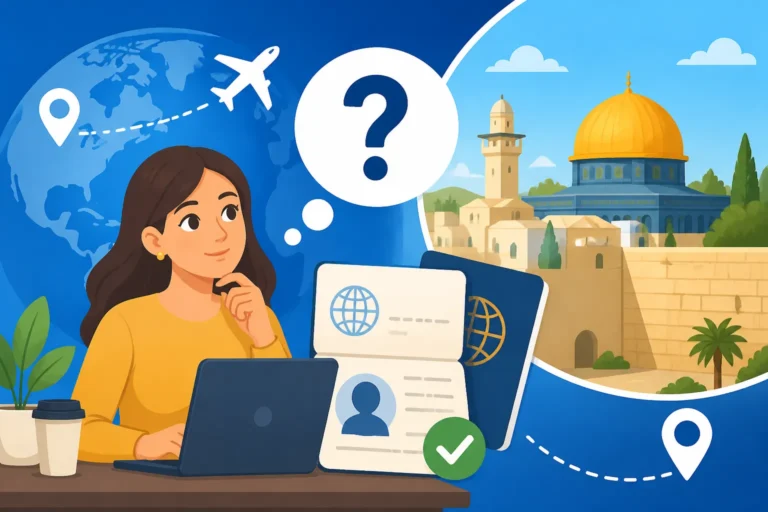
Can I Get an Israeli Work Visa Through My Employer?
Moving to Israel for work can feel like trying to navigate a maze blindfolded, especially when it comes to the notorious visa process. You've landed a fantastic job opportunity, but now comes the daunting question: "Can I actually get an Israeli work visa through my employer?" The short answer is yes, absolutely – in fact, for most foreign workers, having an Israeli employer sponsor you is not just helpful, it's virtually essential. This guide will peel back the layers of bureaucracy, explaining exactly how your employer acts as your anchor in this often confusing journey.
The Pivotal Role of Your Employer in Securing an Israeli Work Visa
When you're looking to work in Israel as a non-citizen, your prospective employer isn't just offering you a job; they're taking on a significant responsibility in facilitating your legal stay and work authorization. The Israeli government, through the Ministry of Interior (Misrad HaPnim), has very specific requirements for issuing work visas, and these largely revolve around proving that an Israeli or permanent resident couldn't fill the role. This isn't just a formality; it’s a foundational principle of their immigration policy.
Your employer acts as the petitioner. They must demonstrate a genuine need for your specific skills or expertise, especially if it’s considered an "expert visa" category (B/1 work visa). This means they aren't just sending a letter saying "we want John Doe"; they're providing a detailed justification, often backed by a comprehensive search for local talent that unfortunately came up short. This process ensures that foreign workers are not taking jobs away from Israelis but rather filling critical gaps in the workforce, particularly in high-tech, medical, or specialized fields. The entire system is built on the premise that the employer needs you, and without their proactive involvement and legal standing, your application simply won't get off the ground. They are your primary point of contact with the Israeli authorities for this purpose, and their commitment is what gives your application weight.
Step-by-Step: Employer Initiation and Application Support
Getting an Israeli work visa isn't a simple one-and-done form submission. It’s a multi-stage process where both you and your employer play crucial roles. Understanding these steps can alleviate some of the stress and help you prepare for what’s ahead.
Initial Steps and Documentation by the Employer
Before you even start packing, your employer in Israel needs to lay the groundwork. This initial phase is entirely on their shoulders and involves significant interaction with the Ministry of Interior. They typically begin by submitting a request for a work permit for you. This request isn't light reading; it's a comprehensive dossier designed to convince the authorities that your specific skill set is indispensable.
The employer must prepare a detailed package, including their company’s registration documents, proof of their legal standing, and crucially, an employment contract or a binding offer letter that clearly outlines your role, salary, and terms of employment. This contract isn't just for your benefit; it serves as a legal commitment to the Israeli government about the conditions of your work. They also need to provide a compelling justification letter, explaining why they specifically need you and why an Israeli citizen or permanent resident cannot perform your job. This might involve outlining your unique experience, educational background, or specialized certifications. For roles that fall under the "expert visa" category, this justification is even more stringent, often requiring proof of at least five years of professional experience in your field and a salary that is at least double the average wage in Israel for that profession. Finally, they often need to provide a signed undertaking, accepting responsibility for your stay in Israel, including your departure if the employment terminates. It’s a huge commitment on their part, so be prepared for some back-and-forth as they compile this information.
Your Role as the Employee: Gathering Your Documents
While your employer is battling the bureaucracy on their end, you won't be sitting idle. You’ll need to assemble your own comprehensive set of personal documents. Think of it as creating your life's story in paper form, meticulously organized and perfectly accurate. The Israeli authorities are sticklers for detail, and any discrepancy or missing document can cause significant delays.
Essential documents typically include your valid passport (with at least six months' validity beyond your intended stay), a detailed curriculum vitae (CV) highlighting your professional experience and educational background, academic diplomas, professional certificates, and any licenses relevant to your field. You’ll also need recent passport-sized photographs that meet specific Israeli photo requirements – trust me, they're particular about these! If you're married or have children joining you, their marriage and birth certificates will also be required, often with official apostilles or legalization from your home country. A crucial, often overlooked, requirement is a police clearance certificate from your country of origin and any country you’ve lived in for more than a year. This must be a recent report, usually not older than three months, proving you don't have a criminal record. And, of course, you'll need a health declaration and medical certificates, sometimes including HIV and tuberculosis tests, confirming you are in good health. Remember, all non-Hebrew documents will need to be officially translated and often notarized. Many expats find navigating the healthcare system here daunting, so ensuring you have robust health insurance, such as options provided by Cigna Global, sorted before you arrive is crucial. It’s not just a recommendation; it’s a requirement for your visa.
The Application Submission and Interview Process
Once your employer has secured the preliminary work permit approval from the Ministry of Interior, the ball is back in your court, but with a twist. The approval from the Misrad HaPnim is internal; it doesn't automatically mean you have a visa. The next step involves a formal visa application at an Israeli embassy or consulate in your home country.
Your employer (or their legal representative in Israel) will send you the approved permit. You then take this, along with your diligently collected personal documents, to the Israeli diplomatic mission. You’ll complete a visa application form, pay the relevant fees, and submit everything. In many cases, you will also be required to attend an interview. Don't let this intimidate you, but do take it seriously. The consular officer will want to verify the information in your application, understand your intentions for working in Israel, and confirm your connection to the sponsoring employer. While these interviews are usually conducted in English, knowing some basic Hebrew phrases can show initiative, though it's rarely a requirement for the interview itself unless your role specifically demands it. This is your chance to demonstrate your genuine intentions and clarify any points in your application. They are looking for consistency and honesty, so ensure your verbal answers align perfectly with your submitted documentation.
Common Hurdles and Important Considerations for Employer-Sponsored Visas
The path to an Israeli work visa is rarely a straight line. There are bumps and twists, and anticipating them can help you manage your expectations and prepare effectively.
Processing Times and Bureaucracy
Ah, bureaucracy! It's a universal language, and in Israel, it speaks with its own unique accent of "slower than you'd expect." The processing times for an Israeli work visa can be notoriously unpredictable. While some applications might sail through in a few weeks, others can drag on for several months, sometimes even half a year or more. This is particularly true for initial applications where the employer is setting up a new work permit for a foreign employee.
The main bottleneck is often the Ministry of Interior (Misrad HaPnim). Each stage of review, from your employer's initial permit request to the final visa issuance, can involve multiple departments, each with its own workload and internal processes. Factors like the time of year (holidays can cause significant slowdowns), the complexity of your case, the completeness of your documentation, and even the specific workload of the reviewing officer can all influence the timeline. It's frustrating, I know. You're eager to start your new life and your employer is eager to have you, but patience is truly a virtue here. Regular, polite follow-ups from your employer (or their legal counsel) can sometimes help, but generally, it's a waiting game. This is where having an experienced employer, or one who has gone through this process before, makes a world of difference. For a broader understanding of the visa landscape, you might want to read our guide on The Expat Guide to Israeli Visas and Residence Permits (2027).
Employer Responsibilities and Compliance
Once your work visa is granted and you arrive in Israel, your employer's responsibilities don't end. In fact, they only deepen. The Israeli government holds employers accountable for the well-being and legal compliance of their foreign workers. This includes adhering to Israeli labor laws regarding your salary, working hours, annual leave, and social benefits. They must ensure that the terms stipulated in your employment contract are met, and often, they are responsible for providing adequate housing, especially if it's a short-term or specific project-based visa. For a deeper dive into your rights, check out Understanding Israeli Employment Contracts and Worker Rights (2027).
If your employment ends for any reason, the employer usually has a legal obligation to notify the Ministry of Interior and, in many cases, is responsible for your departure from Israel. This is why employers are so careful during the initial sponsorship process – they're taking on a significant legal and financial commitment. As an employee, it's equally important for you to understand your rights and obligations, including your visa status. Any change in employment or residence needs to be communicated to the Misrad HaPnim, usually via your employer. Keeping your visa status in good standing is crucial for your ability to live and work in Israel long-term, and potentially even for How to Renew Your Israeli Residence Status.
Bringing Family Members
One of the most common questions expats have is, "Can my family come with me?" The good news is, yes, in most cases, your immediate family members (spouse and minor children) can apply for dependent visas to join you in Israel. However, this is not automatic and requires its own set of applications and considerations.
Typically, your employer's sponsorship focuses on your work permit. Once your B/1 work visa is approved, your family members can apply for an A/1 temporary resident visa, which is usually tied to your B/1 visa. This means their stay is dependent on yours. You'll need to provide additional documents for each family member, including their passports, birth certificates, and your marriage certificate. Just like your application, their documents will need to be translated and legalized. The process for family reunification can add another layer of complexity and time to the overall immigration journey. It’s also vital to ensure that, once in Israel, your family registers their address with the Population Authority and understands their status, which will be covered when you obtain your How to Get a Teudat Zehut Identity Card in Israel. While your work is tied to your employer, their status as dependents means they cannot typically work themselves on an A/1 visa unless they apply for a separate work permit in their own right, which is a different and often more challenging process.
After Approval: What Happens Next?
Congratulations, you've made it through the labyrinthine visa process! But the journey isn't quite over. There are a few crucial steps to take once you have that precious visa in hand and after you've landed in the Promised Land.
Receiving Your Visa and Travel to Israel
Once your visa application is approved by the Israeli consulate in your home country, they will affix a B/1 work visa sticker or stamp directly into your passport. This usually specifies the type of visa, its validity period, and the number of entries permitted. Before you even get on the plane, double-check all the details on this visa – ensure your name is spelled correctly, your passport number matches, and the dates are accurate. Any discrepancies could cause issues at immigration upon arrival.
When you land at Ben Gurion Airport, you will present your passport with the B/1 visa to the border control officer. They will then typically issue you a temporary residence permit, often a blue slip of paper, which replaces the old system of stamping your passport directly. This temporary permit usually states your visa type (B/1) and its initial validity. It's incredibly important to keep this blue slip safe, as it serves as your official entry document and proof of your initial visa status. Even though you have a visa in your passport, this slip is what verifies your legal entry and status for your first few months. Don't lose it! For comprehensive details on the entire work visa application, don't forget to consult our How to Get an Israeli Work Visa B/1 The Full Guide 2026.
Post-Arrival Registration and Settling In
Your initial entry permit is typically valid for a few months. Within this period, you and your employer will need to visit the local Ministry of Interior (Misrad HaPnim) office to formalize your long-term B/1 work visa. This is where the temporary blue slip is exchanged for a more permanent plastic ID card, similar to a Teudat Zehut but specifically for foreign residents, or your B/1 visa is extended and stamped in your passport for the full duration. This Misrad HaPnim appointment is critical. You’ll need to bring your passport, the blue entry slip, your employment contract, and often letters from your employer confirming your continued employment. Expect queues and a bit of a wait, so make sure you set up an appointment in advance – it’s really essential to book your spot for How to Book an Appointment at the Misrad HaPnim for Visa Matters.
This is also the time to apply for your Teudat Zehut (Israeli identity card) or the similar foreign resident ID card. While not strictly mandatory for all foreign workers, it makes daily life, banking, and accessing services much easier. Once settled, you'll need to navigate other aspects of life in Israel, such as registering with a Kupat Holim (health fund) to access healthcare services. This is a crucial step; understanding The Complete Guide to Healthcare in Israel for Olim and Expats (2027) is paramount, as is knowing How to Access Healthcare on a Work Visa in Israel. For those bringing significant belongings, consider utilizing international moving services like Sirelo to help with the relocation, as moving to a new country involves a lot more than just getting your visa stamped. And don't forget the practicalities of setting up your life, from banking to understanding your social security contributions.
Here’s a summary of the key documents involved:
| Document Type | Provided By Employer | Provided By Employee (You) |
|---|---|---|
| Identity/Status | Company registration certificate, Business License | Valid Passport (at least 6 months validity) |
| Employment | Offer Letter/Employment Contract, Justification Letter for Foreign Hire | Detailed CV/Resume, Academic Diplomas, Professional Certificates, Licenses |
| Financial | Proof of Employer's Financial Stability, Commitment to Salary | |
| Personal | Recent Passport Photos, Police Clearance Certificate | |
| Medical | Medical Exam Results (HIV, TB, etc.), Health Declaration | |
| Family (if applicable) | Marriage Certificate, Birth Certificates of Children |
This table is a simplified overview, and specific requirements can vary based on your nationality, the type of work, and current regulations. Always consult with your employer's legal team or the Israeli Ministry of Interior for the most up-to-date and precise requirements.
Navigating the Israeli work visa process with an employer can be a bureaucratic marathon, but with preparation, patience, and good communication with your sponsoring company, it’s a perfectly achievable goal. While it certainly has its challenges, the vibrant culture, exciting work opportunities, and incredible experiences waiting for you in Israel make it all worthwhile.
Disclaimer
The information provided in this guide is for general informational purposes only and does not constitute legal or professional advice. While we strive to provide accurate and up-to-date information, immigration laws and procedures in Israel are complex and subject to change without notice. It is essential to consult with an experienced immigration lawyer or the relevant Israeli government authorities (such as the Ministry of Interior or an Israeli embassy/consulate) for advice tailored to your specific situation. Reliance on any information provided in this guide is solely at your own risk.