What Bank Fees Should Expats Expect in Israel?
Moving to Israel is an adventure, isn't it? You arrive, full of hope and maybe a little trepidation, ready to embrace the culture, the food, and the incredible energy. But then, you hit the wall of bureaucracy, and nothing quite prepares you for the nuances of managing your finances here. One of the biggest headaches many of us expats face is navigating the labyrinth of bank fees. This guide is here to shed light on what those charges typically look like, arm you with knowledge, and help you keep more of your hard-earned shekels in your pocket.
Unpacking the Standard Bank Fees for Expats in Israel
When you first open a bank account in Israel, it can feel like you've just stepped into a different dimension. The process itself is a journey, and once you’re in, you’ll start to notice a range of fees that might be different from what you're used to back home. These aren't just minor inconveniences; they can add up significantly if you're not aware of them. Let's break down the common culprits.
Monthly Account Maintenance: The Ubiquitous Charge
Every bank in Israel, be it Bank Leumi, Bank Hapoalim, Discount Bank, or Mizrahi Tefahot, will likely charge you a monthly fee just for the privilege of having an account. Think of it as a subscription fee for their services. This isn't unique to Israel, of course, but the amounts and what they cover can vary. For a standard checking account, you might see something in the range of 10-30 ILS per month.
Now, this fee often isn't just a flat rate. It can be bundled with a certain number of transactions or services. For example, your monthly fee might include X number of ATM withdrawals, Y number of checks processed, and Z online transfers. Exceed those limits, and you're looking at additional per-transaction charges. This is where many of us get caught out. We assume "unlimited transactions" like we had in our home countries, only to find small deductions accumulating. Always ask for a clear breakdown of what your monthly maintenance fee actually covers and what constitutes an "extra" transaction. Some banks offer special deals for new olim (immigrants) or students that might waive or reduce these fees for a limited period, so it’s always worth inquiring. Don't assume anything; Israeli banking is all about asking the right questions, often multiple times.
Transactional Fees: Paying for Every Little Move
Beyond the monthly fee, Israeli banks are quite fond of charging for individual transactions. This is where the costs can really start to sting if you're not careful.
- ATM Withdrawals: While your own bank's ATMs might be free, using another bank's ATM almost always incurs a fee. Even within your own bank, if you exceed the included withdrawals in your package, you'll be charged. These charges can be anywhere from 3-10 ILS per withdrawal. It’s a good habit to try and stick to your own bank's ATMs and plan your cash withdrawals to minimize frequency.
- Check Processing: Yes, checks are still very much a thing in Israel, especially for things like rent, utilities, and even large purchases. Each check you deposit or cash might carry a small processing fee, typically a few shekels. If you use post-dated checks for rent payments – a very common practice here – remember that each one will be processed monthly, potentially incurring that fee each time. It’s like a tiny, continuous drip from your account.
- Inter-bank Transfers (Bank-to-Bank): Transferring money between accounts at different Israeli banks also typically incurs a fee, unlike many countries where this is free. This applies to both online transfers and those done in person. This can range from 3-15 ILS per transfer, depending on the bank and the amount. This is a crucial point for anyone running a small business or even just paying various bills to different entities. You'll quickly see these charges add up. Knowing this, you might rethink whether a business can accept a "Bit" payment (a popular Israeli peer-to-peer payment app) or if you must do a traditional bank transfer.
Understanding these granular charges is key to managing your budget. It's not just the big transfers that cost money; it's the sum of all the small ones.
International Transfers: A Significant Bite
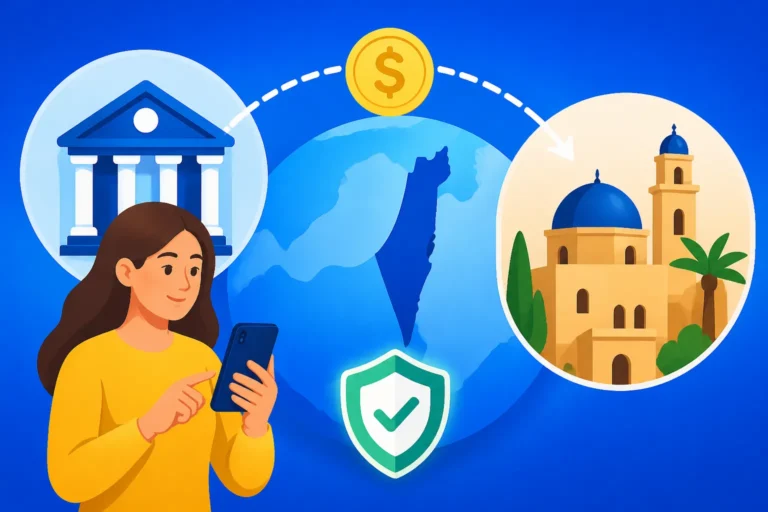
This is often the biggest shock for expats, especially those who regularly send or receive money from abroad. Israeli banks charge substantial fees for international wire transfers, both incoming and outgoing.
For outgoing transfers, you’ll likely face a flat fee from your Israeli bank, often ranging from 30-100 ILS, plus a percentage of the amount transferred, and potentially even an additional fee from the intermediary banks involved. It's a triple whammy. When you're trying to send money back home to family or cover expenses in your home country, these fees can seriously erode the value of your transfer. For those looking to transfer money internationally from an Israeli account, this is where alternatives become incredibly attractive.
For incoming transfers, your Israeli bank will also charge a fee to receive funds from abroad. This might be a flat fee, often 20-50 ILS, and sometimes a percentage or a combination. What’s more, the sending bank and any intermediary banks might also deduct fees, so the amount that actually lands in your Israeli account can be considerably less than what was sent. This can be especially frustrating if you’re receiving your salary from a foreign employer. Always factor these deductions into your budget. This is also where services like Wise often shine, as they can bypass many of these traditional bank fees by using local transfers in both countries. We'll delve into such strategies a bit later.
Debit and Credit Card Fees: Daily Expenses Add Up
Using your Israeli debit or credit card also comes with its own set of potential charges, particularly if you’re still thinking in terms of your home country’s banking system.
- Annual Credit Card Fees: Most Israeli credit cards come with an annual fee, which can be paid monthly. This isn't always waived, even with significant usage, though some premium cards or packages might offer fee reductions. These fees can range from 10 ILS to over 100 ILS per month, depending on the card type and benefits. Always ask about the annual fee when you're considering a credit card here.
- Foreign Transaction Fees: If you use your Israeli debit or credit card for purchases online from international retailers or when you travel abroad, you'll almost certainly incur a foreign transaction fee. This is typically a percentage of the transaction amount, often 1-3%. While this might seem small, it quickly adds up, particularly if you’re paying for subscriptions, shopping online, or travelling frequently outside of Israel.
- Currency Conversion Fees: Beyond the foreign transaction fee, the exchange rate used by your bank might not be the most favorable. Banks often add a spread to the interbank rate, meaning you get slightly less shekels for your foreign currency or pay slightly more shekels when converting. This is often disguised within the exchange rate itself, making it harder to quantify but no less real.
Beyond the Obvious: Hidden Costs and How to Spot Them
It’s not just the clearly listed fees that can surprise you. Israeli banks, much like banks everywhere, have a few tricks up their sleeves that can lead to unexpected deductions. Being aware of these less obvious charges can save you a good deal of frustration and money.
Overdrafts and Returned Cheques: The Penalties
Nobody plans to overdraw their account, but it happens. And when it does in Israel, the fees can be quite steep. If your account goes into overdraft (even by a small amount), you'll be hit with an overdraft fee. This is a one-time charge for the incident. But it doesn't stop there. You'll also be charged interest on the negative balance, which can be notoriously high.
What's more, if you issue a check and there aren't sufficient funds in your account to cover it, that check will "bounce" (be returned). This isn't just embarrassing; it's expensive. Your bank will charge you a fee for the returned check. The recipient of the check might also incur a fee from their bank, and they might even be able to charge you an additional penalty fee as stipulated in some contracts (like rental agreements). Accumulating too many returned checks can also flag you negatively in the banking system, making it harder to get loans or credit in the future. Always keep a close eye on your account balance, especially if you’re using checks for payments.
Dormant Accounts and Early Closure Penalties
Think about that old bank account you opened in your first few months, maybe thinking you'd use it more, or a secondary account you set up for a specific purpose. If an account remains inactive for an extended period – typically 12-24 months – it can be deemed "dormant." When this happens, banks might start charging a special dormant account fee, which can be higher than regular maintenance fees, effectively draining any remaining funds. It's a silent killer for forgotten funds.
On the flip side, if you decide to close an account, especially within a short period after opening it (e.g., less than a year), some banks might levy an early account closure fee. This is a relatively rare charge, but it does exist in some bank's terms and conditions. Before you rush to close an account you no longer need, it's worth a quick call to your bank to confirm if such a penalty applies. Knowing this can help you decide if it's better to keep a minimally active account until a penalty period passes, or if you should consolidate accounts to avoid future dormant account issues. For comprehensive financial planning as an expat, especially concerning assets and accounts in different countries, services like Taxes for Expats can be helpful in making sure you're not missing any cross-border implications.
Fees for "Special" Services
Israeli banks also have fees for things you might consider standard customer service in other countries.
- Issuing a Bank Statement by Mail: While online statements are free, requesting a physical statement by mail might incur a small fee.
- Banker's Cheques: If you need a certified bank cheque (often required for large purchases like a car or property), there's a fee for that.
- Account History beyond a certain period: Retrieving detailed account history that goes back many years can sometimes come with an administrative charge.
These individual fees are often small, perhaps 5-20 ILS each, but they represent a different banking philosophy where every service has a price tag. It's not necessarily a bad thing, but it requires you to be more proactive in managing your account and utilizing free digital alternatives. For example, rather than waiting for a mailed statement or calling customer service for transactions, learn how to use your bank's online portal or mobile app to access your account history and manage your finances. This can not only save you fees but also a lot of time and hassle. If you're new to the digital banking landscape, articles like How to Set Up Online Banking and Transfers in Israel can provide a good starting point.
Smart Strategies for Minimizing Your Banking Expenses in Israel
Now that we’ve walked through the common and less common fees, let’s talk about how to fight back and keep more of your money. It is possible to significantly reduce your banking costs in Israel with a bit of savvy and proactive management.
Choosing the Right Bank and Account Type
This might seem like a no-brainer, but many expats just go with the first bank that seems friendly or has an English-speaking representative. While a good relationship manager is invaluable, it shouldn't be the only factor.
When you're trying to choose the best bank for expats in Israel, don’t hesitate to shop around. Major banks like Bank Leumi, Bank Hapoalim, Discount Bank, and Mizrahi Tefahot all have branches that cater to expats and new immigrants, often with English-speaking staff. However, their fee structures can differ.
Here’s what to look for and ask about:
- Oleh/Expat Packages: Many banks offer special packages for new immigrants (Olim Hadashim) that include reduced or waived monthly fees for a certain period (e.g., 1-3 years), discounted international transfer fees, or higher numbers of free transactions. Always ask if you qualify for such a package.
- Digital Account Options: Some banks are starting to offer more digitally-focused accounts with lower fees, assuming you do most of your banking online. If you're comfortable with online and mobile banking, this could be a cheaper option.
- Negotiate! Yes, you can sometimes negotiate. Especially if you're bringing a substantial salary or large transfers to Israel, you might be able to negotiate a better deal on monthly fees or international transfer charges. Don’t be shy about asking. If you're a student, a young professional, or a retiree, ask about specific packages tailored to your demographic.
- Bank Size vs. Service: While the big banks offer extensive branch networks, smaller or more niche banks might have different fee structures or specialized services. However, the four main banks generally dominate the expat market.
To give you a rough idea, here's a table comparing some general fee ranges for common services across typical Israeli retail bank accounts. Keep in mind these are estimates and can change, so always verify with the bank directly.
| Service / Fee Type | Estimated Range (ILS) | Notes |
|---|---|---|
| Monthly Account Maint. | 10 – 30 | Can be waived for Olim, students, or certain account types. |
| ATM Withdrawal (other bank) | 3 – 10 | Usually free at your bank's ATMs within package limits. |
| Inter-bank Transfer (online) | 3 – 15 | Per transfer, usually higher for in-person or non-app transfers. |
| Incoming Int'l Transfer | 20 – 50 | Plus potential fees from sending/intermediary banks. |
| Outgoing Int'l Transfer | 30 – 100 + % of amount | Significant fees, often better to use alternatives. |
| Annual Credit Card Fee | 10 – 100+ (monthly) | Depends on card type and benefits. Can sometimes be negotiated. |
| Foreign Transaction Fee | 1% – 3% | For purchases made in foreign currency or abroad. |
| Returned Cheque Fee | 50 – 150 | Steep penalty, avoid at all costs. |
| Overdraft Fee | 50 – 100 | Plus high interest on the negative balance. |
Leveraging Digital Platforms and FinTech Solutions
This is where the real savings often lie, especially for international transfers and foreign currency management. Traditional banks are notoriously expensive for these services, and the Israeli market is no exception.
- For International Transfers: Instead of your bank, consider using specialized money transfer services. Companies like Wise (formerly TransferWise) have revolutionized this space. They offer much lower fees and more transparent exchange rates for sending and receiving money internationally. They achieve this by using local bank transfers in both countries, effectively bypassing the SWIFT network fees that traditional banks rely on. If you're an expat who regularly moves money between Israel and your home country, exploring options like Wise is often a game-changer for your budget. You can usually link your Wise account directly to your Israeli bank account for transfers.
- For Foreign Currency Purchases/Spending Abroad: If you travel frequently or make many purchases in foreign currencies, consider a debit card from a service like Wise or Revolut (if available and compatible with your Israeli residency). These cards often offer excellent exchange rates and low or no foreign transaction fees, allowing you to spend in different currencies without your Israeli bank taking a cut.
- Online Banking and Mobile Apps: Maximize your use of your Israeli bank's online portal and mobile app. Most routine transactions (checking balances, transferring money within your bank, paying bills) are free or significantly cheaper when done digitally compared to visiting a branch or speaking to a teller. This also includes accessing your statements and transaction history electronically.
Proactive Management and Negotiation Tips
Don’t just set up your account and forget about it. Regular vigilance is key to minimizing fees.
- Review Your Statements Regularly: Don't just glance at your balance. Take five minutes each month to scrutinize your bank statement. Are there any fees you don't recognize? Are you being charged for services you thought were free or included? If something looks off, call your bank immediately.
- Consolidate Accounts: If you have multiple accounts with minimal activity, consider consolidating them to avoid multiple monthly maintenance fees or potential dormant account charges.
- Be Mindful of Transaction Limits: If your account package has limits on free ATM withdrawals or inter-bank transfers, be aware of them. Group your withdrawals or payments to stay within those limits as much as possible.
- Don't Be Afraid to Ask: As I mentioned before, asking is crucial in Israel. Whether it's about a fee waiver for new olim, a better credit card deal, or clarification on a charge, always ask. The worst they can say is no. Often, there are options or alternatives you wouldn't know about unless you inquired.
- Consider a Financial Advisor: For complex financial situations, especially involving cross-border income, investments, or managing your tax obligations in Israel and your home country, consulting with a financial advisor who specializes in expat finances can be incredibly beneficial. They can help you structure your accounts and transactions in the most cost-effective way, potentially saving you far more than their fee. This is especially true for those navigating the complexities of their new immigrant tax benefits guide. They can also help you understand how Bituach Leumi health contributions work in Israel in conjunction with your overall financial picture.
By taking these steps, you can navigate the sometimes-tricky waters of Israeli bank fees with confidence and ensure your hard-earned money stays where it belongs – with you. Being an expat here is challenging enough; your bank account shouldn't add to the stress!
Disclaimer
The information provided in this guide is for general informational purposes only and does not constitute financial, legal, or professional advice. Banking fees and policies in Israel are subject to change and can vary significantly between institutions and individual circumstances. It is highly recommended to consult directly with Israeli banks and financial advisors for the most accurate and up-to-date information pertaining to your specific situation.