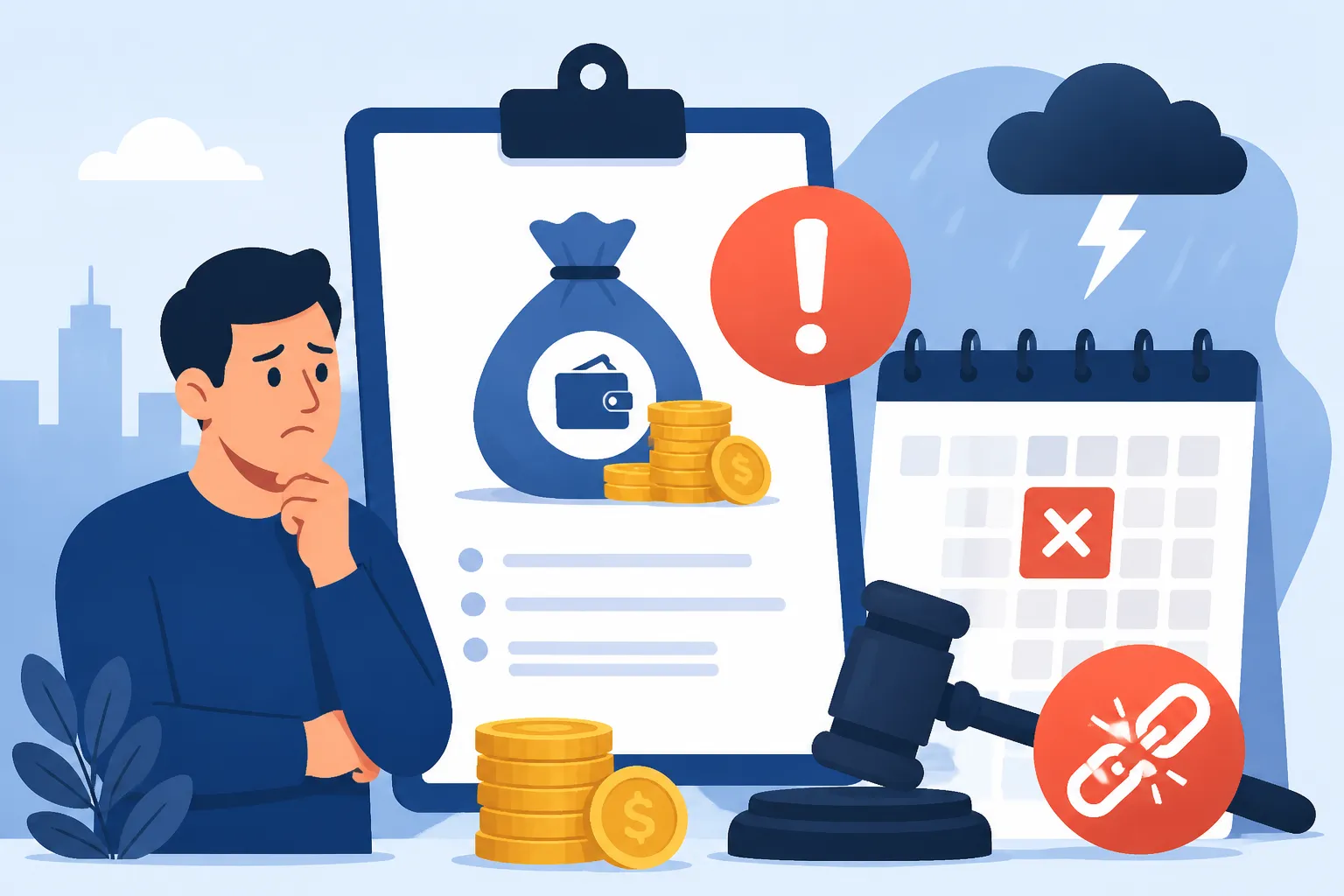
What Is the Penalty for Late Tax Payment in Israel?
Dealing with taxes in a new country like Israel can feel like navigating a labyrinth, and the thought of missing a deadline is enough to send shivers down any expat's spine. The Israeli tax system, while surprisingly modern in some aspects, can still be a source of immense frustration and confusion, especially when you're grappling with new terminology and procedures. This guide will walk you through exactly what happens when you're late with a tax payment in Israel, breaking down the penalties, what steps you can take, and how to avoid these stressful situations in the future.
Understanding the Israeli Tax Authority's Stance on Late Payments
Let's be honest, nobody wants to pay taxes late, but sometimes life in a new country throws you a curveball. Maybe you misinterpreted a deadline, you were waiting on funds from abroad, or perhaps you simply got lost in the maze of Israeli bureaucracy. Whatever the reason, the Israel Tax Authority (Rashut HaMisim) doesn't take kindly to delays, and they have a clear, multi-pronged approach to penalizing late payments. It's not just a slap on the wrist; these penalties are designed to ensure compliance and can quickly escalate, adding significant amounts to your original debt. Understanding this mechanism is the first step to avoiding or mitigating the damage.
The system here is built on the principle of self-assessment for many income types, meaning it's largely your responsibility to know what you owe and when. This can be a huge culture shock for expats coming from countries with more streamlined, employer-deducted tax systems. If you're a self-employed individual, an Osek Patur or Osek Murshe, or if you have income sources beyond a standard Israeli salary, you're particularly exposed to these potential pitfalls. Even if you're employed, certain declarations, like those for foreign income, might fall solely on your shoulders.
The Nitty-Gritty of Penalties: Interest, Fines, and Linkage
When you miss a tax payment deadline in Israel, the Tax Authority doesn't just send a polite reminder. They activate a series of penalties that accrue over time, making your original debt considerably larger. These are primarily comprised of interest (sometimes referred to as nisyonot), late payment fines (often called ketzarim), and linkage to the Consumer Price Index (CPI), or hatzmada, which effectively means your debt grows with inflation. It's a combination that ensures the value of the unpaid tax doesn't erode over time and that there's a real financial incentive to pay on schedule.
Accrued Interest and Linkage to the Consumer Price Index
First up, let's talk about interest and linkage. This is often the most significant part of the penalty. The Israel Tax Authority charges interest on overdue tax payments. This isn't just a flat fee; it's calculated daily from the original due date until the payment is finally received. The annual interest rate is currently quite substantial, often around 4% to 6%, plus linkage to the Consumer Price Index (CPI). This linkage is a crucial factor many foreigners overlook. It means that the principal amount of your unpaid tax is adjusted upwards to reflect inflation, ensuring the real value of the debt remains constant. So, if inflation is running high, your debt grows not only by interest but also by the inflation rate.
Imagine you owe NIS 10,000 in income tax, and you're three months late. The original NIS 10,000 might increase by the monthly CPI adjustment for three months, plus the daily interest rate on that inflation-adjusted amount. This compounding effect means a seemingly small delay can lead to a surprisingly large sum. For example, if the CPI goes up by 0.5% in a month and the interest rate is 5% annually, your debt quickly spirals. This is why financial planning and making payments on time are so critical for expats, especially when dealing with various income streams. If you’re self-employed, understanding these nuances is even more important as you are directly responsible for your contributions. You can learn more about how to pay taxes as an Osek Patur in Israel.
Late Payment Fines (Ktzarim)
Beyond interest and linkage, the Tax Authority can also impose specific late payment fines, known as ketzarim. These fines are typically a fixed percentage of the outstanding amount, and they can vary depending on the specific type of tax (income tax, VAT, etc.) and the duration of the delay. For instance, if you're late filing a VAT report, there might be an immediate fine. If you fail to submit an annual income tax report by the deadline, you could face penalties for non-filing, in addition to fines for any overdue payments.
These fines are often applied for each period of delay. So, if you miss a monthly VAT payment, you'll incur a fine for that month. If you then miss the next month, another fine applies. These fines generally range from a few percentage points of the overdue amount to more significant sums, especially if the delay is prolonged or if there's a history of non-compliance. The intention is to deter habitual late payments. It's a strong reminder that the Israeli tax system expects punctuality and proactive engagement from its taxpayers.
Here's a simplified breakdown of potential penalties:
| Penalty Type | Description | Calculation Basis | When It Applies |
|---|---|---|---|
| Interest (Nisyonot) | Daily interest charged on the overdue tax amount. | Daily percentage rate (e.g., ~0.015-0.02% daily, amounting to 4-6% annually) on the principal and inflation-linked amount. | From the original due date until full payment. |
| Linkage (Hatzmada) | Adjustment of the overdue tax amount to reflect changes in the Consumer Price Index (CPI), preserving the real value of the debt. | Monthly CPI increase applied to the principal amount. | From the original due date until full payment. |
| Late Payment Fines (Ktzarim) | Fixed percentage fines or set amounts imposed for failing to pay or file on time. These are separate from interest and linkage. | Varies by tax type and duration of delay (e.g., 1-5% of the overdue amount, or a fixed sum per missed filing period). | For specific missed deadlines (e.g., VAT reports, annual income tax filing) or if payment is significantly overdue. |
| Collection Fees | Additional administrative costs charged if the Tax Authority has to take steps to collect the debt. | Varies, but can include fees for enforcement actions, letters, etc. | If debt progresses to collection agencies or legal action. |
How to Handle a Late Payment: Steps to Take and Mitigation
Okay, so you've realized you're late. Panic sets in. What do you do? The absolute worst thing is to bury your head in the sand. The Israeli Tax Authority won't forget about it, and the penalties will only continue to mount. Proactivity and clear communication are your best allies in this situation.
Step-by-Step Actions When You Realize You're Late
- Calculate the Damage (as best you can): Try to figure out the original amount owed. While you might not be able to calculate the exact interest and linkage, having the base figure is crucial.
- Contact the Tax Authority (Rashut HaMisim) Immediately: This might seem daunting, especially if your Hebrew isn't perfect, but it's essential. You can contact them via their call centers or visit a local office. Explain your situation clearly and calmly. Sometimes, especially for first-time offenders or if you have a valid reason, they might offer some leniency on the fines, though interest and linkage are almost always applied. Knowing how the Israel Tax Authority (Rashut HaMisim) works can help you navigate this.
- Pay the Original Debt + Estimated Penalties: Make the payment as soon as humanly possible. If you can, try to pay a little extra to cover the estimated penalties. The quicker you pay, the less interest and linkage will accrue. You can use your Israeli bank account for this, or if you're transferring funds from abroad, services like Wise can help you get the money into your Israeli account efficiently to make the payment.
- Request a Payment Arrangement: If you can't pay the full amount immediately, ask for a payment plan (hesder tashlumim). This is often an option, especially for larger debts. If approved, you'll make smaller, regular payments over an agreed-upon period. Crucially, while on a payment plan, new fines might be suspended, but interest and linkage will still typically apply until the full debt is cleared.
- Seek Professional Help: This is where an experienced tax advisor in Israel, especially one who specializes in expat taxes, becomes invaluable. Services like Taxes for Expats are designed for exactly this kind of situation. They can communicate with the Tax Authority on your behalf, negotiate payment terms, help calculate the exact outstanding amount including penalties, and ensure you're compliant going forward. They understand the nuances of the Israeli system and can often advocate for you in ways you couldn't do alone.
Requesting a Reduction or Waiver of Penalties
While interest and linkage are rarely waived, you might have a chance at getting some of the late payment fines reduced or even waived, especially if you have a compelling reason for the delay. This often requires submitting a formal request or an appeal, usually in writing, explaining the circumstances.
- Valid Reasons for Leniency: These could include serious illness, a family emergency, technical issues with the online payment system (with proof!), or genuine misunderstanding if you're a very recent immigrant. However, "I forgot" or "I didn't know" are rarely considered valid excuses by the Tax Authority.
- The Power of Professional Representation: An Israeli tax advisor can often present your case more effectively, drawing on their knowledge of legal precedents and the specific procedures for such requests. They know what arguments hold weight and what documentation is required. They can also follow up directly with the relevant department at the Tax Authority, saving you countless hours and headaches.
Remember, the goal is to resolve the issue swiftly and prevent it from snowballing. Early action and, if necessary, professional assistance are key.
Avoiding Future Penalties: Best Practices for Expats
Prevention is always better than cure, especially when it comes to taxes in Israel. The best way to avoid late payment penalties is to never be late in the first place. This requires a proactive approach, understanding the system, and perhaps adjusting some of your financial habits to fit the Israeli context.
Key Strategies for Timely Tax Compliance
- Know Your Deadlines Inside Out: This is paramount. Whether it's quarterly advance payments (mikdamot), monthly VAT reports, or the annual income tax report, mark all relevant dates on your calendar. Many of these deadlines are fixed, while others might vary slightly depending on weekends or holidays. If you're employed, your employer handles most of your income tax deductions and Bituach Leumi contributions, but if you have other income, the responsibility is yours. For a detailed guide on filing, check out Filing Your Annual Tax Report in Israel: The Complete Walkthrough (2026).
- Automate Payments Where Possible: Many banks in Israel allow you to set up standing orders (horaat keva) or direct debits for recurring tax payments, such as monthly VAT or advance payments. This takes the human error element out of the equation. Always double-check that the automation is correctly set up and that funds are available in your account.
- Maintain Clear and Organized Records: Keep every invoice, receipt, bank statement, and payslip. The Israeli Tax Authority can request documentation for up to seven years, so a robust record-keeping system is essential. This is particularly important for self-employed individuals and those with foreign income.
- Engage with a Local Tax Advisor Early: Don't wait until you have a problem. Proactively consulting with an Israeli tax expert, especially one familiar with expat situations, can save you immense stress and money in the long run. They can help you understand your specific tax obligations, optimize your tax position, and ensure you're compliant from day one. Many services, including Taxes for Expats, specialize in guiding foreigners through the complexities of Israeli taxation. This is especially true given the unique tax benefits for new immigrants, which an expert can help you maximize. The Complete Guide to Taxes in Israel for Olim and Expats (2026) is a great starting point, but a professional can provide tailored advice.
- Utilize Online Services and Reminders: The Israel Tax Authority's Gov.il website offers various online services for filing and payment. Familiarize yourself with these platforms. While they can be a bit clunky, they are designed to help you stay on track. Some platforms may also offer email reminders for upcoming deadlines.
- Understand Your National Insurance (Bituach Leumi) Obligations: While not strictly tax, Bituach Leumi contributions are often paid alongside tax and come with their own penalties for lateness. Make sure you understand how Bituach Leumi Health Contributions Work in Israel and incorporate these payments into your financial planning.
- Plan for International Fund Transfers: If you rely on income or funds from abroad to pay your Israeli taxes, factor in potential delays from international transfers. Use reliable services like Wise that offer quick transfer times and competitive exchange rates to ensure your money arrives when you need it.
- Regularly Review Your Financial Situation: Tax obligations can change with your employment status, income, or family situation. Make it a habit to review your tax position annually, or whenever there's a significant life event, to ensure you're still meeting all requirements. This is especially important for those working remotely for foreign companies, as their tax situation can be complex. You might want to refer to How to Handle Tax as a Remote Worker for a Foreign Company in Israel.
By taking these proactive steps, you can confidently navigate the Israeli tax landscape and avoid the headache and financial burden of late payment penalties.
Disclaimer
The information provided in this guide is intended for general informational purposes only and does not constitute professional tax, legal, or financial advice. While we strive to keep the information up-to-date and accurate, tax laws and regulations in Israel are complex and subject to change. For advice tailored to your specific situation, it is highly recommended to consult with a qualified Israeli tax professional or legal advisor.