How Do I Set Up Direct Debit for Bills in Israel?
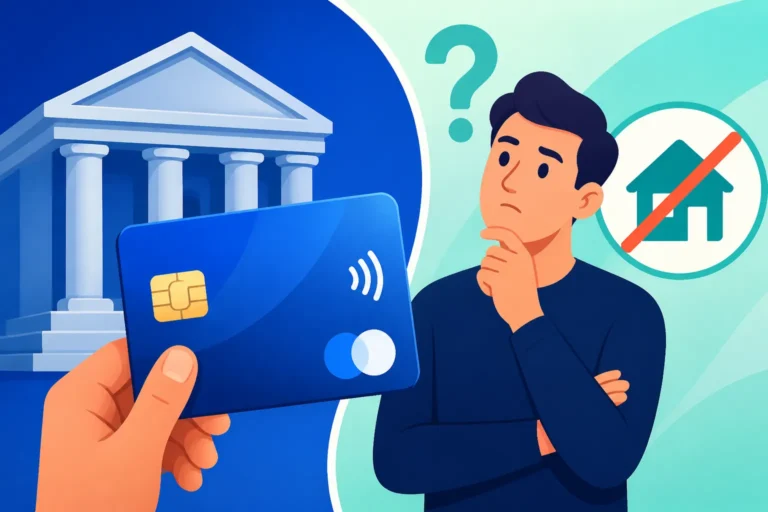
Moving to Israel often feels like stepping into a new dimension, especially when it comes to the day-to-day practicalities like paying your monthly bills. Suddenly, familiar concepts become bewildering exercises in bureaucracy and translation. You’re trying to navigate everything from electricity to internet, and the last thing you want is a missed payment, a disconnected service, or an unexpected fine. This comprehensive guide is here to walk you through the ins and outs of setting up direct debits, or Hora'at Keva, for your bills in Israel, making sure you can focus on enjoying your life here rather than stressing over due dates.
Understanding Hora'at Keva (Direct Debit) in Israel
Let's be honest, the Israeli administrative system can be a bit of a labyrinth, especially for newcomers. In many countries, setting up recurring payments is a simple online click. Here, it can sometimes feel like you need a secret handshake and a fluency in bureaucratic Hebrew. This is where Hora'at Keva (הוראת קבע), or direct debit, steps in as a true lifesaver for expats and new immigrants alike.
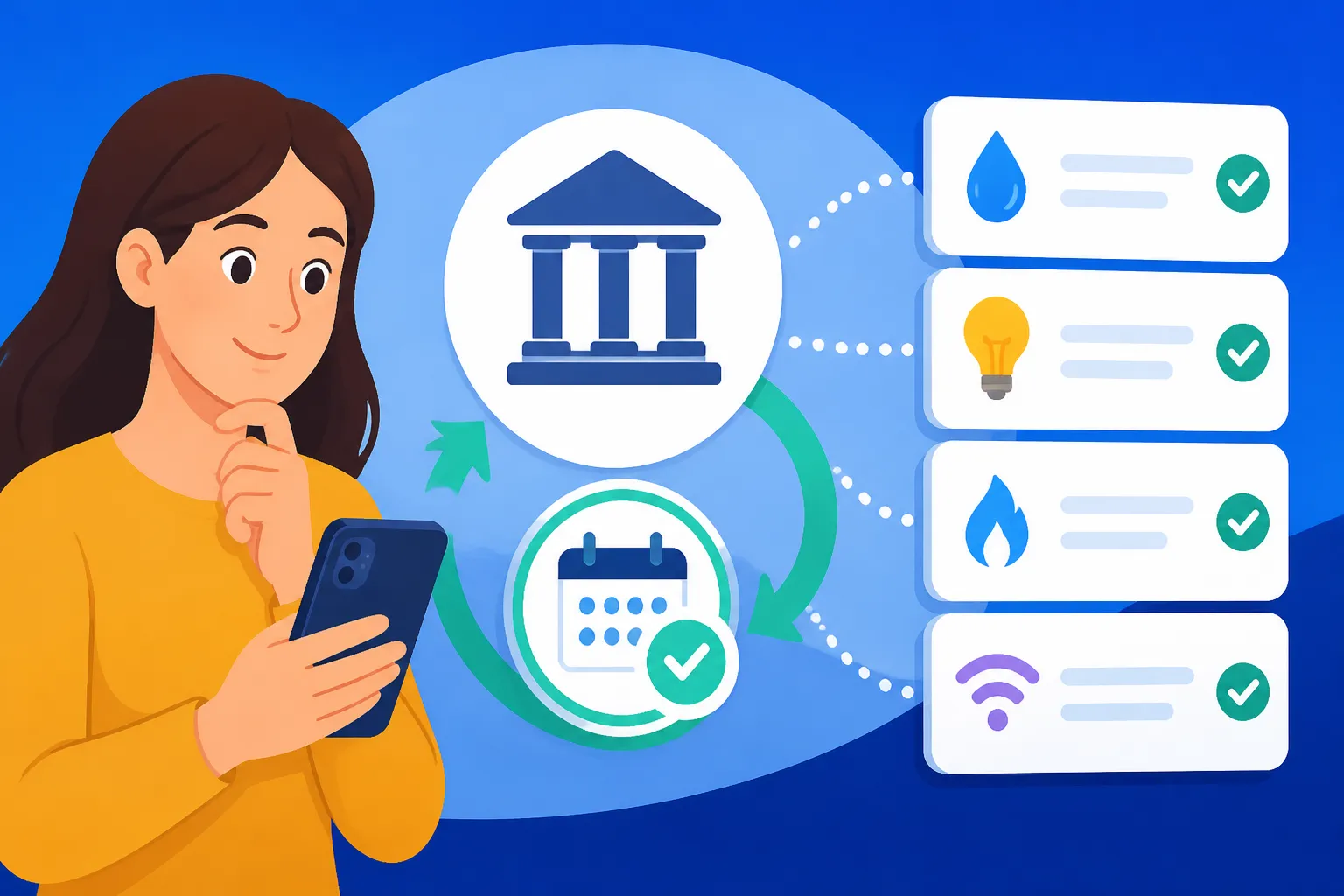
A Hora'at Keva is essentially an instruction you give to your bank to allow a specific company or service provider to automatically withdraw funds from your account on a regular basis to cover your bills. Think of it like the "auto-pay" feature you might be used to from back home, but with a slightly more formal, Israeli twist. This mechanism is incredibly common here for virtually all recurring expenses, from your electricity and water to your internet, mobile phone, municipal taxes, and even some insurance payments.
Why Direct Debits are Essential for Expats
For us expats, the importance of setting up direct debits cannot be overstated. When you first arrive, you're juggling so much: learning Hebrew, finding your way around, trying to understand local customs, and figuring out your new banking system. The last thing you need is to constantly remember payment deadlines for a myriad of bills that might arrive as intimidating Hebrew documents.
Missed payments are not just an inconvenience; they can lead to late fees, service interruptions, and a general headache that you absolutely don't need. Imagine your internet suddenly cutting out because you misunderstood a bill, or worse, finding yourself without electricity during a hot summer week. These aren't just hypothetical scenarios; they are real frustrations many of us have faced. A Hora'at Keva takes that stress away, automating the process so your bills are paid on time, every time, without you having to lift a finger or decipher a single word of dense Hebrew legalese. It’s about peace of mind and reducing the mental load of daily life in a new country.
Common Uses for Hora'at Keva
You'll find that direct debits are the preferred payment method for most major service providers and institutions in Israel. Here's a quick rundown of where you'll most likely encounter and use them:
- Utility Bills: This is probably the biggest one. Your electricity bill from Chevrat HaHashmal (the Israel Electric Corporation), your water bill, and even your gas bill (if you use natural gas) are almost universally paid via Hora'at Keva. It ensures continuous service and avoids the hassle of manual payments. For more on this, you might find our guide on The Expat Guide to Setting Up Utilities in Israel incredibly useful.
- Municipal Taxes (Arnona): Every resident in Israel pays Arnona, a municipal property tax. This is typically a monthly or bi-monthly payment that's best handled through direct debit to avoid late penalties from your local council. Check out our detailed article on Understanding Arnona Municipal Property Tax in Israel for more specifics.
- Telecommunications: Your mobile phone provider (like Partner, Cellcom, or Pelephone) and your home internet and TV providers (like Partner, HOT, or Bezeq) will almost certainly offer and encourage Hora'at Keva. It's the most convenient way to keep your essential communication services running smoothly. If you're looking for help getting connected, our piece on How to Set Up Home Internet and TV in Israel has you covered.
- Health Funds (Kupot Holim): While your basic national health insurance contributions are often deducted by your employer or paid directly to Bituach Leumi, any supplementary insurance (Bituach Mashlim) or private health plans you opt for through your Kupat Holim (Clalit, Maccabi, Meuhedet, Leumit) can also be paid via direct debit.
- Rent Payments: In some rental agreements, especially with larger management companies, your landlord might request a Hora'at Keva for your monthly rent. Always double-check your rental contract (Chozeh Schirut) for payment terms.
It's clear that Hora'at Keva is deeply embedded in the financial fabric of daily life in Israel, making it an indispensable tool for anyone trying to settle in.
Step-by-Step Guide to Setting Up a Direct Debit
Alright, now that you understand why direct debits are so crucial, let's get down to the nitty-gritty of how to actually set them up. This process can sometimes feel daunting due to language barriers or unfamiliar banking procedures, but I promise, it's manageable once you know the steps.
What You'll Need
Before you even think about setting up a Hora'at Keva, gather these essential documents and pieces of information:
- Israeli Bank Account Details: This is non-negotiable. You’ll need your bank name, branch number (mispar snif), and your bank account number (mispar cheshbon). If you're still navigating the banking system, our guide on The Expat Guide to Opening a Bank Account in Israel is a great place to start, and specifically What Documents Do I Need to Open a Bank Account in Israel? might be helpful.
- Your Israeli ID (Teudat Zehut): Your national ID number is vital for identification purposes with both your bank and the service provider. If you're a new Oleh (immigrant), you'll likely have a Teudat Oleh or a temporary Teudat Zehut immediately after How Do I Get a Teudat Zehut After Making Aliyah?.
- Service Provider Details: You'll need the exact name of the company or institution you're paying, along with your customer number (mispar לקוח or mispar zihuy) for that specific service. This number is usually found on any bill or statement they've sent you.
- An Existing Bill or Reference Number: Sometimes, the service provider or bank will ask for a recent bill as proof or to cross-reference the account. Having one handy, even if it's in Hebrew, can expedite the process.
Methods of Setup: Bank vs. Service Provider
There are generally two main routes to setting up a Hora'at Keva, and understanding both can save you a lot of time and frustration.
Setting Up Through Your Bank
This is often the most direct and reliable method, as it involves instructing your bank directly.
- Online Banking/Mobile App: Most major Israeli banks, like Bank Hapoalim, Bank Leumi, or Discount Bank, now have excellent online banking portals and mobile apps. Many offer English interfaces, which is a huge relief! Look for a section related to "Direct Debits" or "Hora'at Keva." You'll typically enter the service provider's code (which you can often find on their website or a bill), your customer number, and the maximum amount you're willing for them to withdraw per period (a safety feature, though often set very high). If you need help with this, our guide on How Do I Set Up Online Banking and Transfers in Israel? can walk you through the basics.
- Visiting a Bank Branch: If you prefer face-to-face interaction, or if your online banking isn't cutting it, you can visit your local bank branch. Be prepared for a bit of a wait, especially during peak hours. Bring all the documents listed above. Politely ask for assistance in English if you're not comfortable speaking Hebrew. The bank representative will guide you through filling out a Tofes Hora'at Keva (direct debit form). It's a physical form where you authorize the bank to process payments to a specific service provider. They'll submit it on your behalf.
- Phone Banking: Some banks also offer phone services where you can set up direct debits. This can be challenging if you're not fluent in Hebrew, but many banks have English-speaking customer service representatives available, especially at international call centers.
Setting Up Through the Service Provider
Sometimes, it's easier to initiate the direct debit directly with the company you're paying. They will then send the authorization request to your bank.
- Company Website: Many major Israeli companies, like the Israel Electric Corporation or larger internet providers, have dedicated sections on their websites where you can manage your payment methods. Look for options like "הוראת קבע" or "הסדר תשלום" (payment arrangement). You'll usually input your bank details and customer number directly.
- Phone Call to Customer Service: You can call the service provider's customer service line. Again, ask for an English speaker if needed. Be ready with your customer number and bank details. They'll take your information over the phone and process the request.
- Physical Office: For some services, or if you're really struggling with online or phone methods, you might need to visit their physical office. For example, if you're sorting out your water bill with the local water corporation, they might have a desk where you can set up Hora'at Keva.
Important Note on Confirmation: Regardless of how you set it up, always follow up. If you did it through your bank, confirm with the service provider that they've received the authorization. If you did it through the service provider, check your bank account or call your bank to ensure the Hora'at Keva has been registered. This redundancy is key to avoiding future headaches.
Here's a quick comparison of the two main setup methods:
| Feature | Setting Up Via Bank | Setting Up Via Service Provider |
|---|---|---|
| Control | Direct control over authorization | Authorization initiated by provider |
| Ease for Expats | Often easier due to English online interfaces | Can be harder due to Hebrew-only websites/phone support |
| Documents | Bank details, service provider ID/code | Bank details, your customer ID with the provider |
| Confirmation | Bank confirms to you; you confirm with provider | Provider confirms to you; you confirm with bank |
| Common Use | General bills (utilities, Arnona, comms) | Specific services (e.g., new internet connection) |
| Timeframe | Usually 2-5 business days to activate | Can be slightly longer as it's a two-step process |
When you're trying to fund your Israeli bank account to ensure you have enough for these direct debits, especially if your income is coming from abroad, services like Wise can be incredibly helpful for making international money transfers at competitive rates. It helps to ensure your shekel account is topped up to cover all your financial obligations in Israel.
Managing and Cancelling Your Hora'at Keva
Setting up direct debits is one thing, but knowing how to manage and, if necessary, cancel them is just as important. Life in Israel is dynamic, and your services or financial arrangements might change, requiring you to adjust your Hora'at Keva.
Viewing Your Existing Direct Debits
The easiest and most reliable way to see all your active direct debits is through your bank's online banking portal or mobile app. This is where you have a consolidated view of all authorizations linked to your account.
- Online Banking: Log into your bank's website. Navigate to the section usually called "Hora'at Keva" or "Direct Debits" (sometimes under "Payments" or "Account Management"). Here, you'll see a list of all companies authorized to withdraw funds from your account, along with their assigned codes and sometimes the maximum authorized amount.
- Mobile App: Similar to online banking, your bank's mobile app typically has a dedicated section for managing direct debits. It's often more user-friendly and convenient for quick checks.
Regularly checking this list is a good habit. It allows you to:
- Spot unauthorized payments: Although rare, it's good to ensure no rogue direct debits exist.
- Confirm active payments: Ensure that a Hora'at Keva you set up actually went through and is active.
- Identify old, no-longer-needed payments: If you've cancelled a service, but the Hora'at Keva is still active (even if no money is being withdrawn), it's good practice to cancel it.
Cancelling a Direct Debit
There are a few scenarios where you might need to cancel a Hora'at Keva – perhaps you've switched internet providers, sold a car, or simply want to change your payment method.
Cancelling Through Your Bank
This is generally the most effective way to ensure a direct debit is stopped, as you are directly revoking the authorization from the source.
- Online Banking/Mobile App: Most Israeli banks allow you to cancel a Hora'at Keva directly through their online portal or app. Find the relevant direct debit in your list, and there should be an option to "Cancel" (ביטול). You might be asked to confirm with a code sent to your phone. The cancellation usually takes effect immediately or within one business day.
- Bank Branch Visit: If you prefer, or if the online option isn't available, you can visit your bank branch and inform a representative that you wish to cancel a specific Hora'at Keva. They will help you fill out the necessary form.
- Phone Banking: You can also call your bank's customer service and request a cancellation over the phone. Make sure to get a confirmation number or email.
Cancelling Through the Service Provider
While you can often request cancellation directly from the service provider, it's generally best to also cancel it via your bank. Why? Because the service provider might take a few days to process your request, or there might be a miscommunication. By cancelling through your bank, you ensure that no further withdrawals can be made from your account for that specific service, regardless of the provider's actions.
If you do cancel through the service provider (e.g., when closing an account with them), always get written confirmation of the cancellation and then cross-reference it with your bank's list of active Hora'at Keva to ensure it's truly gone.
What to Do If There's an Incorrect Charge or Dispute
Mistakes happen, even in the best systems. If you see an incorrect charge or a withdrawal for a service you've cancelled, here's what to do:
- Contact the Service Provider First: The first step should always be to contact the company that made the charge. Explain the situation, provide them with your customer number and the transaction details, and ask for a refund. It's often quicker to resolve directly.
- Contact Your Bank: If the service provider is unresponsive or unhelpful, contact your bank. You can dispute a direct debit transaction. Your bank has the power to reverse unauthorized or incorrect charges, especially if you have proof that the service was cancelled or the charge is erroneous. There might be a time limit for disputing transactions, so act quickly.
- Keep Records: Always keep records of your communications, confirmation numbers, and any written correspondence regarding direct debits, cancellations, or disputes. This is your leverage if things go wrong.
Remember, once a Hora'at Keva is cancelled, you are responsible for finding an alternative payment method for that bill. Don't assume the service provider will automatically switch you to another method. Always verify. For instance, if you're trying to cover bills like How Do I Set Up Direct Debit for Electricity Bills in Israel?, make sure you have a new method in place once you cancel the old one.
Common Challenges and Tips for Expats
Navigating the Israeli financial system as an expat comes with its unique set of challenges. Direct debits, while incredibly helpful, are no exception. But don't worry, with a few tips and a bit of foresight, you can sail through these waters relatively smoothly.
Language Barriers and Seeking Help
This is perhaps the most significant hurdle for many new arrivals. The banking system, like much of Israeli bureaucracy, primarily operates in Hebrew.
- English-Speaking Staff: Thankfully, most major banks in Israel, especially in larger cities like Tel Aviv, Jerusalem, and Haifa, have English-speaking staff. When you visit a branch, don't hesitate to ask if someone can assist you in English. Over the phone, look for options for English service (often by pressing a specific number early in the call menu).
- Online and App Interfaces: As mentioned, many banks offer English versions of their online banking platforms and mobile apps. Make sure to switch the language setting if available. This significantly simplifies the process of setting up and managing your Hora'at Keva.
- Friends, Family, or Consultants: Don't be too proud to ask for help! If you have Israeli friends, family members, or even a trusted Oleh (new immigrant) consultant, they can be invaluable in helping you translate documents, make phone calls, or even accompany you to the bank. Organizations dedicated to Aliyah (immigration to Israel) often have resources or volunteers who can assist with these administrative tasks.
Ensuring Sufficient Funds
This might seem obvious, but it's crucial. Direct debits will fail if there isn't enough money in your account on the payment date, leading to bounced payment fees from your bank and late payment penalties from the service provider.
- Regular Monitoring: Get into the habit of regularly checking your bank balance, especially around the middle and end of the month when most bills tend to be withdrawn.
- Budgeting: Understanding the cost of living will help you budget effectively. Factor in all your regular direct debit payments.
- Funding Your Account: If you receive income from abroad, make sure you have a reliable and cost-effective way to transfer funds to your Israeli bank account. Services like Wise are popular among expats for international money transfers, allowing you to convert currency at good rates and get your funds into shekels efficiently to cover your bills.
Dealing with Changes in Bank Accounts or Service Providers
Life changes, and so might your financial arrangements.
- Changing Bank Accounts: If you decide to How Do I Switch Banks in Israel? or open a new account, you'll need to manually update all your direct debits to point to the new account. This is a crucial step that many forget, leading to missed payments. Go through your list of existing Hora'at Keva from your old bank and set them up anew with your new bank.
- Switching Service Providers: When you change, say, your internet provider, remember to cancel the Hora'at Keva with the old provider (via your bank) and then set up a new one with your new provider. This seems straightforward, but it's a common oversight.
Checking Statements Regularly
Even with direct debits set up, it's good practice to review your bank statements and the bills from your service providers.
- Spotting Errors: You might catch an incorrect charge, a double payment, or a bill that seems unusually high.
- Understanding Consumption: For utilities like electricity and water, reviewing your bills helps you understand your consumption patterns and potentially identify ways to save money.
- Keeping Track: It gives you a clear overview of your monthly expenses, helping with personal financial management.
By being proactive and understanding these nuances, you can master the art of direct debits in Israel and ensure your financial life runs as smoothly as possible. While it might feel like a hurdle initially, the convenience and peace of mind a well-managed Hora'at Keva system provides are truly invaluable for any expat building a life in Israel.
Disclaimer
The information provided in this guide is for general informational purposes only and does not constitute financial, legal, or professional advice. While we strive to keep the information accurate and up-to-date, processes and regulations in Israel can change. Always consult with your bank, relevant service providers, or a qualified professional for advice tailored to your specific situation.