The Complete Guide to Making Aliyah: Your First 90 Days in Israel (2027)
Stepping off the plane at Ben Gurion, a wave of emotions hits you – elation, anticipation, and let's be honest, a hefty dose of "what on earth have I just done?" Making Aliyah, the act of immigrating to Israel under the Law of Return, is a monumental life decision, often romanticized but rarely portrayed in its full, complex glory. This guide isn't about the grand philosophical journey; it’s about the nitty-gritty, frustrating, and ultimately rewarding administrative marathon of your first 90 days as a new Oleh (immigrant) in Israel, offering practical, boots-on-the-ground advice from someone who’s navigated the maze.
Before You Even Land: Pre-Aliyah Preparation is Key
The truth is, your Aliyah journey doesn't begin when your flight touches down; it starts long before, with a mountain of paperwork and logistical puzzles that can make even the most organized person feel like they're herding cats. Ignoring these steps before you leave can lead to significant headaches and delays once you're here, turning exciting first weeks into stressful bureaucratic battles. Trust me, a little preparation goes a very long way in smoothing out those initial bumps.
Getting Your Documents in Order: The Paperwork Marathon
Before you even think about packing that last suitcase, you absolutely must get your documents sorted. This isn't just about showing up with your passport; it's about having every conceivable piece of paper ready for the Israeli bureaucracy, which, bless its heart, loves its paperwork. Think of it as your personal aliyah 'sleeve', a folder so thick it could stop a small bullet. We’re talking birth certificates, marriage certificates, divorce decrees, Jewish documentation (like a ketubah or rabbinical letter), academic transcripts, professional licenses, and medical records. And here’s the kicker: everything needs to be original or certified copies, often translated into Hebrew or English by an approved notary, and apostilled if coming from certain countries. It’s a tedious process, but having it all organized will save you tears later. Imagine needing a specialist referral only to find your foreign medical history is a black hole – it happens!
Another crucial aspect is financial documentation. While the initial stages don't always demand detailed bank statements, having proof of funds, especially if you're not arriving with a job lined up, can be reassuring for both you and any officials you might encounter. This includes statements from your home country bank accounts, investment portfolios, and any other assets. Don't forget copies of your previous tax returns – you never know when the Israel Tax Authority will ask for them, particularly if you're benefiting from the new immigrant tax exemptions. Lastly, ensure you have multiple passport photos in the required Israeli size, which can differ from your home country’s standard. You’ll be surprised how many times you’ll need them.
Packing Smart and Shipping Your Belongings: The Logistics Nightmare
Deciding what to bring and what to leave behind is a truly agonizing process. My advice? Less is usually more, but don't underestimate what you'll genuinely need to feel settled. Shipping your belongings can be a significant cost and a major source of stress. You'll need to choose between sea freight, which is cheaper but takes weeks or even months, and air freight, which is faster but pricier. Many Olim use specialized companies that understand the unique customs procedures for new immigrants, like Sirelo, which can help you compare options. They often offer door-to-door service, managing the customs clearance once your goods arrive.
When packing, consider Israel’s climate – mostly hot! You won’t need nearly as many heavy sweaters as you think. Think about what truly brings you comfort and makes a space feel like home. Is it your favorite coffee maker? That special duvet? Bring it. But for bulky furniture or appliances, often it’s more cost-effective to buy new or second-hand once you’re here, especially since Israeli appliances operate on 230V and a different plug type. Create a detailed inventory list of everything you're shipping. This isn't just for insurance; it's essential for Israeli customs. They will want to see it, and any discrepancies can cause significant delays and even additional charges. Keep essential documents, some immediate cash, and a few days' worth of clothes in your carry-on luggage. You don't want to be caught without essentials if your main bags are delayed.
Financial Planning and Initial Funds: Shekels and Sense
Before you even step on the plane, get a solid grip on your finances. Israel is not a cheap country, and those first few weeks and months are often the most financially challenging. You’ll be spending money before you even have a local income. Start by researching the cost of living in Israel for expats to get a realistic picture. This includes everything from rent and utilities to groceries and transportation. Have enough accessible funds to cover at least three to six months of expenses without any income. This financial cushion will alleviate immense stress and allow you to focus on integration rather than panic about rent.
Consider how you’ll access money upon arrival. While bringing a decent amount of cash (within legal declaration limits) is wise for immediate expenses, you'll primarily rely on international debit/credit cards until your Israeli bank account is fully operational. Be aware of foreign transaction fees charged by your home bank, as these can quickly add up. Some olim find success with multi-currency travel cards for initial spending. You’ll also want to start thinking about your long-term financial strategy. New immigrants are often eligible for significant tax benefits under the Oleh Chadash 10-Year Tax Exemption in Israel, but understanding these complexities can be daunting, so it's wise to consult with an Israeli tax advisor sooner rather than later. Don't forget to budget for unexpected costs – because in Israel, there will always be unexpected costs. From unforeseen bureaucratic fees to needing a taxi when public transport isn't cutting it, having a buffer is crucial.
Touchdown in Israel: First Steps and Initial Bureaucracy
The moment your feet hit Israeli soil, a whirlwind of new experiences begins, and with it, the first crucial bureaucratic hurdles of your Aliyah. While often exciting, this initial phase can also feel overwhelming. But don’t worry, thousands have done it before you, and you will too.
Ben Gurion Airport and Your Teudat Oleh: The Welcome Committee
For most Olim, Ben Gurion Airport (TLV) is your official gateway. This isn't just an airport; it's where your Aliyah officially begins. As a new oleh, you generally bypass the regular passport control lines and head to a dedicated Aliyah counter. Here, representatives from Misrad HaKlita (Ministry of Aliyah and Integration) and sometimes the Jewish Agency or Nefesh B'Nefesh will process your initial documents. This is where you'll receive your first taste of official Israeli identity: your Teudat Oleh (Immigrant Certificate) and your temporary Teudat Zehut (Israeli ID card). This little paper slip is gold – it’s your immediate proof of new immigrant status and unlocks a host of benefits.
The staff at Ben Gurion are usually experienced with Olim and can speak multiple languages, often including English. Don't be afraid to ask questions, even if you feel rushed. Double-check all the information on your new documents before you leave the counter. Ensure your name, date of birth, and Aliyah date are correct. This is also the point where you should receive your initial cash payment from the Sal Klita (absorption basket), which is typically given in cash or loaded onto a debit card right then and there. It's a small but incredibly helpful sum to cover your immediate needs like transport from the airport, a first meal, and perhaps an Israeli SIM card. Take a moment to breathe it all in. You've made it.
Activating Your Israeli Identity: Teudat Zehut and Misrad HaPnim
Getting your official Teudat Zehut (permanent identity card) is one of the most important tasks in your first 90 days. This card is your key to almost everything in Israel – opening a bank account, registering for healthcare, getting a job, and even sometimes just picking up a package. Your temporary ID from the airport is good for a short period, but you’ll need to book an appointment at the Misrad HaPnim (Ministry of Interior) to get the biometric plastic card. Good luck trying to walk in without an appointment; those days are long gone. Booking an appointment can be a real pain, sometimes requiring multiple attempts or calling a central booking line.
When you go to the Misrad HaPnim, make sure you have all your original documents with you, including your Teudat Oleh, passport, and any relevant marriage or birth certificates. They’ll take your fingerprints and a photo. Be prepared for a wait, even with an appointment. The Misrad HaPnim is legendary for its inefficiency, so bring a book, a fully charged phone, and a healthy dose of patience. Once processed, your biometric Teudat Zehut will be mailed to your registered address – which is why establishing a temporary address is so vital early on. Learning how to Get a Teudat Zehut and Tax File Number in Israel is an absolute must-do in these early days, as these two pieces of identification are foundational for all further administrative processes.
The All-Important Israeli SIM Card: Staying Connected
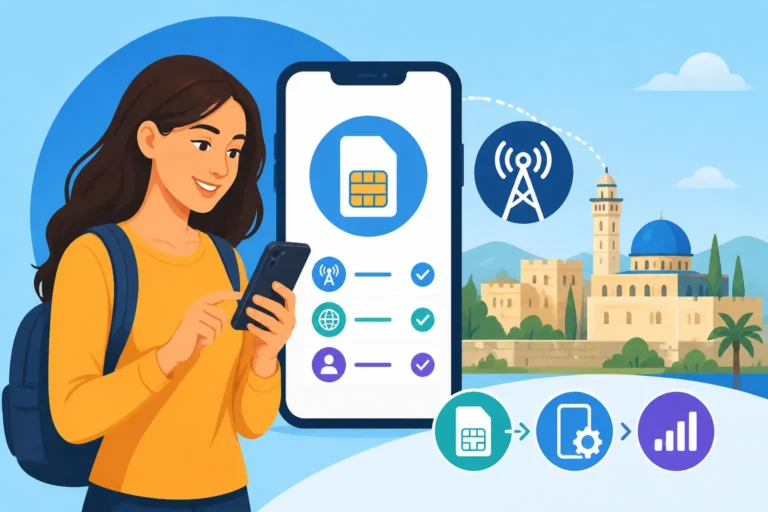
The moment you land, you'll want to get connected. Having a working phone number is crucial for booking appointments, contacting potential landlords, and just staying in touch with family back home. While you might initially use an international roaming plan, it will quickly become prohibitively expensive. Getting an Israeli SIM card is one of the first things you should do, ideally at the airport or at a local cellular store shortly after.
There are several major mobile providers in Israel, including Cellcom, Partner, Pelephone, and a few smaller MVNOs (mobile virtual network operators) like Golan Telecom or Hot Mobile. Many offer prepaid options or monthly plans without a long-term commitment, which are ideal for new Olim who might not have a bank account set up yet. Simply walk into a store with your passport and temporary Teudat Zehut, choose a plan, and they’ll usually activate it on the spot. Some Olim opt for an eSIM from services like Airalo for immediate connectivity upon landing, allowing them to activate a local plan digitally while still using their home country's physical SIM for certain contacts. This provides a temporary solution until you can get a long-term Israeli SIM. Having an Israeli number makes it much easier to coordinate appointments, as many businesses and services here prefer a local contact.
Settling In: Housing, Healthcare, and Hebrew
Once the initial adrenaline of arrival settles, the reality of everyday life kicks in. Finding a place to live, sorting out your healthcare, and starting to learn the local language are the pillars of truly settling into your new home.
Finding Your First Home: The Rental Rollercoaster
Finding suitable accommodation is often one of the most stressful parts of Aliyah. Unless you arrive with pre-arranged housing (e.g., in an absorption center or through a specific program), you’ll be thrown into the Israeli rental market. This market can be competitive, particularly in popular cities like Tel Aviv and Jerusalem. Many landlords require an Israeli guarantor, which can be challenging for new Olim. Be prepared to pay a significant deposit (often 1-3 months' rent) and provide post-dated checks for the entire year's rent – a common, though sometimes negotiable, practice here.
Start your search online through local Israeli real estate websites (e.g., Yad2, homeless.co.il) and Facebook groups dedicated to rentals for English speakers or Olim. Consider using a real estate agent (metavech), but be aware they typically charge a commission of one month's rent plus VAT. Before signing anything, read the contract carefully, preferably with the help of a Hebrew speaker or a lawyer. Understand what's included (utilities, Arnona/municipal tax, vaad bayit/building fees) and what isn't. Remember, The Complete Guide to Renting an Apartment in Israel (2026) offers invaluable detailed advice. Try to secure at least a short-term rental for your first few weeks, allowing you more time on the ground to find a long-term solution without feeling rushed.
Navigating the Healthcare System: Kupat Holim Choices
Healthcare in Israel is a fundamental right for its citizens and permanent residents, including new Olim. Once you have your Teudat Oleh and Teudat Zehut, registering with one of the four public health funds (Kupot Holim) is a top priority. These are Clalit, Maccabi, Meuhedet, and Leumit. Each offers the same basic "health basket" of services mandated by law, but they differ in clinics, doctors, and supplementary insurance plans.
You generally choose a Kupat Holim based on where you live, which clinics are nearby, and which doctors are available. Many new Olim find it beneficial to choose a Kupah that has clinics with English-speaking staff or doctors, especially during those initial months when Hebrew is still a struggle. Registering is usually straightforward: visit a local branch with your Teudat Zehut and Teudat Oleh. It's often recommended to do this as soon as possible, as there can be a waiting period for new Olim to fully access all health services, though emergency care is always available. Learning how to Register with a Kupat Holim as a New Immigrant in Israel is a critical step, as is consulting The Complete Guide to Healthcare in Israel for Olim and Expats (2026) for a full overview. Don't put this off – your health is paramount.
Starting Your Ulpan Journey: Embracing Hebrew
Learning Hebrew is, without a doubt, the single most impactful thing you can do to integrate into Israeli society. Ulpan, the intensive Hebrew language school designed for new immigrants, is heavily subsidized or even free for Olim. It's not just about learning a language; it's a cultural immersion and a fantastic way to meet other new immigrants from around the world. There are different levels and types of Ulpan, from intensive morning programs to evening classes.
Sign up for an Ulpan as soon as you can. Your Misrad HaKlita coordinator can help you find options near your home. While some Olim initially postpone Ulpan due to work or family commitments, those who dive in early often find the transition much smoother. Don't be intimidated if you feel like you're not picking it up quickly; everyone learns at their own pace. The goal isn't immediate fluency but making an effort. The Israeli people generally appreciate any attempt to speak their language, even if it's just a few words. For those looking to dive deeper, exploring how to Enrol in an Ulpan Hebrew Course in Israel will provide all the necessary details and options.
Financial Foundations: Banking and Benefits
Your financial life in Israel starts with more than just having money; it's about setting up the necessary infrastructure to manage it within the Israeli system. This means banking, understanding your benefits, and getting acquainted with local financial contributions.
Opening Your Israeli Bank Account: Money Matters
This is one of those tasks that feels deceptively simple in your home country but can be a real headache as a new immigrant in Israel. You need an Israeli bank account to receive your salary, pay bills, and manage your day-to-day finances. The major banks are Bank Hapoalim, Bank Leumi, Discount Bank, Mizrahi Tefahot, and First International Bank. While theoretically, you can open an account with just your passport and Teudat Oleh, many branches will insist on a permanent Teudat Zehut and proof of address.
Expect a fair amount of bureaucracy. You might be asked for a reference letter from your previous bank, proof of income, or even a local guarantor. It’s a good idea to bring all the documents you have! Some branches, particularly in larger cities like Tel Aviv or Jerusalem, are more accustomed to dealing with Olim and may have English-speaking staff. Be patient, persistent, and don't be afraid to try a different branch or even a different bank if you encounter roadblocks. Once open, you'll typically get a debit card, and after a few months of good activity, you might be eligible for a credit card. The Expat Guide to Opening a Bank Account in Israel offers a comprehensive walkthrough of this process. It’s also worth asking about any specific benefits or reduced fees offered to new immigrants.
Understanding Your Sal Klita: The Absorption Basket
The Sal Klita (Absorption Basket) is a financial aid package provided by the Ministry of Aliyah and Integration to eligible new Olim to help with initial integration costs. This typically includes an initial payment at the airport, followed by monthly payments over several months. The amount and duration depend on your family status (single, couple, family with children) and age. This money is designed to help cover rent, groceries, and other living expenses during your first few months while you look for work and settle in.
While it's not a fortune, the Sal Klita is a vital lifeline. Make sure you understand how the payments are structured and when you can expect them. You’ll need to set up direct deposit to your new Israeli bank account for the monthly installments. Your Misrad HaKlita coordinator at the airport or at a local office can provide detailed information specific to your situation. It's important to budget this money wisely, as it's intended to bridge a gap, not cover all your expenses indefinitely. Knowing what the Sal Klita (Absorption Basket) and Who Gets It entails can help you plan your initial budget more effectively.
Initial Bituach Leumi Contributions: National Insurance Basics
Bituach Leumi, Israel's National Insurance Institute, is a comprehensive social security system that provides a wide range of benefits, including health insurance, maternity benefits, unemployment, and old-age pensions. As a new immigrant, you are generally required to start making Bituach Leumi contributions as soon as you become an Israeli resident (i.e., when you make Aliyah).
For Olim who are not yet working or are self-employed, there's usually an initial period where contributions are paid at a reduced rate or are covered by the Ministry of Aliyah and Integration. After this initial period, or if you start working, you will be responsible for your contributions. If you are employed, your employer will deduct Bituach Leumi from your salary. If you are self-employed, you will need to register with Bituach Leumi as an atzmai (self-employed person) and make payments directly. Failing to pay Bituach Leumi contributions can jeopardize your access to public healthcare and other benefits down the line. It's a critical, though often overlooked, administrative step.
Getting Around and Staying Connected
Navigating your new surroundings and maintaining communication with the outside world are crucial for both practical purposes and mental well-being. Israel offers a mix of transportation options, and staying digitally connected is non-negotiable in modern life.
Public Transportation: Rav-Kav and Beyond
Israel has a pretty decent public transportation system, especially in and between major cities. Buses are the most widespread, operated by companies like Egged and Dan. There’s also Israel Railways (Rakevet Yisrael) connecting many cities from Nahariya in the north to Be'er Sheva in the south, with a rapidly expanding network. Taxis are plentiful, and ride-sharing apps like Gett and Yango are popular.
The key to using public transport efficiently is the Rav-Kav card. This is a reloadable smart card that you can use on all buses, trains, and light rail systems (like in Jerusalem and the Tel Aviv area). You can get a personalized Rav-Kav at central bus stations or train stations by showing your Teudat Zehut. Once you have it, you can load money onto it or purchase weekly/monthly passes, often with new immigrant discounts. You can also download apps like Moovit or Google Maps for real-time bus and train schedules. Remember that public transport largely shuts down for Shabbat (Friday evening to Saturday evening), so plan accordingly! Understanding the Rav-Kav Card and Public Transport in Israel is a must-read for any newcomer.
Getting Your Israeli Driving License: If You Dare
If you're accustomed to driving, you might want to consider getting an Israeli driving license. For new Olim, the process is generally streamlined. If you hold a valid driving license from your country of origin, you can usually convert it to an Israeli one within a year of your Aliyah date without needing to take a full driving test. The exact process involves an eye exam, a visit to the Misrad HaRishui (Vehicle Licensing Office), and sometimes a single practical driving lesson (called a "test" or "minihug") with an Israeli driving instructor.
This 'test' is less about proving your driving skills from scratch and more about demonstrating you understand Israeli road rules and drive safely on local roads, which can be… spirited, to say the least. Bring your foreign license, passport, Teudat Zehut, and a form called "Tofes Yarok" (green form) from an optician. Don't procrastinate on this; after one year from your Aliyah date, you might be required to take a full theoretical and practical driving test, just like a new driver. Exploring how to Convert Your Foreign Driving Licence in Israel will give you all the specific requirements and steps. Driving in Israel takes some getting used to – be prepared for aggressive drivers, unexpected turns, and unique parking challenges!
Staying Connected: Internet and Mobile Plans
Beyond your personal phone, setting up home internet is essential. Israel has a robust internet infrastructure, with fibre optic options becoming increasingly available in major cities. You'll typically need to choose an infrastructure provider (like Bezeq or HOT) and an internet service provider (ISP, like Partner, Cellcom, or 012 Smile). Sometimes, these can be bundled.
When choosing a provider, compare speeds, prices, and customer service. As a new Oleh, finding a company with English-speaking support can make a huge difference, especially if you encounter technical issues. Setting up can sometimes take a few days, requiring a technician visit, so it’s not always immediate. For those who rely on a constant connection, a portable Wi-Fi hotspot or a robust mobile data plan can be a good interim solution. And let’s not forget about television – many internet providers offer TV packages, or you can opt for streaming services. For a deep dive into connecting your home, check out how to Set Up Home Internet and TV in Israel.
Beyond the Basics: Social Integration and Support
Aliyah is more than just administrative tasks; it’s about building a new life and finding your place in a new society. The human element, the social connections, and understanding the local rhythm are just as crucial as any government form.
Finding Community and Support Networks
Loneliness can be a real challenge for new immigrants, even in a vibrant country like Israel. Proactively seeking out community is vital. There are countless organizations, both religious and secular, dedicated to supporting Olim. Look for Facebook groups for Olim in your city or region, join local synagogues or community centers, or participate in volunteer activities. These platforms are excellent for asking questions, finding recommendations, and connecting with others who are going through similar experiences.
Misrad HaKlita offices often run social events and workshops for new Olim, and your Ulpan class will also be a natural place to form friendships. Don't underestimate the power of shared experiences. Many cities, especially Tel Aviv and Jerusalem, have active expat communities that organize meet-ups and events. Even something as simple as joining a local gym, a hobby group, or taking a class can open doors to new connections. Israelis are generally very welcoming and curious about newcomers, so don't be shy about striking up conversations.
Understanding Israeli Culture and Nuances
Israeli culture is a vibrant, eclectic mix, shaped by its history, diverse population, and unique challenges. As a new immigrant, you'll encounter a blend of directness, warmth, impatience, and incredible resilience. Don't take the sometimes-blunt communication style personally; it’s often just how Israelis interact. Punctuality is often more of a suggestion than a rule, so develop a bit of flexibility. Family and community are central, and hospitality is deeply ingrained.
You'll also need to navigate the nuances of Shabbat and holidays. Many businesses close early on Fridays and remain shut until Saturday evening, and public transportation stops. During Jewish holidays, everything can grind to a halt. Embrace the experience! Go to a Shabbat dinner, attend a holiday celebration, explore the markets (shuk), and try the incredible food. Learning about the culture through observation and participation will help you feel less like an outsider and more like a participant in Israeli life. It's a continuous learning curve, but a fascinating one.
Initial Job Search Considerations
While some Olim arrive with jobs secured, many begin their search after landing. The Israeli job market, particularly in the tech sector, is dynamic and often welcomes English speakers, but it still has its unique characteristics. Networking is incredibly important here, often more so than in other countries. Leverage LinkedIn, attend industry events, and connect with people.
For your initial job search, consider roles that utilize your English skills, such as customer support for international companies, marketing, or tech. Be prepared to adapt your CV to an Israeli format; it’s typically shorter and more direct. While Hebrew is not always mandatory, demonstrating a willingness to learn (or actively attending Ulpan) will always be a plus. Your Misrad HaKlita employment counselor can also provide guidance and resources. Remember, finding a job can take time, so having that financial cushion we discussed earlier is crucial during this phase.
Common Pitfalls and How to Avoid Them
Aliyah is a journey filled with highs and lows, triumphs and frustrations. Being aware of common challenges can help you navigate them with greater ease and maintain your sanity.
The Language Barrier and Patience
One of the biggest hurdles for many Olim is the language barrier. Even if you arrive with some Hebrew knowledge, day-to-day interactions, especially with bureaucracy, can be incredibly challenging. Forms are in Hebrew, official websites are primarily in Hebrew, and not everyone you encounter will speak English, especially outside of major cities. This can lead to moments of immense frustration, feelings of isolation, and the temptation to give up on learning.
My advice? Embrace the struggle, and be patient with yourself and others. Carry a translation app on your phone. Learn key phrases. Don't be afraid to ask for help or clarification. Most Israelis will be understanding, and many will appreciate your effort, even if your Hebrew is broken. Prioritize your Ulpan studies, but also practice every single day, whether it's ordering coffee or asking for directions. Every small interaction is a victory. The more you put yourself out there, the faster your confidence and fluency will grow.
Bureaucracy Burnout and Seeking Help
The Israeli bureaucracy is a beast of its own, notoriously slow, often inefficient, and sometimes contradictory. You will stand in lines, you will make multiple trips to the same office, and you will likely encounter confusing instructions. This can lead to serious "bureaucracy burnout," a state of exhaustion and despair that every Oleh knows intimately. From getting your Teudat Zehut to registering with a Kupat Holim, almost every step feels like a battle.
The key to survival is resilience, a sense of humor, and knowing when to ask for help. Don't try to do everything alone. Leverage the resources available to you: your Misrad HaKlita coordinator, Jewish Agency staff, Nefesh B'Nefesh advisors, and other experienced Olim in your community. There are also private Aliyah consultants who can help with specific administrative tasks for a fee. Sometimes, simply bringing a Hebrew speaker with you to an appointment can make all the difference. Remember, this isn't a reflection of your intelligence or capability; it’s just the Israeli system, and everyone struggles with it.
Managing Expectations and Embracing the Ride
The romantic ideal of Aliyah often clashes with the gritty reality of daily life. Israel is a complex country with real challenges, from high costs of living to cultural adjustments. Many Olim experience a "honeymoon phase," followed by a period of disillusionment, often called "Aliyah blues." It's a normal part of the process. Expect things to be different, challenging, and sometimes frustrating. Don't compare your new life here constantly to your old life; it's a new chapter, not a replacement.
Embrace the unexpected, the vibrant chaos, and the incredible moments of warmth and community. Celebrate small victories – successfully ordering food in Hebrew, navigating the bus system, or understanding a local joke. Be open to new experiences and friendships. Your first 90 days are just the beginning of a lifelong journey of integration and discovery. Lean on your support network, whether it’s family, friends, or other Olim. This ride is bumpy, but it’s yours, and it’s truly unique.
Aliyah Checklist: Your First 90 Days
To help you keep track of the whirlwind that is your first 90 days, here's a simplified checklist of crucial steps. Remember, some items may have overlapping requirements, so always keep your full document sleeve ready!
| Task Category | Key Actions | Required Documents | Estimated Timeframe (Post-Arrival) |
|---|---|---|---|
| Initial Arrival | Get Teudat Oleh & Temporary Teudat Zehut at Ben Gurion | Passport, Aliyah Visa, Jewish Proof Docs | Day 1 |
| Receive initial Sal Klita payment | Teudat Oleh | Day 1 | |
| Get Israeli SIM card | Passport, Teudat Oleh/Zehut | Day 1-3 | |
| Identity & Address | Book Misrad HaPnim appointment for Biometric Teudat Zehut | Teudat Oleh, Passport | Week 1-2 |
| Register your address at Misrad HaPnim (if not done for Teudat Zehut) | Teudat Zehut, rental contract/proof of address | Week 2-4 | |
| Financial Setup | Open an Israeli Bank Account | Teudat Zehut, Passport, Teudat Oleh, proof of address, sometimes past bank statements | Week 1-4 |
| Set up direct deposit for monthly Sal Klita installments | Bank details, Teudat Oleh | Week 2-6 | |
| Consult on Bituach Leumi contributions (if not employed) | Teudat Zehut | Month 1-2 | |
| Healthcare | Register with a Kupat Holim (Health Fund) | Teudat Zehut, Teudat Oleh | Week 1-4 |
| Choose a family doctor | Kupat Holim card | Week 2-6 | |
| Housing & Utilities | Secure long-term rental accommodation | Teudat Zehut, proof of income, often guarantor | Month 1-3 |
| Set up electricity, water, internet in your name | Teudat Zehut, rental contract, bank details | Month 1-3 | |
| Integration | Enrol in Ulpan (Hebrew language school) | Teudat Oleh, Teudat Zehut | Month 1-3 |
| Driving (Optional) | Begin process to convert foreign driving license | Foreign license, Teudat Zehut, eye exam, 'Tofes Yarok' | Month 1-6 |
| Employment (Ongoing) | Begin active job search | Israeli-style CV | Month 1-3 |
Disclaimer
The information provided in this guide is for general informational purposes only and does not constitute legal, financial, or medical advice. While every effort has been made to ensure accuracy as of 2026, laws, regulations, and procedures in Israel are subject to change. It is strongly recommended that you consult with official government agencies, relevant professionals (such as lawyers, accountants, or immigration advisors), and your Aliyah organization for advice tailored to your specific situation. Reliance on any information in this guide is solely at your own risk.