How to Choose a Mobile and Internet Provider in Israel
Moving to Israel is an adventure, but let’s be honest, getting your digital life sorted can feel like trying to navigate a desert without a map. The sheer number of mobile and internet providers, the jargon, and the sometimes-less-than-stellar English support can turn what should be a simple task into a major headache. This comprehensive guide is here to cut through the confusion, helping you understand the landscape and choose the best mobile and internet services for your new life in the Holy Land, ensuring you stay connected without the unnecessary stress.
Understanding the Israeli Mobile Market for Expats
When you first land in Israel, one of the most immediate needs is getting connected. Whether it’s to call a relative, check directions, or simply survive the initial bureaucratic hurdles, a functioning phone is your lifeline. The Israeli mobile market is surprisingly competitive, which is great for pricing, but the sheer number of options can be overwhelming. Don't worry; we'll break it down so you can make an informed decision.
Prepaid vs. Postpaid Plans: What's Best for You?
The first big decision you'll face is whether to go with a prepaid "talkman" (as they're often called here, a nod to the old Pelephone Talkman plans) or a more traditional postpaid contract. Each has its pros and cons, especially for newcomers.
Prepaid Plans (Talkman): Immediate but Potentially Costlier
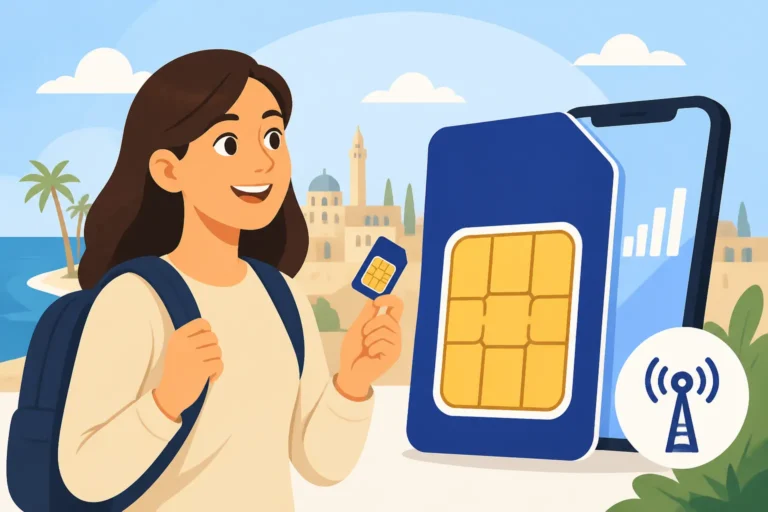
Prepaid plans are incredibly straightforward and often the go-to for tourists or new olim (immigrants) right after arrival. You buy a SIM card, load credit onto it, and use it until it runs out or expires. The beauty here is no commitment, no credit checks, and no unexpected bills. You can grab a SIM from a kiosk, a major mobile store like Cellcom or Partner, or even a corner store, top it up with varying amounts of data and call minutes, and you're good to go. This can be perfect for those first few weeks as you get settled, apply for your Teudat Zehut, and open an Israeli bank account. However, prepaid rates for data can sometimes be higher per gigabyte than postpaid plans, and managing your credit can be a bit of a hassle if you're not used to it. For someone just off the plane, a prepaid SIM is a quick fix to get connected, maybe even using an eSIM from a provider like Airalo for instant connection upon landing before you even step foot in a local store. This prevents that initial "I'm lost and disconnected" panic.
Postpaid Plans (Contracts): Better Value, but Require a Local Footing
Postpaid plans are where you'll typically find better value, especially if you plan to stay in Israel long-term. These plans usually offer more generous data allowances, unlimited calls and SMS within Israel, and often include calls to certain international destinations, all for a fixed monthly fee. The catch? You generally need an Israeli bank account for direct debit payments and a Teudat Zehut (Israeli ID card) for identification and credit checks. Many providers will also want to see some proof of address or a stable financial history, which can be tricky when you're brand new. While the paperwork might seem daunting at first, securing a postpaid plan usually means fewer headaches down the line with topping up and more predictable monthly expenses. If you're planning on being here for a while and want to properly integrate, understanding how to open an account at an Israeli bank as a foreigner and getting your address registered at the Misrad HaPnim are crucial first steps before diving into a long-term mobile contract.
Major Mobile Carriers in Israel and Their Offerings
The Israeli mobile market is dominated by a few key players, but there are also smaller, virtual network operators (MVNOs) that leverage the infrastructure of the larger companies. Here's a rundown of the main contenders:
The Big Three:
- Partner (Orange): One of the largest and oldest players, Partner offers a wide range of mobile and internet services. They're generally known for good coverage across the country and a variety of plans, including options for international calls. They have physical stores, which can be helpful for in-person support, though English proficiency can vary.
- Cellcom: Another veteran in the market, Cellcom also boasts extensive coverage and a robust network. They often have competitive deals and offer bundled packages if you're looking for both mobile and home internet. Like Partner, they have numerous service centers, which can be a relief when you need face-to-face assistance.
- Pelephone: Israel's first mobile carrier, Pelephone maintains a strong presence. They are known for their reliable network and were historically among the first to roll out new technologies. They also offer diverse plans and bundles.
The Challengers and MVNOs:
- HOT Mobile: Part of the HOT telecommunications group (known for cable TV and internet), HOT Mobile entered the market aggressively with competitive pricing. Their network coverage has improved significantly over the years, and they often have attractive deals, especially if you're bundling services.
- Golan Telecom: Golan Telecom completely disrupted the Israeli mobile market when it launched, driving down prices for everyone. They offer extremely competitive, no-frills plans with generous data and international call allowances. Their customer service is primarily online or over the phone, and while efficient, it might require a bit more self-sufficiency.
- 012 Mobile / Wecom: These are often MVNOs operating on the networks of the larger carriers (like Partner or Cellcom). They tend to offer very aggressive pricing, making them popular choices for budget-conscious users. However, their customer service might be more limited, and you might need to be comfortable handling most issues online or through an app.
When comparing these, consider not just the price but also the network coverage in the specific areas you frequent (home, work, common travel routes) and the availability of English-speaking customer support.
Unlocking Your Phone and eSIM Options
Before you even think about buying a local SIM, make sure your existing phone is unlocked. Most phones purchased outside of Israel, especially from carriers in North America, might be "locked" to their original network. You'll need to contact your current carrier to unlock it before you can use an Israeli SIM card. This is a crucial step that many expats overlook, leading to frustration upon arrival.
If your phone supports eSIM technology, you're in luck! eSIMs offer unparalleled flexibility. Instead of a physical SIM card, your "SIM" is digitally embedded in your phone. This means you can activate a local plan, or an international roaming plan from providers like Airalo, almost instantly by scanning a QR code. For those first few days or weeks, while you're still figuring out which local provider to commit to, an eSIM can provide seamless connectivity without the hassle of finding a physical SIM or dealing with initial paperwork. It allows you to keep your home number active (if you have dual SIM capabilities) while using an Israeli data plan, which is incredibly convenient.
Navigating Israel's Home Internet Landscape
Just like with mobile phones, setting up home internet in Israel involves understanding a two-tier system and a host of providers. It can feel a bit like a maze, but once you get the hang of it, you'll be streaming your favorite shows and video-calling family without a hitch.
Infrastructure Basics: Routers, Modems, and Fibre Optics
To get internet in your Israeli apartment, you'll generally need two main pieces of hardware: a modem and a router. Sometimes these are combined into a single unit provided by your internet service provider (ISP).
- Modem: This device connects your home to the internet infrastructure (like the phone line for ADSL, cable for HOT, or fibre optic cable). It translates the internet signal into something your router can understand.
- Router: This creates a local wireless network (Wi-Fi) in your home, allowing all your devices (phones, laptops, smart TVs) to connect to the internet simultaneously.
The Rise of Fibre Optics:
Israel has been rapidly expanding its fibre optic network (called "Optical Fiber" or "Si'im Opti" in Hebrew). This technology delivers internet speeds significantly faster and more reliably than traditional ADSL (over phone lines) or cable internet. Companies like Bezeq, Partner, and Cellcom are leading the fibre rollout, connecting new buildings and neighborhoods. If your building has fibre infrastructure, you absolutely want to opt for it – the difference in speed and stability is noticeable and worth any slight increase in cost. It makes working remotely, gaming, or simply having multiple devices connected a smooth experience. When you're looking for a new place to live, it's always worth asking if the building is connected to fiber optics. Knowing about these specifics upfront can save you a lot of grief when you're setting up your utilities in Israel.
Internet Service Providers (ISPs) vs. Infrastructure Providers
This is where the Israeli internet market gets a bit unique and sometimes confusing for newcomers. Unlike many other countries where one company provides both the infrastructure and the service, Israel often separates them.
- Infrastructure Providers (Tashtit): These are the companies that own and maintain the physical lines that bring internet into your home. The two main players here are Bezeq (for landline phone and ADSL/fibre) and HOT (for cable TV and cable/fibre internet). You must have an active connection with one of these infrastructure providers to get home internet.
- Internet Service Providers (Sapak): These companies provide the actual internet service (the connection to the world wide web, your IP address, technical support, etc.) over the infrastructure. Examples include Partner, Cellcom, 011 Global, Netvision, and others.
So, in many cases, you'll have two separate contracts and pay two separate bills: one to the infrastructure provider (Bezeq or HOT) and one to the ISP (Partner, Cellcom, etc.). This dual-billing system can be a bit of a shock, but it's just how things are done here. Some companies are now offering "all-in-one" bundles where they manage both the infrastructure and the service under one bill, which can simplify things immensely. Always ask if they offer a "chavilat tashlit v'sapak" (infrastructure and service bundle) for a single bill.
Popular Home Internet Providers and Their Packages
The landscape of home internet providers is competitive, with many companies vying for your business. Here's a look at some of the popular choices and what you might expect:
- Bezeq (Infrastructure) + Various ISPs: Bezeq is the traditional landline telecommunications company. If you're going with ADSL or Bezeq's fibre optic infrastructure, you'll pair it with an ISP like Partner, Cellcom, 012 Smile, or Netvision. Bezeq offers reliable infrastructure, but the ISP you choose will dictate your customer service experience and often your exact speeds.
- HOT (Infrastructure) + Various ISPs: HOT offers its cable TV and internet services over its own infrastructure. You can get HOT's internet service bundled with its cable TV packages, or simply use their infrastructure with an ISP like Partner or Cellcom if they offer service over HOT's lines. HOT is often known for competitive pricing and good speeds on their cable network.
- Partner and Cellcom (Bundled Services): Both Partner and Cellcom have expanded their offerings to include both mobile and home internet (and even TV services). They often provide attractive bundles where they act as both the infrastructure provider (especially for fibre optics they've laid themselves) and the ISP, giving you a single bill and a single point of contact for all your communication needs. This can be a huge convenience for expats who prefer to simplify their monthly payments and support channels.
When considering packages, pay close attention to advertised speeds (download and upload), data caps (though most plans are unlimited these days), and any additional services like Wi-Fi extenders or antivirus software that might be included.
Key Factors to Consider When Choosing a Provider
Choosing a mobile and internet provider isn't just about the cheapest price; it's about finding the right balance of service, reliability, and support that fits your lifestyle in Israel.
Coverage and Speed: Essential for Life in Israel
Let's face it, nothing is more frustrating than a dropped call or buffering video when you're trying to communicate with family back home or get work done.
Mobile Coverage: Israel is a small country, so major carriers generally have good coverage in populated areas. However, there can be dead zones in more remote regions, national parks, or even certain buildings (especially older ones with thick walls). If you live in a smaller town or frequently travel outside major cities like Tel Aviv or Jerusalem, it's worth checking coverage maps or asking locals about their experience with different networks. Your friend who lives in Ramat Gan might have great Cellcom service, but your colleagues in Be'er Sheva might swear by Partner. Don't assume.
Internet Speed: For home internet, speed is paramount.
- Download Speed: This affects how quickly you can stream movies, download files, or browse websites. For a household with multiple users and devices, anything less than 100 Mbps might feel sluggish. If you're a heavy gamer or work from home, aim for 200 Mbps or more.
- Upload Speed: This is crucial for video calls, uploading large files (if you work remotely), and cloud backups. Many basic plans in Israel offer much higher download than upload speeds. If you need strong upload capabilities, make sure to specifically look for plans with symmetrical or near-symmetrical speeds, often found on fibre optic connections.
A quick check on local forums or expat groups can give you real-world feedback on what speeds people are actually getting in specific neighborhoods, which can be more useful than advertised maximums.
Pricing, Contracts, and Hidden Fees
This is where the Israeli market can get a bit tricky, but with a bit of vigilance, you can avoid unpleasant surprises.
Pricing Structure: Mobile plans are usually monthly, with varying amounts of data, talk, and SMS. Home internet plans are also typically monthly, but remember the potential for separate bills for infrastructure and ISP. Look out for promotional prices that only last for the first six or twelve months before jumping significantly. Always ask about the price after the promotional period.
Contract Lengths: Many plans come with a minimum commitment period, typically 12 or 24 months. While shorter contracts offer flexibility, they often come with higher monthly fees. Make sure you understand the cancellation policy and any early termination fees. Some providers offer month-to-month plans, which are excellent for those still uncertain about their long-term stay, but be prepared for a slightly higher rate.
Hidden Fees: Ah, the dreaded hidden fees!
- Activation Fees: Some mobile providers might charge a one-time activation fee for a new SIM or connection.
- Router/Modem Rental: For home internet, providers often charge a monthly fee for renting their modem/router. Sometimes it's included in the price, other times it's an extra 10-20 ILS per month. You might have the option to buy your own, but ensure it's compatible with their network.
- International Calls: While many mobile plans include some international minutes, exceeding these or calling non-covered countries can lead to hefty charges. Be aware of the rates.
- Service Calls: If a technician needs to come to your home for an internet issue, sometimes a fee is charged if the problem is deemed to be on your end (e.g., your equipment, not theirs).
- Switching Providers: While generally free for mobile numbers (number portability is a right), there might be administrative fees for early cancellation of home internet contracts.
Understanding how much the monthly Bituach Leumi health contribution is, and how other regular expenses factor into your budget, will help you evaluate these costs in context.
Customer Service and English Support
This is arguably one of the biggest pain points for expats in Israel. While many Israelis speak excellent English, finding consistently English-proficient customer service representatives can be a challenge.
Language Barriers: Expect to encounter Hebrew-only menus on automated phone systems, and sometimes even when you get a human, their English might be limited. This can be incredibly frustrating when you're trying to troubleshoot a technical issue or understand a complex bill. Some providers do have dedicated English-speaking support lines or departments, but they might have limited hours or longer wait times. When you are looking for an English-speaking doctor in Israel, you expect clear communication, and the same goes for your vital utility services.
Support Channels: Most companies offer support via phone, online chat, and sometimes WhatsApp. Online chat and WhatsApp can sometimes be better as they allow for translation tools if needed, and you have a written record of the conversation. In-person stores exist for major mobile carriers, which can be invaluable for complex issues or setting up new services, but again, check for English speakers.
User Reviews: Before committing, search online for reviews from other expats about the customer service experience with specific providers. While individual experiences vary, patterns can emerge regarding ease of communication, responsiveness, and problem-solving ability.
The Process of Setting Up Your Services
Once you've made your decision, it's time to get everything up and running. This process can be smoother if you know what to expect and have all your ducks in a row.
Required Documents and Initial Steps
Getting connected in Israel almost always requires proving who you are and where you live.
- Teudat Zehut (Israeli ID Card): This is the holy grail for almost all administrative tasks in Israel, including signing up for mobile and internet contracts. If you've recently made Aliyah, you'll be getting your Teudat Oleh and Teudat Zehut after Aliyah, which will be essential here.
- Passport: For those without a Teudat Zehut yet (e.g., work visa holders or new residents still awaiting their ID), your passport might suffice, but expect more scrutiny and potentially fewer plan options.
- Proof of Address: A rental contract (Chozeh Schirut) or a utility bill (electricity, water, arnona) in your name can serve as proof of address. This is crucial for home internet services.
- Israeli Bank Account Details: For postpaid mobile plans and all home internet services, you'll need an Israeli bank account for direct debit payments (Horaat Keva). Ensure you have your bank branch number, account number, and often your IBAN.
Initial Consultation: It's always a good idea to visit a physical store for mobile carriers like Partner or Cellcom when you first arrive. This allows you to speak face-to-face, ask all your questions, and ensure they understand your needs. For internet, you might start online, but a phone call with their English support line (if available) can clarify installation details.
Installation and Activation for Home Internet
Unlike mobile phones, where you simply pop in a SIM, home internet often requires a bit more setup.
Scheduling a Technician: If your apartment doesn't have existing infrastructure or if you're upgrading to fibre optics, a technician might need to come to your home. You'll need to schedule an appointment, and be prepared for potential delays or rescheduling (it's Israel, after all!). Make sure you get a confirmation of the appointment time, and don't be shy about calling to confirm on the day itself. The day of the appointment, expect a window, not an exact time. A friendly call to the technician when they are on the way can help ensure smooth communication.
Connecting the Hardware: The technician will connect the modem and ensure the signal is reaching your apartment. They might also set up the basic router configuration. It's vital to be present during this entire process to ask questions and ensure everything is working before they leave. Check Wi-Fi connectivity on your phone or laptop right then and there. If you're going to set up home internet and TV in Israel, this step is even more critical for a smooth start.
Activation: Once the hardware is physically connected, the service needs to be activated by the ISP. This is usually done remotely after the technician leaves, but sometimes it requires a follow-up call to the ISP. You'll usually receive an SMS or email confirming activation.
Switching Providers and Porting Your Number
One of the great things about the Israeli mobile market is number portability. This means you can keep your existing phone number even if you switch carriers.
Mobile Number Porting: If you decide to switch mobile providers, the new provider will handle the porting process for you. You simply tell them you want to keep your number, and they will coordinate the transfer with your old provider. This usually takes a few hours to a business day. You'll often receive an SMS when the porting is complete, and your old SIM card will stop working, indicating it's time to put in your new one. This process is generally seamless, but it’s always wise to ensure you don’t have any outstanding payments with your previous provider, as this can delay the transfer.
Internet Provider Changes: Switching home internet providers can be a bit more involved, especially if you're also changing infrastructure providers (e.g., from Bezeq to HOT). You might need to cancel your old service, return equipment, and then initiate a new installation with the new provider. Planning this carefully to minimize downtime is key. Consider timing your new installation to overlap slightly with your old service, if possible, to avoid a period without internet.
Common Challenges and How to Overcome Them
Living in Israel as an expat means encountering unique challenges, and setting up utilities is no exception. But with a bit of foresight and persistence, you can navigate these hurdles.
Language Barriers and Bureaucracy
This is perhaps the biggest frustration for many newcomers. Even in a modern, tech-savvy country like Israel, administrative processes can feel arcane, and the language barrier can amplify the difficulty.
Dealing with Hebrew: You'll undoubtedly encounter situations where Hebrew is the only option, especially when dealing with automated phone systems or less-senior customer service reps.
- Learn Basic Phrases: Even a few basic Hebrew phrases related to internet and phone services ("Eich mitkapel ha'internet?" – How do I connect the internet?, "Yeshchem sherut be'Anglit?" – Do you have service in English?) can go a long way. This is where learning Hebrew: A complete guide to Ulpan and language levels can really make a difference, not just for social life but for practical matters.
- Utilize Translation Apps: Keep Google Translate or similar apps handy. For phone calls, you might need a patient friend or a trusted local to help you navigate.
- Seek English-Speaking Departments: Always ask if there's an English-speaking department (Machleket Sherut be'Anglit). Some major providers do have them, though you might need to wait longer or call during specific hours.
- Physical Stores: For complex issues, a visit to a physical store where you can point to things and explain yourself (even with a translation app) can be more effective than a frustrating phone call.
Navigating Bureaucracy: The process of setting up services in Israel often feels like a series of hoops to jump through. Don't take it personally; it's just how things work here.
- Patience is Key: Seriously, cultivate patience. Things might take longer than you expect.
- Document Everything: Keep records of all conversations (names of reps, dates, times, what was discussed) and copies of all contracts and bills. This is invaluable if a dispute arises.
- Ask for Written Confirmations: If something important is promised over the phone, politely ask for it to be sent to you in writing via email or SMS.
Technical Issues and Troubleshooting
Even with the best providers, technical glitches happen. Knowing how to handle them can save you a lot of stress.
Common Mobile Issues:
- No Signal: First, check if your phone is in airplane mode. If not, try restarting your phone. If the issue persists, check the carrier's network status (often available online). If you’re in a new area, it might just be a local dead zone.
- Slow Data: Check your data usage – maybe you've hit your high-speed cap. Also, try switching between 4G and 5G in your phone settings to see if one is more stable.
- Billing Discrepancies: Carefully review your first few bills. If you see charges you don't understand, contact customer service immediately with your records.
Common Internet Issues:
- No Internet Connection: The classic! First, restart your router and modem (unplug for 30 seconds, then plug back in). Check all cables. If the lights on your modem/router aren't showing a healthy connection, it's usually an infrastructure issue.
- Slow Wi-Fi: This could be a number of things: too many devices connected, your router is too far away or in a bad spot, or interference from other networks. Try moving your router, or consider a Wi-Fi extender. If the issue persists, it might be your ISP or infrastructure provider, and you'll need to call them.
- Intermittent Connection: This is particularly annoying. It could be a faulty modem/router, an issue with the lines to your apartment, or a problem with your ISP's network. Document when these drops occur; this information will be valuable when you call for support.
When troubleshooting, be prepared to provide your Teudat Zehut number, account number, and a clear description of the problem. Don't be afraid to ask for a technician visit if phone support isn't solving the issue.
Navigating Contracts and Cancellations
Israeli contracts, like many bureaucratic documents, can be dense. Understanding your rights and responsibilities is crucial.
Reading the Fine Print: Always ask for a copy of your contract in English if available. If not, ask a Hebrew-speaking friend to help you review the key terms, especially regarding contract length, early cancellation fees, and automatic renewal clauses. Some companies might offer a "cooling-off" period during which you can cancel without penalty.
Cancellation Process: If you need to cancel a service, be prepared for a process. Many companies require written notice (e.g., email, registered mail) or for you to call a specific cancellation department. They might try to offer you a better deal to keep you, which can be a good opportunity to negotiate if you were only considering leaving due to price. Ensure you get a written confirmation of your cancellation, including the effective date. Don't assume that just because you said you want to cancel, it's done.
Returning Equipment: For home internet, you'll often need to return the modem and router provided by the company. They will usually provide instructions on where to return it (e.g., a specific store location or post office). Make sure to get a receipt proving you returned the equipment, as you can be charged if it's not returned or if there's no record of it.
Ultimately, choosing a mobile and internet provider in Israel, while potentially a challenge, is a solvable puzzle. With the right information and a dose of expat resilience, you'll be seamlessly connected to the world and your new life here. If you are also moving internationally, remember services like Sirelo can help ease the stress of the entire relocation, allowing you to focus on getting settled and connected digitally in your new home.
| Provider Type | Examples | Key Features for Expats | Potential Downsides |
|---|---|---|---|
| Mobile Carrier (Major) | Partner, Cellcom, Pelephone | Good coverage, physical stores, wider range of plans | Potentially higher prices than MVNOs, English support varies |
| Mobile Carrier (Challenger/MVNO) | HOT Mobile, Golan Telecom, 012 Mobile | Very competitive pricing, generous data, eSIM options (Airalo compatible) | Customer service often online/phone-based, potentially less consistent coverage in rural areas |
| Internet Infrastructure Provider (Tashtit) | Bezeq, HOT | Essential for home internet, fibre optic rollout | Separate bill from ISP, limited direct customer interaction for service issues |
| Internet Service Provider (Sapak) | Partner, Cellcom, 012 Smile, Netvision | Offers diverse speed packages, bundled options | Separate bill from infrastructure provider (unless bundled), English support varies |
| Bundled Mobile & Internet Providers | Partner, Cellcom | Single bill, single point of contact, potential discounts | May lock you into longer contracts, less flexibility to mix & match |
Disclaimer
The information provided in this guide is intended for general informational purposes only and does not constitute professional advice. While we strive to keep the information accurate and up-to-date, market conditions, regulations, and provider offerings in Israel can change frequently. Expats and tourists are advised to verify all details with official sources and consult with relevant service providers directly before making any decisions. We do not endorse any specific provider mentioned herein; they are examples for illustrative purposes.