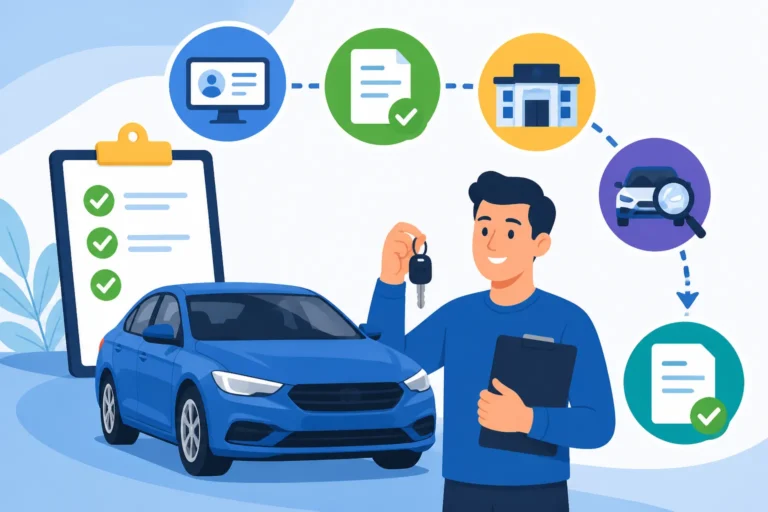
How Do I Transfer Vehicle Ownership When Buying a Car in Israel?
So, you've decided to take the plunge and buy a car here in Israel! Mazal tov! But now comes the next hurdle, one that many of us expats know all too well: the dreaded administrative process of transferring vehicle ownership. It's not always straightforward, and it can feel like navigating a maze built by someone who enjoys obscure rules and unexpected detours. Don't worry, this guide is here to walk you through every step, shedding light on the peculiarities of the Israeli system so you can drive off legally and confidently.
The Initial Hurdles: Understanding the Israeli Car Market and Paperwork
Buying a car in Israel is a journey in itself, often filled with a mix of excitement and frustration. Unlike some countries where everything is highly digitized and handled by specific departments, here, a significant part of the transfer process still relies on a physical visit to a post office, of all places! But before you even get to that point, you need to navigate the market and gather your wits (and your documents).
Finding Your Ride: Navigating the Market
The Israeli used car market is vibrant, but it has its quirks. Most people here look for cars through private sellers rather than large dealerships, though those exist too. The go-to platform for private sales is usually Yad2 (pronounced "Yad Shtayim," meaning "Second Hand"), a massive online classifieds website that lists everything from apartments to furniture to, yes, cars. You'll find a dizzying array of options there, but remember: it's a wild west of sorts.
When you're sifting through listings, prepare for some interesting phone calls. Not everyone will speak English, and even if they do, the details might be sparse. It's crucial to ask about the car's history: how many previous owners it's had, if it's been in any accidents, and of course, when its last test (the annual vehicle inspection) was. Many Israelis are quite attached to their cars, so you might get a lot of personal anecdotes along with the technical specs!
Once you've found a promising candidate, the real due diligence begins. Never, ever buy a car without having an independent mechanic inspect it. There are many reputable garages around, and paying a few hundred shekels for a pre-purchase inspection (_ בדיקת קנייה – b'dikat kniya_) can save you thousands later. They'll check the engine, chassis, brakes, and electrical systems, and give you an honest assessment. This is especially vital as many cars here, particularly older ones, have seen a lot of life (and Israeli roads!). You'll be making calls, sending messages, and checking maps constantly during this phase, so a reliable eSIM like those from Airalo can be a lifesaver, ensuring you're always connected without hunting for local SIM cards.
Essential Documents for Both Parties
This is where things get serious. For the vehicle ownership transfer to go smoothly, both the buyer and the seller need to come prepared with the right paperwork. This isn't a process you can generally do with just a handshake and a promise; the Israeli bureaucracy loves its documents.
For the seller, they absolutely must have:
- Teudat Zehut (Israeli Identity Card): This is non-negotiable. If they don't have one, or if they're not the registered owner (which we'll discuss later), it's a major red flag.
- Rishayon Rechav (Vehicle License): This is the official document for the car, sometimes called a "car registration" or "pink slip." It lists all the vehicle's details, the registered owner, and, crucially, the date of its last test (annual inspection) and when the next one is due. The test must be valid for the transfer to occur. No valid test, no transfer. You can find more details about what is the annual vehicle test (test) and how it works? in our comprehensive guide.
- Proof of Valid Test: The rishayon rechav usually shows this, but sometimes an additional printout from the Ministry of Transport might be useful, especially if the date is very recent.
For the buyer, you'll need:
- Teudat Zehut (Israeli Identity Card): Again, essential. If you're a new immigrant (Oleh Chadash) and haven't received your permanent Teudat Zehut yet, your temporary Teudat Zehut or even a valid passport with your Israeli visa might suffice in some post offices, but it’s always best to call ahead and confirm. Our guide on how to get a Teudat Zehut and tax file number in Israel has more information on obtaining this critical document.
- Rishayon Nehigah (Israeli Driving License): This proves you're legally allowed to drive in Israel. If you've just arrived, you might be driving on a foreign license, but converting it to an Israeli one is usually a good idea. We have a detailed article on how to convert your foreign driving licence in Israel. While a foreign driving license may be acceptable for driving in Israel for a certain period, for the actual transfer of ownership, the post office usually prefers an Israeli issued ID.
- Means of Payment: The transfer fee (agrat ba'alut) needs to be paid on the spot. This can typically be done by credit card or cash, but having both options is wise.
Before you go, ensure there are no unpaid fines or traffic tickets associated with the vehicle or the seller. Any outstanding iykool (lien or seizure) or fines can prevent the transfer. You can check for these through the Ministry of Transport's website or sometimes even directly at the post office when you're there to do the transfer.
The Transfer Process: Step-by-Step at the Post Office (Doar Yisrael)
The actual transfer of ownership happens at an Israeli post office, known as Doar Yisrael. Yes, the same place you pick up packages and mail letters. It might seem antiquated in a digital age, but that's just how it works here.
The Doar Experience: What to Expect
First off, both the buyer and the seller absolutely must be present at the post office together. No exceptions, unless one party has a legally notarized power of attorney (yepui koach), which we’ll cover shortly. This is to ensure both parties agree to the transfer and that all details are correctly recorded.
When you arrive, take a number for the "vehicle services" counter, if there's a specific one, or just the general inquiries. Prepare for a wait – post offices in Israel are rarely quick affairs, especially in busier cities like Tel Aviv or Jerusalem. If you're buying a car as part of a larger move to Israel, remember that services like Sirelo can help with other logistics, but for the car transfer, it's a personal journey to the doar.
Once your number is called, both of you will approach the counter. The clerk will ask for the seller's Teudat Zehut and Rishayon Rechav, and your Teudat Zehut (or acceptable alternative) and Rishayon Nehigah. They will input the details into their system and check for any outstanding issues like liens, police restrictions, or expired test documents. If everything is clear, they will process the transfer.
You will need to pay the transfer fee (agrat ba'alut). This fee varies depending on the vehicle type and its value, but it's typically a few hundred shekels. Make sure you have your payment method ready. After the payment is processed, the clerk will print out a new, temporary Rishayon Rechav in your name as the new owner. This is your immediate proof of ownership!
A word to the wise: If your Hebrew isn't fluent, bring a friend who is. While some post office clerks might speak English, it's not guaranteed, and you don't want any misunderstandings during such a critical transaction. This whole process can feel a bit like a rite of passage for new expats trying to figure out how to navigate the Israeli healthcare system or even how to set up utilities in Israel, another common administrative adventure.
Post-Transfer Checklist: What Comes Next
Congratulations, you're officially the proud owner of a car in Israel! But the journey isn't quite over. There are a few crucial steps you need to take immediately after leaving the post office:
- Temporary Vehicle License: You'll be handed a temporary Rishayon Rechav with your name on it. Keep this safe, as it's your legal proof of ownership until the official one arrives.
- Official Rishayon Rechav by Mail: The Ministry of Transport will typically mail the permanent Rishayon Rechav to your registered address within a few weeks. Ensure your address on file with the Misrad HaPnim (Population Authority) is up-to-date, as this is where official documents are sent. If you need to verify or update your address, refer to our guide on how to register your address at the Misrad HaPnim in Israel.
- Update Your Insurance: This is absolutely critical. Your new car is not insured under the previous owner's policy. Before you even drive away from the post office, you should have your car insurance sorted. If you arranged a policy in advance (highly recommended!), call your insurance provider immediately to confirm the transfer of ownership and activate your coverage. If you haven't, do it as soon as humanly possible. Driving without valid insurance in Israel is illegal and extremely risky. This typically includes mandatory third-party liability insurance (Bituach Chova) and often comprehensive insurance (Bituach Makif).
- Keep Records: Always keep a copy of the old Rishayon Rechav, the new temporary one, the receipt from the post office, and any agreement you made with the seller. Should any issues arise, these documents will be invaluable.
- Cost of Living Consideration: Remember that owning a car in Israel adds significantly to your monthly expenses. Beyond the purchase price and transfer fees, factor in insurance, annual test fees, fuel, and maintenance when considering your overall cost of living in Israel for expats.
Navigating Special Circumstances and Potential Pitfalls
While the standard process is fairly straightforward, life in Israel (and bureaucracy) often throws curveballs. Knowing how to handle these exceptions can save you a lot of grief.
When One Party Can't Be Present
This is a common scenario. What if the seller is out of the country, or you, the buyer, can't physically make it to the post office at the agreed time? This is where a power of attorney (yepui koach) comes into play.
- Power of Attorney (Yepui Koach): If either the buyer or seller cannot be present, they can grant a power of attorney to another person to act on their behalf. This document must be notarized by a public notary (notarion) in Israel to be considered valid by the post office. It needs to explicitly state that the person is authorized to transfer vehicle ownership (either sell or buy) for the specific vehicle in question.
- Careful with who you trust: Granting power of attorney is a significant legal step. Only do this with someone you implicitly trust, as they will have the legal authority to act on your behalf regarding the vehicle. If you’re a buyer, and the seller isn’t the registered owner but is acting on a power of attorney, ask to see the original document and verify its authenticity. It’s a sad reality, but scams can happen, so always be vigilant.
- Corporate Ownership: If the vehicle is owned by a company, a representative of the company can perform the transfer, provided they bring official company documents proving their authority to act on its behalf (e.g., an extract from the Registrar of Companies and a letter of authorization on company letterhead).
The post office clerks are usually quite strict about the yepui koach, so ensure it's precisely worded and correctly executed. Don't assume a general power of attorney for other matters will suffice.
Dealing with Liens, Fines, or Restrictions
Imagine going through all the trouble of finding a car, agreeing on a price, and showing up at the post office, only to be told the transfer is blocked. This happens more often than you'd think, usually due to:
- Iykool (Lien or Seizure): This means the vehicle has been seized or has a lien against it due to unpaid debts of the seller. This could be from a bank, a court order, or even unpaid municipal taxes (arnona). A lien prevents ownership transfer until the debt is cleared.
- Unpaid Fines or Taxes: Outstanding traffic tickets, parking fines, or even unpaid annual vehicle licensing fees can block the transfer. The system is designed to ensure all dues related to the vehicle are settled before a new owner takes over.
- Police Restrictions: Sometimes, a car might have a police restriction against it if it was involved in an investigation, reported stolen, or has some other legal issue.
How to Check: Always, always check for these issues before you go to the post office. You can do a basic check by going to the Ministry of Transport's website (Gov.il) or asking at the post office itself using the car's license plate number. Some private services also offer these checks for a small fee. The seller is legally obligated to disclose any such issues, but it's your responsibility as the buyer to verify. If a car has an iykool, the seller must clear it with the relevant authority (e.g., court, bank, tax authority) and provide proof that it has been lifted before the transfer can proceed.
What to Do If Things Go Wrong
Even with all precautions, sometimes things just don't go as planned.
- Disputes with the Seller: If, for example, the seller misrepresented the car's condition, or issues arise shortly after the sale that were clearly pre-existing and undisclosed, you might have grounds for a dispute. For private sales, it's highly advisable to have a simple, written agreement outlining the sale price, the condition of the car "as is," and any guarantees or lack thereof. This document doesn't need to be complex; even a basic agreement in Hebrew and English can be invaluable.
- Small Claims Court: For disputes involving relatively smaller sums, you might consider pursuing the matter in a small claims court (Beit Mishpat Le'Tviot Ktanot). This process is designed to be more accessible and less formal than a full legal case, often not requiring lawyers. However, legal consultation is always recommended to understand your rights and the likelihood of success.
- Police Involvement: If you suspect outright fraud (e.g., the car was stolen, or the seller was not the legitimate owner and used falsified documents), you should immediately report it to the police. This is why verifying the seller's Teudat Zehut against the Rishayon Rechav is so crucial.
The key takeaway here is to be proactive. Prevention is always better than cure. Do your homework, get the inspection, and verify all documents. While driving in Israel: Licences, Registration and Rules for Expats (2026) covers other aspects of car ownership, understanding the transfer process in detail is your first line of defense.
Here’s a quick summary table for your convenience:
| Step | Description | Required Documents / Actions (Buyer & Seller) |
|---|---|---|
| 1. Find a Car & Due Diligence | Search platforms like Yad2, contact sellers. Arrange a pre-purchase inspection with a trusted mechanic. Confirm car's history. | Buyer: Research, mechanic contact. Seller: Be transparent about car's history. |
| 2. Document Preparation | Gather all necessary personal and vehicle documents. Ensure the car has a valid annual inspection (test). Check for liens, fines, or restrictions against the vehicle or seller. | Buyer: Valid Teudat Zehut, valid Rishayon Nehigah. Seller: Valid Teudat Zehut, valid Rishayon Rechav (vehicle license) with current test. |
| 3. Post Office Visit (Doar Yisrael) | Both buyer and seller must visit any Doar Yisrael branch offering vehicle services. Take a number, present documents to the clerk. Pay the transfer fee (agrat ba'alut). | Both: Original Teudat Zehut, Rishayon Rechav (seller), Rishayon Nehigah (buyer). Buyer: Credit card/cash for agrat ba'alut. If applicable: Notarized yepui koach (power of attorney) for absent party. |
| 4. Post-Transfer Actions | Receive temporary Rishayon Rechav. Immediately update your car insurance to your name. Expect the permanent Rishayon Rechav by mail. Update your address with Misrad HaPnim if needed. | Buyer: Contact insurance company, verify mailing address. Seller: Ensure previous insurance is cancelled (if not done already). |
This process, while seemingly a lot of hoops to jump through, is manageable if you approach it systematically and with a bit of patience. Understanding these steps and preparing thoroughly will make your car buying experience in Israel a much smoother ride.
Disclaimer
The information provided in this guide is for general informational purposes only and does not constitute legal or financial advice. While we strive to provide accurate and up-to-date information, rules and regulations in Israel can change frequently. It is always recommended to consult with relevant authorities, legal professionals, or certified experts for advice tailored to your specific situation before making any decisions related to vehicle ownership, legal matters, or financial transactions in Israel.