How Do I Get My Imported Car’s Annual Test Done in Israel?
So, you’ve taken the plunge and brought your beloved car with you to Israel. That’s a huge undertaking in itself, and congratulations on navigating the initial labyrinth of import regulations! But the administrative fun doesn't stop once your car is physically here and registered. Just like any vehicle on the roads, your imported car needs to pass its annual roadworthiness test, known here as the test rishui (רישוי), or often just "the test." This guide is going to walk you through exactly how to get your imported car through its annual inspection, cutting through the confusion and preparing you for what to expect.
Understanding the Annual Vehicle Test in Israel
Let's be honest, dealing with vehicle administration in a new country can feel like trying to solve a Rubik's Cube blindfolded, especially when it comes to something as critical as an annual inspection for an imported car. But understanding the 'why' and 'what' of the test rishui is the first step to conquering this task.
What is the "Test Rishui" and Why Is It Necessary?
The test rishui is Israel's version of a mandatory annual vehicle inspection, designed to ensure that every car on the road is safe, environmentally compliant, and roadworthy. It’s not just a bureaucratic hoop to jump through; it's a critical safety measure. Think of it as an annual health check for your car. The inspectors at the machon rishui (testing station) check everything from your brakes and steering to your lights, tires, and exhaust emissions.
For expats, particularly those with imported vehicles, this test can feel a bit daunting. Your car, while perfectly fine in its country of origin, might have minor differences that the Israeli system flags. The goal is to catch potential mechanical failures before they happen, ensure your car isn't polluting excessively, and verify that all safety features are functioning as they should. Without a valid rishui, your car is not legally allowed on the road, and you could face hefty fines or even impoundment. It’s an essential part of Driving in Israel: Licences, Registration and Rules for Expats (2027).
Key Differences for Imported Vehicles
When you first imported your car, it underwent a comprehensive initial inspection by the Israeli Standards Institute or a similar body, which was far more rigorous than the annual test. That first inspection confirmed your car met Israeli safety and environmental standards for import. The annual test rishui is different; it's a recurring check to ensure your vehicle continues to meet those standards.
However, even after the initial import approval, imported vehicles can sometimes face unique challenges during the annual test. For instance, specific lighting configurations, tire specifications, or even minor aesthetic modifications that were perfectly legal abroad might be scrutinized more closely or simply be unfamiliar to some local inspectors. This isn't usually a deal-breaker, but it means you might need to be a bit more prepared to explain or even provide documentation for certain features of your foreign-made car. It's less about the legality of the import now and more about ongoing compliance.
The Legal Framework and Penalties for Non-Compliance
Israel’s Ministry of Transport (Misrad HaTachbura) sets the rules for the test rishui. Every vehicle owner receives a renewal notice, usually a few weeks before the current license expires. This notice will outline the fees due and the period within which you must complete the test. Missing this deadline isn't just an oversight; it's a legal violation. Driving with an expired rishui invalidates your vehicle’s mandatory third-party insurance (Bituach Chova), which is a serious concern. If you're involved in an accident, even a minor one, and your rishui is expired, you could be held personally liable for damages, which can be financially ruinous.
The penalties for non-compliance are severe. You could be fined, accumulate points on your driving record, and even have your car towed and impounded. Beyond the financial repercussions, there’s the sheer inconvenience of dealing with bureaucracy to get your car back and legally roadworthy again. It's truly not a situation you want to find yourself in. Staying on top of your vehicle's annual test is as crucial as remembering to How to Register Your Address at the Misrad HaPnim in Israel when you first arrived.
The Step-by-Step Process for Imported Cars
Alright, let's roll up our sleeves and get into the nitty-gritty of how this annual test actually works for your imported pride and joy. It might seem like a lot, but taking it one step at a time makes it manageable.
Gathering Your Documents
Preparation is key, and this means having all your paperwork in order before you even set foot in a testing station. For imported cars, this is doubly important, as your vehicle's history might be less straightforward than a car purchased locally. You'll need a specific set of documents, some of which are standard for all vehicles, and some which might be more critical for an imported one.
Here’s a breakdown of what you'll typically need to bring:
| Document Type | Purpose | Notes for Imported Cars |
|---|---|---|
| Vehicle License (Rishayon Rechev) | Your current vehicle registration, proving ownership and outlining vehicle details. | This will be the Israeli Rishayon Rechev issued after your initial import and registration. Ensure it's not expired. |
| Proof of Identity (Teudat Zehut or Passport) | To verify you are the owner or authorized representative of the vehicle. | Your valid Israeli Teudat Zehut is preferred. If you don't have one, a valid foreign passport with your Israeli visa may be accepted, but this can sometimes cause delays or require additional verification. For more on this, check out How to Get a Teudat Zehut and Tax File Number in Israel. |
| Valid Third-Party Insurance (Bituach Chova) | Mandatory insurance covering physical injury to third parties. | You'll need a printout or digital proof of your Bituach Chova policy. Make sure it's valid for the date of the test and covers your specific vehicle. While it is not Bituach Makif (comprehensive), this basic coverage is non-negotiable for the annual test. |
| Previous Test Certificates (Optional but good) | Proof of passing previous annual tests. | While not strictly mandatory for the current test, having a record of previous successful tests can be helpful, especially if there were any unique notes or modifications mentioned. |
| Import Documents (For first annual test after import) | Papers detailing the import process, customs clearance, and initial vehicle standards approval. | These are especially important for your first annual test after the initial import. Keep your initial approval from the Israeli Standards Institute handy. This clarifies that your vehicle was indeed approved for road use in Israel despite its foreign origin. You might have already used these during How Do I Register an Imported Car in Israel?. |
Make multiple copies of everything and keep them organized. It’s always better to have too much paperwork than not enough in Israel!
Preparing Your Vehicle for the Test
Before you even think about driving to a testing station, give your car a thorough once-over. Imagine you're about to sell it – you want it looking and performing its best. This proactive approach can save you time, stress, and potential re-test fees.
Here are the critical areas to focus on:
- Lights: Check every light – headlights (high and low beam), tail lights, brake lights, indicator lights (front and back), reverse lights, and even your license plate light. Replace any blown bulbs. Crucially for imported cars, ensure your headlights are properly aligned and that the beam pattern meets Israeli standards. Some European cars, for instance, have a different cutoff than American cars, which might need adjustment.
- Tires: Inspect your tires for adequate tread depth (the legal minimum is 1.5mm, but aim for more), visible damage, and correct pressure. Don’t forget the spare tire! Ensure it’s properly inflated and in good condition. The inspectors will check this.
- Brakes: While you can’t fully test these yourself, pay attention to any unusual sounds (squealing, grinding) or sensations (spongy pedal, pulling to one side) when braking. If in doubt, have a mechanic check them.
- Wipers and Windshield: Ensure your windshield wipers are fully functional and don't leave streaks. Your windshield itself should be free of large cracks or chips that obstruct vision.
- Horn: A working horn is a must. Give it a honk.
- Seatbelts: All seatbelts must be in good working order, latching securely and retracting properly.
- Fluid Levels: Check engine oil, brake fluid, coolant, and windshield washer fluid. While not directly part of the safety test, a well-maintained car gives a better impression and prevents other issues.
- Emissions: For older cars, or if you suspect an issue, consider a pre-test emissions check at a garage. High emissions are a common reason for failure.
- Safety Equipment: Israeli law requires you to carry certain safety equipment in your vehicle. This includes a reflective safety vest (usually orange or yellow) and a warning triangle. Some cars, particularly older imported ones, might also need a fire extinguisher. Make sure these items are easily accessible.
It's highly advisable to take your car to a trusted mechanic a week or two before the annual test for a pre-inspection check, especially if you’re not mechanically inclined or if your car is relatively old. They can identify minor issues that you might miss and address them before the official test, saving you time and money.
Locating an Approved Testing Station
In Israel, vehicle tests are carried out at licensed private testing stations, known as Machonei Rishui (מכוני רישוי) or Mekhonot Bdeika (מכונות בדיקה). These are not government offices, but privately run facilities authorized by the Ministry of Transport. You can find them in most major cities and towns.
A quick search online for "מכוני רישוי" (machonei rishui) plus your city name will bring up options. Google Maps is often your best friend here. While all machonei rishui are equipped to test standard vehicles, some might have more experience or specialized equipment for imported cars, especially those with unique features. If you know other expats with imported cars, ask for their recommendations. Sometimes, calling ahead and explaining you have an imported car can also help manage expectations and ensure they're equipped to handle it. Many stations are open during standard business hours, but some might have extended evening or Friday morning hours (before Shabbat).
Navigating the Testing Process
You've got your documents, your car is prepped, and you've found your machon rishui. Now, for the actual test.
- Arrival and Payment: When you arrive, you’ll typically park your car in a designated area and head to the reception desk with your documents. You'll present your vehicle license and proof of insurance, and then pay the testing fee. The fee is usually paid in cash or by credit card. This is also where you pay your annual vehicle license fee (אגרת רישוי – agrat rishui) to the Ministry of Transport, which is mandatory before the test can even begin.
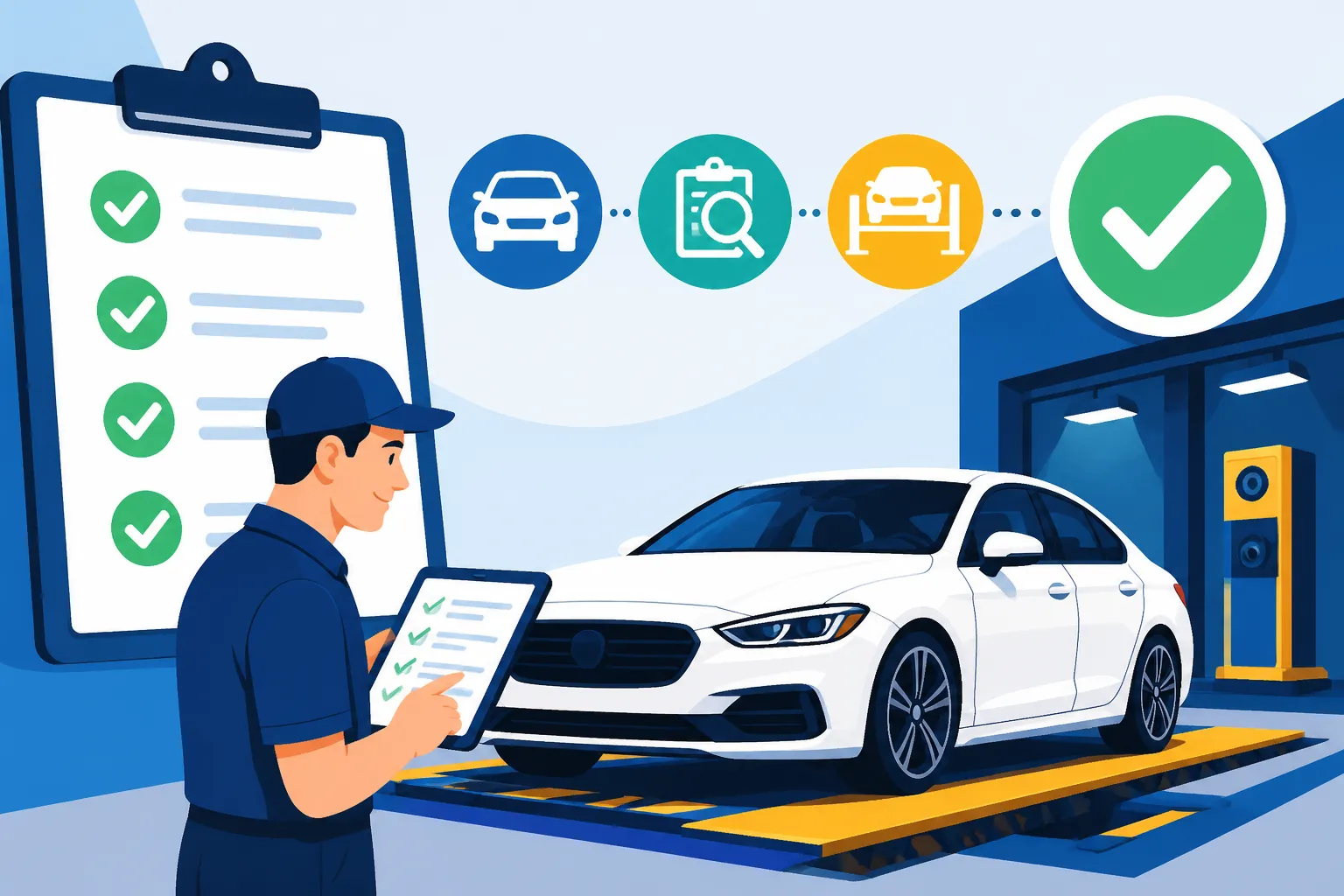
- The Visual Inspection: After payment, you'll drive your car into the inspection bay. An inspector will conduct a visual check, looking for things like proper lights, functioning wipers, intact mirrors, seatbelts, and the presence of your safety equipment (warning triangle, reflective vest, and fire extinguisher if required). They'll also check your VIN (Vehicle Identification Number) against your documents.
- Mechanical and Emissions Tests: Next, your car will typically go through various automated tests. This includes brake performance on rollers, suspension articulation, wheel alignment, and exhaust emissions. You’ll usually be instructed to drive slowly through these stations, following the clear signs or the inspector's directions.
- Underbody Inspection: Finally, your car might be driven over a pit or lifted for an underbody inspection. Here, they'll check for rust, leaks, structural integrity, and the condition of the exhaust system and steering components.
- Results and Certificate: Once all checks are complete, you'll return to the reception. If your car passes, you'll receive a sticker for your windshield and a stamp on your vehicle license, certifying that your car has passed the test rishui. Congratulations, you're good for another year!
If your car fails, don't despair! This is a common occurrence. The station will provide you with a detailed report outlining the deficiencies. You'll then need to get these issues repaired. You usually have a grace period (often 30 days) to make the repairs and return for a re-test, which typically involves a reduced fee and only focuses on the items that failed. You don’t have to re-do the entire test.
Common Challenges and Insider Tips for Expats
Navigating the test rishui can be a bit of a culture shock, even for seasoned expats. Knowing what difficulties to anticipate can help you sail through the process with fewer headaches.
Language Barriers and Bureaucracy
Let's face it, Israel runs on Hebrew. While many Israelis speak excellent English, official processes, especially at places like a machon rishui, might not always be geared towards English speakers. You might encounter forms only in Hebrew, or inspectors who communicate primarily in the local language. This can be frustrating, particularly when you're trying to understand technical explanations about why your car failed a specific test.
My top tip here, if your Hebrew isn't strong, is to bring a friend or colleague who speaks fluent Hebrew. Even better, find someone who has been through the test rishui process themselves. They can act as your translator and cultural guide, smoothing over potential misunderstandings. If that's not possible, consider having a translation app ready on your phone, or at least familiarizing yourself with key terms related to car parts and inspection results. Don't be afraid to ask for clarification, even if it means repeating yourself or pointing at specific parts of your car. Using a reliable eSIM from a provider like Airalo can ensure you always have data for translation apps or calling for assistance.
Finding English-Speaking Assistance
While the testing stations themselves might be a linguistic challenge, you can mitigate this by choosing your support team wisely. When looking for a mechanic to perform your pre-inspection check or any necessary repairs, try to find one who is known to be expat-friendly or has English-speaking staff. Word-of-mouth recommendations within the expat community are invaluable here. Facebook groups for expats in your city (e.g., "Expats in Tel Aviv") are great resources for these kinds of queries.
Some garages even specialize in imported vehicles or cater specifically to the expat community. While they might be slightly more expensive, the peace of mind that comes from clear communication and understanding exactly what work is being done is often worth the extra cost. They can often provide a detailed printout of your car's status and prepare it specifically for the unique aspects of an imported vehicle going through the Israeli test.
Costs and Fees Associated with the Annual Test
The cost of the annual vehicle test itself is fairly standard and usually not prohibitive. However, there are other costs to consider that can add up.
Here’s a general idea of what to expect (prices are estimates and can change):
- Annual Vehicle License Fee (Agrat Rishui): This is the big one. It's an annual tax you pay to the Ministry of Transport, and its cost varies significantly depending on your vehicle's value, engine size, and age. It can range from a few hundred shekels for older, smaller cars to several thousand for newer, more luxurious vehicles. You must pay this before you can undergo the actual test. You can usually pay this online, at the post office, or at the machon rishui.
- Test Fee: This is the actual fee for the inspection at the machon rishui. For a private car, it’s usually in the range of 150-200 NIS.
- Re-Test Fee: If your car fails, the re-test fee is typically lower, perhaps 50-70 NIS, and covers only the failed items.
- Pre-Inspection/Repair Costs: This is where costs can vary wildly. A simple pre-inspection by a mechanic might be 150-300 NIS. Any repairs needed could range from a few shekels for a bulb to thousands for more serious issues like brake overhauls or emission system repairs.
Always get a written quote from your mechanic before agreeing to any repairs, and make sure you understand exactly what work is being proposed.
Dealing with a Failed Test
It happens to the best of us, and it's certainly not uncommon for imported cars. If your car fails the test rishui, you’ll receive a detailed report (often called a "tzafetz" – slang for report/fault list) listing all the deficiencies. You usually have 30 days to rectify these issues and bring the vehicle back for a re-test. During this 30-day period, if your current rishui is still valid, you can drive your car. However, if your rishui has already expired, you are technically not allowed to drive it, except directly to and from a repair shop and then to the re-test station.
Take the failure report to your mechanic. They will understand the Hebrew terminology and can perform the necessary repairs. Once fixed, you simply return to the same testing station for the re-test. Remember, the re-test usually only checks the specific items that failed the first time. Try to get the repairs done quickly to avoid rushing against the 30-day deadline. If you miss the 30-day window, you might have to pay the full test fee again and undergo a complete re-inspection.
Beyond the Annual Test: Ongoing Vehicle Ownership Responsibilities
Getting through the annual test rishui is a significant hurdle, but maintaining an imported car in Israel involves a few other ongoing responsibilities. It’s about ensuring you remain compliant and safe for the long haul.
Insurance Requirements
Just like with the test rishui, car insurance is not optional in Israel; it's a legal necessity. There are two main types of insurance you'll need to understand:
- Bituach Chova (ביטוח חובה) – Mandatory Third-Party Insurance: This covers bodily injury or death to anyone involved in an accident, including the driver, passengers, and pedestrians. It is mandated by law, and you cannot legally drive your car without it. As mentioned, an expired rishui immediately invalidates your Bituach Chova, which is why timely renewal is so critical.
- Bituach Makif (ביטוח מקיף) – Comprehensive Insurance: This is optional but highly recommended. It covers damage to your own vehicle (from accidents, theft, fire, etc.) and often includes third-party property damage. For an imported car, especially one with a higher value, Bituach Makif offers crucial financial protection. When looking for comprehensive coverage, compare different insurance companies, as rates can vary. Some companies might offer better terms or more expat-friendly services. When considering other insurance needs, it might be helpful to look at guides like Understanding Home and Contents Insurance in Israel for a broader perspective on protecting your assets.
Vehicle Maintenance and Israeli Standards
Even after passing the annual test, regular maintenance is key to keeping your imported car running smoothly and safely on Israeli roads. The climate in Israel, particularly the intense summer heat, can be tough on vehicles. Regular oil changes, tire rotations, and checks of your cooling system are essential.
Finding a mechanic who understands the nuances of imported vehicles can be a challenge. While many garages are competent, some might be more familiar with European or Japanese models that are common in Israel than with, say, less common American imports. Again, seek recommendations from other expats. Be clear about your car's make and model, and don't hesitate to ask questions about the parts being used. Sometimes, specialized parts for imported cars might need to be ordered, potentially incurring higher costs and longer waiting times.
Updating Your Vehicle Information
Life in Israel is dynamic, and your circumstances might change. If you move house, you’ll need to How to Get Proof of Address Documents in Israel and update your address with the Population and Immigration Authority (Misrad HaPnim), but it's also a good idea to update it with the Ministry of Transport for your vehicle records. Similarly, if you decide to sell your imported car and buy a local one, you'll need to know How to Register a Vehicle and Transfer Ownership in Israel. This process also involves the Ministry of Transport, ensuring the change of ownership is legally recorded.
For expats who are perhaps moving to Israel for a limited time, or for those who brought their car with the intention of eventually leaving, remember to plan ahead for the logistics of potentially re-exporting your car or selling it. Companies like Sirelo can be great resources for understanding the broader implications of international relocation, including vehicle logistics, which might tie into your long-term plans for your imported car. Keeping all your vehicle documents organized, from import papers to annual test certificates, will make any future administrative tasks significantly easier.
The annual test for your imported car might seem like just another hurdle, but with careful preparation and a bit of patience, you'll find it's a manageable part of life with a car in Israel. Stay organized, ask questions, and don't be afraid to lean on the expat community for advice.
Disclaimer
Please remember that I am a lifestyle blogger offering general advice based on my personal experience as an expat in Israel. While I strive to provide accurate and up-to-date information, regulations and procedures can change. This guide is for informational purposes only and should not be considered legal or professional advice. Always consult with official government sources, legal professionals, or certified automotive experts for specific guidance regarding your individual situation and vehicle.