How Do I Set Up Gas for Cooking in My Israeli Home?
Moving to Israel often feels like a never-ending scavenger hunt for information, especially when it comes to the nitty-gritty details of setting up your home. One of the common head-scratchers for new olim and expats is figuring out how to get gas for cooking. It’s not always as straightforward as you might think, and the system can be a bit opaque if you don’t know the ropes. This guide is here to walk you through the process, from understanding the different types of connections to dealing with gas companies, ensuring you can cook up a storm in your new Israeli kitchen without a hitch.
Understanding Gas in Israeli Homes
Before you can even think about cooking your first shakshuka, it’s crucial to understand how residential gas systems operate here. Unlike some countries where natural gas is piped directly to every home as a standard utility, Israel often has a slightly different setup, which can vary significantly depending on your building and location. Getting your head around these differences will save you a lot of confusion and frustration down the line.
Types of Gas Connections: Central vs. Individual Tanks
This is arguably the most important distinction you need to make right off the bat. Most residential buildings in Israel, particularly apartment blocks, use a central gas system. This means there’s a large bank of gas cylinders or a large central tank, usually located outside or in a dedicated utility room for the entire building. From there, gas is piped to each individual apartment. When one of these large cylinders runs empty, the gas company (or a designated building manager) replaces it, and the cost is usually split among the residents or billed individually based on usage. In such a setup, your job is primarily to open an account with the building’s designated gas provider.
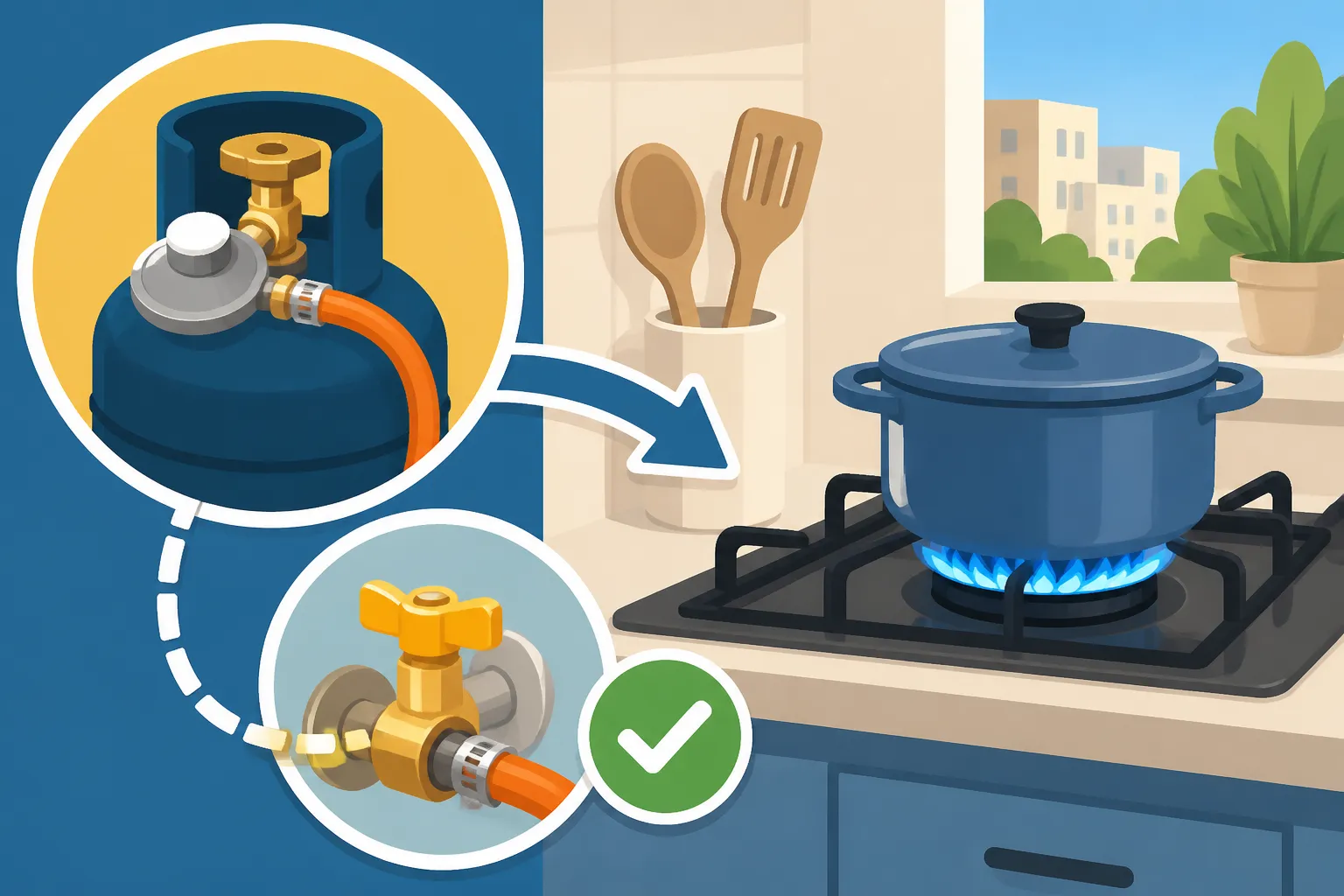
On the other hand, some older buildings, private homes, or smaller multi-unit dwellings might use individual gas tanks per apartment or house. These are typically smaller, red cylinders (often 12-liter tanks, though larger options exist) that connect directly to your stove or water heater. When one runs out, you’re responsible for calling the gas company to swap it out for a full one. This can be a bit more hands-on and requires you to keep an eye on your gas levels. This system is less common for cooking in newer apartments but is still prevalent for water heaters (gas boyler) or if you have an outdoor grill. It’s vital to check which system your building uses as it dictates who you need to contact and what procedures you’ll follow.
Key Gas Providers in Israel
Once you know the type of connection, you need to know who the main players are. Israel’s residential gas market is dominated by a few major companies. These are the names you’ll hear time and again, and one of them will almost certainly be your provider:
- Amisragaz (אמישראגז): One of the largest and oldest gas companies in Israel. They have a widespread network and often serve many apartment buildings in the central regions.
- Pazgas (פזגז): Another major player, Pazgas is part of the larger Paz Group, which also operates gas stations and convenience stores. They offer both central and individual tank services.
- Supergas (סופרגז): Completing the trio of dominant providers, Supergas is also a household name across the country. Like the others, they cater to residential and commercial clients.
When you move into a new place, your landlord or the building committee will usually tell you which company supplies gas to the building. You don't get to choose a provider if your building has a central system; you simply open an account with the existing one. If you're in a private home with individual tanks, you might have a bit more flexibility, but often a previous contract will exist. Be prepared for slightly less-than-stellar customer service at times – this is a common complaint across many Israeli utility providers, not just gas companies!
The Role of the Building Committee Vaad Bayit
The Vaad Bayit (ועד בית) or Building Committee plays a significant role in the smooth operation of many apartment buildings, and this often extends to the gas supply. For buildings with a central gas system, the Vaad Bayit is often the liaison between the residents and the gas company. They might be responsible for tracking gas usage for the building, reporting when the main cylinders need replacing, or coordinating maintenance.
You’ll typically pay a monthly Vaad Bayit fee which covers communal expenses, and sometimes a portion of this goes towards general gas system maintenance or administration. When you're trying to set up your gas, the Vaad Bayit (or your landlord if you're renting) is usually your first point of contact to find out which company supplies the building and what the existing procedures are. They can often provide you with the account number for the building or guide you on how to open your personal account under the building's main service. Don't be shy about asking them for help; they're usually the best source of immediate, hyper-local information.
Step-by-Step: Setting Up Your Gas Connection
Alright, now that you’ve got the lay of the land, let’s get down to the actual process. This is where a little preparation and persistence will pay off. Remember, the Israeli bureaucracy sometimes feels like a maze, but armed with the right steps, you'll get there. It’s always helpful to have a translator or a Hebrew-speaking friend on hand for calls, especially during initial setup.
Checking Your Rental or Purchase Agreement
Before you even pick up the phone, dive into your rental or purchase agreement. It’s surprising how much useful information can be hidden in there. The agreement should specify whether the property uses a central gas system or individual tanks. Crucially, it should also name the gas provider for the building or unit (e.g., "Amisragaz will provide gas services"). This detail is your golden ticket. If it's a rental, your landlord is your primary resource for this information.
Additionally, check who is responsible for the costs. Typically, you, as the resident, will pay for your gas consumption directly to the gas company. However, the agreement might clarify who is responsible for general maintenance of the system or replacement of tanks if it's an individual setup. If you're buying a property, the previous owner or your real estate agent can usually provide you with this information. Don't sign anything until you're clear on the gas situation – you don't want any surprises when you're ready to cook! For a broader understanding of what to look for when securing your living arrangements, take a look at our guide on What Should I Check Before Signing a Lease in Israel?.
Contacting the Gas Company and What to Expect
Once you know your provider (let’s say it’s Pazgas for this example), it’s time to call them. You'll need a few things handy:
- Your Teudat Zehut (Israeli ID) or passport number: This is essential for identification.
- Your address: The full Israeli address, including apartment number and building number.
- The building's gas account number (if available): Your landlord or Vaad Bayit can provide this. It helps them link your new individual account to the building's main system.
- Your bank details: They’ll usually want to set up a Horaat Keva (direct debit) for monthly payments. If you haven't opened an Israeli bank account yet, check out The Expat Guide to Opening a Bank Account in Israel.
When you call, you'll explain that you're a new resident at [Your Address] and want to open a gas account. If it’s a central system, they will likely just need your details to add you to the existing building account and start billing you for your usage. If it's an individual tank system, they'll set up a new account for you and arrange for tank delivery. Be patient, as wait times can be long, and Hebrew will be the primary language of communication. Prepare some basic phrases or use a translation app.
Scheduling Installation and Safety Checks
For central gas systems, usually, there’s no "installation" required inside your apartment, as the pipes are already there. However, a technician might need to come to:
- Connect your stove/oven: If it's a new appliance, or if the previous tenant disconnected theirs. This is usually a quick job.
- Perform a safety check: They’ll inspect the gas lines within your apartment, ensure your appliances are correctly connected, and check for any leaks. This is vital for your safety and often legally required when a new resident moves in or an appliance is connected.
- Install a gas meter (if applicable): While some central systems bill based on apartment size or estimated usage, many newer setups have individual meters for each unit, usually located on your balcony or in a utility closet.
For individual tank systems, a technician will deliver and connect the gas cylinder, ensuring it’s properly secured and linked to your appliances. Again, a safety check is paramount. Don’t skip this step! Gas is convenient, but safety must always come first. The gas company will typically schedule this appointment, and you’ll need to be present or arrange for someone to be there.
Activating Your Account and First Bill
Once the technician gives the all-clear, your gas account should officially be active. You'll start accruing usage immediately. Your first bill might take a month or two to arrive, depending on their billing cycle. It typically includes:
- Fixed service fees: A basic monthly charge for being connected.
- Gas consumption: Billed per unit (usually cubic meters or kilograms, depending on the system).
- Meter reading fees (if applicable): For maintaining and reading your individual meter.
You'll usually receive bills by mail, but many companies also offer online portals or apps where you can view your consumption and pay bills. Setting up a direct debit (Horaat Keva) from your Israeli bank account is the easiest way to ensure you never miss a payment. If you're wondering how utilities are typically handled financially, our article on How Do I Pay My Utility Bills in Israel? offers more general insights.
Essential Safety and Maintenance Tips
Living with gas requires a certain level of awareness and adherence to safety protocols. It’s not something to be complacent about. As an expat, understanding these nuances in a new country is even more critical. Better safe than sorry, as they say!
Recognizing Gas Leaks and Emergency Procedures
The most immediate and severe danger with gas is a leak. Propane and butane, the types of gas used in residential settings in Israel, are naturally odorless. However, gas companies add a chemical (mercaptan) to give it a distinct, unpleasant smell – often described as rotten eggs or sulfur. This smell is your primary indicator of a leak.
If you suspect a gas leak:
- Do NOT turn on or off any electrical switches, lights, or appliances. A spark could ignite the gas.
- Open all windows and doors immediately to ventilate the area.
- Turn off the gas supply at the main valve (if it's easily accessible and safe to do so). For central systems, this might be a valve on the pipe leading to your apartment, or for individual tanks, the valve on the tank itself.
- Evacuate the apartment and alert your neighbors.
- Call the gas company's emergency line immediately. Their numbers are usually prominent on their websites and on any bills you receive. You can also call the general emergency number 102 (fire and rescue services).
- Do NOT re-enter the apartment until a certified technician or emergency services have declared it safe.
It's a good idea to know where your gas shut-off valve is located for quick access in an emergency. This might be near your stove, on your balcony, or in a utility cupboard.
Regular Maintenance and Appliance Checks
While the gas company is responsible for the main infrastructure, you have a role in maintaining the safety of your in-home connections and appliances.
- Inspect gas hoses: Periodically check the flexible hoses connecting your gas appliances (stove, oven, water heater) for cracks, kinks, or wear. Gas hoses have an expiry date printed on them (usually 5 years) and must be replaced by a certified technician when they expire. This is a common safety oversight.
- Ventilation: Ensure that your kitchen and any areas with gas appliances are well-ventilated. Never block vents or flues.
- Appliance servicing: If you have gas water heaters or ovens, it’s wise to have them serviced by a professional technician every few years, even if there are no apparent issues. They can check for efficient combustion and correct any minor problems before they become major.
- Carbon Monoxide detectors: While less common for cooking gas (which typically vents quickly), if you have a gas water heater in an enclosed space, installing a carbon monoxide detector is a smart move. CO is odorless and invisible but deadly.
Remember, any work on gas lines or connections beyond the simple attachment of a new appliance should always be done by a Rofeh Gas (gas technician) certified by the Israeli Ministry of Energy. Trying to do it yourself can be incredibly dangerous and void your insurance.
Understanding Your Responsibilities as a User
As a gas consumer, you have certain responsibilities. This isn't just about safety, but also about the smooth functioning of the communal system and avoiding issues.
- Timely payments: Ensure your bills are paid on time. Unpaid bills can lead to service disconnection, and getting reconnected can be a hassle.
- Reporting issues: If you notice any issues with the gas supply, such as a drop in pressure (rare for central systems but possible), or suspect a problem with the communal system, report it to your Vaad Bayit or the gas company immediately.
- Providing access: You must allow gas company technicians access to your apartment for scheduled inspections, meter readings, or emergency repairs. They will usually provide advance notice.
- Adhering to safety guidelines: This includes everything from not tampering with the gas system to ensuring your appliances are in good working order. Your adherence contributes to the safety of your entire building.
Taking these responsibilities seriously not only keeps you safe but also helps maintain good relations with your landlord, Vaad Bayit, and neighbors. Living in a new country, sometimes these civic responsibilities feel different, but basic safety and respect are universal.
Troubleshooting Common Gas Issues
Despite your best efforts, sometimes things go wrong. It's frustrating when you can't get hot water or cook a meal because the gas isn't working. Knowing a few common troubleshooting steps and how to navigate customer service can make a world of difference.
No Gas? Check These Things First
If your gas stove isn't lighting or your gas water heater isn't firing up, don't panic. There are a few simple things you can check before calling for help:
- Is your individual gas cylinder empty? If you have individual tanks, this is the most common culprit. Many people keep a spare full tank on hand. If it's empty, call your gas provider for a replacement.
- Is the main gas valve to your apartment open? Sometimes, during maintenance, or even if someone accidentally bumped it, the main gas valve leading to your apartment might be partially or fully closed. It's usually a lever handle that should be parallel to the pipe when open.
- Are the valves on your appliances open? Each gas appliance (stove, oven, water heater) should have a small shut-off valve near its connection point. Ensure these are open.
- Is it a building-wide issue? Ask your neighbors or the Vaad Bayit if they also have a gas outage. If so, it's likely a central system problem, and the Vaad Bayit should already be in contact with the gas company.
- Have you paid your bills? While they usually give notice, an overdue bill can sometimes lead to service interruption. Double-check your payment status.
If you've checked all these points and still have no gas, it's time to contact your gas provider directly. Make sure you have your account number and Teudat Zehut ready.
Dealing with Gas Company Customer Service: Challenges and Tips
Let's be real: customer service in Israel, for utilities especially, can be a challenge. You might encounter long wait times, language barriers, and processes that feel unnecessarily complicated.
- Patience is a virtue: Seriously, steel yourself for a wait on the phone. Use their call-back service if available.
- Language barrier: Most major gas companies will have English-speaking representatives, but they might be few and far between. If you don't speak Hebrew, try to have a Hebrew-speaking friend or family member help you with the call, especially for complex issues.
- Be clear and concise: When you get through, clearly state your problem, your address, and your account number. The clearer you are, the faster they can help.
- Take names and reference numbers: Always get the name of the representative you spoke with and a reference number for your call or complaint. This is crucial if you need to follow up.
- Use online channels: Some companies offer online chat or customer service forms. These can sometimes be less frustrating than phone calls, especially for non-urgent inquiries.
- Escalate if necessary: If you're not getting a satisfactory response, politely ask to speak to a supervisor. If you’re still encountering difficulties with any utility, sometimes a call from your landlord or Vaad Bayit can work wonders, as they have established relationships.
It's easy to get discouraged, but remember, you have a right to functioning utilities. Persistence is key.
Billing Questions and Disputes
Understanding your gas bill can sometimes feel like deciphering ancient texts, especially if it’s in Hebrew. Don’t hesitate to ask for clarification if something looks off.
- Understand your consumption: Pay attention to the units of measurement (cubic meters, kilograms) and compare your usage month-to-month. Sudden spikes might indicate a leak or an incorrect meter reading.
- Check for unexplained charges: Review each line item. If you see a charge you don't recognize, call customer service to inquire.
- Meter readings: If you have an individual meter, consider taking a photo of your meter reading periodically. This provides proof in case there's a dispute over consumption.
- Dispute process: If you believe there's an error on your bill, contact the gas company immediately. Explain the discrepancy and provide any evidence you have. If they don't resolve it to your satisfaction, you can escalate within the company or, in more extreme cases, seek advice from a consumer protection organization in Israel.
Staying on top of your bills, much like with any other utility such as electricity or water, is a crucial part of managing your new life in Israel. Our article How Do I Transfer Utility Bills to My Name When Renting in Israel? can give you more practical advice on general utility bill management.
Settling into an Israeli home can feel like a marathon, with each utility setup being a hurdle. But getting your gas connected safely and efficiently is a major step towards making your new place truly feel like home.
Disclaimer
The information provided in this guide is for general informational purposes only and does not constitute professional advice. Gas systems and regulations can be complex and are subject to change. Always consult with the relevant gas company, a certified gas technician, or legal professionals for specific advice regarding your situation. Safety procedures related to gas must always be strictly followed.