Israeli Citizenship: Routes Through Aliyah, Naturalisation and Marriage (2027)
So, you're thinking about Israeli citizenship, eh? That's a big step, a truly significant journey that goes far beyond just getting a stamp in a passport. For many, it's a deeply personal decision, fraught with paperwork, cultural nuances, and sometimes, a good dose of bureaucratic head-scratching. This guide is here to walk you through the various pathways – Aliyah, naturalisation, and marriage – so you can understand what to expect in 2026 and beyond, without getting lost in the maze.
Navigating the Complex World of Israeli Citizenship: An Introduction
Becoming a citizen of Israel isn't a single, straightforward path for everyone. Unlike some countries with a very clear-cut "apply here" process, Israel’s citizenship laws are interwoven with its history, its identity as a Jewish state, and its diverse population. This creates a system that can feel incredibly welcoming and intuitive for some, while simultaneously appearing opaque and frustrating for others. Many expats I know, myself included, have spent countless hours trying to decipher requirements, gather obscure documents, and simply understand why certain steps are necessary. It's a journey that demands patience, persistence, and often, a good sense of humor. But trust me, it’s entirely navigable, and knowing the routes beforehand makes all the difference.
Why Israeli Citizenship is a Unique Endeavor
Israel is a young country with an ancient soul, and its citizenship laws reflect this unique blend. The Law of Return (Chok HaShvut), for instance, isn't just a legal statute; it's a foundational principle tied to the very establishment of the state. This means that for those who qualify under this law, citizenship is almost an inherent right upon arrival. For others, particularly non-Jews who have chosen to make Israel their home, the path is more akin to traditional immigration systems found globally, requiring years of residency, integration, and demonstrating a genuine connection to the state. It’s not simply about ticking boxes; it’s about becoming part of a vibrant, complex, and utterly captivating society.
Understanding the Different Citizenship Pathways
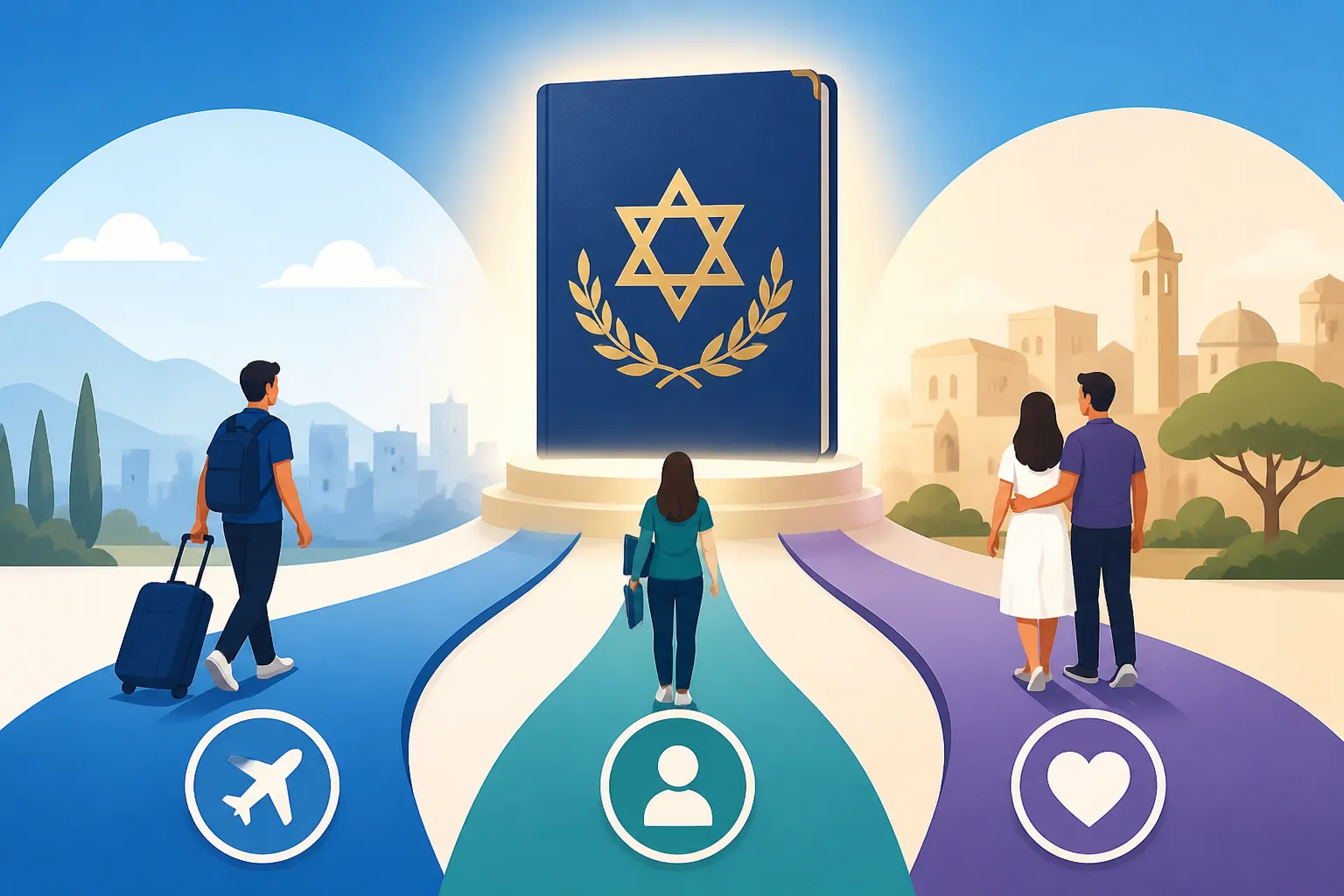
The Israeli citizenship landscape is broadly divided into a few main arteries, each with its own set of eligibility criteria, application processes, and emotional implications. The primary routes we’ll be exploring are Aliyah (under the Law of Return), naturalisation (for those who don't qualify for Aliyah), and citizenship through marriage to an Israeli citizen. There are also specific circumstances for children born in Israel and other long-term residents. It's crucial to identify which pathway aligns with your personal circumstances from the outset, as mixing and matching or assuming one route will magically morph into another can lead to unnecessary delays and disappointment. Each journey is distinct, and understanding the nuances is key to a smoother transition.
The Path of Aliyah: Citizenship Through the Law of Return
For many, the most direct and emotionally resonant path to Israeli citizenship is through Aliyah, literally meaning "ascent" or "going up" to Israel. This route is rooted in the Law of Return, a cornerstone of Israeli legislation that grants Jews, and certain non-Jewish family members, the right to immigrate to Israel and automatically become citizens. It’s a powerful statement of Israel’s raison d'être, offering a homecoming to those with a historical connection to the land.
Who Qualifies Under the Law of Return?
The Law of Return is often misunderstood as being solely for "Jews." While that's the core, its reach is actually broader. It extends citizenship not just to individuals defined as Jewish under Halakha (Jewish law), but also to their children, grandchildren, and the spouses of any of these individuals. This inclusive definition ensures that entire families can make Aliyah together, even if not every member is considered Jewish by religious standards.
To break it down, a person is eligible for Aliyah if they are:
- A Jew: Defined as someone born to a Jewish mother or converted to Judaism (Orthodox, Conservative, or Reform conversions are generally recognized, though nuances exist).
- The child of a Jew: Regardless of whether the child is considered Jewish.
- The grandchild of a Jew: Again, regardless of their own Jewish status.
- The spouse of a Jew, child of a Jew, or grandchild of a Jew: This is crucial. For example, if your spouse is Jewish, you are likely eligible, even if you are not. However, this clause does not extend to the spouse of a grandchild of a Jew.
It’s important to note that the Law of Return specifically excludes individuals who have converted from Judaism to another religion, even if they were born Jewish. This particular clause has been the subject of much debate and legal challenge over the years but remains in effect. Understanding Aliyah Eligibility Under the Law of Return (2027) is paramount before you begin, as this will determine your entire path.
The Aliyah Application Process and Timeline
Once you’ve confirmed your eligibility, the Aliyah process officially begins, typically through The Jewish Agency for Israel (Sochnut Yehudit) or Nefesh B'Nefesh for North American and UK Olim (new immigrants). These organizations act as your guides, helping you gather the necessary documentation and navigate the pre-Aliyah phase.
The application involves submitting a significant amount of paperwork to prove your eligibility – birth certificates, marriage certificates, family records, letters from rabbis, and sometimes even genetic testing if documentation is scarce. This is where patience is truly a virtue. The timelines can vary wildly, from a few months to over a year, depending on the complexity of your case, the volume of applications, and the efficiency of the local Jewish Agency branch. I’ve seen friends pull their hair out trying to get the right signatures or translations, only for the process to suddenly speed up after one key document is submitted. Remember, these organizations are dealing with thousands of applicants, so thoroughness on your part is key. For more in-depth information, you can read How to Apply for Aliyah Through the Jewish Agency and Nefesh B'Nefesh.
After your application is approved and you receive your Aliyah visa, it’s time to plan your move. This is where companies like Sirelo can be incredibly helpful for managing the logistical nightmare of international relocation. They specialize in comparing moving services, which can save you a huge headache when bringing your life over to Israel.
Citizenship Upon Arrival and Teudat Oleh Benefits
The moment you land at Ben Gurion Airport as an Oleh is unlike any other. You're not just stepping off a plane; you're often immediately granted Israeli citizenship. This means that within a few hours or days of arrival, you’ll begin receiving your official documents, including your Teudat Oleh (Oleh Certificate) and a temporary Teudat Zehut (identity card). The Teudat Oleh is your golden ticket to a host of absorption benefits designed to help you settle into Israeli life.
These benefits, often referred to as the "Sal Klita" (absorption basket), can include:
- Financial assistance: Monthly payments for your first six months to help with initial costs.
- Rent subsidies: Help with housing expenses, particularly important given the How Much Does It Cost to Rent an Apartment in Tel Aviv in 2026?.
- Free or subsidized Hebrew Ulpan: Intensive language courses crucial for integration.
- Customs benefits: Significant discounts or exemptions on taxes for importing personal goods or purchasing a car.
- Healthcare subsidies: Immediate access to the public healthcare system, although there might be a waiting period for certain services or supplementary insurance.
Receiving your How to Obtain a Teudat Oleh and Teudat Zehut After Aliyah is a monumental step. It’s proof that you are now officially part of the Israeli fabric, and these benefits are designed to give you a solid footing during those often-overwhelming first months. The immediate access to the healthcare system through one of the four Kupot Holim (health funds) is especially vital, particularly before you've sorted out local employment and finances.
Naturalisation: Earning Your Israeli Citizenship
Not everyone has a direct path to Aliyah, and for many non-Jewish individuals who have chosen to build their lives in Israel, naturalisation is the route to citizenship. This process is more aligned with standard immigration procedures globally, focusing on your duration of residency, integration into Israeli society, and commitment to the state. It's a longer, more deliberate journey, but one that is equally rewarding for those who complete it.
Eligibility Criteria for Naturalisation
The path to naturalisation is governed by the Israeli Citizenship Law of 1952. It lays out specific conditions that you must meet to even apply. Think of it as a checklist that demonstrates your dedication and integration:
- Residency in Israel: You must have resided in Israel for at least three out of the five years immediately preceding your application. This usually means holding valid long-term residency visas, such as an A/5 temporary resident visa. Short visits or tourist stays don't count towards this period.
- Intention to Reside Permanently: This isn't just a physical presence; it's about demonstrating that Israel is your permanent home and that you have no intention of leaving. This can be evidenced by your employment, property ownership, family ties, and general life setup.
- Knowledge of Hebrew: The law requires "some knowledge of the Hebrew language." This is usually assessed, often informally, during your interviews at the Misrad HaPnim (Ministry of Interior). While you don't need to be fluent enough to write poetry, showing a genuine effort and ability to communicate in basic Hebrew is expected. Taking an Ulpan course, even a basic one, can be immensely helpful and demonstrate your commitment.
- Renunciation of Previous Citizenship (with exceptions): This is often the trickiest part for many. Generally, Israel requires you to renounce your previous citizenship upon naturalisation. However, there are exceptions, particularly if your home country does not allow renunciation, or if the process of renunciation is excessively difficult or prolonged. This aspect is often decided on a case-by-case basis by the Minister of Interior, and it’s one area where seeking legal advice can be invaluable. We'll delve deeper into Understanding Dual Citizenship Rules in Israel later.
- Good Conduct: You must be of good character and have no significant criminal record.
- Declaration of Loyalty: You will be required to declare your loyalty to the State of Israel.
It's a stringent set of requirements, designed to ensure that those who naturalize are truly committed to being Israeli citizens.
The Application Journey: A Step-by-Step Guide
The naturalisation process is handled by the Misrad HaPnim and can feel like a marathon, not a sprint. Here’s a general overview of the steps you can expect:
-
Gathering Documents: This is where the fun begins. You'll need an exhaustive list of documents: your foreign passport, existing Israeli visas/residency permits, birth certificate, marriage certificate (if applicable), police clearance certificates from all countries you’ve lived in, proof of income, proof of residence (rental contracts, utility bills), and evidence of your Hebrew studies. Every document usually needs to be translated into Hebrew by a notarized translator and apostilled or authenticated. My best advice: create a physical folder and a digital folder for EVERYTHING.
-
Scheduling a Misrad HaPnim Appointment: Getting an appointment at the Misrad HaPnim, especially for complex matters like naturalisation, can be a challenge. You can often book online via the Gov.il website or through their automated phone system, but popular branches like Tel Aviv or Jerusalem might have long waiting times. I always tell people to be persistent and check for cancellations daily. This process is common for How to Book an Appointment at the Misrad HaPnim for Visa Matters and you'll become very familiar with it.
-
Submitting the Application: During your appointment, you’ll submit all your documents, fill out the application form (Form 7 – Application for Naturalization), and be interviewed by a clerk. This interview will likely cover your reasons for wanting citizenship, your ties to Israel, and your Hebrew knowledge. Be prepared to answer questions thoroughly and calmly.
-
Security Checks and Review: Your application will then undergo security checks by various Israeli authorities. This can take several months.
-
Interview with a Ministry Official: If your initial application passes muster, you may be called for a more in-depth interview with a higher-ranking official who will assess your overall suitability.
-
Minister of Interior's Decision: The final decision rests with the Minister of Interior. If approved, you will receive an invitation to attend a swearing-in ceremony.
-
Swearing-in Ceremony: This is a formal event where you take an oath of allegiance to the State of Israel and receive your certificate of naturalisation. Only then are you officially an Israeli citizen.
It’s a long road, often filled with moments of "why is this taking so long?" and "did I bring the right stamp?", but each step is a step closer to your goal. For those already on a work visa, understanding How to Get an Israeli Work Visa B/1: The Full Guide (2026) provides crucial background for demonstrating legal residency.
Challenges and Realities of Naturalisation
The naturalisation process, while clear on paper, can present significant challenges in reality. One of the biggest hurdles is the "renunciation of previous citizenship" requirement. This is a point of contention and often requires extensive back-and-forth with both the Israeli authorities and your home country's embassy or consulate. Many countries have complex procedures for renouncing citizenship, and some, like Germany, have very specific conditions under which it's permitted.
Another reality is the discretionary nature of the process. Even if you meet all the explicit criteria, the Minister of Interior has the final say. This means presenting a strong, consistent case for your connection to Israel and your genuine desire for citizenship is vital. You're not just ticking boxes; you're building a narrative of your life in Israel. Legal assistance is often recommended for naturalisation cases, particularly those with complex personal histories or citizenship situations. It's not a path for the faint of heart, but for those who are determined, it is absolutely achievable.
Citizenship Through Marriage to an Israeli Citizen
For many non-Israeli expats who fall in love and marry an Israeli citizen, the path to citizenship is through a specific "graduated process" (known as hadaraga). This route recognizes the importance of family unification while also safeguarding against marriages of convenience. It's a journey that focuses on proving the authenticity and stability of your relationship over several years.
The Graduated Process (Misrad HaPnim Step-by-Step)
The graduated process is a multi-year, multi-stage procedure managed by the Misrad HaPnim. It’s designed to allow the non-Israeli spouse to gradually move from a temporary visa to permanent residency and eventually, citizenship, while giving the authorities time to assess the genuine nature of the relationship.
Here's how it generally unfolds:
- Initial Tourist Visa (B/2) to A/5 Temporary Resident Visa: If you're in Israel on a tourist visa, you and your Israeli spouse will need to initiate the process at the Misrad HaPnim. You’ll submit initial documentation to prove your marriage and the authenticity of your relationship. If accepted, you will typically be granted an A/5 temporary resident visa for one year. This initial step can be quite stressful, as you're essentially asking the state to acknowledge your marriage and allow you to reside in the country.
- Annual Renewals and Visa Upgrades: For the next 4-5 years, you and your spouse will attend annual interviews at the Misrad HaPnim to renew your A/5 visa. Each year, you’ll bring updated documentation – joint bank statements, rental agreements, utility bills in both names, photos, letters from friends/family, and anything else that proves you live together as a genuine couple. With each successful renewal, your visa status generally improves, moving towards A/5 visas with full work permits, and eventually, permanent residency.
- Application for Permanent Residency: After approximately 4-5 years of successful A/5 renewals, you typically become eligible to apply for permanent residency. This is a significant milestone, granting you almost all the rights of an Israeli citizen, except for the right to vote in national elections or hold an Israeli passport.
- Application for Citizenship: Once you have obtained permanent residency and have met the specific residency requirements (usually living in Israel for 3-5 years from the start of the process, and potentially a year as a permanent resident), you can then apply for full Israeli citizenship. This usually involves renouncing your previous citizenship, similar to the naturalisation process.
The entire process, from initial A/5 to full citizenship, usually takes between 5 to 7 years. It's a journey that requires immense patience, meticulous record-keeping, and the willingness to repeatedly prove your relationship to government officials. I’ve known couples who dreaded their annual Misrad HaPnim appointments more than tax season! For a full understanding, see Understanding the Graduated Process for Spousal Citizenship in Israel.
Proving a Genuine Relationship
The core of the graduated process is demonstrating that your marriage is genuine and not solely for immigration purposes. The Misrad HaPnim takes this very seriously. They will ask probing questions during your joint interviews, sometimes even asking you separate questions to see if your answers align. They’re looking for consistency and depth in your responses.
Evidence you’ll need to provide continually includes:
- Joint finances: Bank accounts, credit cards, investments.
- Shared residence: Rental agreements, property deeds, utility bills in both names.
- Social evidence: Photographs together over the years, invitations to events, letters from friends and family testifying to your relationship, social media posts.
- Children: If you have children together, this is strong evidence of a genuine bond.
- Travel history: Evidence of vacations together, or clear explanations if one spouse travels extensively without the other.
It sounds invasive, because it often is. But it’s the system designed to protect against fraudulent marriages. Be open, be honest, and be prepared to provide a mountain of proof. The more evidence you can bring each year, the smoother the renewal tends to go. Also, ensure you have international health insurance like Cigna Global during the initial stages if you're not yet fully covered by a Kupat Holim or if you travel frequently outside Israel, as access to public healthcare might not be immediate for new visa holders.
Special Considerations for Same-Sex Couples and Common-Law Partners
Israel’s approach to same-sex couples and common-law partners seeking citizenship through an Israeli partner has evolved, thankfully, but still presents unique challenges. While Israel recognizes same-sex marriages performed abroad, the path to residency and citizenship for same-sex spouses is largely similar to heterosexual couples undergoing the graduated process. The same rigorous proof of a genuine relationship is required.
For common-law partners (Yedu'im BaTzibur), the process is even more complex. While Israeli law recognizes common-law relationships for many purposes, the immigration authorities are typically more skeptical. Proving a common-law relationship for immigration purposes often requires an even higher burden of proof and an even longer graduated process, sometimes stretching to 7-10 years before eligibility for citizenship. This will require even more documentation of shared life, finances, and public recognition of your partnership. It’s a route where legal counsel is almost essential from the very beginning to ensure you are presenting the strongest possible case. For those exploring this, a guide like Family Reunification and Spousal Visas in Israel: A Complete Guide can be very helpful.
Citizenship by Birth and Residence: Other Pathways
While Aliyah, naturalisation, and marriage are the main pathways, there are other, less common, yet equally valid routes to Israeli citizenship based on birthright or extended residence under specific circumstances.
Citizenship for Children Born in Israel
Children born in Israel to Israeli citizens automatically acquire Israeli citizenship by birth. This is fairly straightforward. However, the situation for children born in Israel to non-Israeli parents is more nuanced.
- Children of Non-Israeli Parents: A child born in Israel to non-Israeli parents does not automatically acquire Israeli citizenship. They generally inherit the citizenship of their parents. However, if the child remains stateless or if at least one parent is a permanent resident of Israel and the child has resided in Israel for five consecutive years immediately preceding their 18th birthday, they can apply for naturalisation. This is a critical distinction and often surprises new expats who assume birthright citizenship like in some other countries. It means that foreign families need to actively manage their child's visa status from birth.
- Children of Olim: Children who make Aliyah with their parents (or whose parents make Aliyah and they are later brought over) will also acquire Israeli citizenship as part of the family’s Aliyah process. The process for How Do I Register My Newborn with a Health Fund in Israel? is a related administrative task that new parents will need to navigate, regardless of citizenship status.
Long-Term Residence and the Path to Citizenship
Beyond the routes of Aliyah and marriage, long-term, legal residence in Israel can, in rare cases, lead to citizenship. This is primarily for individuals who have resided in Israel legally for a substantial period, often under a permanent residency status, but do not qualify for Aliyah or haven't married an Israeli.
- Permanent Residents (Toshav Keva): If you have held permanent residency status in Israel for a significant time (usually at least three years as a permanent resident, following an earlier period of temporary residency) and meet the other naturalisation criteria (Hebrew knowledge, declaration of loyalty, good conduct), you can apply for naturalisation. This is particularly relevant for those who, for example, received permanent residency through previous family reunification processes (perhaps as children) or for those who have been granted it under very specific humanitarian circumstances.
- Children of Israeli Citizens Born Abroad: A child born outside Israel to an Israeli citizen (or to parents, one of whom is an Israeli citizen) also generally acquires Israeli citizenship by descent. The parents simply need to register the birth with the Israeli Population and Immigration Authority. This ensures that the lineage of citizenship is maintained across generations, regardless of where the child is born.
It's clear that acquiring Israeli citizenship outside of the Aliyah framework requires sustained legal residency and a demonstrable commitment to life in Israel.
Understanding Dual Citizenship in Israel
One of the most frequently asked questions by expats considering Israeli citizenship is about dual nationality. Can you keep your old passport? Will you have to choose? The answer, like much of Israeli bureaucracy, is "it depends," but generally, Israel is quite accepting of dual citizenship under most circumstances.
Israel's Stance on Dual Nationality
Israel generally does not require individuals to renounce their existing citizenship when acquiring Israeli citizenship, especially through Aliyah. The Law of Return inherently allows for dual citizenship because it views the acquisition of Israeli nationality as a right, not a choice that necessitates giving up another. This is a significant relief for many Olim who wish to maintain ties and rights in their country of origin.
However, there are exceptions and important nuances:
- Naturalisation: If you become an Israeli citizen through naturalisation (i.e., not via Aliyah), the standard requirement is to renounce your previous citizenship. As mentioned earlier, there are specific exceptions, often granted by the Minister of Interior, if your home country does not allow renunciation or makes it exceptionally difficult. This is where individual circumstances and legal advice become crucial.
- Citizenship by Birth: If you are born to an Israeli citizen abroad, you usually acquire both Israeli citizenship (by descent) and the citizenship of your birth country (by jus soli or jus sanguinis, depending on that country's laws). Israel fully recognizes this dual status.
- Citizenship by Marriage: Similarly, if you acquire Israeli citizenship through the graduated process after marrying an Israeli, the requirement to renounce your previous citizenship generally applies at the final stage of naturalisation. Again, exceptions can be made.
So, while dual citizenship is largely permissible, particularly for Olim, it's not a blanket rule for every pathway to Israeli citizenship. It's essential to understand Understanding Dual Citizenship Rules in Israel as it pertains to your specific route and origin country.
Practical Implications for Dual Citizens
Being a dual citizen of Israel and another country carries both advantages and responsibilities.
Advantages:
- Flexibility of Travel: Holding two passports offers greater travel flexibility, sometimes simplifying entry into various countries or allowing you to choose which passport to use based on geopolitical considerations.
- Rights in Both Countries: You retain rights and access to services in both countries, whether it's voting, social security, property ownership, or consular assistance.
- Emotional Connection: For many, maintaining their original citizenship is important for a sense of identity and connection to their heritage.
Responsibilities:
- Military Service: Israeli citizenship comes with the obligation of military service (Tzva HaHagana L'Yisrael – IDF) for eligible individuals, typically men at 18 and some women. Dual citizens are generally subject to this, though there are specific deferrals or exemptions for Olim who arrive at an older age or have lived most of their lives abroad. This is a serious consideration for many new citizens and their families.
- Tax Obligations: While Israel has a generous 10-year tax exemption for new Olim on foreign-sourced income, after this period, you will be subject to Israeli tax laws on your worldwide income as a citizen. You also remain subject to the tax laws of your other country of citizenship (e.g., US citizens are taxed on worldwide income regardless of residence). This can lead to complex tax situations that often require specialist advice. For more details, refer to The Complete Guide to Taxes in Israel for Olim and Expats (2027).
- Consular Protection: While abroad, you are generally expected to use your Israeli passport when interacting with Israeli authorities and cannot claim consular protection from your other country of citizenship when in Israel.
Navigating dual citizenship requires careful consideration of these implications. It offers immense benefits but also brings added layers of responsibility that you need to be prepared for.
Maintaining Your Israeli Citizenship and Rights
Once you've officially become an Israeli citizen, whether through Aliyah, naturalisation, or marriage, you are now part of the nation. But what does that truly mean in practice? It's not just about the passport; it's about rights, obligations, and understanding how to maintain your status.
Rights and Obligations of an Israeli Citizen
Becoming an Israeli citizen grants you the full spectrum of rights and responsibilities that come with it. This is a significant change from being a temporary resident or even a permanent resident.
Key Rights:
- Voting Rights: As a citizen, you have the right to vote in Knesset (parliamentary) elections and local municipal elections. This gives you a voice in the democratic process of the country.
- Israeli Passport (Darkon): You are entitled to an Israeli passport, which is your primary international travel document as a citizen. Initially, Olim usually receive a temporary travel document before a full passport is issued.
- Public Office: You can run for public office, including a seat in the Knesset, subject to other legal requirements.
- Full Social Rights: You have full access to all social services, including National Insurance Institute (Bituach Leumi) benefits, public healthcare, and educational subsidies.
- Freedom of Movement and Residence: You have the unrestricted right to enter, exit, and reside anywhere within Israel.
- Property Ownership: You can own property without restrictions that might apply to non-citizens. How to Buy Property in Israel as a Foreigner: The Full Guide (2027) covers the nuances for non-citizens, which no longer apply to you.
Key Obligations:
- Military Service (Tzva HaHagana L'Yisrael – IDF): As mentioned, this is a fundamental obligation for eligible citizens. This includes potential reserve duty after active service.
- Taxation: You are subject to Israeli tax laws, including potential taxation on worldwide income after your Oleh benefits expire.
- Allegiance: You are expected to show allegiance to the State of Israel and its laws.
It’s about fully integrating into the societal contract, enjoying the freedoms and protections while contributing to the nation.
Renouncing or Losing Israeli Citizenship
While citizenship is generally a permanent status, there are specific circumstances under which it can be renounced or, in rare cases, revoked.
- Renunciation: An Israeli citizen can voluntarily renounce their citizenship. This process is handled by the Misrad HaPnim and requires submitting an application to the Minister of Interior. You usually need to demonstrate that you have another citizenship or will acquire one, as Israel aims to prevent statelessness. This is a significant decision and is often taken by individuals who have permanently moved abroad and wish to sever formal ties with the state, sometimes for tax or military service reasons.
- Revocation: This is extremely rare and only occurs under very specific, severe circumstances, such as:
- Breach of Loyalty: If a citizen is proven to have committed an act that constitutes a severe breach of loyalty to the State of Israel (e.g., espionage, treason, acts of terrorism against Israel).
- Fraudulent Acquisition: If citizenship was obtained through fraud or false representation.
- Statelessness: If an individual who acquired citizenship by naturalisation later has their original citizenship restored and then subsequently lives outside Israel for an extended period without a compelling reason.
The process of revocation is complex, often involves legal proceedings, and is not undertaken lightly. For the vast majority of citizens, their Israeli nationality is a lifelong status, a testament to their chosen home.
Disclaimer
The information provided in this guide is intended for general informational purposes only and does not constitute legal, financial, or immigration advice. While every effort has been made to ensure accuracy and reflect the latest available information for 2026, laws and procedures in Israel are subject to change and interpretation. Individual circumstances vary greatly. It is highly recommended to consult with qualified legal professionals, immigration consultants, and relevant government authorities (such as the Ministry of Interior, Jewish Agency, or Nefesh B'Nefesh) for personalized advice regarding your specific situation before making any decisions related to Israeli citizenship.