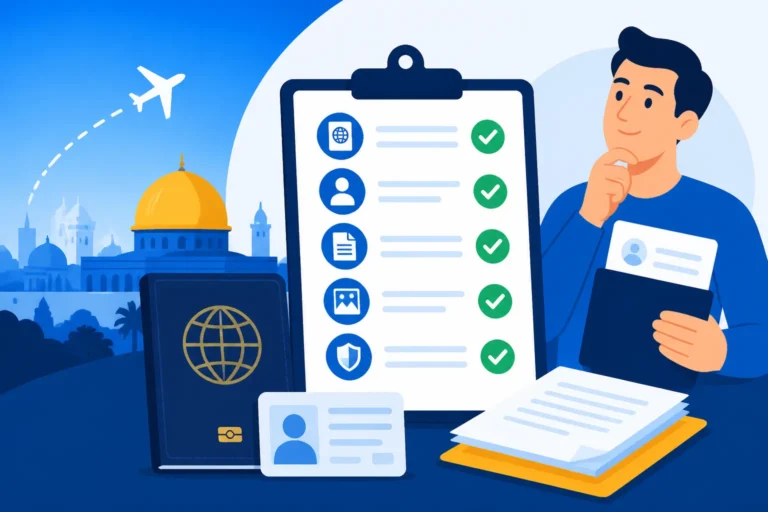
How to Apply for Aliyah Through the Jewish Agency and Nefesh B’Nefesh
Making Aliyah to Israel is a profound, life-changing decision for many, a dream nurtured over years. But let's be honest, the journey to turn that dream into reality can feel like navigating a bureaucratic labyrinth, even with the best intentions. This guide is here to cut through the confusion, offering a comprehensive, step-by-step walkthrough of how to apply for Aliyah through the two main facilitating organizations: The Jewish Agency for Israel and Nefesh B'Nefesh.
Understanding the Aliyah Process: More Than Just a Dream
Believe me, the emotional rollercoaster of deciding to make Aliyah is enough without adding the stress of deciphering convoluted government processes. Many of us arrive with a romanticized vision, only to be hit with a stack of paperwork longer than our arm. That's where these amazing organizations come in, but first, let's ground ourselves in what Aliyah truly entails.
What is Aliyah and Who Qualifies?
At its heart, Aliyah (עֲלִיָּה) means "ascension" or "going up," signifying the immigration of Jews from the diaspora to the Land of Israel. It's not just a move; it's a return. The State of Israel was founded on the principle of being a homeland for the Jewish people, and this is enshrined in the Law of Return (Chok HaShvut). This law grants every Jew, and individuals of Jewish descent, the right to become Israeli citizens.
So, who exactly qualifies under this law? Broadly, it includes anyone born of a Jewish mother or who has converted to Judaism (Orthodox, Conservative, or Reform, outside of Israel, generally speaking) and is not a member of another religion. It also extends to the child and grandchild of a Jew, and the spouse of a Jew, child of a Jew, or grandchild of a Jew. This means you don't necessarily have to be Jewish yourself to qualify, as long as you fall into these specific family categories. This broad definition ensures that families can move together, which is a huge relief for many trying to make the transition. However, it's crucial to understand that while the Law of Return is inclusive, the proof of eligibility is where things often get tricky, requiring meticulous documentation and sometimes, deep dives into family history. If you're wondering about the specifics of your situation, it's always best to consult directly with these organizations, as rules can be nuanced. For a deeper dive, you can explore Understanding Aliyah Eligibility Under the Law of Return (2027).
Why Use an Aliyah Organization?
You might think, "Can't I just show up and apply for citizenship?" In theory, maybe, but in practice, you'd be setting yourself up for an unimaginable headache. Israel's bureaucracy is infamous, even for native Israelis. For newcomers, especially those who don't speak fluent Hebrew or understand the intricate administrative dance, it can be utterly overwhelming. Aliyah organizations are not just facilitators; they are your advocates, your guides, and often, your sanity preservers.
These organizations exist to smooth out the path. They know the ins and outs of the application process, the specific documents required by the Ministry of Interior (Misrad HaPnim), and the correct channels to navigate. They offer pre-Aliyah guidance, helping you understand what to expect, connect you with communities, and even assist with practicalities like finding employment or housing. Without their help, coordinating everything from overseas – gathering documents, arranging interviews, understanding your rights and benefits – would be a monumental task. They provide a vital bridge between your home country and your new life in Israel, ensuring you don't just survive the move, but thrive from the moment you land.
The Jewish Agency for Israel: Your First Stop
For many, The Jewish Agency for Israel (JAFI) is the venerable institution that represents the initial, foundational step in the Aliyah journey. They are the official body designated by the Israeli government to handle Aliyah applications worldwide, acting as the global pipeline for those wishing to move to Israel under the Law of Return.
The Jewish Agency's Role in Aliyah
The Jewish Agency has a long and storied history, predating the State of Israel itself, and has been instrumental in bringing millions of Jews home. Today, their role remains pivotal. They maintain offices and representatives in Jewish communities across the globe, serving as the primary point of contact for potential Olim (new immigrants). Their representatives are often referred to as 'shlichim' or 'Aliyah representatives,' and they are the people who will conduct your initial eligibility interviews, review your documents, and guide you through the early stages of the process.
Think of them as the gatekeepers and initial certifiers. They are responsible for verifying your eligibility under the Law of Return, collecting all the necessary personal and religious documentation, and then forwarding their recommendations to the Israeli Ministry of Interior. This recommendation is a crucial step, as the Ministry of Interior ultimately grants the Aliyah visa. The Jewish Agency also runs various pre-Aliyah programs, seminars, and information sessions, helping prospective Olim prepare for the practical and cultural adjustments of life in Israel. They'll advise you on everything from choosing a community to understanding the basic benefits you'll receive upon arrival.
The Initial Application Steps with The Jewish Agency
Your Aliyah journey typically begins with The Jewish Agency. It's often a straightforward process to get started, though it quickly becomes detail-intensive. You'll usually begin by reaching out to your local Jewish Agency office or their online portal, where you'll be asked to fill out an initial inquiry form. This form collects basic demographic information and your connection to Judaism.
Following this, you'll be assigned an Aliyah representative. This is where the real work begins. You’ll have an initial interview, either in person or virtually, where you’ll discuss your motivations for Aliyah, your family history, and your general plans for life in Israel. This isn't an interrogation; it's a conversation to understand your needs and to ascertain your eligibility. Crucially, your Aliyah representative will provide you with a detailed checklist of required documents. This list can be extensive and will include items like original birth certificates for you and your family, marriage certificates, divorce decrees, death certificates, proof of Jewish lineage (such as ketubot – Jewish marriage contracts – or letters from rabbis), and police background checks from every country you’ve lived in for more than six months since the age of 14. Seriously, start gathering these now. Don't underestimate the time it takes to get official documents, especially if you need apostilles or certified translations. Patience is not just a virtue in this process; it's a necessity. For a full breakdown of documents, take a look at How to Prepare Documents for an Aliyah Application.
Nefesh B'Nefesh: Specialized Support for North American and UK Olim
While The Jewish Agency serves as the overarching body, Nefesh B'Nefesh (NBN) enters the picture to provide enhanced, specialized support for specific demographics. This organization focuses primarily on Olim from North America (USA and Canada) and the United Kingdom, offering services designed to address the unique challenges and opportunities faced by these communities.
Who is Nefesh B'Nefesh and What They Offer
Nefesh B'Nefesh operates in close partnership with The Jewish Agency and the Israeli government. Their mission is to remove professional, social, and financial obstacles that might deter individuals and families from North America and the UK from making Aliyah. They understand that moving halfway across the world, often leaving behind established careers and support networks, requires a different level of hand-holding and specific resources.
NBN goes beyond the basic Aliyah process to offer comprehensive pre- and post-Aliyah services. This includes dedicated employment counseling tailored to the Israeli job market, professional licensing guidance for various fields (from doctors to lawyers), and intensive community integration programs. They also offer enhanced financial assistance and grants that complement the standard Sal Klita (Absorption Basket) provided by the government. One of their most iconic offerings is their charter flights from North America, which turn the act of moving into a celebratory, communal event, providing immediate support and camaraderie from the moment you step on the plane. Their representatives are known for their hands-on approach, often providing a more personalized and extensive level of support compared to the general services of The Jewish Agency. They really try to cover all bases, from finding a school for your kids to navigating the complexities of the Israeli healthcare system.
Navigating the Nefesh B'Nefesh Application
If you're from North America or the UK, you'll generally find yourself undergoing a dual application process: first with The Jewish Agency, and then simultaneously or shortly thereafter with Nefesh B'Nefesh. It's not redundant; it's complementary. The Jewish Agency establishes your basic eligibility for Aliyah, and then NBN steps in to layer on their specialized services and benefits.
After initiating your Jewish Agency application, you'll begin your NBN application, which also has an online portal. You'll fill out more detailed forms focusing on your professional background, financial situation, and preferred communities in Israel. NBN will also conduct its own interviews, which are often more focused on your plans for integration into Israeli society, your career aspirations, and how you envision your life unfolding in Israel. They want to ensure you're making an informed decision and are prepared for the realities of life here. These interviews are your chance to ask detailed questions about employment, housing, and social services. NBN's benefits can be significant, ranging from enhanced grants for families to specific assistance for medical professionals or those moving to certain geographical areas. They also coordinate vital aspects like securing your initial Sal Klita payments and ensuring a smooth transition at Ben Gurion Airport. When it comes to logistical planning, NBN often works with partners for services like shipping; for instance, you might use a moving company found via a platform like Sirelo to help you get your belongings to Israel, and NBN can often provide guidance on those aspects of your move. Understanding these unique benefits is crucial, so be sure to fully engage with their representatives. For more details on benefits, check out What Is the Sal Klita (Absorption Basket) and Who Gets It?.
The Documentation Gauntlet: Preparing Your Paperwork
Ah, the paperwork. This is where many prospective Olim feel like giving up. The sheer volume and specificity of documents required can be daunting, and the process of obtaining them can be slow and frustrating. But trust me, getting this right early on will save you countless headaches down the line.
Essential Documents for Your Aliyah File
The checklist you receive from The Jewish Agency (and later, Nefesh B'Nefesh) will be extensive. Don't just tick boxes; understand what each document signifies and ensure it's presented exactly as requested. Here's a rundown of what you'll typically need:
- Original Birth Certificates: For yourself, your spouse, and any dependent children. These must be official, government-issued documents, not photocopies.
- Marriage and Divorce Certificates: If applicable, original marriage certificates (including ketubot for Jewish marriages) and official divorce decrees or death certificates of previous spouses.
- Proof of Jewish Heritage: This is critical for eligibility. It could include original birth certificates of your Jewish parents or grandparents, ketubot (Jewish marriage contracts) showing Jewish lineage, letters from recognized rabbis attesting to your Jewish status, or formal conversion certificates. For those with patrilineal descent or conversions, the requirements can be more complex and require specific rabbinic endorsements.
- Police Background Checks: This is a non-negotiable. You'll need official criminal record checks from every country you've resided in for six months or more since the age of 14. In the US, this means an FBI Identity History Summary. In other countries, it might be a national police certificate. These need to be pristine, with no open cases, and often have a limited validity period, so time your requests carefully.
- Medical Forms: You'll be asked to complete medical questionnaires and sometimes undergo a medical examination by a doctor. Be honest about your health history.
- Passport Photos: Recent, passport-sized photos meeting international standards.
- Valid Passports: Your current passport must have at least six months' validity remaining from your intended Aliyah date. If you have multiple citizenships, you'll need to provide details for all.
- Proof of Name Changes: Any official documentation if your name has changed from what appears on your birth certificate.
Crucially, many of these documents will need to be official "long form" versions, not just extracts. If documents are not in Hebrew or English, they will require certified translations, and often an apostille or consular legalization, which adds another layer of bureaucracy and cost. Start this process early!
The Verification Process and Potential Hurdles
Once you've submitted your mountain of paperwork, the verification process begins. This involves rigorous checks by both The Jewish Agency and, ultimately, the Misrad HaPnim. This is where many people experience delays and frustrations. Believe me, I've heard stories that would make your hair stand on end about seemingly arbitrary requests or documents that suddenly aren't good enough.
Common hurdles include:
- Missing or Incomplete Documents: This is the most frequent issue. A missing signature, an uncertified copy, or a document that doesn't meet the exact specifications can send you back to square one.
- Discrepancies: Even minor inconsistencies between documents (e.g., different spellings of a name, slightly off birth dates) can trigger further investigation and delays.
- Religious Status Verification: This is often the most sensitive and complex part, especially for individuals whose Jewish lineage is not straightforward, or for converts. The Israeli Rabbinate has strict standards, and sometimes additional proof or interviews are required.
- Criminal Records: Any past criminal offenses, even minor ones, can jeopardize your Aliyah application. Transparency is key, and discussing any past issues with your Aliyah representative before submitting documents is essential.
- Medical Conditions: While Aliyah is largely a right, severe medical conditions that would place an undue burden on the Israeli healthcare system can be a barrier, though this is rare and usually assessed on a case-by-case basis.
The key here is patience and persistence. Maintain meticulous records of everything you submit, every email, and every phone call. Respond promptly to any requests for additional information. The Misrad HaPnim can be particularly slow, so don't expect instant answers. You'll likely need to book an appointment with them at some point, and knowing How to Book a Misrad HaPnim Appointment for My Visa? is definitely useful.
| Feature | The Jewish Agency for Israel | Nefesh B'Nefesh |
|---|---|---|
| Primary Role | Global Aliyah facilitator, official representative of Israeli government for Aliyah. | Specialized support for North American/UK/Australian Olim, enhancing the Aliyah experience. |
| Eligibility | Global scope, verifies basic eligibility under the Law of Return for all potential Olim. | Requires primary eligibility through Jewish Agency; adds further benefits for specific regions. |
| Application Type | Initial Aliyah application, document collection, eligibility interviews, Misrad HaPnim recommendation. | Supplementary application for enhanced benefits, specific interviews, professional support. |
| Services Offered | Basic pre-Aliyah guidance, seminars, general information, initial document processing. | Enhanced financial grants, employment counseling, professional licensing, community integration, charter flights, post-Aliyah support. |
| Main Focus | Gatekeeping and foundational Aliyah process. | Easing integration and overcoming unique challenges for Western Olim. |
| Location | Global network of offices and representatives. | Offices in Jerusalem (Israel) and New York, Toronto, London (diaspora). |
| Benefits | Access to standard Oleh Chadash rights and Sal Klita (managed post-Aliyah by Misrad Haklita). | Additional grants, direct employment assistance, specific workshops, enhanced Sal Klita coordination. |
Interviews, Approval, and the Road to Israel
After you've wrestled with the paperwork, the next significant stage involves a series of interviews. These are your opportunities to connect with the people facilitating your Aliyah and to clarify any remaining questions, but they are also crucial evaluation points.
The Interviews: Jewish Agency & Misrad HaPnim
You'll typically undergo at least two main interviews, each with a distinct purpose.
1. The Jewish Agency Interview:
This is usually your first substantive conversation with an Aliyah representative. Its primary goal is to assess your eligibility under the Law of Return and to understand your personal story and motivations for making Aliyah. They'll review the documents you've submitted, ask about your Jewish background, family history, and your plans for life in Israel. This isn't meant to be intimidating, but rather a chance for them to get to know you and ensure you're a good fit for the process. They want to see that you're genuinely committed and have realistic expectations. Be honest, be prepared to share your connection to Judaism, and bring all your original documents, even if you’ve already submitted copies. They often do a final check of the originals at this stage.
2. The Misrad HaPnim Interview:
This is the big one, the final hurdle before your visa is granted. After The Jewish Agency processes your application and makes its recommendation, your file is forwarded to the Israeli Ministry of Interior (Misrad HaPnim). Their representative will conduct a final interview, usually at an Israeli consulate or embassy in your home country, or at a Misrad HaPnim office if you are applying from within Israel (though this is less common for initial Aliyah). The Misrad HaPnim holds the ultimate authority to approve your Aliyah visa.
This interview is more formal and primarily focuses on verifying the information in your file, particularly your eligibility for the Law of Return and any potential security or criminal background issues. They may ask detailed questions about your Jewish lineage, your family, your criminal record checks, and your intentions for residency in Israel. They want to ensure there are no legal or security impediments to your Aliyah. For specific tips on how to handle this, you might find How Do I Prepare for a Misrad HaPnim Interview for My Visa? helpful. Again, honesty, thorough preparation, and bringing all original documents are paramount. Any discrepancies or evasiveness can cause significant delays or even refusal.
Receiving Your Aliyah Visa and Preparing for Departure
If all goes well and your interviews are successful, congratulations! You'll receive notification of your Aliyah approval. What happens next is exhilarating: your Aliyah visa will be stamped into your passport. This special visa (typically an A/1 Temporary Resident Visa, which converts to citizenship upon arrival) is your golden ticket.
The final phase involves coordinating your actual move. If you're coming from North America or the UK, Nefesh B'Nefesh will guide you through booking a flight, often on one of their special charter flights. These flights are designed for Olim, offering a wonderful sense of community from the get-go and often direct assistance upon landing. NBN will also help you understand the initial financial benefits you're entitled to upon arrival and how the Sal Klita (Absorption Basket) works.
Before you fly, you'll need to finalize a myriad of practical details: canceling utility services, forwarding mail, closing bank accounts (or transferring funds), and saying goodbye to loved ones. When thinking about your belongings, this is where a global moving company that is part of a network like Sirelo can be invaluable in handling the logistics of shipping your household goods. You'll also need to ensure you have adequate health insurance for the transition period. While you’ll be covered by National Health Insurance (Bituach Leumi) once you officially register with a Kupat Holim in Israel, there might be a waiting period, especially for new Olim. Having a temporary or supplementary private plan like Cigna Global to bridge any gaps for the first few weeks or months can offer immense peace of mind. Make sure you understand Understanding Health Insurance Waiting Periods for New Olim in Israel.
Landing in Israel: Your First 90 Days
The moment you step off that plane at Ben Gurion Airport, the real adventure begins. The first few days, weeks, and months in Israel are a whirlwind of new experiences, new language, and more administrative tasks.
Ben Gurion Airport and Initial Absorption
Landing at Ben Gurion Airport as a new Oleh is unlike any other arrival. You'll often be greeted by enthusiastic representatives from The Jewish Agency and Nefesh B'Nefesh, creating a truly memorable welcome. This isn't just a friendly gesture; it's the start of your official absorption process.
You'll be guided through a special Aliyah processing area. Here, you'll complete some essential paperwork, and crucially, you'll receive your Teudat Oleh (New Immigrant Certificate) and a temporary Teudat Zehut (Identity Card). The Teudat Oleh is your key to accessing the various Aliyah benefits, from financial assistance to customs exemptions. You’ll also receive your first installment of the Sal Klita (Absorption Basket) cash grant directly at the airport or very shortly after. This initial cash helps cover immediate expenses. Representatives will also assist with transportation from the airport to your initial accommodation. It's a lot to take in after a long flight, but it’s designed to be as smooth as possible. For a deep dive into what to expect in those crucial early days, check out The Complete Guide to Making Aliyah: Your First 90 Days in Israel (2027). And for more on that vital document, read How Do I Get a Teudat Oleh in Israel?.
Essential First Steps on the Ground
After the initial excitement of arrival, it's time to roll up your sleeves and tackle the practicalities of becoming an Israeli resident. The first 90 days are packed with important tasks that will set the foundation for your new life.
- Open a Bank Account: This is probably your first major priority. You'll need an Israeli bank account to receive your Sal Klita payments, your salary, and to pay bills. Head to one of the major banks like Bank Leumi, Bank Hapoalim, or Discount Bank. Bring your Teudat Oleh, temporary Teudat Zehut, and passport. The process can feel a bit clunky, but it's manageable. Learn more about it in The Expat Guide to Opening a Bank Account in Israel.
- Register with a Kupat Holim (Health Fund): Israel has a fantastic public healthcare system, but you need to register with one of the four main health funds: Clalit, Maccabi, Meuhedet, or Leumit. This is mandatory, and you'll typically do this at a local branch. Your choice of Kupat Holim will determine your primary care doctor and clinics. It's one of the most important things you'll do. Details on this can be found in How to Register with a Kupat Holim as a New Immigrant in Israel.
- Get Your Permanent Teudat Zehut: While you received a temporary one at the airport, you'll need to visit the Misrad HaPnim to get your biometric permanent Teudat Zehut. This is your official Israeli ID card and is essential for almost everything you'll do in Israel. Be prepared for potentially long waits and remember to book an appointment in advance. Understanding How Do I Get a Teudat Zehut After Making Aliyah? is crucial here.
- Enroll in Ulpan: If your Hebrew isn't fluent, enrolling in an Ulpan (intensive Hebrew language school) is highly recommended. New Olim often receive significant subsidies for Ulpan courses. It's not just about language; it’s a vital tool for integration, making friends, and understanding the culture. Check out Learning Hebrew: A Complete Guide to Ulpan and Language Levels for more information.
- Look for Housing and Employment: The Jewish Agency and Nefesh B'Nefesh offer resources for both, from job fairs to housing lists. These are big decisions, so take your time and utilize the support available.
It's a lot, I know. There will be moments of frustration, confusion, and maybe even a few tears. But remember why you came. Lean on the support systems provided by The Jewish Agency and Nefesh B'Nefesh. They've seen it all, and they're there to help you every step of the way as you build your new life in Israel.
Disclaimer
The information provided in this guide is for general informational purposes only and does not constitute legal, financial, or medical advice. Aliyah processes, eligibility criteria, and government benefits are subject to change by the State of Israel, The Jewish Agency for Israel, and Nefesh B'Nefesh. It is essential to consult directly with official representatives of these organizations, the Israeli Ministry of Interior, and relevant professional advisors (e.g., lawyers, accountants) for personalized and up-to-date guidance regarding your specific situation before making any decisions related to Aliyah or immigration.