How Do I Move My Family to Israel on a Work Visa?
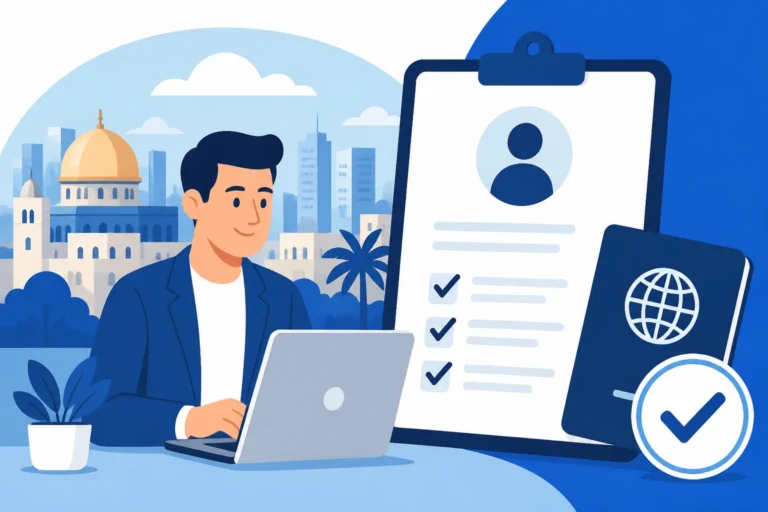
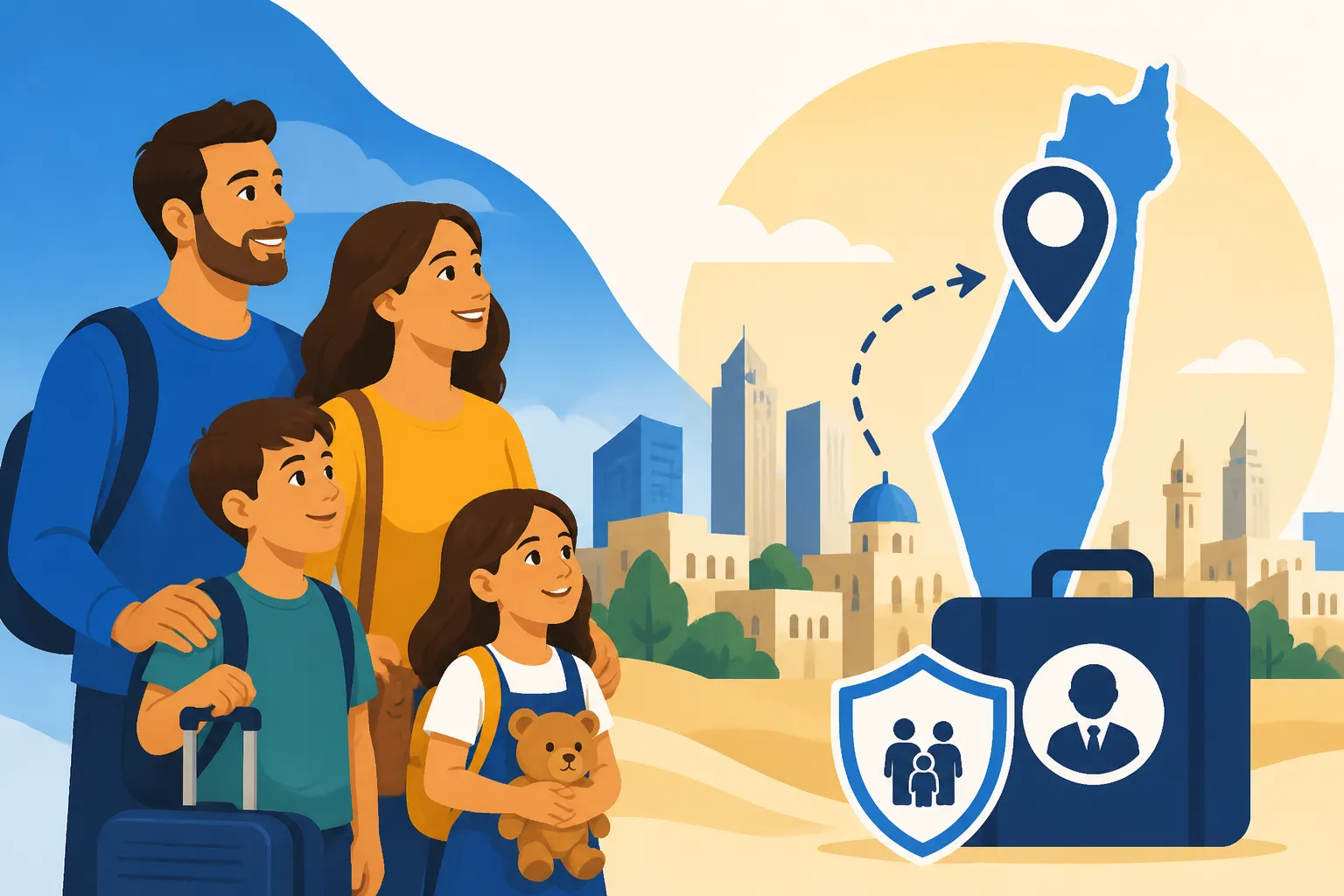
Moving your family to Israel on a work visa isn't just about securing that coveted B/1 visa for yourself; it's about navigating a complex, often bureaucratic, system to ensure your spouse and children can legally and comfortably join you. Many expats quickly realize that while their visa might be straightforward thanks to an employer, the family part can feel like a labyrinth of paperwork, appointments, and endless waiting. This guide will walk you through the realities, requirements, and practicalities of bringing your entire family to start a new life in Israel, validating your frustrations along the way.
Understanding the Israeli Work Visa for Families: The B/1 Journey
Let's be real, the Israeli visa system, especially for non-Olim (new immigrants under the Law of Return), can feel like a test of endurance. When you're the primary applicant for a work visa, the focus is almost entirely on you and your specific skills that an Israeli company desperately needs. But what about the people who make your life complete, your family? Their journey is inextricably linked to yours, but often follows a slightly different, equally challenging path.
The Primary Worker's B/1 Visa: The Foundation
First things first, your B/1 work visa is the absolute bedrock upon which your family's ability to join you rests. This isn't just any work visa; for most expats, especially in the high-tech or specialized industries, it's typically an "Expert Visa" (known as a B/1 Expert Visa). This visa category is for highly skilled individuals whose expertise is not readily available in the Israeli labor market. Your Israeli employer is usually the one sponsoring this, handling a significant chunk of the initial application process through the Ministry of Interior (Misrad HaPnim) and providing the necessary documentation to prove your value.
Without your B/1, or with any issues in its validity, your family's status becomes precarious. It means the employer has to prove your necessity, get approval for you, and then, only then, can the conversation truly begin for your dependents. This sequential process is vital to understand, as it means delays on your end can have a ripple effect on your entire family's move. It's frustrating to feel like the entire household's future hinges on a single piece of paper, but that's often the reality here.
Family Members and Their Visa Status
This is where it gets a bit nuanced, and frankly, can be a source of a lot of stress for expat families. While you, the primary worker, get a B/1, your family members typically receive different types of visas depending on their relationship to you and their age.
Your spouse, for instance, will generally be granted a B/2 tourist visa initially. Yes, you read that right – a tourist visa. This B/2 allows them to legally reside in Israel as your dependent, but it often comes with a critical caveat: it typically doesn't grant them the automatic right to work. This can be a huge point of contention for many families, as it means the accompanying spouse often has to navigate their own separate work permit application if they wish to seek employment, which is another bureaucratic hurdle. Over time, for those planning a very long stay or seeking a more permanent status, there is a "graduated process" that can eventually lead to an A/5 temporary residence visa and potentially even citizenship, but that's a much longer, multi-year journey. For the immediate future, think B/2. For more detailed information, you might want to look into the intricacies of Family Reunification and Spousal Visas in Israel: A Complete Guide.
For your children, particularly those under 18, they too will usually enter Israel on a B/2 tourist visa as your dependents. This visa permits them to reside in the country and, crucially, to enroll in Israeli schools, whether public or international. The good news is that for children, the B/2 is generally less problematic in terms of their daily life here, as their primary activities are school and being part of the family unit. However, just like your spouse's visa, their B/2 is directly tied to the validity of your B/1. If your B/1 isn't renewed, neither are theirs. This dependency can feel like a sword of Damocles hanging over your head, requiring meticulous attention to renewal dates and requirements. If you have older children looking to pursue higher education independently, they might need to apply for a separate student visa (A/2) for Israel, which operates under its own set of rules and isn't usually tied to your work visa.
Navigating the Visa Application Process for Your Loved Ones
The initial excitement of receiving your own work visa can quickly be replaced by the daunting reality of collecting documents and filling out forms for your entire family. This stage is notorious for testing patience, demanding meticulous organization, and often requiring repeated visits to government offices or consulates. It's not uncommon to feel like you're collecting stamps and signatures just for the sake of it, but every single piece of paper plays a role in establishing your family's legal right to be here.
Essential Documents and Requirements for Dependents
Prepare for a document marathon. Each family member will need their own set of paperwork, often mirroring yours but with specific additions to prove familial relationships. Here's a breakdown of what you can expect:
- Passports: Valid for at least six months beyond your intended stay, with plenty of blank pages. Make sure every family member's passport is up to date.
- Birth Certificates: Original, full-length birth certificates for every family member. These often need to be apostilled or legalized by the relevant authorities in your home country. This can be a time-consuming process, so start early!
- Marriage Certificate: For your spouse, the original marriage certificate is required, also usually apostilled or legalized. This proves the legal union that allows for dependent status.
- Police Clearances: Typically required for adults over a certain age (often 16 or 18) from every country they've resided in for a significant period. Another item that requires forward planning, as it can take weeks or even months to obtain.
- Proof of Funds: You'll need to demonstrate that you can financially support your entire family without becoming a burden on the state. This usually involves bank statements, employment contracts, and letters from your employer.
- Health Insurance: This is absolutely non-negotiable. Every family member needs comprehensive health insurance that covers their stay in Israel. While your employer might provide a basic plan for you, you'll need to ensure it extends to your dependents or secure a separate policy. Many expats find robust international private health insurance providers like Cigna Global to be excellent options, offering comprehensive coverage that often exceeds basic requirements, giving you peace of mind during your transition. You can read more about what's required in What Health Insurance Do I Need for an Israeli Work Visa?.
- Passport Photos: Recent, compliant with Israeli visa photo specifications.
- Visa Application Forms: Duly completed and signed for each individual.
- Letter from Your Employer: This letter is crucial. It should confirm your employment, salary, and explicitly state that your employer is aware of and supports your intention to bring your family, ideally mentioning their commitment to assist with the visa process for your dependents.
Crucially, any documents not in Hebrew or English will need to be translated by a certified translator and often notarized. The Misrad HaPnim is notoriously strict about document authenticity and presentation, so double-check every detail.
Applying from Abroad vs. In-Country Adjustments
When it comes to applying for your family's visas, you generally have two main routes, each with its own set of advantages and challenges:
Applying from Abroad (Recommended for most families):
This involves your family applying for their B/2 dependent visas at the Israeli embassy or consulate in your home country before they travel to Israel.
- Pros: It ensures your family arrives with their legal status sorted, reducing immediate stress upon arrival. They can often enter on their visa directly. It's generally smoother as consulates are usually more familiar with processing these applications.
- Cons: It can mean a longer period of separation while their applications are processed. It requires coordination between you (in Israel, potentially) and your family (back home).
This is usually the path of least resistance. Your employer's HR or legal team, who helped with your B/1, should be able to provide guidance on the specific requirements for dependent visas at the consulate. They might even have contacts there to help streamline the process.
In-Country Adjustments (Use with extreme caution):
This involves you arriving in Israel on your B/1, and then attempting to apply for your family's dependent visas at the Misrad HaPnim after they arrive, possibly on tourist visas (B/2).
- Pros: Potentially faster family reunification, as they can travel sooner.
- Cons: This route is fraught with challenges. The Misrad HaPnim is known for its inconsistent application of rules, long waiting times for appointments, and frequent requests for additional, sometimes seemingly arbitrary, documents. It can lead to your family being in Israel on a tourist visa that needs frequent extensions, creating immense uncertainty and stress. Furthermore, there's no guarantee that the Misrad HaPnim will approve the visa conversion, potentially forcing your family to leave the country and apply from abroad anyway. This is especially true if their initial entry visa did not explicitly state "intent to join a worker". While tempting for speed, many expats advise against this unless absolutely necessary and with expert legal guidance. If you do go this route, be prepared for a long and arduous process, and make sure you know How Do I Book a Misrad HaPnim Appointment for My Visa? well in advance.
Regardless of the route, maintain clear and continuous communication with your Israeli employer, as their support and understanding of the process are invaluable.
Practical Steps for Settling Your Family in Israel
Getting the visas is a huge win, but it's just the starting line for creating a home. Israel is a vibrant, exciting place, but it also has its quirks, especially when it comes to setting up daily life. For expat families, thinking beyond the visa means actively planning for housing, education, healthcare, and most importantly, integrating into a new culture.
Housing, Education, and Healthcare Considerations
These three pillars are fundamental to your family's well-being and successful relocation:
-
Housing: Finding family-friendly accommodation in Israel, particularly in major expat hubs like Tel Aviv, Jerusalem, or Herzliya, can be a challenge. Apartments are often smaller than what you might be used to, and prices can be steep. You'll need to consider:
- Size: How many bedrooms do you truly need? Space often comes at a premium.
- Location: Proximity to schools, public transport, and your workplace.
- Budget: Be realistic about what you can afford, and factor in additional costs like Arnona (municipal tax) and Vaad Bayit (building maintenance fees).
- Agents: Using a reputable real estate agent (Metavech) can be invaluable, especially if your Hebrew isn't strong. They can help navigate rental contracts (Chozeh Schirut) which can be dense.
- Start your search early, ideally before you arrive. Websites like Yad2 are popular, but engaging local agents is often more effective. For a deeper dive, check out How to Find and Rent Long-Term Accommodation in Israel. When it comes to the actual move, getting your belongings across borders is another beast. Services found via platforms like Sirelo can simplify finding reliable international moving companies that handle everything from packing to customs clearance, reducing a huge amount of relocation stress for families.
-
Education: This is often a top concern for expat parents. Israel offers a few pathways:
- Public Schools (Mamlakhti): These are free and generally high quality. However, the language of instruction is Hebrew, and the curriculum is Israeli. While children, especially younger ones, are incredibly adaptable, there can be an initial period of intense language immersion and adjustment. Many schools do have programs to help new students, but parental support is key.
- International Schools: Located primarily in Tel Aviv and Jerusalem, these schools teach in English (or other foreign languages) and follow international curricula (e.g., IB, American, British). They offer a smoother academic transition for children but come with very high tuition fees.
- Preschools (Ganim): For younger children (ages 3-6), Israel has a robust gan (preschool) system. Many ganim are excellent, fostering social skills and often offering a gentle introduction to Hebrew. Some private, English-speaking ganim are also available in expat areas.
-
Healthcare: Once your family has their legal status sorted and you've registered with Bituach Leumi (National Insurance) through your employer, they will be eligible to join one of Israel's four public health funds (Kupot Holim): Clalit, Maccabi, Meuhedet, or Leumit.
- Registration: This is a crucial step. As dependents of a work visa holder, your family should be able to register relatively quickly, usually without the longer waiting periods sometimes associated with new Olim. This will give them access to the "health basket" (Sal Briut) of services.
- Choosing a Kupah: Each Kupat Holim has its pros and cons, branches, and English-speaking staff availability. Research which one best suits your family's needs.
- Supplementary Insurance (Bituach Mashlim): Consider adding supplementary insurance through your chosen Kupah. This can provide discounts on specialist visits, dental care, and other services not fully covered by the basic health basket. For a full picture of the system, read The Complete Guide to Healthcare in Israel for Olim and Expats (2027) and How to Register with a Kupat Holim as a New Immigrant in Israel.
- Remember that while the public system is excellent, having an international private health insurance plan like Cigna Global can act as a crucial safety net for immediate needs upon arrival or for services you might prefer to access privately.
Integrating into Israeli Life and Community Support
Beyond the logistics, the emotional and social integration of your family is paramount. Israel has a unique, vibrant, and often intense culture that can be a wonderful adventure but also requires adjustment.
- Language Acquisition: For adults, enrolling in an Ulpan (intensive Hebrew language school) is highly recommended. It’s not just about learning the language; it’s a fantastic way to meet other new arrivals and build a support network. For children, immersion in school will rapidly accelerate their Hebrew, but consistent support and encouragement from home are vital. Understanding even basic Hebrew will dramatically improve your family's day-to-day life and ability to navigate Israel. You can find out more in Learning Hebrew: A Complete Guide to Ulpan and Language Levels.
- Finding Your Community: Israel is a country of strong communities. Seek out expat groups on social media, join local community centers (Matnasim), or find religious institutions that align with your family's beliefs. Building a social circle will combat loneliness and provide invaluable support and advice from others who have been through similar experiences.
- Embracing the Culture: Israelis are known for their directness, warmth, and strong family values. The pace of life can feel frenetic, and things don't always run on schedule. Encourage your family to embrace these differences with an open mind and a sense of humor. Visiting local markets, celebrating holidays, and simply observing daily life can be enriching experiences.
- Mental Well-being: Moving a family across the world is a massive undertaking that can take a toll. Be aware of signs of stress or culture shock in yourself, your spouse, and your children. Create safe spaces for everyone to express their feelings, and don't hesitate to seek professional support if needed. Many expat communities have networks of English-speaking therapists.
Common Challenges and Pro Tips for Expat Families
Let's face it, moving is hard. Moving your entire family to a new country with a different language, culture, and bureaucratic system is even harder. You're going to encounter bumps, detours, and moments where you just want to throw your hands up in exasperation. As an expat who’s been there, done that, and probably spilled coffee on crucial visa documents more times than I care to admit, I can tell you that preparation, patience, and a good sense of humor are your best friends.
Overcoming Bureaucracy and Language Barriers
The Israeli bureaucracy can feel like a formidable beast. You’ll hear stories, you’ll live stories, and you’ll share stories about the sheer amount of paperwork and the often-confusing processes.
- Patience is a Virtue, Persistence is a Superpower: Nothing happens quickly in Israeli government offices. Appointments can be elusive, lines can be long, and sometimes you'll be asked for a document you weren't told you needed. The key is to take a deep breath, remain polite but firm, and persist. Don't give up after one "no." Sometimes, simply coming back on a different day or speaking to a different clerk can yield a different result.
- Document, Document, Document: Keep meticulous records of everything. Every email, every phone call, every document you submit, every receipt you get. Create physical and digital copies. A dedicated folder (or three!) for each family member's visa and registration documents will be your lifesaver. You never know when you'll need to prove something, and having it at your fingertips will save you endless headaches.
- The Hebrew Hurdle: While many Israelis, especially in cities like Tel Aviv, speak excellent English, daily life interaction with officials, shopkeepers, and even some service providers will often default to Hebrew. Don't underestimate the mental fatigue of constantly navigating a foreign language.
- Basic Phrases: Learn greetings, numbers, and key phrases for asking for help or clarification. It shows respect and can often get you further than pure English.
- Translate: Use translation apps liberally for documents, signs, and conversations.
- Bring a Friend: For critical appointments (Misrad HaPnim, banks, utility companies), if your Hebrew isn't confident, bring an Israeli friend or hire a translator. Their presence can make a world of difference in understanding and being understood.
- Utilize Your Employer's Resources: Your employer, particularly if they are experienced with international hires, should have an HR or legal department that can provide substantial assistance, especially with the Misrad HaPnim. Lean on them for advice, appointments, and clarification. They might even have an expat liaison.
Maintaining Your Family's Wellbeing
Relocation stress is real, and it affects every member of the family differently. It's crucial to be proactive in supporting everyone's emotional and physical health throughout the transition.
- Open Communication: Encourage everyone in the family to talk about their feelings – the good, the bad, and the confusing. Validate their struggles. It’s okay to miss home, even if you’re excited about the new adventure.
- School Adjustments: Children can struggle academically, socially, or emotionally when entering a new school system, especially with a language barrier. Work closely with the school, ask about integration programs, and provide extra support at home. Patience and understanding are key during this period. Remember, it might take a full school year for a child to truly feel settled.
- Establish Routines Quickly: Familiar routines can provide a sense of stability and normalcy in an otherwise chaotic time. Try to establish meal times, bedtime routines, and weekend activities early on.
- Find Comforts from Home: While embracing the new culture, don't completely abandon traditions or comforts from your home country. Cook familiar meals, celebrate holidays in your own way, and bring favorite toys or blankets for the children. These small things can make a big difference in feeling settled.
- Prioritize Health: Make sure everyone is registered with a Kupat Holim and has access to doctors. Don't let the administrative hassle prevent you from seeking medical attention if needed. This is where comprehensive health insurance like Cigna Global can be particularly valuable, providing access to a wider network of healthcare professionals or specific services that might be critical for your family's peace of mind. Remember, your peace of mind is invaluable, and knowing your family is covered, whether through the public system or a supplementary private plan, is essential.
- Explore and Enjoy: Make time to explore Israel as a family. Visit the beaches, hike in the national parks, discover historical sites, and enjoy the incredible food scene. Creating positive new memories together will strengthen your bond and foster a sense of belonging in your new home. For help with the actual logistics of moving your belongings, remember that a good moving company found through services like Sirelo can significantly lighten the load, allowing you more time to focus on your family's emotional well-being and integration.
Moving your family to Israel on a work visa is an adventure filled with both immense challenges and incredible rewards. With careful planning, unwavering patience, and a strong support system, you can navigate the complexities and build a fulfilling new life for your entire family in the diverse and dynamic heart of the Middle East.
Disclaimer
The information provided in this guide is intended for general informational purposes only and does not constitute legal, financial, or medical advice. Visa requirements, regulations, and processes in Israel are subject to change without notice. Readers are strongly advised to consult with relevant Israeli government authorities, immigration attorneys, and other qualified professionals for advice tailored to their specific situation before making any decisions related to their relocation or visa application.