The Complete Guide to Making Aliyah and Israeli Citizenship (2027)
Thinking about making Aliyah or navigating the path to Israeli citizenship? It's a journey filled with incredible anticipation and profound meaning, but let's be honest, it can also feel like an administrative obstacle course designed by Kafka himself. The endless forms, the multiple government offices, the language barrier – it’s enough to make even the most determined expat want to throw their hands up. This guide is here to demystify the entire process, from understanding the Law of Return to securing your Israeli passport, offering practical, empathetic advice for your momentous move to Israel.
Understanding Aliyah and the Law of Return
For many, the dream of living in Israel begins with Aliyah, the Hebrew term for immigration to Israel, literally meaning "ascension." It's not just a change of address; it's a profound homecoming, deeply rooted in Jewish tradition and the modern state's founding principles. But what exactly does it mean, and who gets to participate?
The Essence of Aliyah and its Significance
Aliyah is the immigration of Jews from the diaspora to the Land of Israel. It's considered a fundamental tenet of Zionism and is enshrined in Israeli law. For centuries, Jews around the world have yearned to return to their ancestral homeland, and the establishment of Israel in 1948 opened the gates for this dream to become a reality. When you make Aliyah, you're not just becoming a resident; you're becoming a citizen, with all the rights and responsibilities that entail, often immediately upon arrival. This direct path to citizenship is unique compared to most other countries, which typically require years of residency before applying.
The significance of Aliyah extends beyond legal status. It’s a cultural, spiritual, and communal integration. You’re joining a society that is largely built by Olim (immigrants) and continues to be shaped by new arrivals. It means embracing a new language, adapting to a new rhythm of life, and becoming part of a vibrant, diverse nation. For many, it represents the culmination of a lifelong aspiration, connecting them to Jewish history and the future of the Jewish people. This journey can be deeply personal, sometimes challenging, but ultimately incredibly rewarding.
Who Qualifies Under the Law of Return
The cornerstone of Aliyah is Israel's Law of Return (Chok HaShvut), enacted in 1950. This law grants every Jew the right to immigrate to Israel and automatically acquire Israeli citizenship. But here’s where it gets a little nuanced. "Who is a Jew?" can be a complex question, but for the purposes of the Law of Return, it’s defined quite broadly. You qualify if you are:
- A Jew: This includes anyone born to a Jewish mother, or who has converted to Judaism (Orthodox, Conservative, or Reform conversions are generally accepted, though non-Orthodox conversions may face scrutiny from certain religious bodies in Israel, they are recognized for Aliyah).
- A Child of a Jew: Even if you aren't Jewish yourself, if one of your parents is Jewish, you qualify.
- A Grandchild of a Jew: Similarly, if one of your grandparents is Jewish, you also qualify for Aliyah. This means a wide range of individuals with Jewish ancestry are eligible.
- The Spouse of a Jew, Child of a Jew, or Grandchild of a Jew: This is crucial for families. The Law of Return extends to the non-Jewish spouses of eligible individuals, as well as their children and grandchildren, provided they do not have a different religion voluntarily. This ensures that families can make Aliyah together, which is a massive relief for many mixed couples I've seen.
However, there’s an important caveat: you typically do not qualify if you have voluntarily converted to another religion, even if you meet one of the other criteria. The law seeks to facilitate the return of the Jewish people and their descendants, but generally excludes those who have consciously chosen another faith. This aspect can sometimes be a point of contention and requires careful documentation and explanation during the application process. Understanding the Law of Return (Chok HaShvut) and Who Qualifies is truly the first step for anyone considering this path.
Eligibility and Documentation for Aliyah
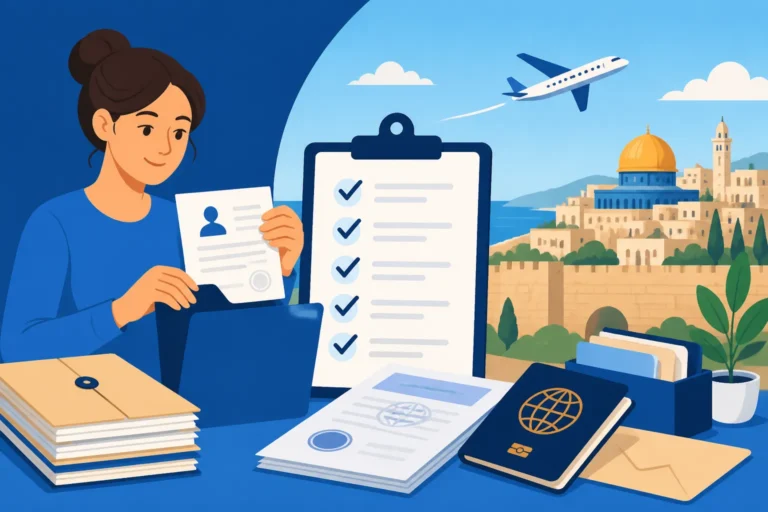
So, you think you might qualify? Fantastic! Now comes the part where you gather the evidence to prove it. This stage often feels like a treasure hunt through your family history and personal archives, and it requires meticulous attention to detail. Don't underestimate the power of a single missing document to stall your application.
Essential Documents for Your Aliyah Application
Gathering the right paperwork is paramount. The Jewish Agency, a key organization in facilitating Aliyah, and the Israeli Ministry of Interior (Misrad HaPnim) will want to see a comprehensive portfolio that paints a clear picture of your eligibility and identity. Here’s a rundown of what you’ll likely need:
- Passport and Travel Documents: A valid passport from your current country of citizenship, with at least six months validity remaining. You'll also need copies of all previous passports and any Israeli visas you've held.
- Proof of Jewish Ancestry: This is the big one. It could include birth certificates for yourself, your parents, and your grandparents (Jewish line), marriage certificates (Ketubahs) of Jewish ancestors, official letters from recognized rabbis, or synagogue membership records. If you converted, you’ll need official conversion certificates from a recognized rabbinical court or movement.
- Personal Identification: Your birth certificate, current government-issued ID, and any name change documents.
- Marital Status Documents: Marriage certificates, divorce decrees, or death certificates of a spouse, if applicable.
- Criminal Background Check: A police clearance certificate from every country you've lived in for more than a year since age 16, proving you have no criminal record. This needs to be official and often apostilled or authenticated.
- Medical Records: While not always required upfront by the Jewish Agency, having a general medical history and any critical health information on hand is wise, especially for complex cases or specific health concerns. You'll also need to prove you have adequate health insurance for your initial arrival period, often for the first year.
- Photographs: Passport-sized photos as per standard international requirements.
- Financial Statements: Proof of sufficient funds to support yourself for at least the first 6-12 months in Israel. This isn't always a strict requirement for every Oleh but can strengthen your application, especially if you're not planning to work immediately.
- Proof of Renunciation of Other Citizenship (for some): While Israel generally allows dual citizenship, some countries (like Germany or India, though rules may change) may require you to renounce your previous citizenship upon acquiring Israeli citizenship. Be sure to check your current country's laws.
Remember, every document needs to be original or a certified true copy, and if not in Hebrew or English, it will require a certified translation. You’ll be asked to provide multiple copies of everything, so start scanning and organizing early! Taking the time to prepare documents for an Aliyah application thoroughly now will save you countless headaches later.
Special Considerations for Spouses and Children
Bringing your family along is, for many, a non-negotiable part of making Aliyah. Israel's Law of Return is quite generous in this regard, ensuring that families can stay together. However, there are specific requirements to consider for non-Jewish spouses and children.
For non-Jewish spouses, they are eligible to make Aliyah with their Jewish spouse, child, or grandchild. This is critical for mixed families. The key is that the non-Jewish spouse must not have voluntarily converted to another religion. They will receive an A/5 Temporary Resident visa initially and can apply for full citizenship after a period of residency, typically through a gradual process, often referred to as "the graduated process." This usually involves several years of living in Israel, and renewing their temporary status at the Misrad HaPnim, proving the genuineness of the marriage. It sounds complicated, and it can be, but it’s a standard path.
Children (under 18) of eligible Olim also qualify for Aliyah. If both parents are making Aliyah, it’s straightforward. If only one parent is making Aliyah, or if the child is making Aliyah with a Jewish grandparent, proper documentation proving the family relationship and the consent of all legal guardians is essential. For adult children (over 18) of Olim, if they are still single and dependent on their parents, they may also be eligible under certain circumstances, but this should be verified with the Jewish Agency directly. For families, securing their future together in Israel is often the biggest motivation, and thankfully, the system is designed to support this.
The Aliyah Application Process
So, you’ve gathered your documents, checked your eligibility, and you're ready to take the plunge. The Aliyah application process is a multi-step journey, and while it might seem daunting, breaking it down into manageable chunks makes it much less overwhelming. Remember, organizations like the Jewish Agency and Nefesh B'Nefesh exist to guide you through this very process.
Initiating Your Application through The Jewish Agency
For most individuals making Aliyah, the journey begins with The Jewish Agency for Israel (Sochnut HaYehudit). They are the primary organization responsible for facilitating Aliyah from around the world. Here's how it generally works:
- Contact The Jewish Agency: Your first step is to get in touch with your local Jewish Agency representative or Shaliach (emissary) in your country of residence. They will be your main point of contact throughout the initial stages. You can find their offices or contact information online.
- Initial Interview and Documentation Review: You'll have an interview with a Shaliach, who will assess your eligibility under the Law of Return, explain the process, and provide you with a detailed checklist of required documents specific to your case. This is where your meticulously organized paperwork from the previous section comes into play. They'll review everything, often pointing out any missing pieces or clarifications needed.
- Security Clearance: Once your documents are submitted, The Jewish Agency will forward your file to Israel for security checks. This is a standard procedure for all prospective Olim and can take some time.
- Misrad HaPnim Approval: After security clearance, your file goes to the Ministry of Interior (Misrad HaPnim) in Israel for final approval of your Aliyah visa. This is the governmental body that ultimately grants you your Oleh status.
- Receiving Your Aliyah Visa: Once approved, The Jewish Agency will issue you an Aliyah visa in your passport. This visa is what allows you to enter Israel as an Oleh. It typically has a validity period, so be mindful of your travel plans.
Throughout this process, don't be afraid to ask questions. The Shlichim are there to help, and they've seen every type of situation imaginable. They understand the emotional weight of this decision and the practical challenges of paperwork. For many, applying for Aliyah Through the Jewish Agency and Nefesh B'Nefesh becomes a lifeline during this complex period.
The Role of Nefesh B'Nefesh for North American and UK Olim
If you're making Aliyah from North America or the United Kingdom, you have an additional resource: Nefesh B'Nefesh. This organization works in partnership with the Israeli government and The Jewish Agency to streamline the Aliyah process for these communities, offering enhanced services, financial grants, and extensive support.
Nefesh B'Nefesh essentially acts as an additional layer of support, coordinating many of the steps with The Jewish Agency and the Misrad HaPnim on your behalf. Their services include:
- Financial Assistance: They often provide grants and various forms of financial aid to help with relocation costs and initial absorption, which can be a huge relief, especially for families.
- Logistical Support: From arranging flights to offering guidance on shipping your belongings (and even connecting you with services like Sirelo to compare international moving quotes), they help with the practicalities of the move.
- Pre-Aliyah Preparation: They offer seminars, webinars, and online resources covering everything from healthcare and education to employment and housing, ensuring you’re as prepared as possible.
- Post-Aliyah Support: Their assistance doesn’t end when you land. They continue to provide support during your initial absorption period, helping with bureaucratic navigation and integration.
- Personalized Case Management: You'll often have a dedicated Aliyah advisor who can guide you through each stage, helping you gather documents, prepare for interviews, and overcome challenges.
Utilizing Nefesh B'Nefesh can significantly ease the burden of Aliyah for eligible individuals. They are particularly adept at smoothing out the administrative wrinkles and providing the kind of hand-holding that many new Olim desperately need. They essentially take much of the stress out of How to Apply for Aliyah Through the Jewish Agency and Nefesh B'Nefesh.
Completing Your Aliyah at Ben Gurion Airport
The moment your plane touches down at Ben Gurion Airport (TLV) is truly special – it's often described as the most moving part of the Aliyah journey. But it's also where the final administrative steps for your Aliyah are completed.
Upon arrival, you will be greeted by a representative, often from The Jewish Agency or Nefesh B'Nefesh (if you applied through them). They will guide you through a dedicated Aliyah processing area, separate from the general immigration lines. Here, you will officially complete your Aliyah by presenting your Aliyah visa and other necessary documents.
This is where you will typically receive your:
- Teudat Oleh (Immigrant Certificate): This is your official document confirming your status as a new immigrant (Oleh Chadash). It's crucial for accessing all the benefits and rights associated with Aliyah.
- Temporary Teudat Zehut (Identity Card): You won't get your permanent biometric Teudat Zehut immediately, but you'll usually receive a temporary one, which is essential for opening a bank account, registering for health services, and other immediate needs. The permanent one will be issued later at the Misrad HaPnim.
- Bituach Leumi (National Insurance Institute) Registration: Your initial registration with Bituach Leumi, which is vital for National Health Insurance (Bituach Briut Mamlachti) coverage, begins here.
- Initial Sal Klita Payment: If you are eligible for the Sal Klita (Absorption Basket), you may receive the first installment directly at the airport. This is a financial aid package designed to help new Olim with initial expenses.
It's a whirlwind of paperwork, signatures, and congratulations, but it's incredibly efficient. This airport process is designed to get you registered and ready for your new life in Israel as quickly as possible. Take a deep breath, try to take it all in, and celebrate – you've made it home! The completion of your Aliyah Process at Ben Gurion Airport marks the official start of your life as an Israeli citizen.
Life After Aliyah: Initial Steps
Okay, you've landed, you've got your Teudat Oleh and a temporary Teudat Zehut in hand. Now what? The first few weeks and months after Aliyah are a blur of settling in, learning the ropes, and navigating the practicalities of life in Israel. This phase can be both exhilarating and exhausting, as you juggle new systems, a new language, and a new culture.
Securing Your Official Documents: Teudat Zehut and Passport
Your temporary Teudat Zehut is a good start, but you'll quickly need to obtain your permanent biometric Teudat Zehut, and if you choose, your Israeli passport. These are your essential keys to navigating daily life here.
- Permanent Biometric Teudat Zehut: Within a few weeks of your arrival, you'll need to schedule an appointment at your local Misrad HaPnim (Ministry of Interior) office to apply for your biometric Teudat Zehut. This is a mandatory identity card for all Israeli residents over the age of 16. The process involves taking your fingerprints and a digital photo. It can be a bit of a wait, so book that appointment as soon as you can, even before you arrive if possible, or right after you get your temporary one. You'll also typically receive your sefach (appendix) for the Teudat Zehut, which lists your address and other details. Keeping your Teudat Zehut with you at all times is highly recommended. To get a handle on this, check out How to Get a Teudat Zehut (Identity Card) in Israel.
- Israeli Passport: As an Oleh, you are immediately eligible for an Israeli passport. However, there's a nuance: new Olim used to receive a Laissez-Passer (travel document) for their first year. Now, Olim are eligible for a full biometric Israeli passport immediately, though it might be issued for a shorter validity period (e.g., one year) if you haven't lived in Israel for a full year yet. You apply for this at the same Misrad HaPnim office where you get your Teudat Zehut. Be prepared for potentially long queues and make sure you have all necessary documents, including your Teudat Oleh and your temporary Teudat Zehut. Having an Israeli passport is not just a travel convenience; it signifies your full integration as an Israeli citizen.
The Misrad HaPnim is notorious for its bureaucratic processes and long waits, so pack your patience, bring a book, and remember that everyone else there is going through a similar experience.
Accessing Healthcare and Social Services
One of the most immediate and critical needs upon arrival is healthcare. Israel boasts an excellent universal healthcare system, but getting integrated into it takes a few steps.
- Registering with a Kupat Holim: As an Oleh Chadash, you are immediately entitled to health coverage under the National Health Insurance Law (Bituach Briut Mamlachti). This is administered through one of four public health funds (Kupot Holim): Clalit, Maccabi, Meuhedet, and Leumit. You will need to choose one and register. This step is usually done at the post office or directly at a Kupat Holim branch. You’ll need your Teudat Oleh and your temporary Teudat Zehut. It's usually a good idea to research which Kupat Holim has clinics and doctors in your area, and perhaps English-speaking staff. Understanding How Israel's Health Funds (Kupot Holim) Work: A Full Overview will be invaluable here.
- Bituach Leumi Contributions: Your healthcare coverage is tied to your contributions to the National Insurance Institute (Bituach Leumi). As a new Oleh, your contributions are often waived or significantly reduced for the first year, part of the Sal Klita benefits. However, it's essential to understand How Bituach Leumi Health Contributions Work in Israel and ensure your registration is complete to maintain continuous coverage.
- Initial Healthcare Needs: While your Kupat Holim registration is being processed, it’s wise to have some form of interim health insurance. For many, this is a private international plan like Cigna Global that provides coverage during that initial transition period, typically the first few weeks or months before your public health fund card arrives and your full benefits kick in. Don't risk being without coverage, especially if you have pre-existing conditions or simply want peace of mind.
- Social Services and Sal Klita: The Sal Klita (Absorption Basket) is a package of financial and logistical support for new Olim. This includes direct cash payments (paid in installments), assistance with rent, and Hebrew language (Ulpan) course subsidies. The payments are typically handled through Bituach Leumi and deposited directly into your Israeli bank account, which is another crucial step you’ll need to take quickly. Understanding What Is the Sal Klita (Absorption Basket) and Who Gets It is vital for planning your finances.
It’s a lot to take in, and dealing with government offices in a new language can be intimidating. Don't hesitate to ask for help from fellow Olim, your Aliyah agency, or even friendly Israelis who are often happy to assist.
Understanding Israeli Citizenship
So, you've made Aliyah, you're living in Israel, and you've secured your initial documents. Congratulations, you are now an Israeli citizen! But what does that truly mean? And what if you didn't come through Aliyah, are there other ways to become an Israeli citizen? Absolutely.
Rights and Responsibilities of an Israeli Citizen
Becoming an Israeli citizen confers a wide range of rights and, of course, responsibilities. It's not just about a passport; it's about being a full member of society.
Rights:
- Voting Rights: As a citizen, you have the right to vote in national (Knesset) and municipal elections, allowing you to participate in shaping the country's future.
- Freedom of Movement: You can enter and exit Israel freely with your Israeli passport.
- Access to Social Services: Full access to Israel's universal healthcare system, social welfare benefits, and educational institutions.
- Employment Rights: The right to work in any profession, without needing work permits, and access to all Israeli labor laws and protections.
- Property Ownership: The right to purchase and own property in Israel, an important step for long-term integration.
- Consular Protection: The right to consular assistance from Israeli embassies and consulates worldwide.
Responsibilities:
- Military Service: This is often the most significant responsibility. Most Israeli citizens (Jewish men and women, Druze and Circassian men) are obligated to serve in the Israel Defense Forces (IDF) upon reaching a certain age (typically 18). There are exemptions for certain groups, including some religious women and new Olim, but it’s a fundamental civic duty. New Olim who are past military age or have families may also receive exemptions.
- Taxes: Like all citizens, you are subject to Israeli income tax, VAT (Ma'am), and other taxes. Understanding The Complete Guide to Taxes in Israel for Olim and Expats (2027) is crucial.
- Obeying Laws: Adherence to Israeli law, just like any other citizen.
It’s important to understand these aspects fully, especially military service, as it can be a significant factor for individuals and families considering Aliyah, particularly those with children approaching military age. Israel’s citizenship is not taken lightly, and it demands active participation in society.
Dual Citizenship and Renunciation
Israel generally permits and even encourages dual citizenship. This means that if your country of origin also allows it, you can retain your original passport and nationality while simultaneously being an Israeli citizen. This is a huge benefit for many Olim, allowing them to maintain ties with their country of birth, visit family, and access services there. Most Western countries, including the US, Canada, UK, and many EU nations, allow their citizens to hold dual nationality with Israel.
However, there are exceptions:
- Countries that Forbid Dual Citizenship: Some countries, like India, China, and certain others, do not permit their citizens to hold dual nationality. If you are from such a country, you may be required to renounce your original citizenship upon acquiring Israeli citizenship. It’s absolutely vital to check the laws of your home country before initiating the Aliyah process to avoid unexpected complications.
- Israeli Law on Renunciation: In specific, rare cases, Israel might require you to renounce your previous citizenship, usually if there are security concerns or a conflict of interest. However, for the vast majority of Olim, this is not an issue.
It’s always best to consult with both Israeli authorities (e.g., The Jewish Agency or Misrad HaPnim) and your current country’s embassy or consulate to fully understand the implications for your specific situation. Don't assume anything; verify everything to ensure you're making an informed decision about dual citizenship rules in Israel.
Pathways to Citizenship Beyond Aliyah
While Aliyah is the most common and straightforward path to Israeli citizenship for those of Jewish descent, it's not the only route. For individuals who do not qualify under the Law of Return, or who have specific family ties to Israel, other avenues exist, though they are generally more complex and time-consuming.
Citizenship Through Naturalisation
Naturalisation is the standard process for gaining citizenship in most countries, and Israel is no exception. However, it's a more rigorous and discretionary path compared to Aliyah. It’s typically reserved for non-Jewish individuals who have established significant ties to Israel over a period of time.
The general requirements for naturalisation include:
- Residency: You must have resided in Israel for at least three out of the five years preceding your application. This demonstrates a clear commitment to making Israel your home.
- Intention to Reside: You must express a genuine intention to continue residing in Israel permanently. This isn't just a fleeting wish but a proven commitment to the country.
- Hebrew Language Proficiency: You are expected to have a basic knowledge of the Hebrew language. This is assessed, and while there's no formal Ulpan certificate requirement, you need to demonstrate an ability to function in Hebrew. This is where your efforts in Learning Hebrew: A Complete Guide to Ulpan and Language Levels will pay off.
- Renunciation of Previous Citizenship: Unlike Aliyah, naturalisation usually requires the applicant to renounce their previous citizenship, unless specific exemptions are granted (which are rare and discretionary). This is a significant difference and one to consider carefully.
- Good Character: You must not have a criminal record and must be deemed a person of good character, based on security checks and police clearances.
The process involves submitting an application to the Misrad HaPnim, attending interviews, and going through extensive background checks. It is entirely at the discretion of the Minister of Interior. This path is often chosen by long-term foreign residents, foreign workers who have established families here, or individuals who initially came to Israel for other reasons and later decided to commit to the country permanently. Understanding How to Apply for Citizenship Through Naturalisation in Israel is a long-term project.
Citizenship Through Marriage to an Israeli Citizen
For many non-Israelis, marriage to an Israeli citizen offers a pathway to residence and eventually, citizenship. However, this is not an automatic or immediate process, as it is in some other countries. Israel has a "graduated process" (often called a Sulam – ladder) designed to verify the genuineness of the marital relationship and the applicant's integration into Israeli society.
Here’s how the process generally unfolds:
- Initial Temporary Residence: The non-Israeli spouse typically begins with a temporary resident visa, such as an A/5 visa. This status is granted after proving the marriage is genuine and establishing a shared life in Israel.
- Annual Renewals and Interviews: The couple will undergo a series of interviews at the Misrad HaPnim annually for several years. These interviews are designed to ensure the marriage is legitimate and not one of convenience. They will ask detailed questions about your shared life, finances, and future plans. This can feel incredibly intrusive, but it’s a necessary step.
- Progression to Permanent Residence: After several years of successfully renewing temporary visas and demonstrating the sincerity of the marriage, the non-Israeli spouse can apply for permanent residency. This grants almost all the rights of citizenship, except for the right to vote in national elections and holding an Israeli passport.
- Application for Citizenship: Once permanent residency is granted, and typically after five to seven years from the start of the graduated process, the non-Israeli spouse can apply for full Israeli citizenship. At this stage, they may also be required to demonstrate some Hebrew proficiency and a commitment to Israel. Like naturalisation, renunciation of previous citizenship might be required unless an exemption is granted.
This process, while lengthy and demanding, is the primary route for non-Jewish spouses of Israeli citizens to gain full status. It demands patience, meticulous record-keeping of your shared life, and a strong commitment from both partners. For more details, consult the guide on How to Apply for Residence Based on Marriage in Israel.
Citizenship for Children Born in Israel to Non-Citizens
If you're a non-citizen living in Israel and have a child here, it's a common misconception that simply being born on Israeli soil automatically confers citizenship. This is generally not the case for children born to non-Israeli parents.
- Jus Sanguinis (Right of Blood): Israeli citizenship is primarily based on the principle of jus sanguinis, or "right of blood," meaning citizenship is derived from the nationality of one's parents. If at least one parent is an Israeli citizen, then the child born in Israel will automatically be an Israeli citizen.
- No Jus Soli (Right of Soil): Unlike countries like the United States, Israel does not generally grant citizenship based on jus soli, or "right of soil" (i.e., simply being born in the country). Therefore, a child born in Israel to two non-Israeli parents will typically assume the citizenship of their parents.
- Exceptional Circumstances: There are extremely rare and specific exceptions, such as a child born in Israel to non-citizen parents who remains stateless, or who has lived in Israel for an extended period (typically many years) and has no other legal status. These cases are handled on a discretionary basis by the Ministry of Interior and are not a standard pathway to citizenship.
Therefore, if you are a foreign resident in Israel and have children here, it's crucial to understand that their citizenship status will generally mirror yours. If you intend for them to become Israeli citizens, you (or they, when they come of age) will need to pursue one of the other pathways described, such as Aliyah or naturalisation, provided they meet the eligibility criteria. Make sure you understand How to Register My Newborn with a Health Fund in Israel and their birth at the Misrad HaPnim, but don't assume automatic citizenship.
Navigating the Bureaucracy and Common Challenges
Let’s be honest, Israel's bureaucracy can be legendary. It’s a rite of passage for every Oleh and expat. While the system is designed to facilitate Aliyah, it's far from perfect, and you will undoubtedly encounter moments of frustration. Knowing what to expect and having a few coping strategies can make a world of difference.
Dealing with the Misrad HaPnim (Ministry of Interior)
The Misrad HaPnim is probably the government office you will become most intimately familiar with during your Aliyah and citizenship journey. It’s where you get your Teudat Zehut, register your address, manage visas, and ultimately apply for passports and other citizenship-related matters.
- Appointments are Key: Gone are the days of just showing up. Most Misrad HaPnim services now require pre-booked appointments (torim). These can be booked online via the Gov.il website or through the go-svisa app. Book well in advance, as slots, especially in major cities like Tel Aviv and Jerusalem, fill up quickly.
- Bring Everything: When you go for an appointment, bring every single document you can think of related to your identity, Aliyah, and family. Even if they didn't specifically ask for it, it’s better to have it than to be sent away. Originals and photocopies are often required.
- Patience is a Virtue: Despite appointments, delays can happen. Expect to wait, possibly for an hour or more beyond your scheduled time. Bring a book, your phone, and snacks.
- Language Barrier: While some staff may speak English, it's not guaranteed. If your Hebrew isn't strong, consider bringing a Hebrew-speaking friend or a professional translator, especially for complex issues.
- Keep Copies: Always keep copies of every document you submit and every receipt or official paper you receive. It's your paper trail.
- Don't Give Up: It can feel like you're going in circles sometimes, but persist. Eventually, you will get what you need. Remember that booking an appointment at the Misrad HaPnim for visa matters is a crucial first step for many bureaucratic interactions.
Overcoming Language Barriers and Cultural Differences
Moving to Israel means immersing yourself in a new culture and, for most, a new language. These are huge, often underestimated, challenges that directly impact your ability to navigate bureaucracy and integrate into society.
- Hebrew is Essential: While many Israelis speak excellent English, especially in larger cities and the tech sector, daily life and government interactions are primarily in Hebrew. Even a basic understanding can significantly reduce stress and improve your experience. Enroll in an Ulpan (intensive Hebrew language school) as soon as possible. The subsidies from Sal Klita make this very accessible. Understanding Learning Hebrew: A Complete Guide to Ulpan and Language Levels is a game-changer.
- "Israeli Directness": You might find Israelis to be very direct, sometimes bordering on what might seem rude in other cultures. Don’t take it personally; it’s a cultural trait. They value getting straight to the point. Learn to adapt to it, and you'll find it can be quite refreshing.
- "Bituach Leumi Time" (and other "times"): Be prepared for a different concept of time in some government offices. Things might move slower than you’re used to. Again, patience and a sense of humor go a long way.
- Ask for Help: Don't be shy. Israelis are often incredibly helpful, especially to new Olim. If you’re struggling with a form or understanding instructions, politely ask for assistance. You’d be surprised how many strangers will step up to help translate or explain.
- Embrace the Chaos: Israel is vibrant, energetic, and sometimes, well, a bit chaotic. Learn to roll with it, find humor in the absurd, and appreciate the unique rhythm of the country.
Remember, every Oleh has been through this. You’re not alone in feeling overwhelmed. Lean on your support networks – fellow Olim, family, and the organizations designed to help you.
Preparing for Your Move to Israel
Making Aliyah isn't just about paperwork; it's about physically relocating your life. This final stage involves a myriad of practical considerations, from planning your finances to deciding what to bring. A well-planned move can significantly reduce stress during those crucial first few weeks in Israel.
Financial Planning and Aliyah Benefits
One of the biggest worries for new immigrants is often financial stability. While Israel offers support, a solid personal financial plan is crucial.
- Sal Klita (Absorption Basket): As mentioned, the Sal Klita provides financial aid in installments. Understand the exact amounts and payment schedule. While helpful, it's generally not enough to sustain you entirely for an extended period, especially in high-cost-of-living areas like Tel Aviv. What Is the Sal Klita (Absorption Basket) and Who Gets It details this benefit.
- Tax Benefits: New Olim receive significant tax benefits, most notably a 10-year exemption on foreign-sourced income. This is a massive advantage! Consult a tax professional who specializes in Olim tax law to fully understand and maximize these benefits. The New Immigrant Tax Benefits Guide: Your 10-Year Exemption (2026) is a must-read.
- Budgeting: Before you move, create a detailed budget for your first 6-12 months. Factor in rent, utilities, groceries, transportation, initial purchases (furniture, appliances), and discretionary spending. Research the Cost of Living in Israel: A Complete Breakdown for Foreigners for realistic figures.
- Opening a Bank Account: You'll need an Israeli bank account almost immediately upon arrival to receive your Sal Klita and manage daily finances. Research banks (Bank Leumi, Bank Hapoalim, Discount, Mizrahi-Tefahot) and their expat services. How to Open a Bank Account at an Israeli Bank as a Foreigner will walk you through it.
- Employment: If you plan to work, start researching the job market before you arrive. While the Israeli economy is strong, especially in tech, finding a job that matches your skills and language proficiency can take time. Check out The Expat Guide to Finding a Job in Israel (2027).
It's common for Olim to experience a financial dip during their initial absorption. Having a financial cushion is highly recommended. Don’t just rely on the Sal Klita; ensure you have enough savings to cover your expenses until you are financially stable.
Shipping Your Belongings and Settling In
Moving countries means moving all your worldly possessions. This is where logistics become paramount, and making smart choices can save you money and stress.
- Shipping Companies: Research and get quotes from multiple international shipping companies. Compare costs, services (door-to-door, port-to-port), insurance, and estimated transit times. This is where services like Sirelo can be incredibly useful, allowing you to compare quotes from various movers to Israel. Remember, moving large items can be costly, so decide what's truly essential.
- Customs and Exemptions: New Olim receive customs benefits, allowing them to import household goods and a car free of customs duties within a certain timeframe. Understand these exemptions and their limitations to avoid unexpected fees. Keep detailed inventories of everything you ship.
- Housing: Start researching neighborhoods and housing options before you arrive. Renting an apartment in Israel can be competitive, especially in central areas. Consider short-term rentals for your first few weeks or months while you look for a permanent place. How to Find and Rent Long-Term Accommodation in Israel offers excellent advice.
- Utilities: Once you have a place, you'll need to set up electricity (Chevrat HaChashmal), water, gas, internet, and mobile phone service. This can involve multiple appointments and registrations. The Expat Guide to Setting Up Utilities in Israel covers this in detail.
- Schooling for Children: If you have children, researching schools (public, religious, or international) is a priority. Enrolment procedures vary, so start early. Schools and Education in Israel: A Complete Guide for Expat Families is a critical resource.
Remember to pack an "Aliyah box" or "first-week bag" with essentials you’ll need immediately upon arrival: important documents, toiletries, basic clothing, and any necessary medications. Don't underestimate the comfort of having familiar items readily accessible during the initial chaos of settling in.
Disclaimer
The information provided in this guide is for general informational purposes only and does not constitute legal, financial, or medical advice. While we strive to provide accurate and up-to-date information, laws, regulations, and procedures in Israel are subject to change. We strongly recommend consulting with qualified professionals, such as immigration lawyers, tax advisors, and relevant government agencies (like the Misrad HaPnim or The Jewish Agency), for advice tailored to your specific situation before making any decisions related to Aliyah or Israeli citizenship.