Are Prescription Medications Expensive in Israel?
One of the first anxieties many of us feel when we move to a new country, especially when it comes to healthcare, is whether we'll be able to afford vital medications. You've heard the stories, perhaps even lived them, of healthcare costs spiraling out of control in other nations. So, it's perfectly natural to wonder: are prescription medications expensive in Israel? The short answer, like with many things here, is "it depends," but I’m here to tell you that generally, thanks to our robust public healthcare system, they're often far more affordable than you might initially fear. This guide will walk you through the nuances of prescription drug costs, what influences them, and how you can manage them effectively as an expat or Oleh.
The Foundation: Israel's Universal Healthcare System and the "Sal Briut"
Let's cut right to the chase: Israel has a universal healthcare system, meaning every legal resident is entitled to a comprehensive "health basket" of services, known as the Sal Briut (סל בריאות). This isn't just a basic package; it's quite extensive and covers a wide array of medical services, including a significant portion of prescription medications. Your membership in one of the four public health funds, or Kupot Holim – Clalit, Maccabi, Meuhedet, or Leumit – is your gateway to this system. So, the moment you register with a Kupat Holim, you're already on solid ground for managing your medication costs. You can learn more about how Israel's health funds (Kupot Holim) work: a full overview.
What the Health Basket Covers
The Sal Briut is legally mandated to provide coverage for a vast list of medications. This list is updated annually and is quite comprehensive, ensuring that essential, life-saving, and commonly needed drugs are accessible. This includes everything from antibiotics and pain relievers to medications for chronic conditions like diabetes, high blood pressure, and even many advanced cancer treatments. The key takeaway here is that if a medication is on the Sal Briut list and prescribed by a doctor within your Kupat Holim, you will receive it at a significantly subsidized cost. This is a huge relief for many, especially those coming from countries where out-of-pocket medication expenses can be astronomical.
Understanding Co-Payments Hishtatfut Atzmit
While the Sal Briut covers the bulk of the cost, you won't get medications entirely for free (unless you're in a specific exempt category, like certain low-income individuals or Holocaust survivors). What you will pay is a fixed co-payment, known as hishtatfut atzmit (השתתפות עצמית). This is a standard practice across the Israeli healthcare system. For medications, the co-payment is typically a relatively small, fixed amount per prescription item or a percentage of the drug's base price, capped at a certain maximum. This cap is designed to prevent individuals from facing excessive medication costs in any given month, which is particularly helpful for those managing multiple chronic conditions. For a more detailed breakdown, you should definitely read about understanding co-payments (Hishtatfut Atzmit) in the Israeli health system.
For example, if you need a common medication for, say, heartburn, your co-payment might be around 10-20 ILS per prescription fill, regardless of the drug's actual market price. For more expensive or specialized drugs, the co-payment might be a higher fixed sum, but again, there's usually a monthly ceiling. This structure makes budgeting for medications much more predictable and manageable.
The Role of Supplementary Health Insurance Bituach Mashlim
Beyond the basic Sal Briut, each Kupat Holim offers supplementary health insurance plans, known as Bituach Mashlim (ביטוח משלים). These plans are optional but highly recommended by most long-term expats, and frankly, by me! They come in different tiers (e.g., gold, silver, platinum, or similar names depending on the Kupah) and offer enhanced benefits, often including deeper subsidies on medications not fully covered by the Sal Briut, or for a wider range of drugs. You can learn more about supplementary and private health insurance in Israel: options explained.
Expanded Coverage and Lower Co-Payments
One of the primary benefits of Bituach Mashlim when it comes to prescriptions is expanded coverage for drugs that may not be fully in the Sal Briut, or for which the basic co-payment is still a bit steep. This is especially true for newer, often more expensive medications, or those used for less common conditions. With supplementary insurance, you might find that your co-payment for certain drugs is significantly reduced, or that a medication not covered at all by the basic Sal Briut now has substantial coverage.
For instance, if you require a specific, cutting-edge drug that's only partially subsidized by the Sal Briut, your Bituach Mashlim could bring your out-of-pocket expense down from hundreds of shekels to a much more manageable 50 or 100 ILS. These plans also often provide discounts on over-the-counter medications or medical supplies that aren't typically covered by the basic health basket.
Long-Term Perspective
From a long-term perspective, investing in Bituach Mashlim is often a wise decision. While the monthly premiums add to your overall healthcare costs, they can save you a considerable amount down the line, especially if you develop a chronic condition or require specialized treatments. The peace of mind alone is often worth the extra expense. It’s also important to note that many supplementary plans have waiting periods before certain benefits kick in, so it's always better to enroll sooner rather than later. This is something to consider when choosing a Kupat Holim in Israel: Clalit, Maccabi, Meuhedet or Leumit (2026).
Private Prescriptions and Non-Covered Medications
Now, what about those situations where a medication isn't covered by the Sal Briut or your supplementary insurance? This is where costs can become genuinely "expensive."
Medications Outside the Sal Briut
There are certainly medications not included in the Sal Briut or Bituach Mashlim. These are often:
- Experimental drugs: Treatments still in clinical trials or very new to the market.
- Lifestyle drugs: Medications for cosmetic purposes, weight loss, or certain supplements not deemed medically essential.
- "Off-label" use: Sometimes a doctor might prescribe a drug for a condition it's not officially approved for in Israel, and the Kupah may not cover it in that context.
- Personal preference: If a specific brand-name drug is chosen over a perfectly effective generic version that is covered, you might pay the difference or the full cost.
In these cases, you would be responsible for the full retail price of the medication. This is where you might encounter prices similar to or even higher than what you'd see in Western countries. A course of an uncovered antibiotic could be 100-200 ILS, while a specialized, non-subsidized chronic medication could easily run into the thousands. It's crucial to always ask your doctor if the prescribed medication is covered by your Kupah and if there's an equally effective, covered alternative.
Private Clinics and Sharap
If you choose to see a doctor privately, outside of your Kupat Holim network, they might prescribe medications that your Kupah would not typically approve for coverage or that are not on the Sal Briut list. While you might get a quicker appointment or a different treatment approach, be prepared for the full cost of any non-covered prescriptions. Sometimes, private doctors might also use what's called Sharap (שירות רפואי פרטי) services in hospitals, which are private medical services that come with their own fee structure, and prescriptions from these services might also fall outside standard Kupah coverage. You can find out more about understanding private clinics and Sharap in Israeli hospitals.
Factors Influencing Medication Costs
Several factors can influence the final price you pay for your prescription medications in Israel. Being aware of these can help you make informed decisions and potentially save money.
Generic vs. Brand-Name Medications
Like many countries, Israel actively promotes the use of generic medications. Generics contain the same active ingredients, dosage, and intended use as their brand-name counterparts but are typically much cheaper.
- Public System Preference: Within the Kupot Holim pharmacies, pharmacists will almost always dispense the generic version if one is available and covered by the Sal Briut. They are often legally obliged to do so unless the prescribing doctor explicitly states "do not substitute" (lo lehachlif) and provides a medical reason.
- Cost Savings: Choosing generics is one of the easiest ways to keep your medication costs down. If you insist on a brand-name drug when a generic is available, you may be required to pay the full difference in price, or even the entire cost, depending on your Kupah's policy. Always ask if a generic option exists.
Chronic Conditions and Monthly Caps
For individuals with chronic conditions, such as diabetes, hypertension, or asthma, who require multiple medications regularly, the co-payment system is designed to be fair. As mentioned, there are monthly caps on medication co-payments. Once you hit this cap within a given month (which can vary slightly by Kupah and plan), any additional covered prescriptions for that month become free. This is an enormous benefit for those with ongoing medical needs and ensures that long-term illness doesn't lead to insurmountable medication debt. It’s part of the broader framework covered in the complete guide to healthcare in Israel for Olim and expats (2026).
Pharmacy Location and Network
Each Kupat Holim operates its own network of pharmacies or has agreements with private pharmacy chains.
- Kupah Pharmacies: Getting your prescriptions filled at your Kupah's own pharmacy (e.g., Clalit pharmacies for Clalit members, Maccabi pharmacies for Maccabi members) usually ensures the lowest co-payments and direct billing. They have your medical records and can easily check coverage.
- Contracted Pharmacies: Many Kupot Holim also have agreements with larger pharmacy chains like Super-Pharm or private pharmacies. You can often fill your prescriptions there, and they will bill your Kupah directly, applying the correct co-payment. Always make sure they are within your Kupah's network before filling.
- Non-Contracted Pharmacies: If you try to fill a Kupah-prescribed medication at a pharmacy not affiliated with your health fund, you'll likely pay the full retail price and then have to submit a claim for reimbursement from your Kupat Holim, which can be a hassle and might not fully cover the cost. Knowing how to claim reimbursement from your Kupat Holim in Israel is a useful skill if you ever encounter this.
Practical Tips for Managing Medication Costs
As an expat, navigating a new healthcare system can feel like learning a new language, even if you speak Hebrew. Here are some practical tips to help you keep your prescription medication costs in check:
1. Register with a Kupat Holim Immediately
This is the most crucial step. As soon as you are eligible, register with a Kupat Holim. Whether you’re a new Oleh or moving to Israel on a work visa, access to subsidized medications depends on your membership. Don't delay! Knowing how to register with a Kupat Holim as a new immigrant in Israel is your first priority.
2. Understand Your Kupah's Benefits and Limitations
Once registered, take the time to understand your specific Kupat Holim plan.
- Basic vs. Supplementary: Know what your basic Sal Briut covers and what extra benefits your Bituach Mashlim provides regarding medications.
- Pharmacy Network: Find out which pharmacies are in your Kupah's network. Your Kupah's website or app will usually have this information readily available.
- Online Resources: Many Kupot Holim, like Clalit and Maccabi, have excellent online portals and apps where you can check medication coverage and even order repeat prescriptions for pickup. How to book appointments through Clalit and Maccabi apps, for instance, often includes medication services.
3. Discuss Options with Your Doctor
Always have an open conversation with your doctor about your prescriptions.
- Coverage Check: Ask, "Is this medication covered by my Kupah's Sal Briut?" If not, "Is there an equally effective alternative that is covered?"
- Generics: If a brand-name drug is prescribed, ask if a generic is available and suitable for you.
- Chronic Conditions: For chronic care, discuss long-term management plans and how to optimize medication regimens to minimize costs within the system.
4. Utilize Your Kupah's Pharmacies
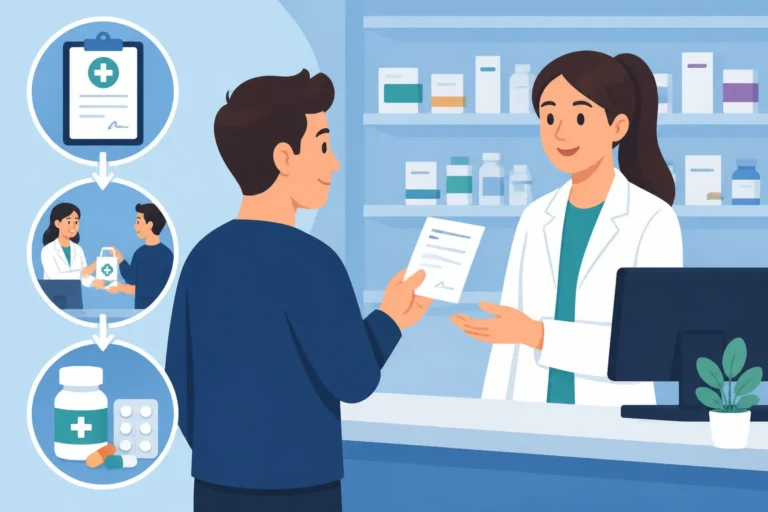
Wherever possible, fill your prescriptions at your Kupat Holim's own pharmacies or a directly contracted partner. This ensures the correct co-payments are applied immediately and streamlines the process. When learning how to fill a prescription at a pharmacy in Israel, remember this tip.
5. Consider the "Cost of Healthcare" Holistically
Remember that medication costs are just one part of the broader picture of the cost of healthcare in Israel: a complete breakdown for foreigners (2026). Your monthly Bituach Leumi (National Insurance) contributions cover your public health insurance, and then your Kupah membership fees (if applicable, or if you opt for supplementary insurance) come into play. It’s an integrated system designed to keep overall healthcare affordable.
6. Temporary Coverage for New Arrivals or Travelers
For those who are just arriving in Israel and haven't yet secured their Kupat Holim membership (there can sometimes be a waiting period for new Olim or certain visa holders), or for those traveling, temporary private insurance can be invaluable. Brands like SafetyWing offer travel and medical insurance that can cover unforeseen medical expenses, including urgent prescription medications, before you're fully integrated into the Israeli system. It's a smart backup plan to avoid potentially high out-of-pocket costs during that transitional phase or for short visits. SafetyWing can provide peace of mind for expats in their initial stages in Israel. Remember, once you're a legal resident, you must join a Kupat Holim, but SafetyWing or similar options can bridge gaps.
7. Keep Records and Receipts
Always keep receipts for your prescription purchases. While most things are automated with your Kupah card, occasionally you might need to claim reimbursement or track your spending towards a monthly cap. This is part of general good practice when navigating the Israeli healthcare system: an expat's roadmap (2026).
A Comparison of Medication Co-Payments
To give you a clearer picture, here's a simplified table comparing potential co-payments under the basic Sal Briut and with typical supplementary insurance. Please remember these are illustrative examples, and actual costs can vary based on the specific medication, your Kupah, and your exact supplementary plan.
| Medication Type (Example) | Basic Sal Briut Co-payment (Approx.) | Supplementary Insurance Co-payment (Approx.) | Full Private Purchase (No Coverage) (Approx.) |
|---|---|---|---|
| Common Antibiotic | 15-25 ILS | 10-20 ILS | 80-200 ILS |
| Basic Pain Relief (Prescription Strength) | 10-20 ILS | 5-15 ILS | 50-150 ILS |
| Chronic Condition Drug (e.g., Hypertension) | 20-30 ILS per item (subject to monthly cap) | 15-25 ILS per item (lower cap or deeper discount) | 100-500+ ILS per item |
| Newer, Specialized Drug (on Sal Briut) | 50-150 ILS | 30-100 ILS (deeper discount often applies) | 200-1000+ ILS |
| Medication NOT in Sal Briut | Full Cost | Potential partial coverage (plan dependent) | Full Cost (100s to 1000s ILS) |
Note: These figures are estimates and can change. Always confirm with your Kupat Holim or pharmacist for exact pricing.
Conclusion
So, are prescription medications expensive in Israel? For the vast majority of commonly prescribed and essential medications, the answer is a resounding "no" – thanks to the robust Sal Briut and the co-payment system. While you'll always have some out-of-pocket expense, it's generally predictable and manageable. Where costs can become significant is for very new, experimental, or non-essential drugs that fall outside the standard health basket, or if you opt for private care without considering your Kupah benefits.
By understanding the system, enrolling in a good Kupat Holim with supplementary insurance, communicating openly with your doctors, and utilizing your Kupah's pharmacy network, you can ensure that your health, and your wallet, are well-protected here in Israel. Don't let the fear of medication costs deter you from accessing the excellent care available. For those first arriving or in transition, having a safety net like SafetyWing can certainly ease initial worries about unexpected health issues.
Disclaimer
The information provided in this guide is intended for general informational purposes only and does not constitute medical, legal, or financial advice. While we strive for accuracy, regulations and costs in Israel's healthcare system can change. Always consult with a qualified healthcare professional, your specific Kupat Holim, and relevant government authorities for the most current and personalized information.