How Do I Transfer My Health Records to Israel?
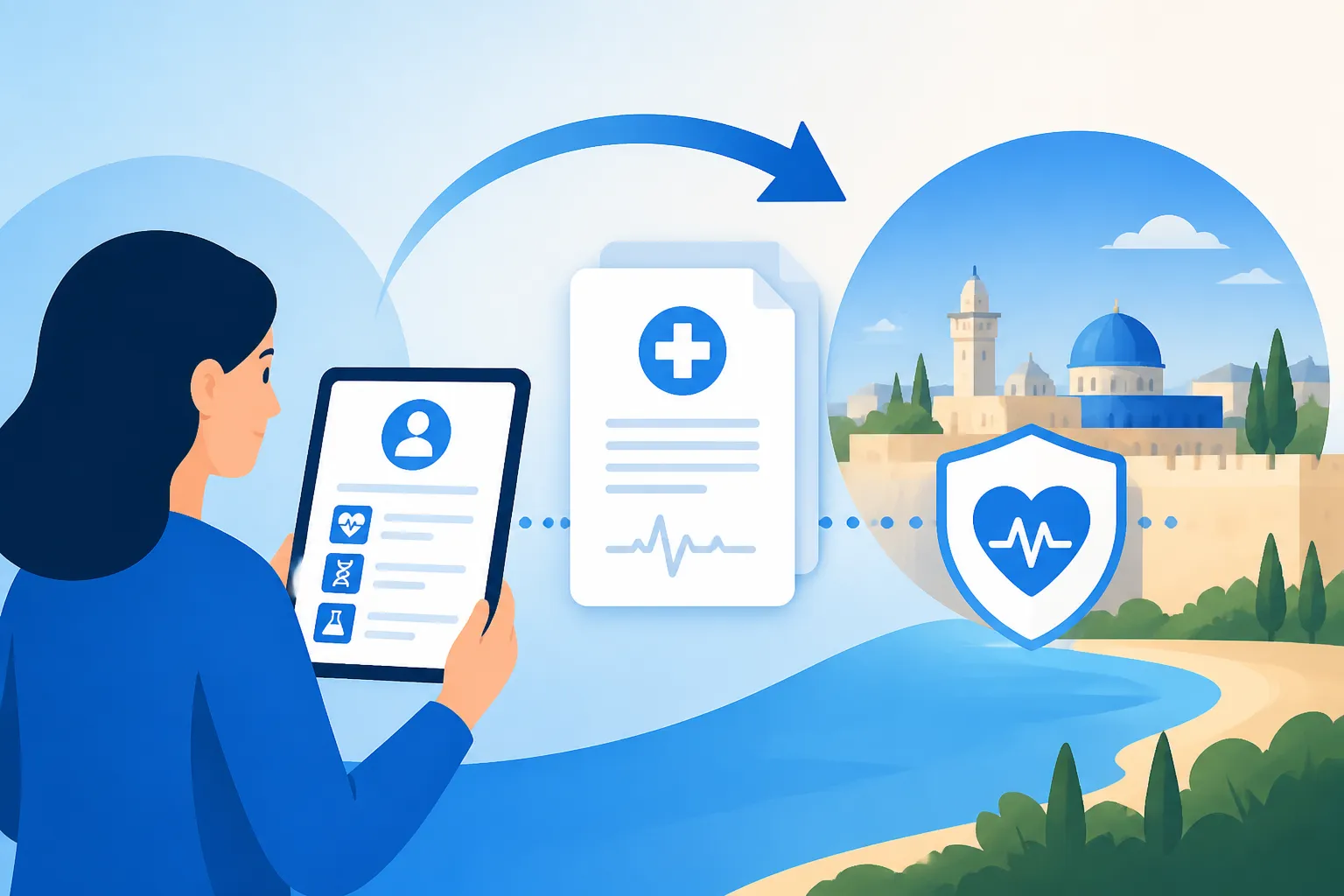
One of the most daunting aspects of moving to a new country like Israel isn't just packing your life into boxes; it's the invisible baggage of your health history. The thought of starting fresh with doctors who know nothing about your chronic conditions, past surgeries, or medication allergies can be genuinely anxiety-inducing. This guide will walk you through the practical steps, the surprising hurdles, and the absolute essentials of transferring your health records to Israel, ensuring you're as prepared as possible for your new healthcare journey.
The Why and How of Bringing Your Medical History to Israel
Let's be honest, moving is chaotic enough without adding the stress of medical bureaucracy. But trust me, making the effort to properly transfer your health records to Israel before you even step off the plane is one of the smartest things you can do for your well-being. It's not just about convenience; it's about continuity of care and avoiding unnecessary headaches down the line.
Why Your Past Records Matter Here
When you arrive in Israel, you'll find the healthcare system operates a bit differently than what you might be used to. While excellent, it often places more responsibility on the patient to advocate for their care and provide their history. Doctors here are highly skilled, but they aren't mind readers. Imagine trying to explain a complex medical history, possibly in a new language, to a doctor who has never seen you before. It’s a recipe for miscommunication and frustration.
Having your past records readily available is crucial for several reasons. For starters, it prevents redundant testing. You don't want to undergo the same blood tests, scans, or specialist consultations simply because your new Israeli doctor has no idea what’s already been done. This saves you time, money (even with subsidized healthcare, co-payments add up!), and the discomfort of repeated procedures. More importantly, it ensures your ongoing care for any chronic conditions is seamless. If you have diabetes, a heart condition, or an autoimmune disorder, your new doctor needs to understand the history of your diagnosis, your treatment plans, and how you’ve responded to different medications. This foundational knowledge allows them to pick up where your previous doctors left off, rather than starting from scratch. These records are also vital for accessing certain treatments or specialist referrals more smoothly by providing a historical context, especially when dealing with the Understanding the Health Basket (Sal Briut) and What It Covers and its specific criteria.
Understanding the Types of Records You'll Need
It's not about bringing everything; it's about bringing the right things. Think of it as curating your medical story. The most important documents are those that provide a concise yet comprehensive overview of your health. This includes a general medical summary from your primary care physician, detailing diagnoses, past surgeries, and any ongoing conditions. If you have specific chronic illnesses, request detailed summaries from those specialists as well. For parents, up-to-date How to Get Vaccinations and Immunisation Records in Israel are non-negotiable for school enrollment and Tipat Halav (family health center) visits.
Crucially, you'll need any and all test results that led to significant diagnoses, imaging reports (like X-rays, MRIs, CT scans – the written reports are key, but digital images can be helpful too), and letters from specialists outlining your treatment plans. A comprehensive list of all current medications, including dosages and the generic names, is also paramount. Different countries use different brand names, so knowing the active ingredient is vital. While digital records are increasingly common, don't underestimate the power of a physical printout, especially for initial appointments. Remember, Hebrew is the primary language here, so having key documents translated, or at least being prepared to translate them, will make a world of difference.
Step-by-Step: Getting Your Records Ready Before You Arrive
The key to a smooth transition is preparation. Trust me, trying to chase down medical records from across the globe while battling jet lag and new bureaucracy is a special kind of hell. Do as much as you can before your plane even touches down at Ben Gurion.
Before You Leave: Your Home Country To-Do List
This is your mission control phase. Start by contacting your current primary care physician and any specialists you see regularly. Explain that you're moving abroad permanently and need comprehensive medical summaries. Don't just ask for your "records"; be specific. Request a detailed summary of your health history, including:
- All major diagnoses (past and present)
- Dates of significant surgeries and hospitalizations
- A list of known allergies (medication, food, environmental)
- Current medication list with dosages and frequency (include over-the-counter essentials you use regularly)
- Vaccination history
- Results of any recent significant tests (blood work, imaging, biopsies)
Ideally, ask your doctor if they can provide these summaries in English and potentially also a digital format. If possible, get these key documents certified translated into Hebrew before you arrive. While an English summary is often sufficient for initial discussions, a translated version can expedite things significantly. Believe me, the cost of translation upfront can save you countless hours of frustration later.
Next, digitize everything. Scan all your physical records into clear, legible PDFs. Organize them into folders by category (e.g., "Vaccinations," "Cardiology Reports," "Medication List"). Store these securely on a portable USB drive, in a cloud service (like Google Drive or Dropbox), and consider emailing a copy to yourself or a trusted family member. Having multiple backups is a lifesaver. This organized digital file will be your medical passport. Also, during this transitional period, it’s always wise to have good international medical insurance. Many expats recommend options like SafetyWing, which can provide a safety net for unexpected medical needs during your initial weeks or months before your Israeli health fund coverage fully kicks in. Think of it as peace of mind for those moments when you're still figuring out The Complete Guide to Healthcare in Israel for Olim and Expats (2027).
Essential Documents and What to Prioritize
While a comprehensive medical history is great, some documents are simply non-negotiable and should be easily accessible. Prioritize these:
| Document Type | Why It's Essential | Format to Prepare |
|---|---|---|
| Medical Summary | Overview of entire health history, diagnoses, surgeries. | Doctor's letter, translated if possible. |
| Vaccination Records | Mandatory for children's schooling, critical for adults. | Official certificate, translated. |
| Current Medication List | Ensures continuity of treatment, accurate prescribing. | Doctor's list (generic and brand names). |
| Allergy List | Crucial for preventing adverse reactions. | Clear, concise list. |
| Chronic Condition Summaries | Detailed history for ongoing care, specialist referrals. | Specialist letters/reports. |
| Recent Test Results | Avoids repeat tests, provides baseline data. | Lab reports, imaging reports. |
Focus on getting a concise, one to two-page summary from your primary doctor, highlighting all significant health events. This is often the first document your new Israeli doctor will want to see. For children, the vaccination records are paramount for Understanding the Role of Tipat Halav (Family Health Centres) in Israel) visits and school enrollment. While it might feel overwhelming to gather everything, remember that a well-organized folder, both digital and physical, will be your best friend when you start navigating the Israeli system. It's not about burdening your new doctor with reams of paper, but about providing them with the critical data points they need to understand you as a patient.
Navigating the Israeli Healthcare System with Your New Records
You've landed, you've started the process of settling in, and now it's time to tackle the healthcare system. The initial steps involve formally registering and then getting your new Israeli doctors up to speed on your medical background.
Registering with Your Kupat Holim and First Doctor's Visit
The first crucial step upon arrival, especially if you're an Oleh (new immigrant), is to How to Register with a Kupat Holim as a New Immigrant in Israel. You'll typically choose one of the four main health funds: Clalit, Maccabi, Meuhedet, or Leumit. This is your gateway to public healthcare in Israel. Once registered, you'll be assigned or choose a Rofeh Mishpacha (family doctor) if you're an adult, or a Rofeh Yeladim (pediatrician) for your children.
Your very first appointment with your new Israeli doctor is incredibly important. This is when you'll introduce yourself and, crucially, present your carefully prepared medical records. Don't just hand over a pile of papers and expect them to magically understand everything. Take an active role. If you're not comfortable speaking medical Hebrew, consider bringing a friend to translate or utilizing a professional service for this initial consultation. The doctor will likely review the main medical summary, especially noting any chronic conditions, allergies, and current medications. They may scan or photocopy key documents for your file in their clinic's system. Be prepared for them to ask clarifying questions and perhaps suggest initial blood tests or check-ups to establish a baseline within the Israeli system. This foundational visit with your primary doctor is your gateway to the rest of the healthcare system, including getting a How to Get a Referral (Hafnaya) to a Specialist in Israel if needed.
Integrating Your Records into the Israeli System
Here's a dose of realism: Israel does not have one magical, national digital health system where all your foreign records can be uploaded with a single click and instantly accessible to every doctor. While the Kupot Holim (health funds) have advanced digital systems for their own records (allowing you to do things like How to Book Appointments Through Clalit and Maccabi Apps or check lab results), integrating foreign records is typically a manual, clinic-level process.
What this means in practice is that your new family doctor or pediatrician will input the most relevant, critical information from your summaries into their clinic's digital system. This might include your diagnoses, allergies, and current medications. However, they won't typically scan every single test result or specialist report you've brought. For specialists or hospital visits (e.g., How to Access Hospital Care at a Beit Holim in Israel), you might need to present those specific foreign records again if they pertain to the reason for your visit. For example, if you're seeing a cardiologist, you'll want to bring your old cardiology reports and ECGs. Patience is key here. It's an incremental process, and you'll slowly build up your Israeli medical file over time. Continue to keep your own comprehensive digital and physical copies as a reliable backup, because sometimes you might be asked for documents you thought were already "in the system."
Common Hurdles and Practical Tips for Expats
As with most things in a new country, transferring medical records to Israel comes with its unique set of challenges. Being aware of them in advance can help you navigate them more smoothly.
Language Barriers and Translation Challenges
One of the biggest hurdles for many expats is the language barrier. Medical terminology in any language is complex, and trying to explain your nuanced medical history in broken Hebrew (or relying on a doctor with varying levels of English proficiency) can be incredibly stressful and prone to error. While many doctors in major cities like Tel Aviv and Jerusalem speak excellent English, this isn't universally true, especially in smaller towns or for administrative staff. This is why getting key documents translated professionally into Hebrew before you arrive is highly recommended. It acts as a safety net, ensuring the most vital information is accurately conveyed, even if there's a communication gap with your doctor. If you haven't had them translated, you might need to find a reputable translation service in Israel, which adds to your initial expenses. Consider seeking out an How to Find an English-Speaking Doctor in Israel to ease these initial appointments.
You might also find that while a doctor understands your English, they might not be fluent enough to write detailed notes in English, or the clinic's system might only allow for Hebrew entries. This isn't a deliberate slight; it's simply the operational reality. This further underscores the importance of having your own clear, concise records that you can always refer to.
Digital Divide and Data Inconsistencies
Another practical challenge is the "digital divide" – not just between countries, but sometimes even between clinics within Israel. Different countries have different medical record formats, coding systems, and levels of digital integration. What's standard in your home country might not translate directly into the Israeli system. While Israel is a tech-forward nation, healthcare records often remain somewhat siloed within each Kupat Holim. Don't expect your entire life's medical history to be perfectly digitized and linked to your new Israeli file overnight.
This means you need to remain proactive and vigilant about your own health data. Keep your digital copies organized and accessible, and bring relevant printouts to appointments as needed. It's your responsibility to ensure your doctors have the information they require for your care. If you have a complex condition, it's often a good idea to create a short, bullet-point summary in both English and Hebrew that you can hand to any new doctor you see. Think of yourself as the central hub for your medical information. For new olim, it's also important to be aware of Understanding Health Insurance Waiting Periods for New Olim in Israel, as having your records organized can help you quickly get into the system and access care once your coverage begins. In the interim, reliable travel insurance like SafetyWing can fill any gaps, offering coverage for unexpected medical events while you're still navigating the new bureaucracy. Ultimately, transferring your health records to Israel is less about a single "transfer" and more about meticulously setting up a new, well-informed medical baseline for yourself. It’s part of the larger journey of Navigating the Israeli Healthcare System: An Expat's Roadmap (2027).
Disclaimer
The information provided in this guide is for general informational purposes only and does not constitute medical, legal, or professional advice. Always consult with a qualified healthcare professional, legal expert, or relevant government authority for advice tailored to your specific situation. Healthcare regulations and processes can change, and while we strive for accuracy, the most current official information should always be verified.