How Do I Get a Referral to a Hospital in Another City in Israel?
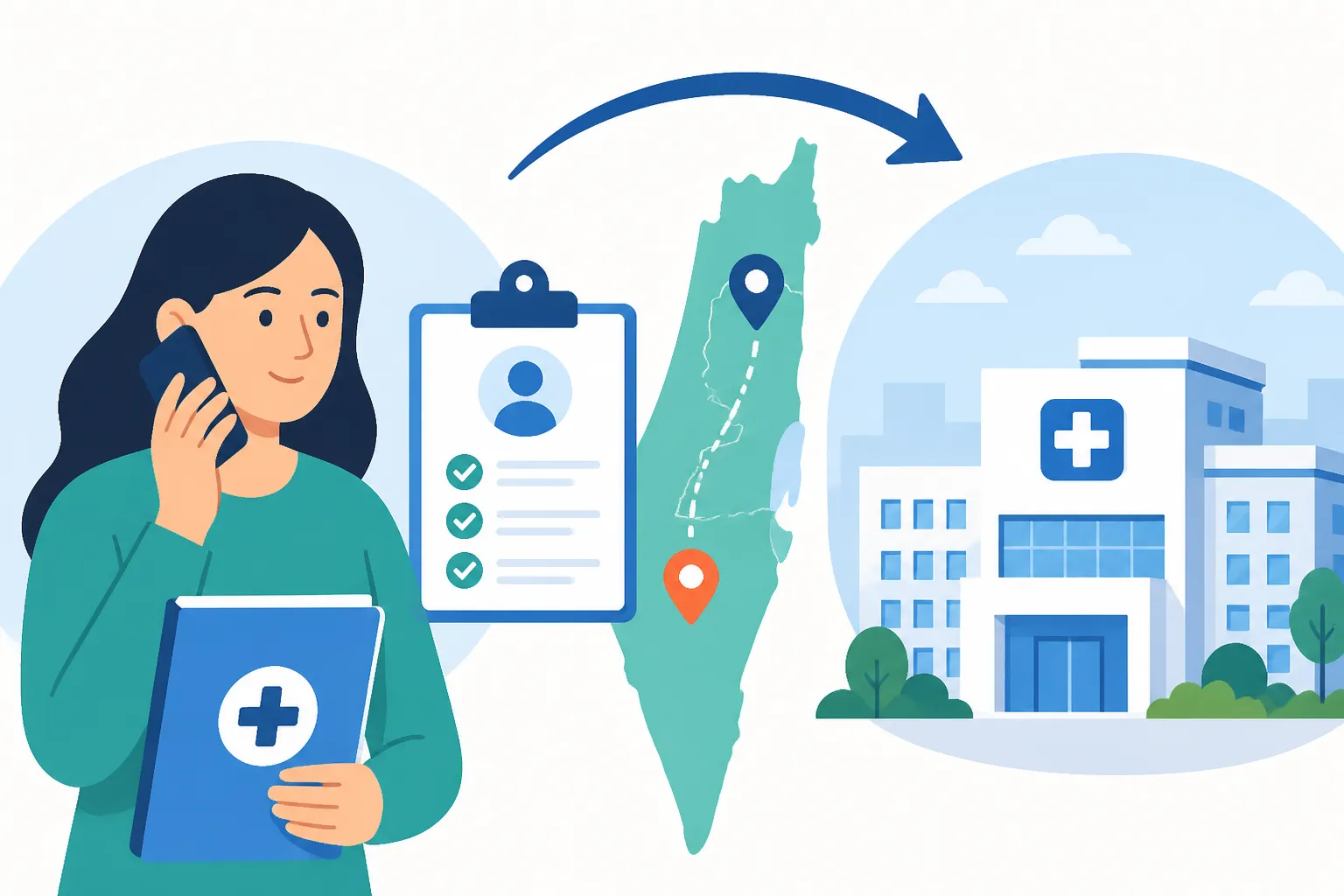
Moving to a new country involves a massive learning curve, and in Israel, the healthcare system is often the steepest part of that climb. You might find yourself living in Haifa but needing a specialist at Ichilov in Tel Aviv, or perhaps you are in Jerusalem and have been told that a specific procedure is best performed at Sheba Medical Center in Ramat Gan. Getting a referral to a hospital in another city is not always as straightforward as booking an appointment; it requires navigating the specific bureaucracy of your health fund and understanding the "Tofes 17" system. This guide will walk you through every step of that process so you can access the best care possible, regardless of where you live.
Understanding the Israeli Referral System and the Hafnaya
In the Israeli healthcare landscape, your entry point is almost always your Kupat Holim (health fund). Whether you are with Clalit, Maccabi, Meuhedet, or Leumit, the system is designed to keep you within your local district for primary and secondary care. However, hospitals (known as Beit Holim) provide tertiary care, and sometimes the best facility for your specific condition is several cities away. To bridge this gap, you need a Hafnaya—a formal referral.
The Hafnaya is a medical document issued by a doctor within your health fund. It states that you require a consultation, test, or treatment that can only be provided in a hospital setting. When you are looking to travel to another city, the medical necessity must be clearly documented. For example, if you require a highly specialized neurosurgical consultation that is only available at a major center like Hadassah Ein Kerem, your local doctor must specify this in the referral. Understanding How Israel's Health Funds (Kupot Holim) Work: A Full Overview is the first step in recognizing why these geographical boundaries exist.
Wait times for specialists can be long, and sometimes the local options simply don't have the expertise you need. This is a common frustration for expats who are used to more "on-demand" healthcare models. If you are a digital nomad or an expat still waiting for your residency to finalize, you might find that having a plan like SafetyWing helps bridge the gap. While SafetyWing is primarily designed for travel and unexpected emergencies, it provides peace of mind while you are navigating the complexities of the local public system.
Why You Might Need to Travel for Care
Israel is a small country, but its medical expertise is concentrated in specific "pockets." Major medical centers like Sheba, Ichilov, and Hadassah often house national centers of excellence for rare diseases, specific cancers, or advanced cardiac procedures. If you live in a peripheral city like Be’er Sheva or Kiryat Shmona, your local hospital might be excellent for general care but lack the specialized equipment for your specific needs.
The Role of the Primary Care Physician
Your family doctor, or Rofeh Mishpacha, is the gatekeeper of the system. You cannot simply walk into a hospital in another city and expect the health fund to pay for it. You must first sit down with your doctor and explain why the local options are insufficient. This is where How to Choose a Family Doctor (Rofeh Mishpacha) in Israel becomes vital; you need a doctor who is willing to advocate for you and understands the nuances of the cross-district referral process.
Step-by-Step Guide: Securing Your Hospital Referral
Once you and your doctor agree that a hospital visit in another city is necessary, the administrative machinery begins to turn. It is important to realize that a medical referral is only half the battle; the second half is the financial commitment from your Kupah.
Step 1: Obtaining the Hafnaya
Request the referral from your doctor. Ensure the doctor specifies the name of the hospital or the specific department you wish to visit. If you have a preference for a specific surgeon or specialist in another city, ask your doctor to note this. While the Kupah is not legally obligated to honor a request for a specific doctor, having it on the Hafnaya strengthens your case. You can learn more about this initial stage in our guide on How to Get a Referral (Hafnaya) to a Specialist in Israel.
Step 2: Requesting the Tofes 17 (Commitment Form)
The Tofes 17 is arguably the most important document in Israeli healthcare. It is a financial commitment from your health fund to pay the hospital for your visit. Without it, the hospital will bill you directly, and these costs can be staggering. You can usually request a Tofes 17 through your Kupah's app or website by uploading your Hafnaya and the invitation from the hospital.
When requesting a referral to a hospital in another city, your Kupah may initially deny the request if there is a similar service available closer to home. They might say, "Why go to Tel Aviv when you can see a specialist in Haifa?" If this happens, you must provide a medical reason why the Tel Aviv facility is superior for your case. This bureaucratic "ping-pong" is a classic part of Navigating the Israeli Healthcare System: An Expat's Roadmap (2027).
Step 3: Managing the Co-payment
Even with a Tofes 17, you will likely have a small co-payment, known as Hishtatfut Atzmit. This is usually paid once per quarter per specialty. Understanding Co-Payments (Hishtatfut Atzmit) in the Israeli Health System will help you budget for these minor but frequent costs. If you are an expat who travels frequently, remember that your local Israeli coverage doesn't follow you across borders. For those trips back home or for work-related travel, keeping an active SafetyWing policy ensures you are covered for emergencies outside the Israeli system.
| Kupat Holim | Ease of Out-of-City Referral | Common Hospital Affiliations |
|---|---|---|
| Clalit | Moderate (District-based) | Soroka (South), Rabin (Center), Meir (Sharon) |
| Maccabi | High (More flexible) | Assuta (Private/Public), Ichilov, Sheba |
| Meuhedet | Moderate | Hadassah (Jerusalem), Laniado (Netanya) |
| Leumit | Moderate | Generally uses all major state hospitals |
Navigating Bureaucracy: What to Do If You Are Denied
It is a common scenario: you have the referral, you’ve picked the hospital in the other city, but your Kupah refuses to issue the Tofes 17. They insist you stay within your "district." For many foreigners, this feels like a personal slight, but it is actually a standard cost-saving measure by the health funds.
The Power of the Second Opinion
If your request is denied, you have the right to seek a second opinion. Many expats utilize their Supplementary and Private Health Insurance in Israel: Options Explained to see a specialist privately first. If a top-tier private specialist (who often also works in the public hospitals) writes a letter stating that you must be seen at a specific facility in another city, the health fund is much more likely to approve the Tofes 17.
Regional Agreements and the "Arrangement" Hospitals
Each Kupah has "arrangements" with certain hospitals. For example, Maccabi has a very strong relationship with Assuta, while Clalit owns and operates many of its own hospitals. If you are trying to go to a hospital that is not in your Kupah's preferred network in another city, the resistance will be higher. You might need to prove that the "arrangement" hospitals cannot provide the specific treatment you need. This is a nuanced part of Choosing a Kupat Holim in Israel: Clalit, Maccabi, Meuhedet or Leumit (2027).
For those who are in Israel on a work visa or are still in the process of making Aliyah, the stress of these denials can be overwhelming. During these transitional periods, having secondary coverage like SafetyWing is a smart move. It doesn't replace the Kupah, but it provides a safety net if you find yourself stuck between administrative gears while needing urgent medical attention that doesn't yet qualify for a hospital referral.
Practical Logistics: Travel, Language, and Costs
Once you have your Tofes 17 in hand and your appointment confirmed in another city, you need to handle the logistics. Traveling between cities for medical care can be exhausting, especially if you are dealing with a chronic condition.
Travel Reimbursements
Did you know that in some cases, the Kupat Holim will reimburse your travel costs? If the service you are receiving is not available within a certain radius of your home, or if you require an ambulance or specialized transport, you may be eligible for a refund on bus, train, or taxi fares. Keep all your receipts! You can check the specific rates in The Cost of Healthcare in Israel: A Complete Breakdown for Foreigners (2026).
Language Barriers in Major Hospitals
If you are traveling to a major "hub" hospital like Ichilov (Tel Aviv) or Hadassah (Jerusalem), you are much more likely to find English-speaking staff than in smaller, peripheral clinics. However, the administrative forms will still be in Hebrew. Don't be afraid to ask for a "Metargem" (translator) or use a translation app. Most hospitals are used to treating tourists and expats and will try to accommodate you. For a deeper look at the hospital experience, see How to Access Hospital Care at a Beit Holim in Israel.
Parking and Stay
Hospital parking in major cities like Tel Aviv and Jerusalem is notoriously expensive. If you are driving to another city for an appointment, factor in at least 50-80 NIS for parking. Some hospitals offer discounts for patients undergoing long-term treatment (like chemotherapy or dialysis). Always check at the department's administrative desk to see if they can "validate" your parking ticket.
Tips for a Smooth Cross-City Hospital Visit
- Digital Everything: Make sure your Kupah's app is installed and working. You can often show your Tofes 17 directly from your phone if you forgot to print it.
- Bring Your Records: While the system is becoming more integrated, a doctor in Jerusalem might not be able to see the scans you had done in a private clinic in Haifa. Always bring a USB drive or physical copies of your latest results.
- Confirm the Tofes 17 Dates: These forms are usually valid for a specific window (often 90 days). If your appointment is delayed, you may need to request a new form.
- Safety Net: If you are a frequent traveler or a digital nomad living in Israel, ensure your global health needs are met. SafetyWing is a popular choice for those who need flexible, month-to-month coverage that works alongside their local Israeli insurance.
Navigating the transition from a local clinic to a major hospital in another city is a rite of passage for many expats in Israel. It requires patience, a bit of "chutzpah," and a solid understanding of the paperwork involved. By following these steps and ensuring you have the right documentation, you can access the world-class medical care that Israel is famous for, regardless of which city you call home.
Disclaimer
This guide is provided for informational purposes only and does not constitute legal or professional medical advice. The Israeli healthcare system and the policies of individual Kupot Holim are subject to change. Always consult with your health fund representative or a qualified medical professional regarding your specific situation and insurance coverage.