What Are the Best Hospitals in Tel Aviv for Expats?
Waking up with a sudden medical emergency in a foreign country is one of the most isolating experiences an expat can face. You are already dealing with the physical pain, but then the mental fatigue of navigating a Hebrew-speaking system, figuring out which facility matches your insurance, and wondering if the doctors will understand your history takes over. This guide provides a detailed roadmap of the best hospitals in Tel Aviv, ensuring you know exactly where to go when time is of the essence.
Understanding the Landscape of Israeli Hospital Care
Before you rush to the nearest emergency room, it is vital to understand that the Israeli healthcare system is split between primary care clinics and secondary hospital care. For most non-urgent issues, your first stop should always be your Kupat Holim clinic. However, if it is after hours or the situation is dire, you need to know how the hospital system functions. Hospitals in Israel, known as "Beit Holim," are massive institutions that often feel like small cities. They are high-tech, incredibly efficient in a crisis, but can be overwhelming for a newcomer.
The Role of the Emergency Room or Miyun
The emergency room, or "Miyun" in Hebrew, is the heartbeat of any Israeli hospital. Unlike some Western countries where you might wait hours for a minor stitch, the triage system here is exceptionally fast-paced. When you walk into a Miyun at a major Tel Aviv hospital, you will be met by a triage nurse who assesses the severity of your condition. It is a loud, bustling environment that can feel chaotic, but there is a distinct method to the madness.
One thing many expats realize too late is that entering the Miyun without a referral from a doctor or a pre-authorized "Tofes 17" can result in a significant bill. If you are not in a life-threatening situation, it is often worth calling your health fund's nurse hotline first. However, if you are a tourist or an expat still waiting for your residency papers, having a plan like SafetyWing can be a lifesaver, as they understand the international billing requirements that local hospitals often struggle with when dealing with foreign patients.
Understanding the administrative side is just as important as the medical side. You should familiarize yourself with Emergency Medical Care in Israel: What Every Newcomer Needs to Know to avoid unnecessary stress during an actual crisis. The bureaucracy can be thick, but once you are through the door, the level of care is among the highest in the world.
Language Barriers and Patient Advocacy
While most senior physicians in Tel Aviv speak excellent English, the same cannot always be said for the administrative staff, nursing assistants, or security personnel. This language gap is where many foreigners feel most vulnerable. In the heat of an emergency, trying to explain an allergy or a chronic condition in broken Hebrew is the last thing you want to do.
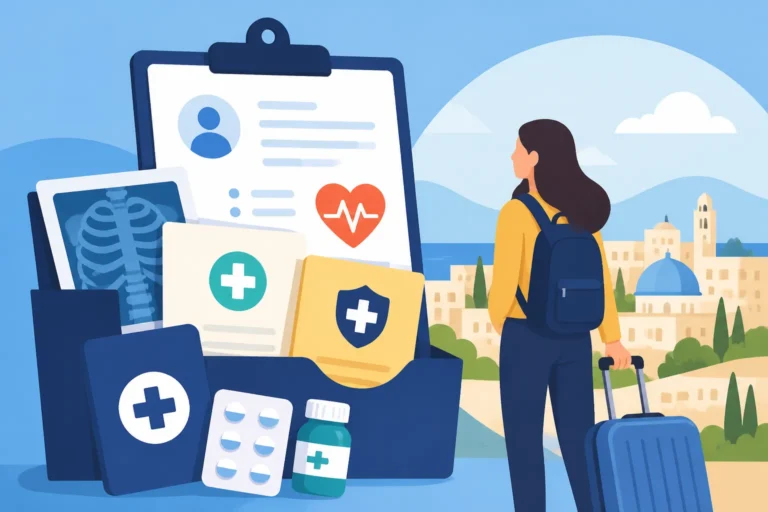
I always recommend that expats keep a digital file of their medical history and current prescriptions on their phones. Most Israeli hospitals use advanced digital records, but if you are new to the system, your history won't be in their database yet. Don't be afraid to ask for a translator or a doctor who speaks English fluently. Israeli culture is direct; if you don't speak up for yourself, the system will move around you.
In addition to language, you should understand How to Access Hospital Care at a Beit Holim in Israel to learn about your rights as a patient. You have the right to receive a summary of your treatment in a language you understand, though you may have to insist on it. Being an advocate for your own health is a necessary skill in the Mediterranean medical world.
Public versus Private Facilities
A common point of confusion for expats is the difference between public and private hospitals. In Israel, public hospitals like Ichilov or Sheba are where you go for emergencies, trauma, and complex surgeries. Private hospitals, most notably Assuta, are typically used for elective procedures, specific screenings, and second opinions where you want to choose your specific surgeon.
If you are an expat with supplementary insurance from your Kupah, you might have the option to choose a private facility for certain treatments. Understanding the nuances between Public vs Private Healthcare in Israel: Which Should Expats Choose? is essential for long-term planning. While the public system is excellent for keeping you alive in a crisis, the private system offers the comfort and speed that many Westerners are accustomed to in their home countries.
For those on work visas or digital nomads, the public system can sometimes feel like a closed loop. This is why many choose to maintain international coverage through providers like SafetyWing, which can bridge the gap between private care and public emergency services, especially before you are fully integrated into the National Health Insurance system.
Tel Aviv Sourasky Medical Center (Ichilov)
If you live in the heart of Tel Aviv, Ichilov is your primary hospital. Located on Weizmann Street, it is arguably the most modern and accessible facility for expats living in the city center. It is not just a hospital; it is a sprawling complex that includes the Ted Arison Medical Tower and the Dana-Dwek Children's Hospital. For most of us living in areas like Lev Ha'ir or the Old North, Ichilov is the "neighborhood" ER.
Why Expats Choose Ichilov
The biggest draw of Ichilov for the expat community is its international feel. Because it sits in the middle of a global tech hub and near many embassies, the staff is very accustomed to treating foreigners. The signage is generally well-translated, and the facility itself feels more like a high-end office building than a sterile infirmary. The emergency department is recently renovated and features specialized units for different types of trauma.
One of the standout features is the "Lis" Maternity and Women’s Hospital. Many expat families choose to give birth here because of the advanced facilities and the proximity to home. If you are planning a family, you should look into Understanding Maternity and Prenatal Care in Israel to see how Ichilov fits into your birthing plan. The hospital also hosts various specialized clinics that are world-renowned for oncology and neurosurgery.
However, being in the center of Tel Aviv means it is always busy. The Miyun can get incredibly crowded on weekends and holidays. If you arrive by car, be prepared for the nightmare that is central Tel Aviv parking. The hospital has a parking garage, but it is expensive and often full. If you are in a true emergency, call an ambulance. You can find more details on that process in our guide on What Is the Emergency Phone Number in Israel?.
Specialized Care for Children at Dana-Dwek
For parents, the Dana-Dwek Children’s Hospital within the Ichilov complex is a godsend. It is designed to be less intimidating for kids, with colorful murals and play areas. The pediatric ER is separate from the adult one, which is vital for keeping children away from the more intense sights and sounds of a general emergency room.
The pediatricians here are top-tier, and many have trained in the United States or Europe. This means they are often familiar with the vaccination schedules and developmental milestones used in other countries. If you are navigating the school system, you might also need to understand Understanding Childhood Vaccination Schedules in Israel to ensure your records match the requirements of the hospital and the Ministry of Health.
The level of empathy in the pediatric ward is a highlight. They understand that a sick child in a foreign country is a parent's worst nightmare. They often have English-speaking social workers on hand to help foreign families navigate the logistics of a hospital stay, which is an invaluable resource when you're stressed.
Navigating the Ichilov Campus
Ichilov is massive, and it is easy to get lost. The complex is connected by various bridges and tunnels. If you have an appointment at a specific clinic, give yourself at least 20 minutes just to find the right elevator bank. The hospital has a "Malram" (Immediate Care) center which is sometimes a faster alternative to the main Miyun for less severe issues like sprains or high fevers.
For those without full Israeli citizenship, the billing office at Ichilov is located on the ground floor. They are used to dealing with international insurance, but the process can be slow. If you have a policy with SafetyWing, make sure you have your digital ID card ready. They often require a guarantee of payment before they will discharge a non-resident without a local health fund card.
Sheba Medical Center (Tel HaShomer)
While technically located in Ramat Gan, Sheba Medical Center is the flagship hospital of the entire country. It is consistently ranked by Newsweek as one of the top ten hospitals in the world. For expats, Sheba is the place you go when you need the absolute best specialists or are dealing with a complex, chronic condition that requires a multi-disciplinary approach.
A City of Health
Sheba is not just a hospital; it is a "City of Health." The campus is so large that there is an internal shuttle bus to take patients between buildings. It houses the Safra Children’s Hospital, a world-leading rehabilitation center, and a dedicated heart center. For an expat, the sheer scale of Sheba can be intimidating, but the quality of care is unparalleled.
Because Sheba is a major research institution, patients here often have access to clinical trials and cutting-edge treatments that aren't available elsewhere. If you are moving to Israel with a pre-existing condition, you should check How to Find an English-Speaking Doctor in Israel to see if any of the top specialists at Sheba are covered by your health fund. Many of the doctors here also have private practices where you can see them for a consultation.
The downside to Sheba is the distance. If you live in Tel Aviv, it is a 20-to-30-minute drive depending on traffic—and traffic in the "Merkaz" (center) is notoriously bad. However, for serious procedures or long-term care, the extra travel time is worth it for the expertise available.
International Patients and Research
Sheba has a dedicated International Medical Tourism division. While you might not be a "medical tourist" in the traditional sense, this department is often the best point of contact for expats who are not yet registered with a Kupah. They are experts at handling foreign medical records and coordinating between international insurance providers.
If you are a digital nomad or an expat on a short-term contract, your primary coverage might be through a provider like SafetyWing. Sheba’s international department is one of the few places that can efficiently process these types of claims without the patient having to pay thousands of shekels out of pocket upfront, provided the paperwork is in order.
The hospital is also a hub for innovation. If you are interested in how the "Startup Nation" impacts healthcare, Sheba is the place to see it. From robotic surgeries to AI-driven diagnostics, the technology here is a point of national pride. You can learn more about how this tech is funded through Understanding the Health Basket (Sal Briut) and What It Covers, which dictates what treatments the public system must provide.
Maternity and Specialized Rehabilitation
Sheba’s maternity ward is legendary, often cited as one of the busiest in the world. They offer everything from natural birthing centers to high-risk pregnancy units. For many expats living in the suburbs like Givatayim or Kiryat Ono, Sheba is the default choice for childbirth.
The rehabilitation center at Sheba is also worth mentioning. If you or a family member requires physical therapy or recovery after a major accident, this is the premier facility in the Middle East. They deal with everything from neurological recovery to orthopedic rehab. Understanding the costs involved is crucial, so be sure to review The Cost of Healthcare in Israel: A Complete Breakdown for Foreigners (2026) before committing to a long-term rehab plan.
Assuta Medical Center (Ramat HaChayal)
Assuta is the premier private hospital in Israel. Located in the trendy Ramat HaChayal neighborhood of North Tel Aviv, it feels more like a five-star hotel than a medical facility. If you have private insurance or high-level supplementary coverage from your Kupat Holim, Assuta is likely where you will go for surgery or advanced imaging like MRIs and CT scans.
The Private Experience in Tel Aviv
The experience at Assuta is vastly different from the public hospitals. The waiting rooms are quiet, the coffee is actually drinkable, and the appointments run on time. For many expats, this is the "comfort zone." You can choose your surgeon, choose your anesthesiologist, and often get a private room that looks out over the city.
However, Assuta does not have a general emergency room (Miyun) like Ichilov or Sheba. It is a center for elective procedures and specialized diagnostics. If you have a broken leg at 2 AM, you go to Ichilov. If you need a knee replacement and want the best surgeon in the country to do it on a Tuesday morning, you go to Assuta. This distinction is vital for Navigating the Israeli Healthcare System: An Expat's Roadmap (2027).
The cost of care at Assuta is high. Without the right insurance, a simple procedure can cost tens of thousands of shekels. This is why Understanding Private Health Insurance Plans in Israel is so important for expats who prefer this level of service. Many international plans, including some tiers of SafetyWing, can be used here for specific treatments, but you must always verify the coverage beforehand.
Advanced Diagnostics and Screening
Assuta is the gold standard for diagnostic imaging. While the public system might have a waitlist of weeks or months for an MRI, you can often get an appointment at Assuta within days if you are paying privately or have the right insurance. For expats who are used to fast medical results, this facility is a primary resource.
They also have a very strong oncology department and a world-class IVF clinic. Israel is a global leader in fertility treatments, and Assuta is at the forefront of that field. If you are looking into these services, it is helpful to know How Israel's Health Funds (Kupot Holim) Work: A Full Overview because your Kupah often subsidizes these private treatments at Assuta.
Logistics of Visiting Assuta
The Ramat HaChayal area is a tech hub, meaning there are plenty of restaurants and cafes nearby for family members who are waiting. It is also more accessible by car from the northern suburbs like Herzliya than the central Tel Aviv hospitals. Parking is available in the building, and while not cheap, it is far more organized than the situation at Ichilov.
For those who are not yet residents, Assuta provides a clear price list for services. It is transparent, but expensive. If you are here on a tourist visa and need urgent but non-emergency care, you might wonder Can Tourists Get Emergency Care in Israel?—the answer is yes, but places like Assuta will require immediate payment or a very strong international insurance guarantee.
Comparing Tel Aviv's Best Hospitals
To help you decide which facility is right for your specific situation, here is a quick comparison table of the major players in the Tel Aviv area.
| Hospital Name | Location | Primary Strength | Best For |
|---|---|---|---|
| Ichilov (Sourasky) | Central Tel Aviv | Accessibility & Trauma | Emergencies, Births, Kids |
| Sheba (Tel HaShomer) | Ramat Gan | Research & Complexity | Specialized Surgery, Rehab |
| Assuta | Ramat HaChayal | Privacy & Speed | Elective Surgery, MRIs, IVF |
| Wolfson | Holon | Cardiac Care | Residents of South TLV/Jaffa |
| Beilinson | Petah Tikva | Transplants & Oncology | Specialized Long-term Care |
Practical Tips for Your Hospital Visit
No matter which hospital you choose, there are a few universal truths about the Israeli medical system that will make your life easier. First, always bring your Teudat Zehut (ID card) or your passport if you aren't a citizen yet. The first thing they do at the intake desk is scan your ID.
Second, understand that the "Tofes 17" is the currency of the Israeli health system. This is a commitment of payment from your health fund to the hospital. If you don't have one, you will be asked to sign a guarantee of payment or provide a credit card. For those using international insurance like SafetyWing, keep your policy details and the 24/7 assistance number easily accessible on your phone, as the hospital staff may need to call them to verify coverage.
Lastly, don't be afraid to bring a friend or a "medical buddy." Having someone to hold your spot in line, grab you a water, or help translate a particularly difficult Hebrew term is invaluable. The Israeli system can be loud and assertive; having a second set of ears ensures you don't miss important instructions from the doctors.
You should also be aware of Understanding Co-Payments (Hishtatfut Atzmit) in the Israeli Health System so you aren't surprised by the small fees for medications or specific tests during your stay. Being prepared financially is just as important as being prepared medically.
Dealing with Costs as an Expat
The cost of a hospital stay in Israel can vary wildly depending on your status. If you are an "Oleh Chadash" (new immigrant), your first few months of coverage are often subsidized, but there are still gaps. If you are on a work visa, your employer is required to provide insurance, but these plans are often basic.
This is where many expats find themselves in a lurch. A single night in an Israeli hospital for a non-resident can cost upwards of 4,000 NIS just for the bed, not including tests or doctors. For those who are in the middle of their residency process, a gap insurance plan like SafetyWing provides the peace of mind that an unexpected appendix burst won't result in financial ruin.
If you are a high-earner or want the best possible coverage, you might also look into How Much Does Private Health Insurance for a Family Cost in Israel? to see if an additional layer of protection is right for you. Having both a local Kupah and an international or private policy is a common strategy for expats who want the best of both worlds.
Disclaimer
The information provided in this guide is for informational purposes only and does not constitute professional medical advice, diagnosis, or treatment. Medical laws and insurance policies in Israel change frequently. Always consult with a qualified healthcare provider or your insurance representative regarding your specific medical needs and coverage details. In the event of a medical emergency, dial 101 immediately for an ambulance.