Can I Study Medicine in English in Israel?
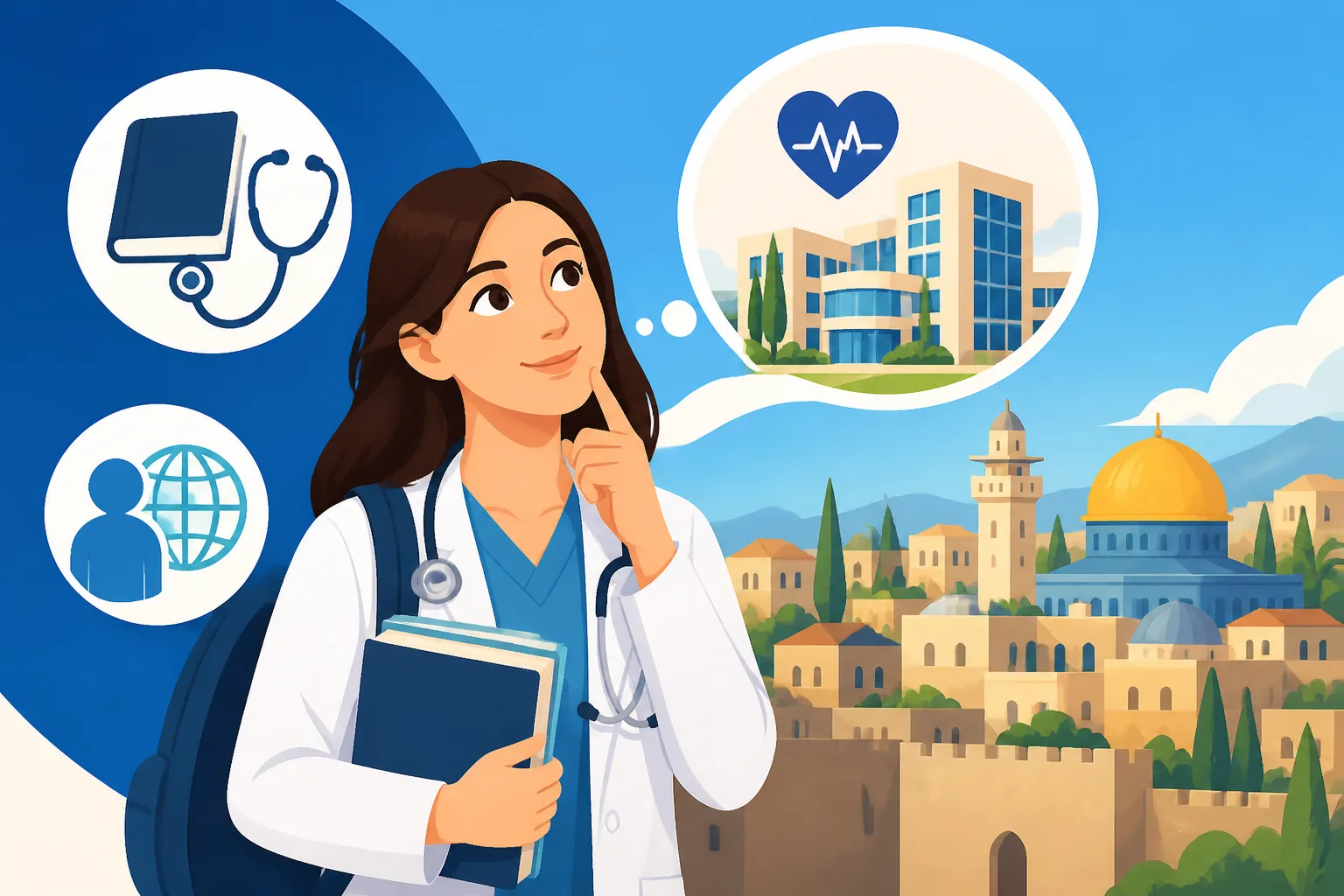
Oh, the dream of becoming a doctor in the Holy Land! Many of us expats arrive with grand aspirations, and for those passionate about medicine, the idea of studying here is incredibly appealing. But let me tell you, navigating the Israeli medical education system as a foreigner, especially if you're hoping to do it entirely in English, comes with its own unique set of challenges and realities that are often a rude awakening. This guide is here to unravel that complexity, giving you the unvarnished truth and practical pathways if you're determined to pursue medical studies in English in Israel.
The Reality: English-Language Medical Degree Programs in Israel
Let's cut right to the chase because this is usually where dreams meet Israeli reality. The straightforward answer to "Can I study medicine in English in Israel?" is nuanced: for undergraduate, direct-entry medical degrees, it's generally a resounding "no." However, there are specific, highly competitive, graduate-entry programs designed for international students, primarily from North America, that are taught in English.
Undergraduate Medical Programs: A Hebrew-Centric Landscape
When most people think of "studying medicine," they envision a six or seven-year program straight out of high school, leading directly to an MD. In Israel, these traditional undergraduate medical programs are almost exclusively taught in Hebrew. This isn't just about lectures; it's about textbooks, clinical rotations, patient interactions, and even social dynamics within the hospital setting. The public healthcare system, which is where medical students gain the bulk of their practical experience, operates predominantly in Hebrew.
Imagine trying to understand complex medical terminology, patient histories, and physician instructions when you're still grappling with basic conversational Hebrew. It’s not just difficult; it's virtually impossible to meet the demanding standards of medical education. Universities like Tel Aviv University, The Hebrew University of Jerusalem, Technion, and Ben-Gurion University of the Negev primarily offer their local, direct-entry medical programs in Hebrew. They are designed for Israeli high school graduates who have completed their Bagrut (matriculation) exams and often have a strong background in science, and who have also passed the Psychometric entrance exam. For an expat who hasn't grown up in this system, even if their Hebrew is excellent, the competition is fierce.
The Exception: Graduate Entry Programs for International Students
Now, here's where the "yes, but" comes in. There is a prominent exception, primarily for North American students who have already completed a bachelor's degree. The Medical School for International Health (MSIH) at Ben-Gurion University of the Negev in Be'er Sheva is a four-year, English-language MD program. This program is specifically designed for students who have completed pre-med requirements at universities abroad, typically in the United States or Canada.
The MSIH curriculum is fully taught in English, combining medical education with a global health perspective. Students undertake clinical rotations in Israel and have opportunities for electives internationally. It’s an intensive program, and while the lectures and academic discussions are in English, daily life in Be'er Sheva and interactions during clinical rotations will inevitably expose you to Hebrew. While many Israeli medical professionals speak excellent English, the core interactions with patients and a significant portion of the administrative tasks will be in Hebrew. This means that even in an English program, a basic to intermediate understanding of Hebrew is immensely beneficial, if not eventually crucial, for practical application and navigating the local environment. It's a fantastic pathway, but it requires prior undergraduate studies and a strong commitment to international health.
Navigating the Admissions Process and Academic Requirements
Even with the limited English options, getting into an Israeli medical school, particularly the MSIH program, is incredibly competitive. It's not just about good grades; it's about demonstrating a holistic profile of dedication, experience, and resilience.
Prerequisites: What You Need Before You Apply
For a program like MSIH, you're not just walking in with a high school diploma. You need a completed Bachelor's degree from an accredited university, typically in North America, with a strong emphasis on science courses. This usually includes:
- Biology: A full year, with laboratory work.
- Chemistry: A full year of general chemistry and a full year of organic chemistry, both with labs.
- Physics: A full year, with labs.
- Mathematics: Often calculus or statistics.
- English/Humanities: Strong background in English composition and liberal arts.
Beyond academics, you'll need to excel in standardized tests like the MCAT (Medical College Admission Test), which is a critical component for admission to North American-style medical programs. You'll also need compelling letters of recommendation, a personal statement that articulates your motivations and experiences, and a demonstrated commitment to healthcare through volunteer work, clinical experience, or research. The admissions committee is looking for well-rounded individuals who understand the demanding nature of medicine and have a genuine interest in the global health aspects emphasized by MSIH.
If you happen to have a foreign degree that isn't from North America, you'll need to explore the process for How to Get Your Foreign Degree Recognised in Israel: The Full Guide. This can add an extra layer of bureaucracy, so start early.
The Language Barrier: Beyond the Classroom
Let's talk more about Hebrew. While MSIH lectures are in English, don't underestimate the importance of local language. Once you step out of the lecture hall and into a clinic or hospital for rotations, you’ll quickly realize that Israel's diverse population includes many who speak only Hebrew, Arabic, Russian, or Amharic. As a future doctor, you'll need to communicate effectively with patients, their families, and a wide range of medical and administrative staff.
Even if a program is primarily in English, demonstrating at least conversational Hebrew is often a hidden, yet vital, expectation for successful clinical integration. You'll hear medical terms in Hebrew, interact with nurses and support staff who might not be fluent in English, and read patient charts that are often in Hebrew. This is where dedication to language learning becomes not just an academic pursuit but a professional necessity. Many expats find resources like Learning Hebrew: A Complete Guide to Ulpan and Language Levels invaluable, or even private tutoring through platforms like 'iTalki' to bolster their language skills. Learning medical Hebrew specifically can be a significant undertaking, but it will make your life much easier and your clinical experience much richer.
The Student Experience and Financial Realities
Studying medicine, regardless of the country, is an immense commitment, and Israel is no exception. It’s an immersive experience that will test your limits, but also offer profound rewards.
Life as a Medical Student: Demands and Support Systems
Life as a medical student in Israel, particularly in a demanding program like MSIH, is intense. You'll be spending long hours in lectures, labs, and eventually, clinical rotations at hospitals like Soroka Medical Center, which is affiliated with Ben-Gurion University. The curriculum is rigorous, designed to meet international standards, and the pace can be relentless.
Beyond the academic grind, you'll be navigating life in a new country. Be'er Sheva, while a major city in the Negev, has a different vibe than, say, Tel Aviv or Jerusalem. You'll experience Israeli culture, its unique blend of ancient and modern, and the strong community feel. Student life can be vibrant, but balancing intensive studies with cultural integration, adapting to a new social environment, and dealing with everyday logistics can be challenging. Many international students lean heavily on their cohort and university support services designed for foreign students to help with everything from visa renewals to academic counseling.
Support systems are crucial. Universities often have student advisors, international student offices, and sometimes even dedicated expat services to help you settle in. Don't be shy about reaching out; everyone goes through an adjustment period. Finding your community, whether it's within your program, through expat groups, or local Israeli friends, will make a world of difference.
Covering the Costs: Tuition, Living, and Beyond
Medical school is expensive, and an English-language program for international students in Israel is no different. Tuition fees for programs like MSIH are comparable to private medical schools in North America, often ranging significantly higher than what Israeli citizens pay for public university education. As of late 2023/early 2024, annual tuition could be in the range of $30,000-$40,000 USD, though this is subject to change, so always check the most current figures directly with the university.
Beyond tuition, you have the cost of living. While Be'er Sheva is generally more affordable than Tel Aviv, it's still Israel. You'll need to budget for:
- Accommodation: Rent for an apartment or dorm, utilities.
- Food: Groceries, dining out.
- Transportation: Public transport within the city or intercity travel.
- Health Insurance: Mandatory for all residents and students. You'll want to look into The Complete Guide to Healthcare in Israel for Olim and Expats (2027) to understand your options, as private insurance is usually required for international students.
- Textbooks and Supplies: Medical school requires a substantial investment in resources.
- Personal Expenses: Entertainment, travel, unforeseen costs.
The Complete Guide to Cost of Living in Israel for Expats (2026) can give you a broader idea, but plan for around $1,000-$2,000 USD per month for living expenses, depending on your lifestyle. Financial aid and scholarships are available but are highly competitive and often limited. It's crucial to have a solid financial plan in place before embarking on this journey. When you eventually start earning, remember that navigating The Complete Guide to Taxes in Israel for Olim and Expats (2027) will be another learning curve, something that services like 'Taxes for Expats' often assist with.
After Graduation: Practicing Medicine in Israel
Graduating from a medical program in Israel is a huge achievement, but it's just the beginning of your journey to becoming a practicing physician. There are further steps, especially for foreign-trained graduates.
Licensing and Residency: The Next Hurdles
Once you've completed your MD, the next major hurdle is obtaining an Israeli medical license. This typically involves passing the Israeli Medical Licensing Exam. Even if you studied in English, this exam is usually administered in Hebrew. This is another critical juncture where your proficiency in Hebrew, especially medical Hebrew, becomes non-negotiable. The Ministry of Health sets these requirements, and they are strict to ensure all practicing doctors can communicate effectively within the national healthcare system.
After licensure, comes residency (called hitmachut in Hebrew). This is where you specialize in a particular field of medicine, working under supervision in a hospital setting for several years. Securing a residency position is highly competitive, and once again, strong Hebrew skills are paramount. You’ll be integrating into Israeli hospital teams, interacting with colleagues and patients daily, and writing medical notes—all primarily in Hebrew.
It’s a long, arduous path, but one that is ultimately rewarding. If you're coming from a non-Israeli medical degree, or if you're exploring career options after your Israeli studies, understanding the broader landscape of The Expat Guide to Finding a Job in Israel (2027) can provide useful context for other professional paths.
Career Prospects and the Role of Language
Israel has a highly regarded healthcare system and a constant need for skilled medical professionals. Doctors are well-respected, and the work can be incredibly impactful. However, for expats, the path to fully integrating into the medical workforce is undeniably tied to language proficiency. While some private clinics or specific research roles might accommodate English speakers, public hospitals and the vast majority of patient-facing positions demand excellent Hebrew.
For those who successfully navigate the language barrier and the rigorous licensing and residency process, the career prospects are strong. You'll be part of a dynamic, innovative healthcare system. Israeli doctors are known for their resilience and ingenuity, especially in emergency medicine and trauma care, given the geopolitical realities.
If you are considering working in Israel as a foreigner, beyond just medical fields, it's worth reviewing The Complete Guide to Working in Israel as a Foreigner (2027) to understand the general employment landscape, worker rights, and expectations. Also, getting a grasp on Understanding Minimum Wage (Sachar Minimum) and Average Salary in Israel can give you an idea of the financial side of a medical career post-residency. The journey to becoming an English-speaking doctor fully integrated into the Israeli medical system is not for the faint of heart, but for those with unwavering dedication and a commitment to mastering Hebrew, it is absolutely achievable.
| Program Type | Language of Instruction | Prerequisite Degree | Target Audience | Key Challenges |
|---|---|---|---|---|
| Traditional Israeli MD | Primarily Hebrew | High School (Bagrut) | Israeli Citizens | Hebrew fluency, intense competition, standardized Israeli entrance exams |
| MSIH (Ben-Gurion University) | English | Bachelor's Degree | North American, International Students | High tuition, strong pre-med background, MCAT, Hebrew for clinical work, cultural adjustment in Be'er Sheva |
Ultimately, while the direct route to study medicine in English from scratch in Israel is quite narrow, for those committed and prepared to meet stringent academic and linguistic demands, options do exist. It's a journey that will require immense dedication, but one that promises a unique and enriching professional experience.
Disclaimer
The information provided in this guide is for general informational purposes only and does not constitute professional advice. While we strive to keep the information accurate and up-to-date, requirements for medical programs, admissions, and licensing in Israel can change frequently. Always verify details directly with the relevant Israeli universities, the Ministry of Health, and other official bodies. We recommend consulting with an educational advisor or a legal professional specializing in Israeli immigration and medical licensing for personalized guidance.