What Is Covered by the Health Basket (Sal Briut) in Israel?
One of the biggest head-scratchers for anyone new to Israel, whether you're making Aliyah or just here for an extended stay, is figuring out the healthcare system. It's a fantastic system, truly, but it's also layered, and the cornerstone of it all, the "Health Basket" or Sal Briut, can feel like a mystery. This guide aims to pull back the curtain on what the Sal Briut actually covers, helping you understand your fundamental healthcare rights and what to expect when you need medical attention in our vibrant country.
What Exactly Is the Sal Briut (Health Basket)?
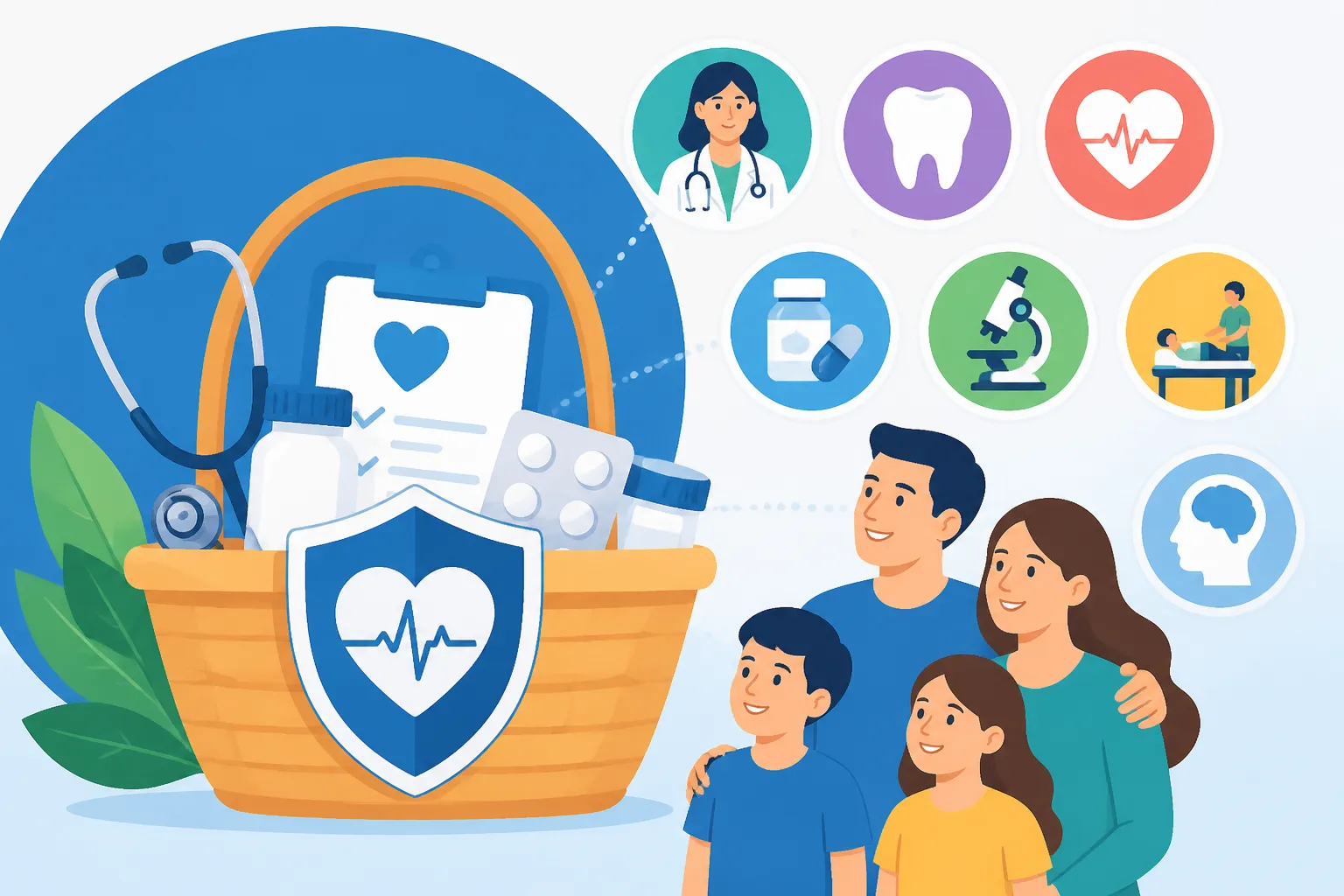
When you first hear "Health Basket," it might sound a bit abstract, like something you'd get at a spa. But in Israel, the Sal Briut (סל שירותי הבריאות) is anything but abstract; it's the very foundation of our universal healthcare system. Think of it as a comprehensive, legally defined list of medical services, technologies, and medications that every eligible resident of Israel is entitled to receive, regardless of their income or the specific health fund (Kupat Holim) they belong to. It’s what makes Israeli healthcare truly accessible, ensuring that everyone has a baseline of necessary medical care.
The Philosophy Behind Israel's Universal Healthcare
The concept of the Sal Briut is deeply rooted in the National Health Insurance Law of 1995. This landmark legislation solidified Israel’s commitment to universal healthcare, proclaiming that health is a fundamental right, not a privilege. The law established that all permanent residents and citizens are entitled to a uniform package of health services – the Sal Briut – funded primarily through progressive taxation and National Insurance contributions. This means that while you might choose between different Kupot Holim like Clalit, Maccabi, Meuhedet, or Leumit, the core services they must provide are identical, ensuring equity across the board. The spirit of the law is to protect citizens from financial ruin due to illness, making sure that critical medical care isn't dependent on your ability to pay out-of-pocket. It’s a collective responsibility, and that’s a beautiful thing to experience as a resident. If you want to delve deeper into the legal framework, reading about the Understanding the National Health Insurance Law (Bituach Briut Mamlachti) might clarify things further.
Who is Entitled to the Sal Briut?
This is where it gets crucial for expats and new immigrants. Generally speaking, entitlement to the Sal Briut falls to anyone considered a resident of Israel under the National Health Insurance Law. This includes Israeli citizens, permanent residents, and, importantly for many of you, new immigrants (Olim Chadashim).
However, there’s a catch for new olim: while you are technically entitled from the moment you make Aliyah, there's often a short waiting period before you can fully access the Kupat Holim services under the Sal Briut. This waiting period can vary, but typically it’s around 6 months unless you pay a lump sum for immediate coverage for the interim period. During this time, you might have temporary coverage through the Ministry of Aliyah and Integration. It's a detail that often trips up newcomers, leaving them feeling vulnerable right after a big move. You can read more about this in How Long Until New Olim Get Health Coverage in Israel?. For long-term work visa holders, the situation is different; generally, they are not entitled to the Sal Briut and must rely on private health insurance provided by their employer or purchased independently. Understanding your specific status is paramount, and it's one of the first things you should clarify upon arrival.
Diving Deep into What the Sal Briut Covers
Now for the nitty-gritty: what actually makes it into this vital health basket? The Sal Briut is surprisingly comprehensive, designed to cover essential medical needs from cradle to grave. It’s updated annually by a public committee of experts, ensuring it evolves with medical advancements and societal needs. This continuous review process means that what was covered last year might have minor adjustments this year, adding new treatments or technologies.
Essential Medical Services and Treatments
The core of the Sal Briut covers a vast array of necessary medical services, ensuring you're not left in the lurch for basic or emergency care. This includes visits to your family doctor (rofeh mishpacha) and pediatricians (rofeh yeladim), which are your first point of contact for most health issues. These general practitioners act as gatekeepers, referring you to specialists when needed. Don't worry, even if your Hebrew isn't perfect, you can generally How to Find an English-Speaking Doctor in Israel in most major cities.
Beyond routine visits, the Sal Briut also covers specialist consultations across virtually all medical fields – think cardiologists, dermatologists, neurologists, and so on. You'll typically need a referral (hafnyah) from your family doctor to see them, which is a standard procedure to help manage the system efficiently. Hospitalization, including surgeries, intensive care, and diagnostic tests like X-rays, MRI scans, and blood tests, are all part of the basket. In an emergency, rest assured that Emergency Medical Care in Israel: What Every Newcomer Needs to Know is fully covered, including ambulance services if deemed medically necessary, though there might be a co-payment for the ambulance ride itself if hospitalization isn't required.
Medications and Medical Devices
One of the most valuable components of the Sal Briut is its coverage of prescription medications. The Sal Briut includes a very extensive list of drugs that are heavily subsidized, meaning you'll pay a significantly reduced co-payment (hishtatfut atzmit) at the pharmacy. This list covers medications for a wide range of conditions, from common antibiotics and painkillers to drugs for chronic illnesses like diabetes, heart disease, and various cancers. New medications and advanced therapies are regularly added to the basket based on recommendations from medical experts and budget considerations.
It's important to remember that not every single medication available in Israel is on the Sal Briut list, and some might have specific criteria for coverage (e.g., only for certain stages of a disease). However, the vast majority of essential and life-saving drugs are included. You can learn more about how to navigate this aspect in Prescription Medications and Pharmacies in Israel: The Complete Guide. Additionally, certain medical devices, such as ostomy supplies, some diabetic testing equipment, and rehabilitation aids, are also covered or partially subsidized.
Preventative Care and Screenings
Israel places a strong emphasis on preventative medicine, and the Sal Briut reflects this. A wide array of preventative services and screenings are covered to help detect and manage health issues early. This includes a comprehensive vaccination schedule for children, essential for enrolling them in school and ensuring public health. For new parents, the Understanding the Role of Tipat Halav (Family Health Centres) in Israel clinics offer invaluable services, including free developmental check-ups, growth monitoring, and all standard childhood vaccinations from birth. You can even access detailed information on Understanding Childhood Vaccination Schedules in Israel.
For adults, the basket covers various cancer screenings like mammograms for breast cancer, Pap tests for cervical cancer, and colonoscopies for colorectal cancer, all according to age and risk guidelines. Chronic disease management programs, which focus on monitoring and educating patients with conditions like hypertension or diabetes, are also part of the preventative scope. This proactive approach helps keep the population healthier and reduces the burden on the emergency system.
Rehabilitation and Mental Health
Life in Israel can be intense, and mental health support is crucial. The Sal Briut has significantly expanded its coverage for mental health services in recent years, a welcome change for many. This now includes psychotherapy (individual and group), psychiatric consultations, psychological assessments, and various mental health treatments, often with a co-payment. While finding an English-speaking therapist can sometimes be a challenge, the coverage is there. If you are struggling, it’s worth exploring How to Access Mental Health Services in Israel as an Expat.
In terms of physical rehabilitation, the Sal Briut covers physiotherapy, occupational therapy, and speech therapy following injuries, surgeries, or for chronic conditions. These services are typically provided through Kupat Holim clinics or contracted rehabilitation centers. The goal is to help individuals regain function, improve their quality of life, and return to their daily activities as much as possible.
What the Sal Briut Doesn't Fully Cover (And Why It Matters to Expats)
While the Sal Briut is robust, it's not an exhaustive list of every single medical service you might ever need or want. Understanding its limitations is just as important as knowing what it covers, especially for expats who might be used to different healthcare models. This is where supplementary insurance, or private options, often come into play, filling the gaps.
Dental Care and Optometry
One of the most common areas where the Sal Briut falls short of comprehensive coverage is dental care. For adults, basic dental treatments like routine check-ups, cleanings, and simple fillings are often not covered or are only partially subsidized, depending on your Kupat Holim and its supplementary plans. Complex procedures like root canals, crowns, implants, and orthodontics are almost exclusively out-of-pocket expenses unless you have a robust supplementary insurance plan. For children up to a certain age (typically 12 or 18, depending on the service), there is good coverage for preventative and basic treatments, which is a relief for families. You can explore the nuances of this in Understanding Dental Care Coverage in Israel.
Similarly, optometry services, including routine eye exams and the cost of prescription glasses or contact lenses, are generally not covered by the standard Sal Briut for adults. There might be some limited coverage for specific medical eye conditions or for children, but for general vision correction, you'll be paying out-of-pocket. This is a recurring frustration for many expats, as these are often services they've come to expect as standard elsewhere.
Private Services and Supplementary Insurance
The Sal Briut provides the baseline, but the Israeli healthcare system also allows for "upgrades" through supplementary insurance (Bituach Mashlim) offered by the Kupot Holim themselves, or through entirely private health insurance plans. These supplementary plans are incredibly popular among Israelis and expats alike because they bridge many of the gaps left by the Sal Briut. They offer reduced co-payments for specialists, faster access to certain procedures, broader choices of doctors, subsidies for dental care, discounts on alternative medicine, and even some coverage for treatments abroad.
For many, Bituach Mashlim is absolutely worth it for expats in Israel, providing peace of mind and access to services that can significantly improve your quality of life. You can read more about it in Is Bituach Mashlim Worth It for Expats in Israel?. Private health insurance, on the other hand, operates completely outside the Kupot Holim system and typically offers even more extensive coverage, often including private hospital rooms, choice of surgeons, and international coverage, though at a much higher premium. These options highlight that while the Sal Briut is a great starting point, many choose to enhance their coverage. For a deeper dive into these options, see Supplementary and Private Health Insurance in Israel: Options Explained.
Long-Term Care and Elective Procedures
Long-term care, particularly for chronic conditions requiring ongoing assistance in daily living (like nursing home care or extensive home care), is another area where the Sal Briut has significant limitations. While some basic support might be available through Bituach Leumi (National Insurance Institute) for eligible individuals, comprehensive long-term care insurance is usually a separate product, either private or purchased through the Kupot Holim as an additional add-on.
Elective procedures, such as purely cosmetic surgeries or experimental treatments not yet approved for the Sal Briut or considered medically necessary, are almost always excluded. If a procedure is deemed non-essential or falls outside the defined medical standards, you'll be responsible for the full cost. This ensures the public funds are directed towards essential medical needs, but it's an important consideration if you have specific elective treatments in mind.
Navigating the Sal Briut as an Expat or Tourist
Understanding your status is half the battle when it comes to accessing healthcare in Israel. The rules differ significantly depending on whether you're a new immigrant, a long-term resident, or just visiting.
For New Olim and Long-Term Residents
If you've made Aliyah or are a long-term resident with Israeli residency status, you are, by law, entitled to the Sal Briut. Your first step will be to choose one of the four Kupot Holim (Clalit, Maccabi, Meuhedet, or Leumit) and register with them. This process is crucial and can be done at their local branches or sometimes even online. It usually involves presenting your Teudat Zehut (ID card) or temporary resident documentation. We've got a whole guide on How to Register with a Kupat Holim as a New Immigrant in Israel to walk you through it.
Once registered, you'll be assigned a family doctor, and you can begin accessing services. Remember the waiting period for new olim that we discussed earlier; it's vital to have a plan for those initial months. Even after full coverage kicks in, navigating the system, booking appointments (often through their apps, which are surprisingly good for Maccabi and Clalit!), and understanding co-payments can take some getting used to. But with a bit of patience, you'll find it an efficient and high-quality system.
For Tourists and Short-Term Visitors
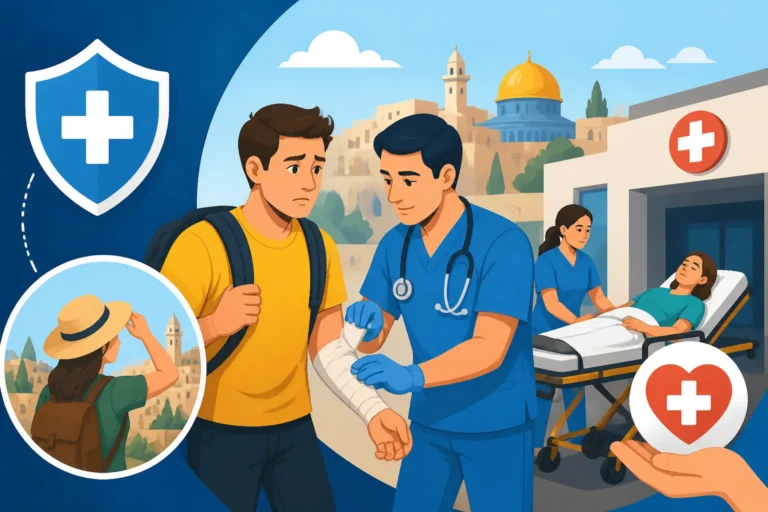
Now, here's a critical point that many tourists and short-term visitors misunderstand: the Sal Briut does not cover you. Israel's universal healthcare system is for its residents. If you're visiting for a few weeks or even a few months on a tourist visa, you are entirely responsible for your medical costs. This means that if you get sick or have an accident, you will be paying out-of-pocket for everything, from a doctor's visit to a hospital stay, and trust me, those costs can add up very quickly.
This is precisely why obtaining robust travel health insurance before you arrive is non-negotiable. Whether it's a comprehensive policy from your home country or an international option like SafetyWing, having coverage is essential. SafetyWing, for instance, is a popular choice for digital nomads and long-term travelers because it offers flexible, affordable plans that can cover you for medical emergencies and even some routine care while you're abroad. Don't risk it; a broken bone or a nasty infection can turn an amazing trip into a financial nightmare. While Can Tourists Get Emergency Care in Israel? is often a concern, it's about whether you'll pay for it, not whether you'll receive it. Israeli hospitals will always treat emergencies, but they will send you the bill. Always, always, always ensure you have adequate travel insurance before setting foot in Israel.
Here’s a quick overview to help distinguish what the Sal Briut generally covers versus what typically falls outside its primary scope:
| Service Category | Generally Covered by Sal Briut (for eligible residents) | Generally NOT Fully Covered by Sal Briut (for eligible residents) |
|---|---|---|
| Primary Care | Family doctors, pediatricians | |
| Specialist Consultations | Most medical specialties (with referral) | Private specialist consultations (without referral/higher co-pay) |
| Hospitalization | Emergency care, surgeries, intensive care | Private hospital rooms, elective cosmetic surgeries |
| Medications | Extensive list of subsidized prescription drugs | Non-subsidized drugs, some alternative medications |
| Diagnostic Tests | X-rays, MRIs, blood tests, lab work | |
| Preventative Care | Vaccinations, cancer screenings (age-dependent), Tipat Halav | |
| Rehabilitation | Physiotherapy, occupational therapy, speech therapy | Extensive long-term home care |
| Mental Health | Psychotherapy, psychiatric care, assessments | |
| Dental Care (Adults) | Routine check-ups, cleanings, fillings, complex procedures | |
| Dental Care (Children) | Preventative & basic treatments (up to age 12/18) | Complex procedures (e.g., orthodontics, often partial/no coverage) |
| Optometry | Routine eye exams, prescription glasses/contact lenses | |
| Medical Devices | Some specific essential devices (e.g., ostomy supplies) | Most hearing aids, advanced mobility aids, non-essential devices |
| Travel Insurance | Medical care abroad, emergency repatriation | |
| Long-Term Care | Limited support through Bituach Leumi (if eligible) | Comprehensive nursing home/home care (requires separate insurance) |
Disclaimer
The information provided in this guide is for general informational purposes only and does not constitute medical, legal, or financial advice. While we strive to keep the information up-to-date and accurate, healthcare policies and coverage can change. Always consult with a qualified professional, your specific Kupat Holim, or the Israeli Ministry of Health for the most current and personalized information regarding your healthcare entitlements and options in Israel.