What Is the Graduated Process for Spousal Citizenship in Israel?
Oh, the infamous "graduated process" for spousal citizenship in Israel! If you're reading this, you're likely deep in the trenches of the Israeli bureaucracy with your Israeli partner, trying to figure out how to navigate the very specific and often maddening path to legal residency and eventual citizenship. Believe me, you're not alone. This isn't just a simple form-filling exercise; it's a multi-year journey designed to test patience, prove genuine relationships, and frankly, make you feel like you're constantly jumping through hoops. This guide is here to demystify it all, offering realistic advice from someone who's seen it and heard it all.
Navigating the Labyrinth: What is the Graduated Process for Spousal Citizenship?
When a foreign national marries an Israeli citizen or enters into a common-law partnership with one, gaining legal status in Israel isn't an overnight affair. Unlike some countries where marriage to a citizen might immediately grant you a clear path to permanent residency or even citizenship, Israel has what’s known as the "Graduated Process" (הליך מדורג – Halich Medurag). This process is exactly what it sounds like: a series of steps, each with its own requirements, interviews, and waiting periods, designed to incrementally grant status over a period that can span between five and seven years, or even longer in some cases, before full citizenship or permanent residency is achieved.
The primary purpose of this drawn-out process, according to the Ministry of Interior (Misrad HaPnim), is to verify the authenticity of the relationship. They want to ensure that the marriage or partnership is not one of convenience, purely for the purpose of gaining legal status in Israel. While this goal is understandable, for genuinely committed couples, it can feel incredibly intrusive, frustrating, and, at times, demeaning. You'll find yourself constantly needing to "prove" your love story, often to different officials who may or may not be empathetic to your situation. It’s a marathon, not a sprint, and understanding this from the outset is crucial for managing expectations and maintaining your sanity. This phased approach applies to both heterosexual and same-sex couples, legally married or in a recognized common-law relationship.
Why Does This Process Exist, and What Are the Core Principles?
The rationale behind the graduated process stems from Israel's desire to safeguard its borders and national identity, while also addressing concerns about sham marriages. While other countries might have similar checks, Israel's approach is particularly rigorous and extended. The core principles guiding this process are:
- Verification of Relationship Authenticity: This is the big one. Every step, every interview, every document you submit is aimed at establishing that your relationship is real, ongoing, and not merely a facade for immigration.
- Integration into Israeli Society: Over the years, you're expected to demonstrate a connection to Israel, whether through learning Hebrew, working, or simply living here consistently.
- Security Concerns: As with many aspects of Israeli life, security considerations play a role, especially when it comes to granting citizenship. Background checks are thorough and continuous.
For foreign spouses, this often means living in a state of semi-permanent limbo for years. You'll move from a tourist visa, to a work visa, to temporary residency, all while needing to renew your status periodically. It’s a constant reminder that your legal presence is conditional. This can be particularly tough on mental well-being and career planning. I remember one expat friend, an American, who felt like she couldn't truly settle, even after several years, because her visa was always subject to renewal, and with each renewal came the anxiety of interviews and document submission. It’s a heavy burden that many couples carry.
Initial Hurdles and Common Frustrations
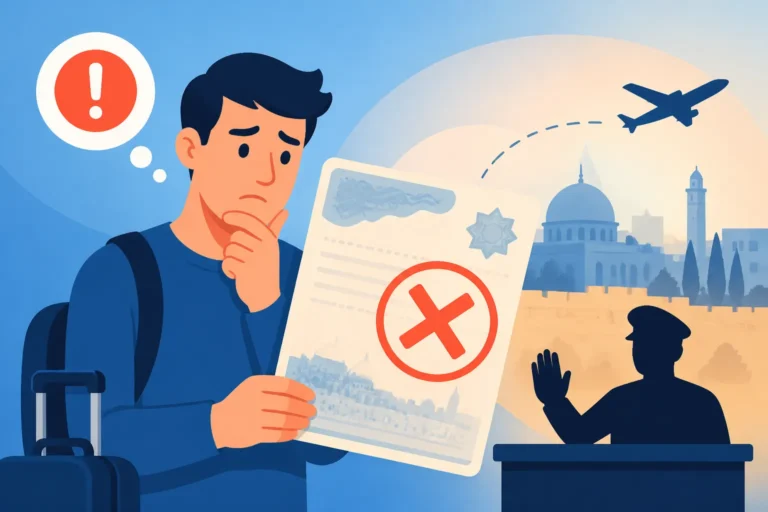
The very beginning of the process can be the most bewildering. Many foreign spouses arrive on a tourist visa (B/2) and then try to initiate the process from within the country. This can be tricky. Technically, you should start the process from your home country, but life often has other plans. If you're already in Israel on a B/2 visa, your Israeli spouse must submit an application to the Ministry of Interior requesting the initiation of the graduated process. This is often met with questions about why the process wasn't started abroad, and sometimes a request for the foreign spouse to leave the country and apply from their home country. This is where patience is truly tested, and having all your ducks in a row – especially proof of your relationship – is paramount.
Another significant frustration is the sheer inconsistency between different Misrad HaPnim branches and even different case officers within the same branch. What one officer accepts as sufficient proof, another might dismiss. The waiting times for appointments can be incredibly long, sometimes months, and when you finally get an appointment, you might find yourself needing to provide yet another document you weren't told about. It's a system that thrives on ambiguity and often feels designed to wear you down. For advice on handling these appointments, you might find our guide on how to book an appointment at the Misrad HaPnim for visa matters very useful.
The First Steps: From Tourist to Temporary Resident (A/5 Visa)
Let’s talk about the practicalities. The journey typically begins with the foreign spouse applying for a temporary A/5 visa. This is not granted immediately; it's the culmination of the initial stages of the graduated process. Before you even get to the A/5, there’s a period where you might be on a B/1 work visa if you were employed, or, more commonly, a B/2 tourist visa with specific extensions granted during the early stages of your application.
The Initial Application and First Interview
The very first step is for the Israeli spouse to submit an application to the Ministry of Interior. This application requests the granting of legal status to their foreign spouse. This initial submission will require a host of documents. Think of it as painting a detailed picture of your life together. You’ll need:
- Your marriage certificate (if married abroad, ensure it’s properly authenticated and translated).
- Your Teudat Zehut (Israeli ID) and passport.
- The foreign spouse's passport, original birth certificate, and any previous visa stamps.
- Proof of shared life: This is where it gets personal. Think joint bank accounts, rental agreements with both names, utility bills, photos together from different stages of your relationship (dating, wedding, holidays, daily life), letters from friends and family, flight tickets from trips you’ve taken together, even social media screenshots showing your relationship. The more, the merrier.
- An affidavit from your Israeli spouse, declaring the authenticity of your relationship.
- A recent police background check from the foreign spouse's country of origin.
- Medical certificate from the foreign spouse.
Once the initial application is filed, you’ll typically be called for a joint interview at the Misrad HaPnim. This interview is often nerve-wracking because the officials are looking for consistency and authenticity. They will ask you both, separately and together, detailed questions about your relationship: when and where you met, your first date, your wedding, your daily routines, your families, even trivial things like what brand of milk you buy. The aim is to catch any inconsistencies that might suggest a sham marriage. It’s an incredibly invasive process, and you should be prepared for it. It's also important to bring all original documents to this interview, even if you’ve already submitted copies.
Securing the A/5 Temporary Resident Visa
If the Misrad HaPnim is satisfied after the initial interview and document review, the foreign spouse will typically be granted an A/5 temporary resident visa. This is a significant milestone! The A/5 visa grants the foreign spouse rights similar to those of Israeli citizens, including the right to work (without needing a separate work permit) and access to the national health insurance system (through Bituach Leumi). This is where having comprehensive health coverage becomes crucial, so ensure you understand how Israel's health funds (Kupot Holim) work. You can always look into supplementary plans from providers like Cigna Global if you feel the public system isn't enough, especially in the early stages or for specific needs.
The A/5 visa is typically granted for one year initially and needs to be renewed annually for the first few years. Each renewal will likely involve another visit to the Misrad HaPnim, potentially another interview, and certainly a re-submission of updated proofs of your continued shared life (new utility bills, updated photos, etc.). The period spent on the A/5 visa is generally about four to five years before you can move on to the next stage. It’s a long time to keep gathering evidence of your daily existence, but it’s part of the process. Understanding the A/5 temporary residence visa in Israel is a key part of this journey.
The Long Haul: Maintaining Your Status and Moving Towards Permanent Residency
Once you've secured that initial A/5 visa, you're in for the long game. The graduated process requires consistent renewals, further interviews, and a continuous demonstration of your relationship and integration into Israeli society. This is often the period where expat couples feel the most exhaustion and frustration, as the finish line still seems so far away.
Annual Renewals and Ongoing Scrutiny
For the first few years, your A/5 visa will need to be renewed annually. Each renewal appointment at the Misrad HaPnim is an opportunity for the officials to reassess your situation. You’ll be asked to bring updated documents proving your cohabitation and shared life. This means new rental agreements (if you moved), recent utility bills in both names, bank statements showing joint finances, photos from the past year, and potentially even letters from neighbors or employers attesting to your relationship.
It's common for couples to feel like they are under a microscope. The questions in interviews might become more probing, or they might simply be repetitive, aiming to check for consistency over time. For example, they might ask about specific holidays you celebrated, what you did on your spouse's birthday, or details about recent family events. It’s vital to be open, honest, and patient, no matter how exasperating it feels. Keep meticulous records of everything – every bill, every photo, every travel itinerary – as these will be your arsenal of proof. Preparing documents for an Aliyah application might seem different, but the principle of thoroughness applies here too.
Incremental Status Upgrades: Towards Permanent Residency
After approximately three to four years on the A/5 temporary visa, if your relationship remains stable and you've consistently met all the requirements, the Misrad HaPnim might upgrade your status to a more permanent form. This typically involves an extension of your A/5 for a longer period (e.g., two years), and then, after five years total on the A/5, the possibility of applying for permanent residency. This is another major step, as permanent residency means you no longer need annual renewals, and your status is much more secure.
The application for permanent residency will once again require a comprehensive review of your file, likely including another set of interviews and all the updated documentation of your shared life. The criteria for permanent residency are similar to the A/5, but with an added emphasis on your integration into Israel. This could mean demonstrating a basic knowledge of Hebrew (though it's not strictly mandated for spouses, it certainly helps), having a job, and generally being an active member of society. Remember, the goal is to show you're not just a transient resident, but genuinely building a life here. When considering your overall move, services like Sirelo can be really helpful for managing the logistical challenges of relocation, allowing you to focus on these crucial visa steps.
What Happens If the Relationship Ends?
This is a tough but important aspect of the graduated process. If, unfortunately, the relationship ends during the multi-year process, the foreign spouse's legal status in Israel is immediately jeopardized. The Misrad HaPnim's primary condition for granting status is the ongoing, authentic relationship with the Israeli spouse. If that relationship ceases, the basis for the visa is removed.
In such cases, the foreign spouse usually has a limited grace period to leave the country. There are rare exceptions, such as cases of domestic violence or severe abuse, where the foreign spouse might be able to apply for independent humanitarian status. However, these are extremely complex and difficult processes requiring legal intervention. For the vast majority, the end of the marriage means the end of the graduated process and the requirement to leave Israel, unless they can find another visa route, like a work visa, which is a whole other beast. This highlights the vulnerability inherent in the graduated process – your legal status is inextricably linked to your partner.
Crossing the Finish Line: From Permanent Resident to Israeli Citizen
After what feels like an eternity of interviews, document submissions, and anxious waits, if you've successfully navigated the A/5 visa renewals and been granted permanent residency, you're finally at the doorstep of Israeli citizenship. This is the final stage of the graduated process, and it comes with its own set of requirements and considerations.
Eligibility and Requirements for Naturalization
Once you have held permanent residency status for a certain period – typically at least three years, following the five years on the A/5 visa – you can apply for Israeli citizenship through naturalization. The total time from starting the graduated process to naturalizing as a citizen is usually between 8 to 10 years, depending on the speed of processing and how quickly you moved through the prior stages.
The main requirements for naturalization, as outlined in the Israeli Citizenship Law, include:
- Residency: You must have been living in Israel for at least three out of the five years preceding your application. Since you've been through the graduated process, this will almost certainly be met.
- Intention to Reside in Israel: You must declare your intention to continue living in Israel.
- Some Hebrew Knowledge: While not strictly defined for spousal naturalization, a basic understanding and ability to communicate in Hebrew is generally expected. This is where those ulpan classes really pay off!
- Renunciation of Former Citizenship (with exceptions): This is often the biggest hurdle. Generally, Israel requires you to renounce your previous citizenship to become an Israeli citizen. However, there are significant exceptions. For spouses of Israeli citizens, the Ministry of Interior often grants waivers to this requirement, allowing you to hold dual citizenship. This is a crucial point and usually means you can keep your original passport. It's always best to clarify this with the Misrad HaPnim during your application, and consult legal counsel if there's any doubt, but most foreign spouses are indeed allowed to maintain dual nationality. Our guide on understanding dual citizenship rules in Israel dives deeper into this.
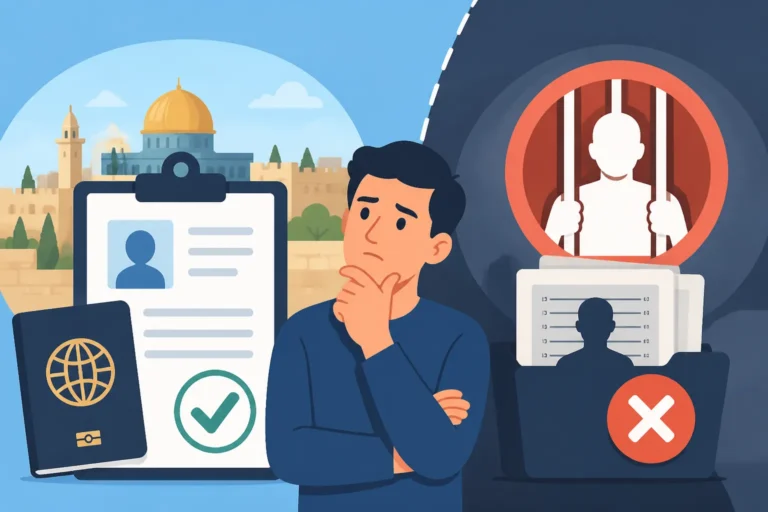
- No Criminal Record: You must not have a significant criminal record that would preclude you from obtaining citizenship.
- Oath of Allegiance: You must declare your allegiance to the State of Israel.
The application for citizenship is submitted to the Misrad HaPnim. It will involve filling out forms, providing updated personal documents, and potentially another interview to verify your continued integration and commitment to Israel. It’s a good idea to refresh your memory on how to apply for Israeli citizenship through naturalisation in Israel before starting this final step.
The Swearing-In Ceremony and Becoming an Israeli Citizen
If your naturalization application is approved, the final step is typically a swearing-in ceremony. This is a formal event where you take an oath of allegiance to the State of Israel. It's a significant moment, marking the end of your long journey through the graduated process.
After the ceremony, you will officially be an Israeli citizen. You'll be issued an Israeli passport (Darkon) and your Teudat Zehut will be updated to reflect your new status. This means full rights and responsibilities as an Israeli citizen, including the right to vote, unlimited residency, and no more annual visa renewals! It’s the ultimate relief after years of bureaucratic hurdles.
Summary of the Graduated Process Stages
| Stage | Typical Duration | Key Milestones & Requirements |
|---|---|---|
| Initial Application & Interviews | 3-12 months | Submission of documents, joint Misrad HaPnim interviews, proving relationship authenticity. |
| A/5 Temporary Resident Visa | 4-5 years (renewable annually) | Right to work, access to public healthcare, annual renewals with updated proof of shared life. |
| Permanent Residency (Toshav Keva) | 3 years (after A/5 completion) | Application for permanent residency, further review, secure long-term status, no annual renewals required. |
| Naturalization to Citizenship | After 3 years of Permanent Residency | Application for citizenship, basic Hebrew, oath of allegiance, potential dual citizenship. Total: ~8-10 years from start. |
This table provides a general timeline, but remember that individual experiences can vary wildly based on the specific Misrad HaPnim branch, the complexity of your case, and changes in regulations.
While the graduated process for spousal citizenship in Israel can be incredibly challenging and, at times, incredibly frustrating, it is a well-trodden path. Thousands of couples have successfully navigated it, and you can too. Arm yourself with patience, meticulous documentation, and perhaps a good lawyer if things get complicated, and you will eventually reach your goal.
Disclaimer
The information provided in this guide is for general informational purposes only and does not constitute legal advice. Immigration laws and procedures in Israel are complex and subject to change. It is highly recommended to consult with a qualified Israeli immigration lawyer or the Ministry of Interior (Misrad HaPnim) directly for advice tailored to your specific situation. Reliance on any information provided in this article is solely at your own risk.