What Is the VAT (Ma’am) Rate in Israel in 2026?
One of the first things that hits you when you move to Israel, especially if you're coming from a country with different tax structures, is the ubiquitous Ma'am. This isn't just a quirky local term; it's the Israeli equivalent of VAT, or Value Added Tax, and it impacts nearly every financial transaction you make. Getting your head around what it is, how it's applied, and what the current rate is – especially with an eye on 2026 – can feel like deciphering an ancient scroll, but don't worry, we're going to break it all down for you.
Demystifying Ma'am: What is VAT in Israel?
For many of us expats, taxes are a universal headache, but Israel has its own unique flavor of bureaucratic challenges. Understanding the Ma'am (מ.ע.מ – Mas E`rekh Musaf, or Value Added Tax) is crucial, not just for business owners, but for every single person who buys anything here. It’s a consumption tax, meaning it's levied on the value added at each stage of production and distribution of goods and services, ultimately borne by the final consumer. When you buy that fresh pita from the makolet or get your hair cut, a portion of what you pay goes towards Ma'am.
The Israeli Tax Authority (Rashut HaMisim) is the body responsible for administering Ma'am, along with income tax and other levies. Their goal, like any tax authority, is to ensure the government receives its due to fund public services. For us, the challenge is often understanding how this invisible tax works its way into everything. It's not like a sales tax you see added on at the register in some countries; in Israel, the sticker price almost always includes Ma'am, which can make it feel less transparent unless you know to look at the breakdown on your receipt. This integrated approach can sometimes mask the true cost for those not paying close attention, so it's good practice to always check if the price includes Ma'am or if it's "plus Ma'am" in business dealings.
The Basic Concept of Israeli VAT (Ma'am)
At its heart, Ma'am is a broad-based consumption tax. Think of it as a percentage added to the price of most goods and services at various stages of their journey to the consumer. When a manufacturer sells to a distributor, they add Ma'am. When the distributor sells to a retailer, they add Ma'am. And finally, when the retailer sells to you, the customer, they add Ma'am. The clever part, from a tax perspective, is that businesses generally only pay the Ma'am on the "value added" at their stage. They collect Ma'am from their customers (output Ma'am) and pay Ma'am on their purchases (input Ma'am), then remit the difference to the Tax Authority.
For the everyday expat, this means that almost everything you purchase – from groceries and clothing to services like a plumber or an electrician – will have Ma'am baked into the price. It's a significant component of the cost of living in Israel, and it's something you quickly learn to factor in, even if you don't always see it itemized upfront. The system is designed to be efficient in collecting revenue, but it does mean that your purchasing power is slightly diminished by this tax on almost every transaction.
Who Pays Ma'am and When?
Ultimately, the burden of Ma'am falls on the final consumer. Businesses act as collectors for the government. When you buy a coffee, the café charges you the price plus Ma'am, and they then remit that Ma'am (minus any input Ma'am they paid on their own purchases, like coffee beans or rent) to the Tax Authority. This system ensures that the tax is applied consistently throughout the supply chain.
For businesses, it gets a bit more complex. Most businesses in Israel are required to register for Ma'am and charge it on their sales. There are two main categories for small businesses: Osek Patur (Exempt Dealer) and Osek Murshe (Licensed Dealer). An Osek Patur, typically a very small business with annual turnover below a certain threshold (which often changes, so always check the current limit!), is exempt from charging Ma'am on their services or products. This means they don't charge it, and they can't claim back Ma'am they paid on their purchases. An Osek Murshe, on the other hand, must charge Ma'am on their sales and is eligible to deduct the Ma'am they paid on their business expenses. This distinction is vital, especially if you're thinking about How to Register as a Freelancer with the Israeli Tax Authority.
The Current and Future VAT Rate in Israel
Alright, let's get down to brass tacks: what's the actual percentage we're talking about? This is often the first question on anyone's mind when discussing taxes, and rightly so. Knowing the rate helps you budget and understand your expenses.
What is the Official Ma'am Rate in 2026 (and Now)?
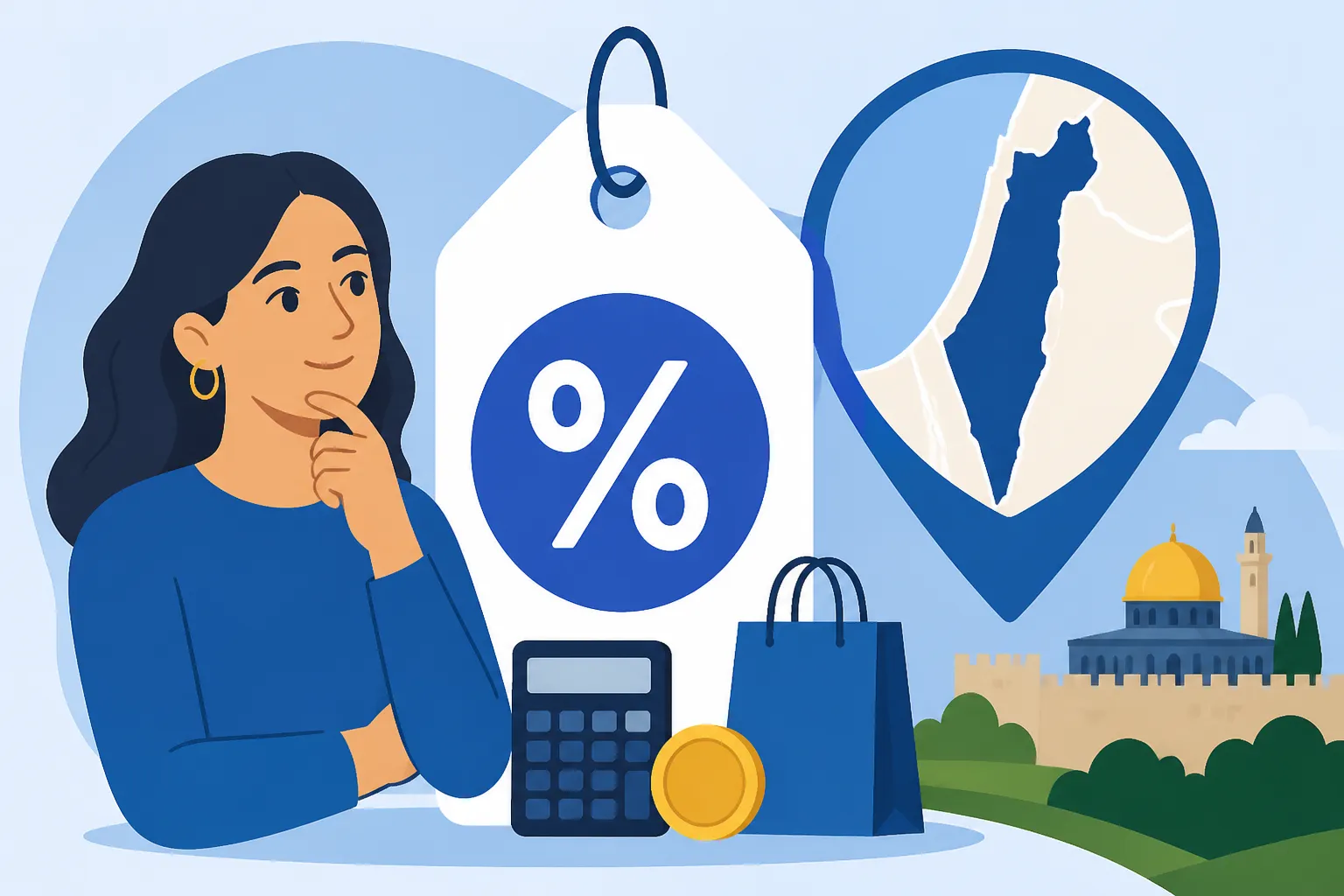
As of my last check and current understanding, the standard VAT (Ma'am) rate in Israel is 17%. This rate has been stable for some time, and there have been no official government announcements or legislative changes indicating a different rate for 2026. Therefore, it is projected to remain at 17% in 2026. Of course, government policies can shift, so it’s always wise to stay updated, but for now, you can plan with 17% in mind.
This 17% applies to the vast majority of goods and services across the economy. From your morning coffee to your monthly internet bill, from a new pair of shoes to a consultation with a lawyer, you're looking at a 17% Ma'am component. It’s an unavoidable part of doing business and living life in Israel. For instance, if you purchase a new refrigerator for ₪3,000, 17% of that, which is ₪510, is Ma'am. It’s just part of the price you pay. This transparency is crucial for your financial planning in Israel, helping you better understand your The Cost of Healthcare in Israel: A Complete Breakdown for Foreigners (2026) or even How Much Does It Cost to Rent an Apartment in Tel Aviv in 2026?.
Exceptions, Zero-Rated, and Exempt Ma'am Transactions
While 17% is the standard, Israel's VAT system, like many, has its nuances. Not everything is subject to the standard rate, and some items are completely exempt or zero-rated. Navigating these exceptions is where things can get a bit tricky for the uninitiated, but they often exist to support specific industries or reduce the burden on essential goods.
Zero-Rated Transactions: These are transactions where Ma'am is charged at 0%. The key difference from an exemption is that businesses involved in zero-rated transactions still register for Ma'am and can claim back input Ma'am on their purchases. The most common example of zero-rated Ma'am in Israel is on exports of goods and services. If an Israeli company sells its products or services to a customer abroad, they typically charge 0% Ma'am. This is a common international practice to make a country's exports more competitive. Another significant zero-rated service is often for tourist services provided to non-residents, such as hotel stays or organized tours for visitors. This helps boost the tourism industry, but it doesn't apply to residents.
Exempt Transactions: These are sales where no Ma'am is charged at all, and the vendor cannot claim back input Ma'am. The most prominent example here is the Osek Patur (Exempt Dealer) we mentioned earlier. If a freelancer or small business operates below the annual turnover threshold (which, in 2024, is around ₪120,000, but please always verify the current figure with the Israel Tax Authority), they are considered an Osek Patur and do not charge Ma'am on their invoices. They also cannot reclaim Ma'am on their business expenses. Other exemptions include certain financial services, educational services, and renting residential property (long-term leases). Understanding these distinctions is critical, especially if you're pondering How to Pay Taxes as an Osek Patur in Israel or planning to open your own venture.
Navigating Ma'am as an Expat: Practical Scenarios
Living in Israel means you’ll encounter Ma'am constantly, whether you’re consciously aware of it or not. For expats, understanding how it plays out in daily life and in business is key to financial literacy and avoiding unpleasant surprises.
For Consumers: Everyday Purchases and Services
For most expats, our primary interaction with Ma'am is as consumers. When you go to the supermarket, Rami Levy or Shufersal, or shop at a clothing store, the price you see on the shelf or tag already includes the 17% Ma'am. This is a standard practice in Israel, which means you don’t have to do mental math at the checkout to calculate the final price. It’s all included. This simplifies things for casual shopping, but it can also make it feel like you're constantly paying a hidden tax without realizing the full extent of it.
For larger purchases, like furniture, electronics, or even a new car, the same rule applies. The advertised price will include Ma'am. This differs from some countries where sales tax is added after the sticker price, so it's a mental adjustment. When budgeting for significant investments, like buying new appliances for your apartment or home, remember that a hefty portion of that cost is going straight to the taxman via Ma'am. For those who are only visiting Israel, there's a system for tourists to claim VAT refunds on certain purchases, especially high-value items, but this isn't relevant for residents or those with long-term visas.
For Self-Employed and Business Owners: Charging and Reporting Ma'am
If you’re diving into the entrepreneurial spirit in Israel, becoming self-employed, or running a business, Ma'am becomes a much more hands-on affair. This is where the intricacies of the Israeli tax system truly start to unfold. If your business is an Osek Murshe (Licensed Dealer), which is usually the case if your annual turnover exceeds the Osek Patur threshold, you are legally obligated to charge 17% Ma'am on nearly all your sales of goods and services. This Ma'am you collect from your clients is called "output Ma'am" (Ma'am Takot).
The good news for Osek Murshe businesses is that you can reclaim the Ma'am you pay on your business expenses, known as "input Ma'am" (Ma'am Tashum). This includes Ma'am on office supplies, rent, utilities, professional services you purchase, and more. You'll file periodic Ma'am reports (usually monthly or bi-monthly) with the Israel Tax Authority, detailing your input and output Ma'am, and either pay the net difference or, if your input Ma'am exceeds your output Ma'am, claim a refund. This process can be quite detailed, and this is precisely where services like Taxes for Expats can be incredibly valuable. They specialize in helping foreigners navigate these complex reporting requirements, ensuring you stay compliant and optimize your tax position. And when it comes to receiving payments from abroad or making international transfers for your business, a service like Wise (formerly TransferWise) can offer transparent exchange rates and lower fees compared to traditional banks, helping you manage your business finances more efficiently.
Tips for Expats and Avoiding Common Pitfalls
Moving to a new country always comes with a steep learning curve, and mastering the local tax system is definitely on that list. For us expats, understanding Ma'am is not just about compliance, but also about financial peace of mind.
Understanding Your Obligations and Rights
As a consumer, your primary right is to receive a receipt that, in most cases, implicitly or explicitly indicates that Ma'am is included in the price. If you’re making a significant purchase or dealing with a service provider, don’t hesitate to ask for an itemized invoice that clearly separates the price of the goods/service from the Ma'am component. This clarity is especially important if you are ever in a business context and need to reclaim input Ma'am.
If you are self-employed or running a business, your obligations are far greater. You must ensure you are correctly registered with the Israel Tax Authority. If you're an Osek Murshe, you must issue proper tax invoices (חשבונית מס – heshbonit mas) that clearly state the Ma'am amount. Timely filing of your Ma'am reports and payments is critical to avoid penalties. For a detailed guide on registration and compliance, you might want to look into How to Register for VAT (Ma'am) in Israel. Remember, ignorance of the law is not an excuse, and the Israeli tax authorities are thorough.
Resources and Professional Help
Honestly, for anything beyond basic consumer interactions with Ma'am, especially if you're running a business or have complex financial situations, you absolutely need professional help. The Israeli tax system, with its mix of Hebrew and specific legal terms, can be bewildering. A good Israeli accountant (rohe cheshbon) who specializes in working with olim and expats can be your best friend. They can help you understand your specific situation, navigate the filing processes, ensure you claim all eligible deductions, and advise on your status (e.g., if you should be an Osek Patur or Osek Murshe).
Don't try to go it alone if you have a business. Even simple things like understanding the current What Is the VAT Threshold for an Osek Patur in Israel? can save you a lot of headaches. Websites like the Israel Tax Authority (Rashut HaMisim) (gov.il) offer information, but it's often in Hebrew and can be dense. Reputable expat-focused financial advisors or accounting firms, like those accessible through Taxes for Expats, can provide invaluable guidance in English. Moreover, if your business involves international clients or suppliers, using services like Wise for international money transfers can help you manage currency conversions and transfer fees transparently, ensuring that foreign payments are received without unexpected deductions, which is another crucial aspect of managing your overall financial health in Israel.
| Feature / Category | Osek Patur (Exempt Dealer) | Osek Murshe (Licensed Dealer) |
|---|---|---|
| Annual Turnover Limit | Below a certain threshold (approx. ₪120,000 in 2024, check current figures) | Above the Osek Patur threshold or by choice |
| Charges Ma'am? | No, does not charge 17% Ma'am on invoices | Yes, must charge 17% Ma'am on all taxable sales |
| Reclaims Input Ma'am? | No, cannot reclaim Ma'am paid on expenses | Yes, can reclaim Ma'am paid on business expenses |
| Files Ma'am Reports? | Annual declaration (Doch Shnati) of income only | Monthly or Bi-monthly Ma'am reports |
| Issues Invoices? | Simplified receipts (Kabatot) | Detailed tax invoices (Heshbonit Mas) with Ma'am |
| Best For | Very small businesses, freelancers with low turnover | Most businesses, those with higher turnover |
Remember, understanding The Complete Guide to Taxes in Israel for Olim and Expats (2027) means grasping all its components, and Ma'am is a big one. Keep informed, seek professional advice, and you'll navigate Israel's financial landscape like a seasoned pro.
Disclaimer
The information provided in this guide is for general informational purposes only and does not constitute professional financial, legal, or tax advice. While we strive to provide accurate and up-to-date content, tax laws and regulations in Israel are complex and subject to change. It is strongly recommended that you consult with a qualified Israeli tax advisor or accountant for advice tailored to your specific circumstances. We cannot be held responsible for any decisions made based on the information presented herein.