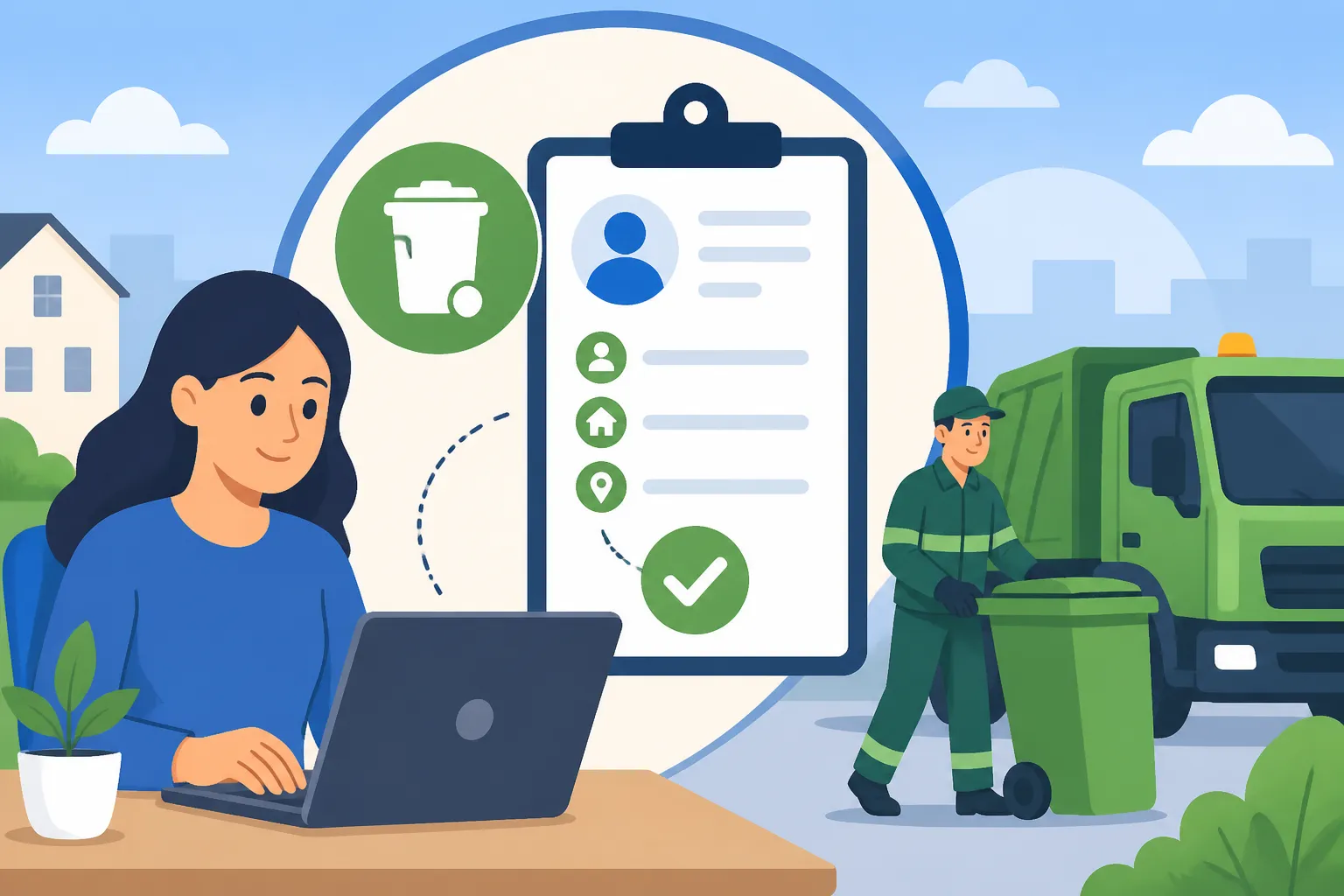
How Do I Register for Municipal Waste Services in Israel?
Moving into a new home in Israel can feel like a whirlwind, with so many new systems to figure out. One of those fundamental, yet surprisingly opaque, processes for many newcomers is understanding and registering for municipal waste services. You’ve just landed, signed a rental contract, and now you’re staring at a myriad of bins outside your building, wondering which is which and how on earth you ensure your rubbish gets collected without a fuss. This guide will cut through the confusion, offering a comprehensive, expat-friendly roadmap to navigating waste management in your Israeli home.
Understanding the Israeli Municipal Waste System
The way Israel handles waste management is a fascinating blend of local autonomy and national guidelines. Unlike some countries where a single, centralized entity dictates everything, here, a significant amount of responsibility – and thus, variation – rests with your local municipality. This is often where the initial confusion for new arrivals sets in.
The Local Authority's Role Rashiut Mekomit
In Israel, your local authority – whether it's a city (like Tel Aviv or Jerusalem), a regional council, or a local council – is primarily responsible for public services, and waste collection is high on that list. This means that the exact type of bins you have, the collection schedule, and even the nuances of what can be recycled might differ slightly from one city to the next, or even between neighborhoods within the same city. This local control is why you'll hear friends in Ramat Gan talking about green bins while you're in Haifa dealing with purple ones.
These services, including waste collection, are largely funded through your municipal property tax, known as Arnona. When you rent or buy an apartment, you become responsible for paying Arnona, and by doing so, you're inherently contributing to and registered for these services. So, in many ways, "registering" for waste services isn't a standalone bureaucratic act, but rather an automatic inclusion once your address is formally recognized by the municipality for Arnona purposes. This system is designed to be relatively hands-off for the end-user, but the underlying mechanisms can still be a bit baffling to those unfamiliar with Israeli administrative practices. If you're looking to understand more about how this vital tax works, our guide on Understanding Arnona Municipal Property Tax in Israel offers a deeper dive.
Types of Waste Collection
You'll quickly notice a robust, albeit sometimes seemingly random, system of waste segregation here. Gone are the days of a single trash can for everything, at least in most urban areas. Here's a rundown of what you can expect:
- Household Waste (P'solet Bayit): This is your general, everyday, non-recyclable garbage. It goes into the largest, often green or grey, bins. These are typically collected several times a week, though frequencies vary by area. For example, in a densely populated area of Tel Aviv, collections might be daily, while in a quieter neighborhood of Netanya, it could be three times a week. It’s the kind of stuff that usually ends up in landfills, so the push here, as everywhere, is to minimize it.
- Recycling Bins: Israel has made a significant push for recycling in recent years, and you'll find various specialized bins for different materials:
- Yellow Bins (Pachim Tzahovim): These are for plastic bottles and plastic packaging. Think soda bottles, milk jugs, shampoo bottles, and even plastic food containers – anything with the recycling symbol. Make sure they’re relatively clean and empty!
- Blue Bins (Pachim Kacholim): Dedicated to paper and cardboard. Cereal boxes, newspapers, magazines, junk mail – basically anything paper, as long as it's dry and not excessively greasy (like a pizza box).
- Green Bins (Pachim Yerukim): These are for glass items – jars, bottles, etc. Again, empty and rinsed is the golden rule.
- Purple Bins (Pachim Sgolim): This one is slightly newer and less ubiquitous, but increasingly common for mixed packaging, including plastic, metal (like tin cans), and even some cartons that aren't purely paper.
- Battery and Electronic Waste: For smaller items like used batteries, you'll often find collection points at supermarkets or electronics stores. Larger electronic waste (old TVs, computers) usually requires special municipal collection or designated drop-off points, which is something you definitely don't want to just toss in a regular bin.
- Organic Waste (P'solet Organit): While not universal, some municipalities are piloting or implementing separate collection for organic waste, particularly in larger cities or specific neighborhoods. These are usually smaller, sealed bins designed to collect food scraps and garden waste, which are then composted. This is a fantastic initiative, but you'll need to check if it's available in your specific area.
Understanding this multi-bin system is key to being a good resident and minimizing your impact. It takes a bit of getting used to, but once you get into the rhythm, it becomes second nature.
Registering for Waste Services: Your Step-by-Step Guide
The concept of "registering" for municipal waste services in Israel isn't as straightforward as signing up for, say, an internet provider or a mobile plan. It's largely integrated into other official processes that recognize you as a resident and taxpayer.
The Initial Setup Process
For most expats and new immigrants, registering for waste services isn't a separate form you fill out or a phone call you make specifically for trash collection. Instead, it's typically an automatic consequence of establishing your residency and getting on the municipal tax rolls.
When you sign a rental contract (or purchase an apartment) and subsequently register your address with the Population and Immigration Authority (Misrad HaPnim), that information generally flows to your local municipality. The municipality then registers you as the responsible party for Arnona at that address. Since Arnona covers municipal services, including waste collection, you are then automatically "registered" for these services. This is why when you set up your utilities in Israel, you’re usually asked for your Teudat Zehut (Israeli ID card) or passport, and your address. The municipality needs to know who is living where to send the Arnona bills and ensure services are provided.
It’s crucial that when you move into a new place, you ensure your name is on the Arnona bill. If the previous tenant or owner's name remains, you might not receive proper billing, and technically, the municipality might not officially recognize you as the resident responsible for services, although collection usually continues regardless. Always ensure the rental agreement clearly states the transfer of Arnona responsibility. Our detailed guide on How to Sign a Rental Contract Chozeh Schirut in Israel provides invaluable advice on navigating this process.
What to Do If You're Not Automatically Registered
While the system is designed for automatic registration, life in Israel sometimes throws a curveball. There are a few scenarios where you might find yourself needing to be more proactive:
- New Construction: If you're moving into a brand-new building or a property that hasn't been officially inhabited before, it might take a little longer for the municipal records to catch up. In this case, you might need to contact the municipality directly to ensure your address is added to their system and you start receiving Arnona bills.
- Long-Term Tenants (whose landlord handles Arnona): While less common, some landlords might choose to keep the Arnona bill in their name and factor it into your rent. Even if this is the case, it’s vital to confirm with both your landlord and the municipality that waste services are indeed active and being paid for. You wouldn't want to be in a situation where services are suddenly halted due to administrative oversight.
- Administrative Glitches: Let's face it, bureaucracy isn't always seamless anywhere in the world, and Israel is no exception. If you've been living in your apartment for a while, and you still haven't received an Arnona bill, or if you notice inconsistencies with waste collection (e.g., bins consistently overflowing or not emptied on schedule), it's a red flag. You'll need to reach out to your local municipality's Arnona or sanitation department. You can usually find their contact details on the municipality's official website or by calling their main information line. Having a Hebrew-speaking friend or colleague to help you with the call can make a world of difference.
Required Documents and Information
When you do need to contact the municipality regarding waste services or Arnona, it's always best to be prepared with the following documents and information:
- Proof of Identity: Your Teudat Zehut (if you have one) or your passport. This is crucial for verifying who you are.
- Rental Contract (Chozeh Schirut) or Purchase Agreement: This document legally establishes your connection to the property and the start date of your residency. The municipality will need to see this to confirm your responsibility for Arnona.
- Proof of Address: While your rental contract usually suffices, sometimes they might ask for an additional document like a recent utility bill (electricity, water, or gas) in your name. This helps confirm that you are indeed residing at the address. Remember, getting How Do I Get Proof of Address in Israel? can sometimes be a journey in itself!
- Arnona Account Number (if available): If you've received any previous Arnona bills, having the account number will significantly speed up any inquiries.
- Contact Information: Your phone number and email address, so they can reach you if needed.
Having these ready will save you a lot of back-and-forth and make the process smoother, even if it feels like you're just confirming something that should be automatic.
Day-to-Day Waste Management for Expats
Once you’re settled and supposedly “registered,” the real fun begins: integrating waste management into your daily life. It’s not just about knowing which bin is which; it’s about timing, special requests, and understanding local quirks.
Deciphering Your Municipality's Rules
This is where local variation really shines. Every city in Israel, and even different neighborhoods within a city, might have specific collection days, different bin colors, or particular rules about waste placement.
- Collection Schedules: The general household waste (green/grey bins) is typically collected multiple times a week. Recycling bins, especially the yellow, blue, and green ones, often have less frequent collections, perhaps once or twice a week. You'll need to find out the specific schedule for your street or building. Many municipalities have this information on their websites (often under "איכות הסביבה" – Eichut HaSviva, meaning "Environmental Quality" or "פינוי אשפה" – Pinui Ashpa, meaning "Waste Evacuation"). Some might even have a dedicated app or a schedule posted in your building's lobby. For example, in Tel Aviv, you'll find the Ezra La'Arimon app or online map where you can search by address to see collection days and bin locations. In Jerusalem, you might need to check the city’s official website or call their 106 hotline.
- Bin Placement: In some buildings, the bins are centrally located in a designated area. In others, residents might bring smaller bins out to the curb on collection days. Over time, new underground waste disposal systems (like those becoming common in newer neighborhoods of Rishon LeZion or Herzliya) are replacing the traditional large bins, making waste disposal more aesthetic and hygienic.
- What Goes Where: While I’ve given a general overview of bin types, always double-check your local municipality's guidelines. Some cities are more stringent than others about what can and cannot go into certain recycling bins. For example, plastic bags are generally not to be put in the yellow bins; they should go with general household waste unless your municipality specifically has a separate collection for them (which is rare).
Remember, a quick search on your municipality's website – perhaps with the help of Google Translate if your Hebrew isn't quite there yet – is your best friend here. Consider using an eSIM from a provider like Airalo to ensure you have reliable data to look up these details on the go, especially when you're first exploring your new neighborhood.
Dealing with Bulky Waste Psoulet Gasa
Ah, the "psoulet gasa" – bulky waste. This is where things can get a bit tricky and requires some planning. You can't just throw out an old sofa, a broken refrigerator, or construction debris with your regular trash. These items need special handling.
- Scheduled Pick-Ups: Most municipalities offer scheduled collection services for bulky waste. You typically need to call your municipality's sanitation department a few days in advance to arrange a pick-up. They'll give you a specific date and often ask you to place the items outside your building on the evening before the collection day. Be warned: this service might come with a fee, especially if you have a large volume of items.
- Designated Drop-Off Points (Mitaronim): Many cities also have designated "mitaronim" or collection points where residents can bring bulky waste, garden waste, and sometimes even electronic waste themselves. These are usually open during specific hours. These can be very convenient if you have a car, as they allow you to dispose of items at your leisure rather than waiting for a scheduled pick-up.
- Construction Debris: If you're doing renovations, even minor ones, the resulting debris (tiles, plaster, concrete) cannot go into regular waste or even bulky waste collection. You'll need to arrange for a specialized skip or container, usually through a private contractor, to dispose of this responsibly. Dumping it illegally can result in hefty fines, so don't risk it!
When planning a move, especially if you have a lot of items to discard, companies like Sirelo, which specialize in international moving, often have resources or partners who can help navigate these local logistics, saving you a headache.
Recycling Facilities and Habits
Embracing the Israeli recycling culture means getting into some good habits:
- Rinsing: For yellow (plastic bottles) and green (glass) bins, a quick rinse of the items before tossing them in is usually recommended. This prevents odors and helps the recycling process.
- Flattening: Flattening cardboard boxes before putting them in the blue bins saves space and makes collection more efficient.
- Battery Collection: Don't throw batteries in regular trash! Most supermarkets, electronics stores, and even some public buildings have small collection boxes for used batteries.
- Textile Recycling: Many cities have large metal bins specifically for textile recycling (clothing, shoes, linens). These are usually clearly marked.
- Oil Collection: Some municipalities provide special containers for used cooking oil, often found near large recycling centers. This is a niche but important service to prevent environmental contamination.
While the sheer number of bins and rules might seem overwhelming at first, the system is designed to be user-friendly once you get the hang of it. It’s all part of adapting to life in Israel! If you're pondering how to make your home truly ready for all these municipal services, check out our guide on The Expat Guide to Setting Up Utilities in Israel.
Common Challenges and Solutions for Foreigners
Navigating municipal services can be daunting enough in your native language, let alone in a new country with a different bureaucracy and language.
Language Barriers and Bureaucracy
This is perhaps the biggest hurdle for many newcomers. Trying to understand complex regulations or explain a problem over the phone in Hebrew can be incredibly frustrating.
- Don't Be Afraid to Ask for Help: This is my number one piece of advice. Don't suffer in silence.
- Hebrew-Speaking Friends/Colleagues: If you have a friend, colleague, or even a helpful neighbor who speaks Hebrew well, ask them to make a phone call for you or help you decipher a letter from the municipality. Most Israelis are very understanding and willing to assist.
- Oleh Chadash Services: If you are a new immigrant (Oleh Chadash), many municipalities have dedicated departments or contact persons for new immigrants. They often have English-speaking staff or access to translation services. They can be an invaluable resource for understanding all municipal services, not just waste.
- Online Translators: Google Translate and similar tools are getting better and better. Use them for municipality websites, official documents, and even for crafting emails. Just double-check for clarity!
- Immigrant Organizations: Organizations like Nefesh B'Nefesh for Olim or other expat community groups often provide guidance and resources for navigating Israeli bureaucracy.
- Patience is a Virtue: Things might not always move as quickly as you'd like, or you might have to call multiple times to get a clear answer. Take a deep breath, keep all records of your communication (dates, times, names of people you spoke to), and persist.
Reliable connectivity is also key for looking up information or translating on the fly. An eSIM from a provider like Airalo can be a lifesaver for seamless data access without the hassle of local SIM cards right after you land.
Understanding Arnona and Waste Fees
As we touched upon earlier, Arnona is your municipal property tax, and it directly contributes to funding services like waste collection, street cleaning, maintenance of public parks, and local education.
- Who Pays Arnona? Generally, the person registered as the occupant of the property (either owner or long-term tenant) is responsible for Arnona. When you rent, your contract should specify if you or your landlord is responsible for paying it. However, even if your landlord pays it, ensuring your address is officially recognized and receiving the services is still your concern.
- Discounts and Exemptions: Good news for new immigrants! Olim Chadashim are often eligible for significant discounts on Arnona for a certain period, usually the first year or so after their Aliyah. This can be a substantial saving. You’ll need to apply for this discount through your municipality's Arnona department, often requiring your Teudat Oleh (New Immigrant Certificate). Other groups, such as low-income individuals, pensioners, or those with disabilities, may also be eligible for discounts. Our guide on How Much Does It Cost to Rent an Apartment in Tel Aviv in 2026? touches on how Arnona factors into your overall living costs.
- Additional Fees: While regular waste collection is covered by Arnona, be aware that certain services, particularly for bulky waste or specialized waste disposal (like construction debris), might incur additional charges. Always clarify this with the municipality when arranging such services.
Moving Out: Closing Accounts If Applicable
When the time comes to move to a new apartment or even leave Israel, it's essential to properly close out your municipal accounts to avoid being charged for services you're no longer using.
- Update Your Arnona Registration: Just as you registered (or were automatically registered) when you moved in, you'll need to inform the municipality when you move out. This typically involves updating your address at the Misrad HaPnim and notifying the municipality's Arnona department of your departure date. If a new tenant is moving in immediately, their registration will often supersede yours.
- Final Utility Readings: While not directly waste-related, ensuring final readings for electricity, water, and gas are taken and bills settled is crucial. This helps solidify your departure date from the property in municipal records. Our guide on How to Get Proof of Address in Israel covers some of the interconnectedness of these services.
- Prevent Future Charges: If you don't properly notify the municipality, you might continue to receive Arnona bills for a property you no longer inhabit. Chasing these down from abroad can be a nightmare, so take the time to handle this before you leave.
The key takeaway here is communication and documentation. Keep copies of everything, and don't hesitate to seek help when the Hebrew gets too dense or the bureaucracy feels insurmountable.
Here's a quick overview of typical waste categories and how they're handled:
| Waste Type | Typical Bin Color/Designation | Collection Frequency (General) | Notes |
|---|---|---|---|
| Household Waste | Green or Grey large bins | 2-4 times/week | Everyday non-recyclable trash. Check local schedule. |
| Plastic Bottles | Yellow bins (large cage-like) | 1-2 times/week | Plastic drinking bottles, soda bottles. Rinse thoroughly. |
| Paper & Cardboard | Blue bins | 1-2 times/week | Newspapers, magazines, clean cardboard. Flatten boxes. |
| Glass | Green bins (smaller) | 1-2 times/week | Jars, bottles (no light bulbs or window glass). Rinse. |
| Mixed Packaging | Purple bins | 1 time/week (if available) | Various plastic containers, metal cans. Growing in popularity. |
| Bulky Waste | Scheduled pickup / Mitaron | By appointment / Designated hours | Old furniture, appliances. Fees may apply. |
| Electronic Waste | Designated drop-off / Stores | Irregular | Small electronics at stores; large items at mitaronim. |
| Batteries | Supermarkets / Electronics stores | Irregular | Small collection points in many retail locations. |
| Textiles | Orange/Grey large bins | Irregular | Clothes, shoes, linens in good condition. |
| Organic Waste | Small, sealed bins | 1-2 times/week (if available) | Food scraps, garden waste. Pilot programs in select areas. |
Remember, this table provides general guidelines. Always verify the specifics with your local municipality for the most accurate information regarding your exact address.
Disclaimer
The information provided in this guide is for general informational purposes only and does not constitute professional or legal advice. While we strive to keep the information up-to-date and accurate, municipal regulations and services in Israel can change. It is always recommended to consult with your specific local municipality or a qualified professional for personalized advice regarding your waste management and municipal tax obligations.