How Does the Highway 6 (Kvish 6) Toll Work in Israel?
You've just moved to Israel, perhaps you’ve rented a car for a weekend trip, or maybe you’ve just gotten your own wheels. You’re driving along, enjoying the scenery, and suddenly you notice this fantastic, clear highway, cruising past the usual traffic jams with ease. Weeks later, an official-looking Hebrew letter lands in your mailbox, and your heart sinks a little. It’s a bill for Highway 6, or Kvish 6 as it’s known here, and you had no idea it was a toll road, let alone how it even works! This is a classic expat experience, and it's completely normal to feel confused. This guide is designed to cut through that confusion, giving you the full rundown on how Kvish 6 tolls operate, how to manage payments, and crucially, how to avoid those frustrating surprise bills.
What Exactly is Kvish 6 (Highway 6) and Why is it Special?
When you first arrive in Israel, the road network can seem a bit… chaotically charming. But then there's Kvish 6, a modern, multi-lane highway that feels like a breath of fresh air. It’s quite different from many other roads, primarily because it was built and operated by a private company, Derech Eretz Highways (Israel) Ltd., to significantly improve travel across the country.
The Vision Behind Kvish 6: From Congestion to Connectivity
For years, Israel suffered from chronic traffic congestion, especially along its narrow central corridor. The existing north-south routes, like Highway 2 (the Coastal Highway) and Highway 4, were often choked with vehicles, making even short journeys a tedious ordeal. The vision for Kvish 6 was to create a high-speed, efficient alternative that would bypass many of the urban areas, dramatically cutting down travel times and improving connectivity between the north and south of the country.
The introduction of Kvish 6, officially known as the Trans-Israel Highway (or Derech Eretz in Hebrew, a clever double meaning for 'highway' and 'way of the land'), was a game-changer. It allowed commuters and travelers to zip past major bottlenecks like those around Tel Aviv, transforming travel for many. What used to be a two-hour crawl could often be reduced to a smooth 45-minute drive, which, let's be honest, is a huge win when you’re trying to balance work and life here. It offered a level of driving experience that was, and largely still is, unparalleled in the country.
Key Sections and Expansions: Where Does it Go?
Kvish 6 is an extensive route, stretching roughly from Kiryat Shmona in the far north down to Be'er Sheva in the south, though it’s been built in stages over the years. The main central sections, running through the heart of the country, were the first to be completed and are the most heavily trafficked. It effectively creates a bypass for the country's most densely populated areas, allowing you to travel from, say, Haifa to Be'er Sheva without ever touching the congested roads of Gush Dan (the Tel Aviv metropolitan area).
Over time, the highway has seen continuous expansion. The northern sections, often referred to as "Kvish 6 North" or "Highway 6 North," extend further into the Galilee, while the southern stretches continue to push towards the Negev. These expansions aim to bring the benefits of faster, safer travel to even more remote parts of the country. This means that whether you're heading for a weekend getaway in the Golan Heights or a business trip to the developing tech hub in Be'er Sheva, Kvish 6 offers a streamlined, if tolled, path to get there. It’s certainly a feature that makes Driving in Israel: Licences, Registration and Rules for Expats (2027) a more pleasant experience for many.
How Does the Toll System Work on Kvish 6?
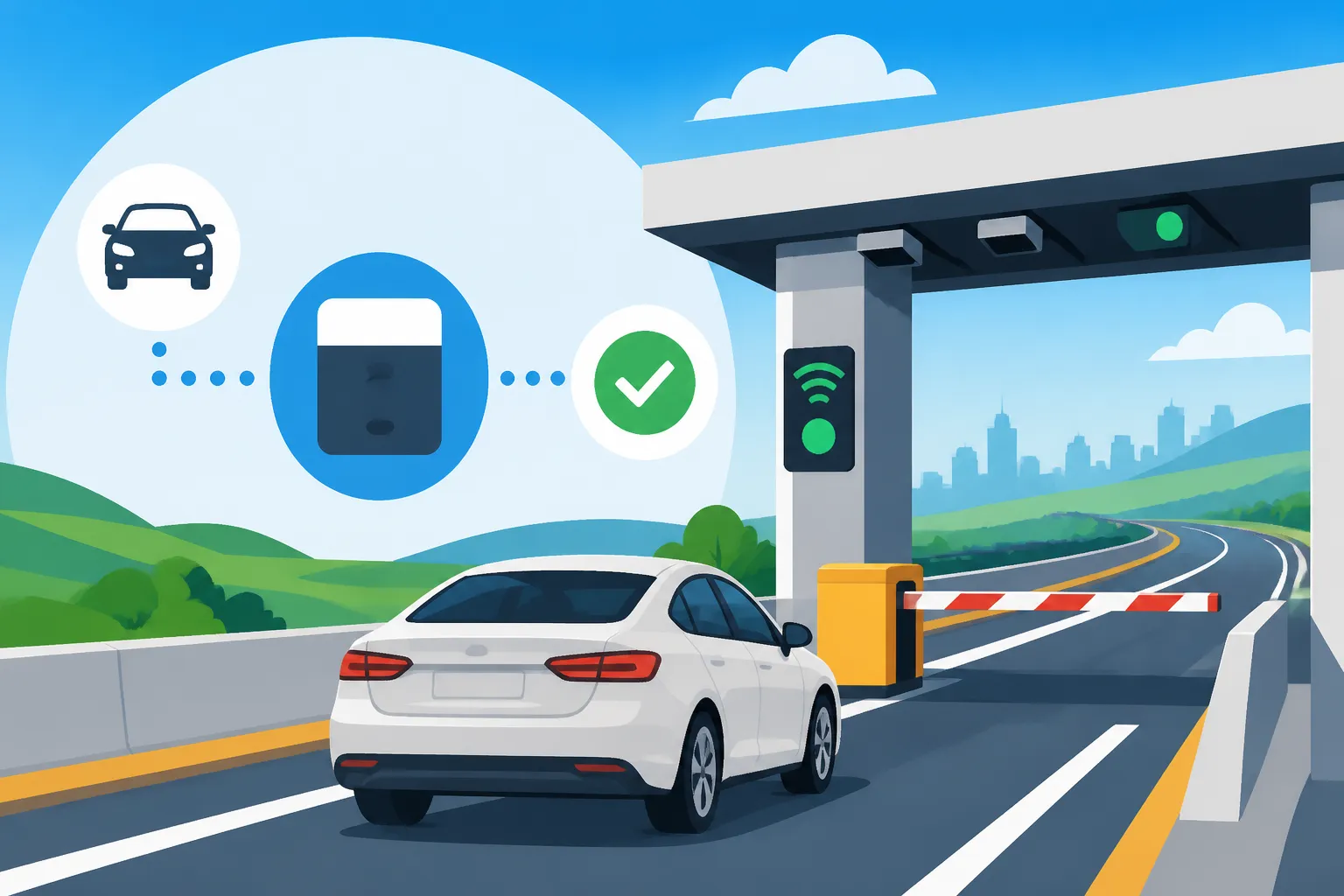
This is where the real mystery and, for many expats, the headache begins. Unlike many toll roads around the world, Kvish 6 operates on a completely "free-flow" electronic system. This means there are no physical toll booths, no barrier arms, and no cashiers to pay. You just drive right through, and that’s precisely why so many newcomers get caught off guard.
The "Free Flow" System: No Stopping, Just Driving
Imagine cruising along, seeing no obvious signs of a toll, and assuming it's just a regular, nice highway. That’s the deceptive beauty of Kvish 6. The "free flow" system is designed for maximum efficiency – you don't need to slow down or stop, which significantly reduces travel time and eliminates traffic jams at toll plazas. This is a massive improvement over older toll road models, but it comes with the caveat of needing to understand how you're being charged.
As you drive along Kvish 6, you pass under large gantries equipped with advanced cameras and sensors. These gantries are strategically placed at entry and exit points of various "sections" of the highway. Each time your vehicle passes under one of these, it's recorded. The system calculates your toll based on which sections you've traversed. The longer your journey on Kvish 6, and the more sections you pass through, the higher your toll will be. It's a convenient system, undeniably, but if you're not prepared, the first bill can certainly feel like a surprise attack.
Identifying Your Vehicle: License Plate Recognition
The core technology behind Kvish 6's toll system relies heavily on sophisticated license plate recognition (LPR). As your car passes under those gantries, the cameras snap an image of your front and rear license plates. This image is then processed, and your vehicle's registration details are cross-referenced with the database of registered users and the Population Authority.
This is why your Israeli license plate is so critical. If your vehicle is registered with Derech Eretz (the operating company), the system knows exactly who you are and can bill you accordingly. If you're driving a rental car, the bill goes directly to the rental company, which then, predictably, charges you – often with an added administrative fee for their trouble. Even if you're driving your own car and haven't registered with Derech Eretz, the bill will eventually find its way to the registered owner's address. Understanding this process is key to avoiding unforeseen charges, especially if you’ve just gone through the process of How to Register a Vehicle and Transfer Ownership in Israel.
Receiving Your Bill: What to Expect and When
So, you've driven on Kvish 6, perhaps multiple times, and you haven't paid a thing at the time. A few weeks, or even a couple of months, down the line, an envelope arrives. For many expats, this is their first encounter with a Kvish 6 bill. These bills are typically sent by mail to the registered owner of the vehicle. If you're registered with Derech Eretz as a subscriber, you'll receive a consolidated monthly statement. If not, you'll get individual bills for each set of trips, or perhaps one large bill covering a period of unregistered usage.
The bill itself will detail the trips you've made, the sections traversed, and the associated costs. And yes, it will most likely be entirely in Hebrew, which adds another layer of fun to deciphering it. It's crucial not to ignore these bills, even if you can't read them initially. They come with payment deadlines, and if missed, late fees can quickly accumulate, turning a minor toll into a much larger, more frustrating expense. It's a stark reminder that staying on top of your mail, and getting help translating important documents, is just another part of the Registering Your Address with the Population Authority in Israel process.
Understanding the Different Payment Methods and Subscriptions
When it comes to paying for Kvish 6, you have options, but understanding them upfront can save you a lot of hassle and money in the long run. The main operator, Derech Eretz, offers various plans, and knowing which one suits your driving habits is vital.
Derech Eretz: The Main Operator and Its Plans
Derech Eretz, the company that built and operates Kvish 6, is your primary point of contact for managing your tolls. They offer a few different ways to pay, each with its own advantages. The most common and recommended method for regular users is to become a registered subscriber. This involves setting up an account with them and registering your vehicle (or vehicles).
Registered Subscriber (Manooy): This is the ideal option if you plan to use Kvish 6 frequently. You register your vehicle(s) with Derech Eretz and link a credit card or set up a direct debit from your Israeli bank account. Subscribers benefit from reduced toll rates compared to unregistered users. You'll receive a consolidated bill once a month, detailing all your trips. It's clean, efficient, and avoids those unexpected individual bills. Many expats find this similar to setting up other recurring payments, akin to understanding How Do I Pay My Utility Bills in Israel?.
Registered Occasional User (Manooy Mizdamen): For those who use Kvish 6 less frequently but still want the convenience of a registered account, this is an option. You still register your vehicle and payment method, but you're only charged when you use the highway. The rates might be slightly higher than a full subscriber but lower than an unregistered driver. This option still ensures you get proper billing and avoids late fees.
To sign up for either, you can usually do it online via the Derech Eretz website, or over the phone. You'll need your vehicle registration details, your ID (Teudat Zehut or passport), and your payment information. It’s a bit of paperwork, but well worth it.
Alternative Payment Options and Occasional Users
What if you're not a subscriber? Well, you can still use Kvish 6, but the process is different and often more expensive.
Unregistered User (Nok'ey'a): If you drive on Kvish 6 without any prior registration, the system will still record your license plate. Derech Eretz will then send a bill to the registered owner of the vehicle. This is typically the most expensive way to use the highway, as these trips incur the highest toll rates. The bills can also take a while to arrive, leading to potential forgotten trips and stress when they eventually do. For those new to the country, getting these bills in Hebrew and trying to figure them out can be incredibly frustrating.
Rental Cars: If you're driving a rental car, the bill for your Kvish 6 usage will go directly to the rental company. They will then typically charge the credit card you used for the rental, often adding a significant administrative fee (which can sometimes be as much as the tolls themselves!). Always check your rental agreement for their specific policy on toll roads. It's a good idea to clarify this when picking up a car if you know you'll be using Kvish 6.
The Fast Lane (Nativ Plus) on Highway 1: A Related Concept
It's important to briefly mention the "Fast Lane" on Highway 1 (between Ben Gurion Airport and Tel Aviv/Shapirim Interchange) because it's another major toll road that sometimes gets confused with Kvish 6, but it operates differently. The Fast Lane is a dynamic toll road, meaning its price fluctuates based on traffic congestion. The busier it is, the higher the toll. To use this lane, you typically need an electronic transponder device in your car, or you need to register for their system in advance.
Crucially, Kvish 6 does not generally use these transponders for its standard toll sections. While both are toll roads designed to alleviate congestion, their operational models and billing systems are distinct. Don't assume that if you have a Fast Lane transponder, you're covered for Kvish 6, or vice-versa. Always confirm your registration status for each specific toll road you intend to use. This foresight ties into the broader challenge of understanding the cost of living in Israel, where transportation costs are a significant factor.
Tips for Expats Navigating Kvish 6
Living in Israel often means becoming a pro at navigating bureaucracy and unique systems. Kvish 6 is no exception. With a few proactive steps, you can save yourself stress, time, and money.
Avoiding Unpleasant Surprises: Register Your Vehicle
The absolute best advice for any expat driving in Israel, especially if you own a car or have a long-term rental, is to register your vehicle with Derech Eretz. This might seem like an extra step, but it puts you in control and ensures you benefit from the lower subscriber rates. Trust me, getting those mysterious Hebrew bills weeks later is far more unpleasant than a quick online registration.
To register, you'll need your Israeli vehicle license details, your Teudat Zehut (identity card) or passport, and a valid Israeli credit card or bank account for direct debit. The Derech Eretz website has an English interface or at least clear guides for navigating it. Taking this small step means your tolls are automatically calculated, often discounted, and billed clearly on a monthly statement. It's part of the comprehensive process of settling in, much like converting your foreign driving license in Israel. Speaking of being prepared for your move, if you're still planning your relocation to Israel, services like Sirelo can be incredibly helpful for managing the entire process, including understanding local nuances like these.
Managing Your Account and Payment Preferences
Once you're registered, make sure you know how to manage your account. Derech Eretz provides an online portal where you can view your past trips, check your current balance, and update your payment information. It’s vital to keep your credit card details or bank account information current. If a payment fails, you could quickly accrue late fees and other charges.
It’s also smart to opt for email notifications if they offer them, or even consider setting up an automatic alert on your phone for upcoming payments. When you first arrive, getting a local SIM card is crucial, perhaps even using an eSIM like Airalo to get connected instantly for navigation and setting up accounts – that way, you're always in the loop. Regularly checking your online account, even just once a month, can prevent any surprises. If you ever change your vehicle or sell your car, remember to update or close your account with Derech Eretz promptly.
What to Do If You Get a Bill You Don't Understand
Despite your best efforts, sometimes you might still receive a bill that doesn't make sense, or you get one before you even had a chance to register. The cardinal rule here is: do not ignore it! Ignoring bills in Israel, whether it's for Kvish 6, Arnona (municipal property tax), or utilities, can lead to escalating late fees, severe penalties, and even legal action.
If you receive a bill you don't understand, here's what to do:
- Seek Translation: Ask a Hebrew-speaking friend, colleague, or a reliable expat group for help translating the document. Many online translation tools can also give you a basic understanding.
- Contact Derech Eretz Customer Service: Their customer service representatives often speak English. Have the bill in front of you, along with your vehicle details and ID. Explain your situation clearly. They can usually walk you through the charges and help you set up a payment plan or clarify any discrepancies. You can find their contact details on the bill itself or on their website.
- Act Promptly: The sooner you address the issue, the better. Late fees can be substantial, and the longer you wait, the harder it might be to resolve the situation without additional costs. This proactive approach applies to many aspects of expat life, from Understanding the Annual Vehicle Test (Test Rishui) in Israel to setting up your How to Set Up Home Internet and TV in Israel.
By taking a bit of time to understand how Kvish 6 operates and by taking the simple step of registering your vehicle, you can transform a potential source of stress into a convenient way to travel across this beautiful country.
Comparison of Kvish 6 Payment Options
To help you decide the best approach for your driving habits, here's a quick comparison of the main ways to handle Kvish 6 tolls:
| Feature | Registered Subscriber (Manooy) | Registered Occasional User (Manooy Mizdamen) | Unregistered User (Nok'ey'a) | Rental Car User |
|---|---|---|---|---|
| Toll Rate | Lowest rates, often with discounts | Moderate rates, slight premium over Manooy | Highest standard rates | Highest rates, plus rental company fees |
| Billing Frequency | Monthly consolidated statement | Per trip, consolidated when usage occurs | Per trip, sent weeks/months later | Charged by rental company after your trip |
| Payment Method | Auto-debit from bank/credit card | Auto-debit from bank/credit card | Manual payment via post, bank, online | Rental company bills your credit card |
| Convenience | Very high, hands-off | High, still hands-off | Low, requires manual action & tracking | Low, relies on rental company transparency |
| Required Action | Register vehicle & payment details | Register vehicle & payment details | None (until bill arrives) | None (until bill arrives from rental company) |
| Best For | Frequent Kvish 6 users | Infrequent but planned Kvish 6 users | Accidental or one-off users | Short-term visitors or tourists |
| Expat Recommendation | Strongly recommended | Recommended | Avoid if possible | Understand rental terms upfront |
Disclaimer
The information provided in this guide is for general informational purposes only and does not constitute legal, financial, or professional advice. While we strive to keep the information up-to-date and accurate, regulations and procedures in Israel can change frequently. Always consult official sources, relevant government websites (like Derech Eretz's official site), or professional advisors for the most current and specific information pertaining to your individual situation. We assume no responsibility for any errors or omissions, or for the results obtained from the use of this information.