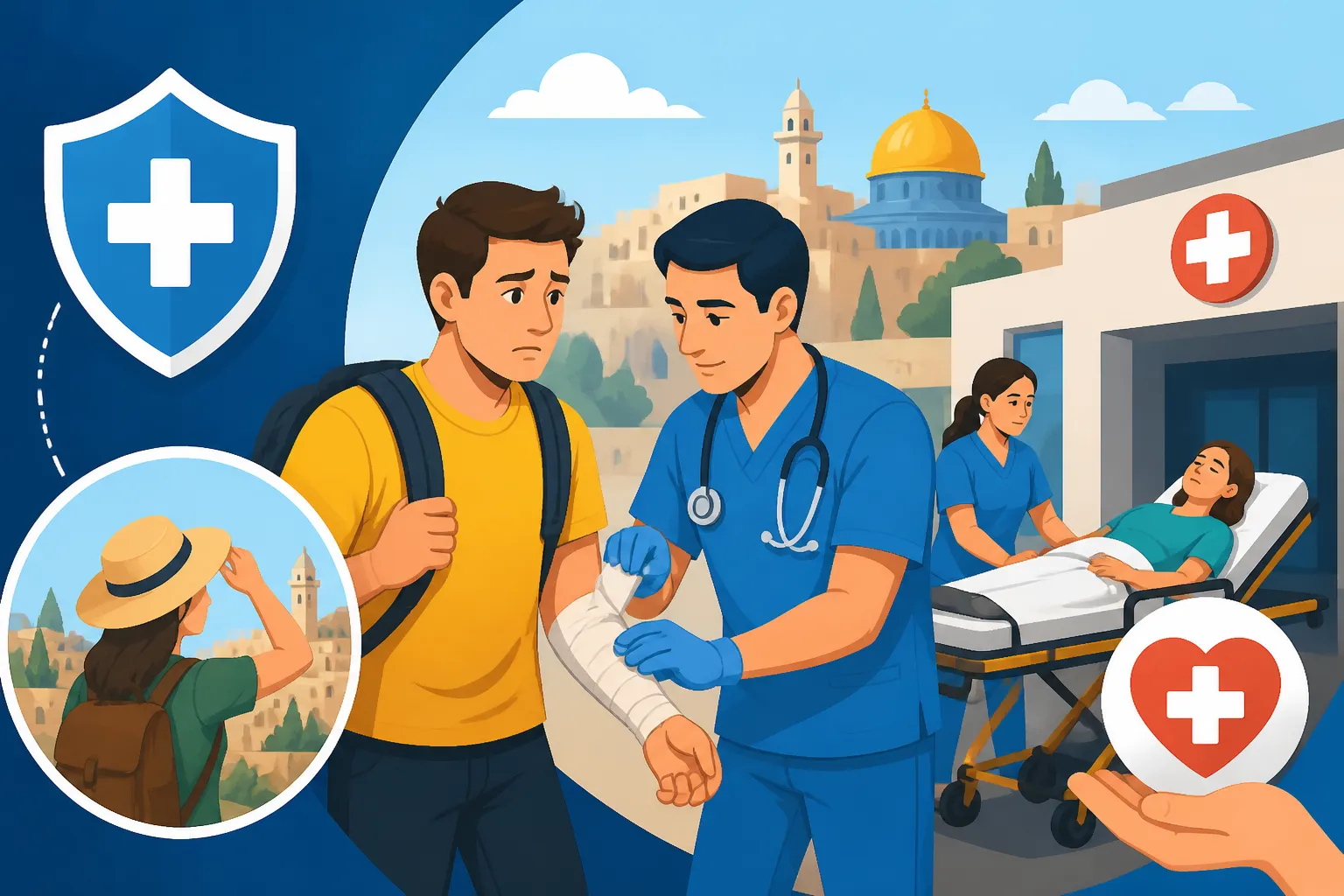
Can Tourists Get Emergency Care in Israel?
Finding yourself in a medical emergency while traveling is a deeply unsettling experience, and in a foreign country like Israel, the added stress of language barriers, unfamiliar systems, and uncertain costs can make it feel utterly overwhelming. This guide aims to pull back the curtain on how emergency care works here, offering you peace of mind and practical steps should you ever need urgent medical attention during your visit.
Understanding Emergency Medical Services in Israel
When you're far from home, knowing who to call and where to go in a medical crisis is paramount. Israel has a well-developed emergency medical system, but it operates a bit differently from what you might be used to. Getting a handle on these basics before you need them is always a good idea.
Magen David Adom (MDA) – Israel's Emergency Lifeline
Magen David Adom (MDA) is Israel's national emergency medical service, similar to an ambulance service or paramedics in other countries. They are truly the first line of defense in any emergency, and honestly, they're incredibly professional and efficient. I've seen them in action more times than I care to count, and they always impress. If you or someone with you needs urgent medical attention, whether it's an accident, sudden illness, or anything that feels life-threatening, your first call should be to MDA. Their emergency number is 101. Don't hesitate to call it; that's what it's there for.
When you call, speak clearly and give your location as precisely as possible. Most MDA dispatchers and responders speak English, so don't worry about the language barrier being a showstopper. They'll ask for your details, what happened, and the patient's condition. They will then dispatch an appropriate vehicle – it could be an ambulance ( A-m-b-u-l-a-n-s in Hebrew, or simply Madah for MDA), a mobile intensive care unit (ICU, known as a Natan), or even a rapid-response motorbike for certain situations. Their priority is stabilization and rapid transport to the nearest suitable hospital. Remember, an ambulance ride in Israel is not free, even for tourists, so be prepared for that reality. You'll generally be asked for payment at the hospital or directly by MDA.
Hospital Emergency Rooms (Miyun)
Once MDA transports you, or if you make your own way to a hospital for an urgent, non-life-threatening issue that still requires immediate attention (like a bad fall, a severe cut, or a sudden, intense pain), you'll end up in the Miyun, which is the emergency room. Israeli hospitals, like Ichilov (Tel Aviv Sourasky Medical Center) in Tel Aviv, Hadassah Ein Kerem in Jerusalem, or Rambam in Haifa, are well-equipped with modern technology and highly skilled medical staff. However, the experience of a Miyun can be a bit of a culture shock.
Expect waiting times. Seriously, expect them. Unless you arrive with a critical, life-threatening condition, you'll likely wait several hours to be seen by a doctor. Triage will happen first – a nurse will assess your condition to determine urgency. If your situation is deemed less critical, you'll join the queue. The ERs can be noisy, crowded, and somewhat chaotic, especially during peak hours or holidays. It's a public system, and it handles a huge volume of patients daily. Bringing a book, fully charging your phone, and having someone with you for support (and possibly translation if your Hebrew isn't strong) can make the wait a little more bearable. Don't be shy about asking questions, even if you have to repeat them. Most doctors and many nurses will speak English, especially in the larger urban hospitals. If you need a referral to a specialist after your emergency treatment, make sure to ask for one before you leave. You can learn more about how to access hospital care at a Beit Holim in Israel through our detailed guide.
Navigating Costs and Insurance for Tourist Emergencies
This is where many tourists get a rude awakening. While the quality of care in Israel is generally high, it comes with a price tag, and for those without Israeli health insurance, those costs can escalate very quickly.
The Reality of Emergency Care Costs
Let's be blunt: medical care in Israel isn't cheap, especially if you're a tourist and don't have coverage under one of Israel's health funds (Kupot Holim). The Israeli healthcare system is primarily public, funded by national health insurance contributions. Tourists, by definition, aren't part of this. This means you'll be treated as a private patient for most services.
An ambulance ride to the hospital can easily cost several hundred Israeli Shekels (NIS), especially if it's an advanced life support vehicle. A visit to the Miyun can cost thousands of NIS, even before any diagnostics or treatment. If you require X-rays, blood tests, specialist consultations, medication, or heaven forbid, surgery or an overnight stay, you're looking at bills that can quickly climb into the tens of thousands, or even hundreds of thousands, of Shekels. For instance, a simple broken bone requiring a cast and follow-up might set you back thousands, while a severe appendicitis requiring emergency surgery could be well over 20,000-30,000 NIS. These are not numbers to take lightly. Understanding the cost of healthcare in Israel: A complete breakdown for foreigners (2026) can help prepare you for potential expenses.
Travel Insurance – Your Essential Safety Net
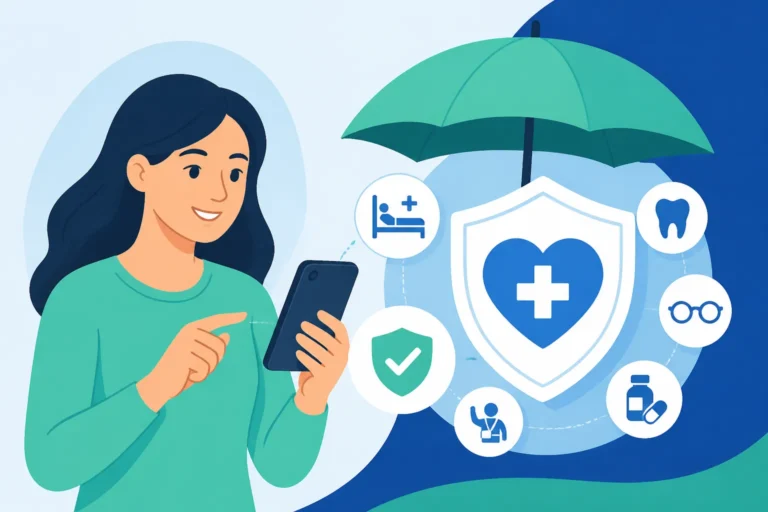
This brings me to my absolutely non-negotiable piece of advice for every single tourist coming to Israel: GET COMPREHENSIVE TRAVEL INSURANCE. Seriously, do not skimp on this. It is your ultimate safety net against potentially bankrupting medical bills. I've heard too many horror stories of travelers having to crowdfund their medical expenses or, worse, being stuck in debt.
Good travel insurance should cover:
- Emergency Medical Treatment: This is the big one. It should cover doctor's visits, hospital stays, surgeries, diagnostic tests (X-rays, MRIs), and prescription medications.
- Emergency Evacuation/Repatriation: In severe cases, you might need to be transported back to your home country for specialized care. This is incredibly expensive and something you absolutely want your insurance to cover.
- Trip Interruption/Cancellation: While not directly medical, it's often bundled and important if your emergency impacts your travel plans.
- Lost Baggage/Theft: Again, not medical, but common inclusions.
When choosing a policy, read the fine print carefully. Look for clear clauses on emergency medical coverage, deductibles, and direct billing options. Some providers, like SafetyWing, offer insurance specifically designed for digital nomads and long-term travelers, which can be very flexible and cover you even if you decide to extend your stay or travel to multiple countries. Their policies are often easy to manage online, which is a huge plus when you're on the go. Always make sure your policy covers Israel, as some insurers have specific exclusions for certain regions. It's also vital to understand that travel insurance is different from the National Health Insurance (Bituach Briut Mamlachti) that residents receive.
Before you even step on the plane, make sure you have your insurance policy details readily accessible – printouts, digital copies on your phone, and stored in the cloud. Know your policy number and the emergency contact number for your insurance provider. If possible, have this information written down on a card in your wallet, separate from your phone, just in case. When a medical emergency strikes, you'll be glad you invested in that peace of mind. SafetyWing is an example of a brand that caters to the flexible needs of modern travelers, providing coverage that can adapt to your itinerary.
Practical Steps During a Medical Emergency as a Tourist
Okay, so you're in the thick of it. Someone needs help, and you're far from home. Take a deep breath. Here’s a breakdown of what to do.
What to Do Immediately
- Assess the Situation: First, determine if it's a true emergency. Is the person unconscious, bleeding heavily, having trouble breathing, experiencing severe chest pain, or showing signs of a stroke (facial drooping, arm weakness, speech difficulty)? If yes, proceed to step 2 immediately. If it's something urgent but not immediately life-threatening, like a sprain or a bad fever, you might still head to a Miyun, but it's good to distinguish the severity.
- Call for Help: For anything life-threatening, dial 101 for Magen David Adom. Clearly state the emergency and your location. If you're not sure of the exact address, look for street signs, landmarks, or ask a local. Don't hang up until the dispatcher tells you to. For fire emergencies, call 102, and for police, 100. Understanding Magen David Adom and Emergency Response in Israel can give you more details.
- Stay with the Person: Do not leave the person needing help alone unless absolutely necessary to get assistance.
- Gather Information & Documents: If conscious, ask the person for their name, age, any known medical conditions, allergies, and current medications. Have your passport or a copy, your travel insurance policy details, and a credit card or some cash ready.
- Inform Your Travel Insurance: As soon as it's practical, or have someone else do it for you, contact your travel insurance provider's emergency assistance line. They can guide you through the process, potentially arrange for direct billing with the hospital (saving you from paying upfront), and provide translation services if needed. Some insurers, including those like SafetyWing, have 24/7 emergency hotlines specifically for this purpose. They can also help you understand how to claim reimbursement from your Kupat Holim in Israel if you have supplementary insurance, though this would apply to residents, not typical tourists.
Communicating with Medical Staff
Even in major hospitals where many staff members speak English, there can still be moments of miscommunication or subtle nuances lost in translation. This is where a little preparation and proactive effort can go a long way.
- Be Patient and Clear: Speak slowly and clearly. Avoid slang or overly complex sentences. Write down key symptoms or questions if it helps.
- Use Translation Apps: Google Translate or similar apps can be invaluable for quick phrases or understanding medical terms.
- Ask for an English Speaker: Don't be afraid to politely request an English-speaking doctor or nurse. Most larger hospitals have a good number of staff who can communicate effectively in English.
- Have a Friend or Family Member Translate: If you're traveling with someone who speaks Hebrew, lean on them for support. They can be a huge asset in navigating the system.
- Prepare a Medical Summary: Before you travel, it's wise to have a brief summary of your medical history, current medications, and allergies written in English (and perhaps even translated into basic Hebrew if you can manage it). This saves precious time and ensures accurate information is conveyed, especially if you're unable to speak for yourself.
Remember, the medical staff are there to help you. Clear communication is key to ensuring you receive the best possible care.
Post-Emergency Care and Follow-up
Getting through the immediate emergency is a huge hurdle, but often, the care doesn't stop there. What happens if you need to see a doctor again, but it’s not an emergency?
Accessing Non-Emergency Care After Initial Treatment
Let's say you had a nasty cut stitched up in the ER, and now you need to get the stitches out, or you developed a complication. As a tourist, your options for non-emergency follow-up care can be a bit tricky outside of the emergency department.
- Return to the Hospital Clinic: Often, the hospital that treated you will have outpatient clinics for follow-up appointments. This is usually the easiest route, as they will have your initial records. You’ll still likely pay out-of-pocket, and wait times can still be a factor.
- Private Clinics: For less severe issues or specific specialist consultations, you could seek out a private clinic. There are many private doctors in Israel, especially in major cities like Tel Aviv and Jerusalem, and a good number of them speak excellent English. You can find an English-speaking doctor in Israel through various expat networks or online searches. Be prepared to pay upfront, and costs will vary widely depending on the doctor and specialty. How much does a private doctor visit cost in Jerusalem? can provide some insight into expected expenses.
- Getting a Referral: If the emergency doctor recommended a follow-up with a specialist (e.g., an orthopedist for a broken bone), ask them for a written referral (Hafnaya) even if you plan to see a private doctor. This document might help explain your situation to the next medical professional. If you had to get a referral (Hafnaya) to a specialist in Israel as a resident, it's a common step. For tourists, it's more for informational continuity.
The key here is communication. Explain your situation as a tourist needing follow-up and inquire about the process and expected costs upfront. Your travel insurance company can also assist in finding appropriate follow-up care and advising on payment.
Claiming from Your Travel Insurance
Once the immediate crisis has passed and you're on the mend, the next critical step is to deal with the financial aspect through your travel insurance. This process can be tedious, but it’s absolutely necessary.
- Keep All Documentation: This cannot be stressed enough. Every single piece of paper related to your medical emergency – ambulance bills, hospital invoices, doctor's notes, prescription receipts, test results – must be kept. Take photos, ask for copies, and keep them organized. Your insurance company will require proof of services rendered and costs incurred.
- File Your Claim Promptly: Don't wait until you're home. As soon as you're able, start the claims process with your insurance provider. Many policies have time limits for filing claims.
- Communicate Clearly with Your Insurer: Provide all requested information and documentation. If there are any ambiguities, clarify them immediately. Be prepared for a back-and-forth process.
- Understand Your Policy's Reimbursement Process: Some policies might offer direct billing to hospitals, meaning the hospital bills the insurer directly (a huge relief!). Others are on a reimbursement basis, where you pay upfront and then submit your receipts to get your money back. Make sure you understand which type of policy you have. Companies like SafetyWing often streamline this process with online portals for claims, but even then, meticulous documentation is your best friend.
Remember, travel insurance is there to protect you financially. By being prepared, understanding the system, and diligently documenting everything, you can significantly ease the burden of a medical emergency abroad. It's a small investment for massive peace of mind, allowing you to enjoy your Israeli adventure without constant worry.
| Emergency Service Type | Contact Number | Notes for Tourists |
|---|---|---|
| Magen David Adom (MDA) | 101 | Ambulance, Paramedics. English available. Not free. |
| Police | 100 | For crime, accidents without immediate medical need. |
| Fire Department | 102 | For fires and rescue. |
| Hospital ER (Miyun) | Varies by hospital (e.g., Ichilov: 03-697-4444) | Go directly or via MDA. Expect costs and wait times. |
| Travel Insurance Hotline | Check your policy document | Your first call after dialing 101. Essential for costs. |
Disclaimer
The information provided in this guide is for general informational purposes only and does not constitute medical, legal, or financial advice. While we strive to offer accurate and up-to-date information based on our expat experiences and publicly available data, policies, procedures, and costs in Israel can change. Always consult with a qualified professional for advice tailored to your specific situation. We strongly recommend all tourists purchase comprehensive travel insurance before visiting Israel.