How Much Does a Private Doctor Visit Cost in Jerusalem?
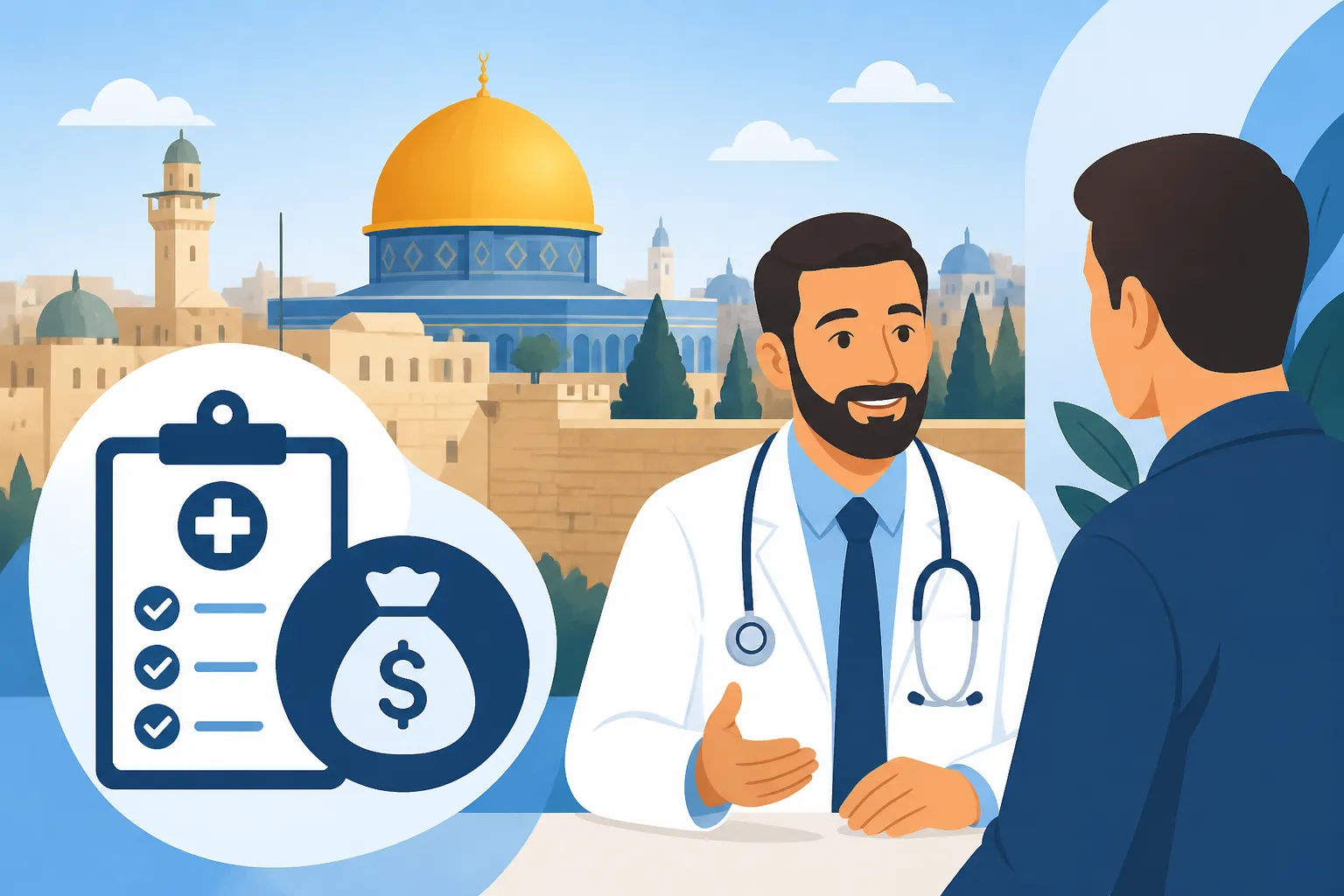
One of the biggest anxieties for any expat or tourist in Israel is navigating the healthcare system, and when you decide to go the private route, the question of cost immediately looms large. If you've ever found yourself wondering, "How much does a private doctor visit cost in Jerusalem?" you're certainly not alone. It's a question filled with uncertainty, especially if you're used to different systems or grappling with Hebrew. This guide is here to shed light on those costs, explain the factors at play, and offer practical advice for accessing private medical care in the Holy City without breaking the bank.
Understanding Private Healthcare in Israel
Let's be honest, the Israeli public healthcare system, while robust and generally excellent, can sometimes feel like a labyrinth, especially for newcomers. Long waiting times, language barriers, and the sheer bureaucracy can push anyone towards seeking private care. But what exactly does "private healthcare" mean in this context, and why would you choose it?
Why Choose a Private Doctor?
Opting for a private doctor in Israel, particularly in a city like Jerusalem, often boils down to a few critical factors that can make a world of difference to your peace of mind and health outcomes. The most common reasons I hear from fellow expats revolve around accessibility and comfort.
Firstly, immediate access and shorter waiting times are huge draws. In the public system, getting an appointment with a specialist can take weeks, or even months, especially for non-urgent matters. If you're dealing with a concerning symptom or simply want a quick check-up, private practitioners often offer appointments within days, sometimes even on the same day. This speed can be invaluable for early diagnosis and treatment.
Secondly, language comfort is a major relief. While many doctors in the Kupot Holim (health funds) speak English, finding one readily available, particularly for specialists, can be a hit-or-miss affair. Private doctors, especially those catering to the expat community or in specific clinics, are often explicitly English-speaking, eliminating the need for translation and ensuring you fully understand your diagnosis and treatment plan. It's a massive weight off your shoulders when you can communicate your symptoms clearly and ask questions without a language barrier. For more on navigating the system, check out our comprehensive guide, Navigating the Israeli Healthcare System: An Expat's Roadmap (2027).
Thirdly, private care often allows for more personalized attention and longer consultation times. Public doctors are often under immense pressure, with limited time slots per patient. A private visit typically means a more relaxed environment, where the doctor can dedicate more time to understanding your history, conducting thorough examinations, and discussing your concerns in detail. This can lead to a more comprehensive diagnostic process and a stronger doctor-patient relationship.
Finally, you might seek out a private doctor for highly specialized care or a second opinion that isn't easily accessible through your Kupah. Sometimes, a specific expert with a renowned reputation might only practice privately, offering unique insights or treatment options. This is particularly true in complex or rare medical conditions where specialized expertise is paramount. The peace of mind that comes from knowing you've consulted with the best in their field is often worth the extra cost.
The Cost Factors for Private Visits
The cost of a private doctor's visit in Jerusalem isn't a fixed price. It fluctuates wildly based on several key factors, much like pricing for any specialized service. Understanding these variables can help you anticipate expenses and make informed decisions.
First and foremost is the type of specialist. A visit to a general practitioner or family doctor will almost always be less expensive than a consultation with a highly specialized cardiologist, neurologist, or oncologist. The level of expertise required and the demand for their specific knowledge directly impact their fees. For example, a basic internal medicine consultation will differ significantly from an appointment with a leading fertility expert.
The doctor's reputation and experience also play a substantial role. Highly sought-after physicians, those with decades of experience, specific sub-specialties, or a strong academic background (e.g., department heads at major hospitals), will command higher fees. You're not just paying for their time, but for their accumulated knowledge and proven track record. A "rockstar" doctor known for particular breakthroughs or difficult cases will understandably charge more than a competent but less famous colleague.
Clinic facilities and location within Jerusalem can also influence the price. A swanky, modern private clinic in a prime central Jerusalem location, offering concierge services and state-of-the-art equipment, will naturally have higher overheads, which are reflected in their consultation fees. In contrast, a smaller, independent private practice in a less central neighborhood might offer slightly more modest pricing. The amenities, privacy, and perceived luxury of the setting can certainly contribute to the bill.
Finally, the duration and complexity of the consultation itself can sometimes affect the total cost. While a standard consultation has a base fee, if the doctor needs to spend significantly more time due to a complex case, requires multiple minor in-clinic procedures (like a small biopsy or specific diagnostic tests performed on-site), or involves an extended follow-up, these additional services will add to the initial consultation fee. It's always a good idea to clarify what the standard fee covers upfront.
Typical Costs for a Private Doctor Visit in Jerusalem
Let's talk numbers, because that's likely why you're here. Pinpointing exact costs is tricky because, as we discussed, there's a lot of variability. However, I can give you some realistic ranges based on current market rates in Jerusalem for out-of-pocket private doctor visits. Keep in mind these are estimates and can change, so always confirm with the clinic directly.
For context, Israel's currency is the New Israeli Shekel (NIS, or simply "shekel").
General Practitioners and Family Doctors
If you're seeking a private General Practitioner (GP) or Family Doctor (Rofeh Mishpacha) in Jerusalem, perhaps for a routine check-up, a common cold, or to discuss general health concerns without the waiting list of your Kupat Holim, you can expect to pay somewhere in the range of 300 NIS to 600 NIS per visit.
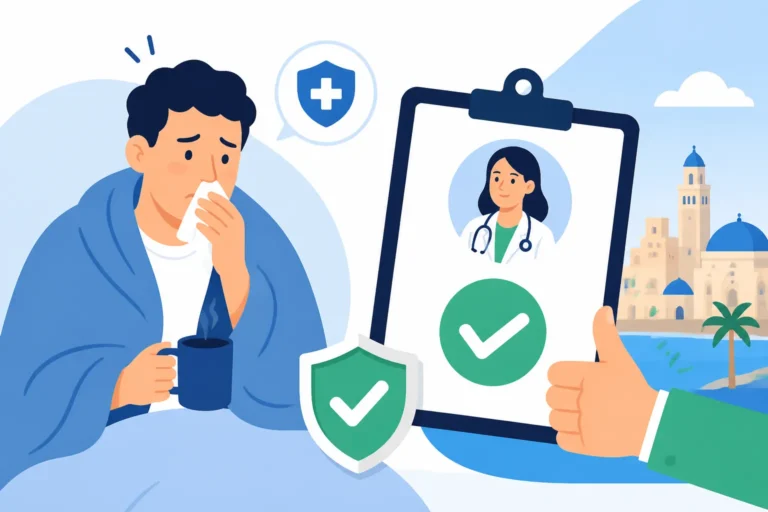
For example, let's say you wake up with a nasty flu that just won't quit, and you want to see an English-speaking doctor immediately to get a proper diagnosis and perhaps a sick note for work. You might find a private GP's clinic in Rehavia or Talbiya charging around 450 NIS for a 15-20 minute consultation. This fee typically covers the doctor's time, examination, and perhaps a basic prescription. If they need to perform a rapid strep test or flu swab, that might be an additional, smaller charge. This kind of immediate access is precisely why many expats opt for private primary care, especially when feeling unwell and needing quick, clear communication.
Specialist Consultations
This is where the costs can climb significantly. Specialist fees reflect their advanced training, specific equipment often required, and the higher demand for their focused expertise.
For a Specialist Consultation in Jerusalem, the typical range is quite broad, generally falling between 500 NIS to 1,500 NIS or more, depending heavily on the specific field and the doctor's standing.
- Dermatologist (Rofeh Or): For issues like a persistent rash, skin checks, or acne treatment, a private dermatologist might charge between 500 NIS and 900 NIS. If the visit includes a minor procedure like a mole removal or liquid nitrogen treatment, the cost could increase.
- Gynecologist (Rofeh Nashim): A private gynecologist consultation, for routine check-ups, contraception advice, or specific concerns, usually costs between 600 NIS and 1,000 NIS. If an ultrasound is performed during the visit, this might be included or an additional fee.
- Cardiologist (Rofeh Lev): For heart-related concerns, a private cardiologist's initial consultation could range from 800 NIS to 1,500 NIS. This would likely be for a thorough assessment, review of medical history, and initial recommendations. More complex diagnostic tests (like an ECG or echocardiogram) would typically be separate charges.
- Orthopedist (Rofeh Atzamot): If you have a sports injury, chronic joint pain, or suspect a fracture, a private orthopedist's visit might cost 700 NIS to 1,200 NIS.
- Neurologist (Rofeh Motz): For neurological symptoms like persistent headaches, dizziness, or numbness, a private neurologist could charge 800 NIS to 1,500 NIS.
These examples give you a ballpark figure. Remember, highly renowned professors or doctors with unique expertise might charge at the higher end, or even beyond, these ranges. It's always wise to inquire about the specific fee when booking your appointment.
Diagnostic Tests and Procedures
It's crucial to understand that the consultation fee often covers just the doctor's time and expertise. Any additional diagnostic tests or minor procedures performed during or as a result of the visit will incur separate charges.
For instance, if your private GP suspects a bacterial infection and sends you for a blood test, the lab work will be an extra cost. If your private dermatologist performs a biopsy, the lab analysis of the tissue will be billed separately. Similarly, imaging services like X-rays, ultrasounds, MRI, or CT scans are usually performed at specialized imaging centers or hospital departments, and their costs are added to your total medical expenses. These can range from a few hundred NIS for an X-ray to several thousands for an MRI scan. Understanding The Cost of Healthcare in Israel: A Complete Breakdown for Foreigners (2026) is vital for budgeting all these components.
Here's a quick summary table of estimated private doctor visit costs in Jerusalem:
| Doctor Type | Estimated Cost Range (NIS) | Typical Services Included | Additional Costs Might Include |
|---|---|---|---|
| General Practitioner / Family Doctor | 300 – 600 NIS | Consultation, basic examination, prescription | Rapid tests (strep, flu), minor in-clinic procedures |
| Dermatologist | 500 – 900 NIS | Consultation, skin check, initial diagnosis | Mole removal, biopsy, cryotherapy, specialized treatments |
| Gynecologist | 600 – 1,000 NIS | Consultation, routine exam, contraception advice | Ultrasound, pap smear lab fees, specific tests |
| Cardiologist | 800 – 1,500 NIS | Consultation, medical history, initial assessment | ECG, echocardiogram, stress test, blood pressure monitoring |
| Orthopedist | 700 – 1,200 NIS | Consultation, physical examination, injury assessment | X-rays, MRI, injections, specific rehabilitation referrals |
| Neurologist | 800 – 1,500 NIS | Consultation, neurological exam, symptom analysis | MRI, CT scan, nerve conduction studies, specialized tests |
(Prices are approximate and subject to change. Always verify with the healthcare provider.)
Navigating Private Doctor Costs as an Expat
For many of us, navigating these costs can feel overwhelming. The Israeli healthcare system is unique, and figuring out how your existing insurance, or lack thereof, fits into the private landscape is crucial.
Health Fund Reimbursements and Supplementary Insurance
If you're registered with one of Israel's Kupot Holim (Clalit, Maccabi, Meuhedet, or Leumit) – which you should be if you're a resident – you might be surprised to learn that they can sometimes reimburse a portion of private doctor visit costs. This isn't automatic or universal, though.
Your eligibility for reimbursement largely depends on your supplementary insurance (Bituach Mashlim) plan. These are the enhanced plans you pay extra for, beyond the basic National Health Insurance. Plans like Maccabi Sheli, Clalit Mushlam, Meuhedet Adif, or Leumit Zahav offer different levels of coverage for private services. For example, a mid-tier supplementary plan might offer a significant discount on a private specialist consultation if that specialist has an agreement with your Kupah or if you go through a specific approved channel. Others might offer a partial reimbursement after you've paid out of pocket.
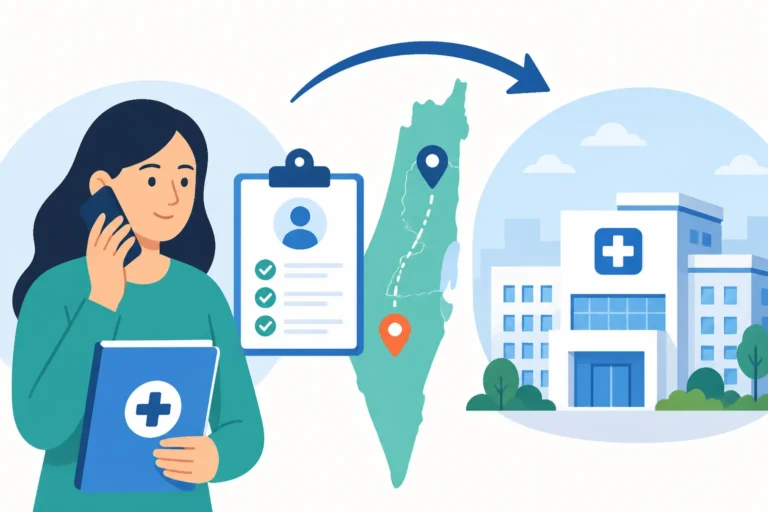
It's absolutely vital to check your specific Bituach Mashlim plan's benefits before booking a private appointment. Call your Kupah and ask about "sharap" (private medical services within public hospitals, often partially covered) or "rofim b'prati" (private doctors). They can tell you if the doctor you want to see is on their approved list, what percentage they'll cover, or what the fixed co-payment (hishtatfut atzmit) would be. You can learn more about this by reading Understanding Supplementary Insurance (Bituach Mashlim) from Your Kupah.
For new Olim (immigrants), there's often a waiting period before Bituach Mashlim benefits kick in. During this time, full private costs fall directly on you, unless you have separate private insurance.
The Role of Private Health Insurance
Beyond the Kupot Holim and their supplementary plans, dedicated private health insurance can be a game-changer for covering the costs of private doctor visits and procedures. This is particularly relevant for expats who might not yet be eligible for full Kupah benefits, those on certain work visas, or individuals who simply want more comprehensive coverage and choice. For those needing to understand their options, the guide Supplementary and Private Health Insurance in Israel: Options Explained delves into this in detail.
There are various types of private health insurance. Some are local Israeli private plans that offer extensive coverage for private specialists, surgeries, and hospital stays. These plans often provide access to a wider network of private doctors and clinics, allowing you to bypass public system waiting lists entirely. They can also cover procedures and medications not fully covered by the Sal Briut (health basket) or your Bituach Mashlim.
For digital nomads, temporary residents, or those in transition, international health insurance options like SafetyWing can be incredibly useful. While primarily known for travel medical insurance and covering digital nomads globally, SafetyWing's Nomad Insurance provides medical coverage, including doctor visits and emergency care, for those living and working abroad. It’s an option to consider if you're looking for flexible, global coverage that might bridge gaps, especially when you're not yet fully entrenched in the Israeli system or if you travel frequently. It's crucial to check their specific policy details regarding routine doctor visits versus emergency care and how they handle claims for private consultations in Israel.
Another scenario where private insurance shines is for those on specific work visas, such as a B/1 work visa. Depending on your employer's policy or your individual situation, you might be required to have private health insurance, and this would cover your private doctor visits. If you're on a work visa, you should definitely clarify if your employer provides coverage or if you need to secure your own. Understanding How to Access Healthcare on a Work Visa in Israel will be invaluable.
When considering private insurance, compare the plans carefully. Look at deductibles, co-payments, the network of doctors they cover, and what specific services are included. Some plans will offer direct billing with certain private clinics, while others require you to pay upfront and then submit a claim for reimbursement.
Tips for Managing Expenses
Even with insurance, private medical care can be expensive. Here are a few tips to help you manage the costs:
- Always ask about the fee upfront: Don't be shy! When booking an appointment with a private doctor in Jerusalem, always ask what the consultation fee is and what it includes. This prevents any unpleasant surprises when it's time to pay.
- Inquire about Kupah agreements: Even if a doctor practices privately, they might have agreements with certain Kupot Holim (and their Bituach Mashlim plans) that could reduce your out-of-pocket expense. Always mention which Kupah you belong to.
- Consider Sharap: "Sharap" (Sherutei Refuah Pratiyim) refers to private medical services within public hospitals. These can sometimes be a more affordable "private" option than entirely independent private clinics, as they leverage hospital facilities and staff. Check with your Kupah or the hospital directly. For more context, see Understanding Private Clinics and Sharap in Israeli Hospitals.
- Keep detailed records: Retain all receipts, invoices, and medical reports. This is crucial for submitting reimbursement claims to your Kupah or private insurer like SafetyWing if your plan allows for it.
- Utilize your Kupah for diagnostics: If your private doctor recommends expensive diagnostic tests (MRI, CT scan, extensive blood work), inquire if they can be ordered through your Kupah doctor. While it might take a bit longer, having these done via your Kupah will be significantly cheaper, often just requiring a small co-payment, if you don't have separate comprehensive private insurance.
- Seek recommendations: Ask fellow expats or local friends for recommendations for private doctors. They might know excellent practitioners who offer fair pricing or have good agreements with certain Kupot Holim. You can also explore options to How to Find an English-Speaking Doctor in Israel through expat groups.
Navigating private doctor costs in Jerusalem can feel like a maze, but with a bit of research, proactive questioning, and understanding your insurance options, you can find the care you need without undue financial stress. Whether it's the convenience of direct communication, faster appointments, or specialized expertise, private care offers undeniable benefits, and knowing the financial landscape empowers you to make the best choices for your health.
Disclaimer
The information provided in this guide is for general informational purposes only and does not constitute medical, legal, or financial advice. Healthcare costs and insurance policies in Israel are subject to change. Always consult with a qualified healthcare professional, insurance provider, or financial advisor for personalized advice specific to your situation.