Understanding the Israeli Pharmacy (Beit Mirkachat) System
Stepping into an Israeli pharmacy, or "Beit Mirkachat," for the first time can feel like a dizzying experience, especially if your Hebrew isn't quite up to par. The rows of unfamiliar packaging, the sometimes hurried pace of the pharmacists, and the different system for filling prescriptions can leave you feeling overwhelmed and confused. This guide is designed to cut through that confusion, offering a comprehensive and empathetic walkthrough of the Israeli pharmacy system so you can confidently access the medications and health products you need.
Navigating the Israeli Pharmacy Landscape
When you first arrive in Israel, one of the many cultural shifts you’ll encounter is the unique rhythm and structure of its pharmacies. Unlike some countries where pharmacies might be a quick in-and-out experience, here, it’s often a blend of efficiency, community, and sometimes, a little bit of a wait. Understanding the different types of pharmacies and what to expect inside will save you a lot of stress.
Types of Pharmacies: Kupat Holim vs. Private
In Israel, pharmacies primarily fall into two categories: those directly affiliated with the "Kupot Holim" (health funds) and private pharmacies. This distinction is incredibly important for your wallet and your convenience.
Kupat Holim Pharmacies
These pharmacies are usually located within or adjacent to the health fund clinics themselves, or they might be standalone branches clearly branded with your Kupat Holim's logo – think Clalit, Maccabi, Meuhedet, or Leumit. The major benefit here is seamless integration with your health fund's system. When your doctor at the Kupah writes you a prescription, it's often immediately uploaded to the pharmacy's system, meaning you just need to show your Kupat Holim card or Teudat Zehut (ID card) to collect it. The pricing is also directly linked to your health fund's agreements, including the national "Sal Briut" (Health Basket) coverage and any supplementary insurance plans you might have. This usually translates to significantly lower co-payments for covered medications. The downside? They can sometimes be busier, and opening hours might align with clinic hours, which aren't always ideal for after-hours needs. Understanding how How Israel's Health Funds (Kupot Holim) Work: A Full Overview can give you a better grasp of these integrated services.
Private Pharmacies
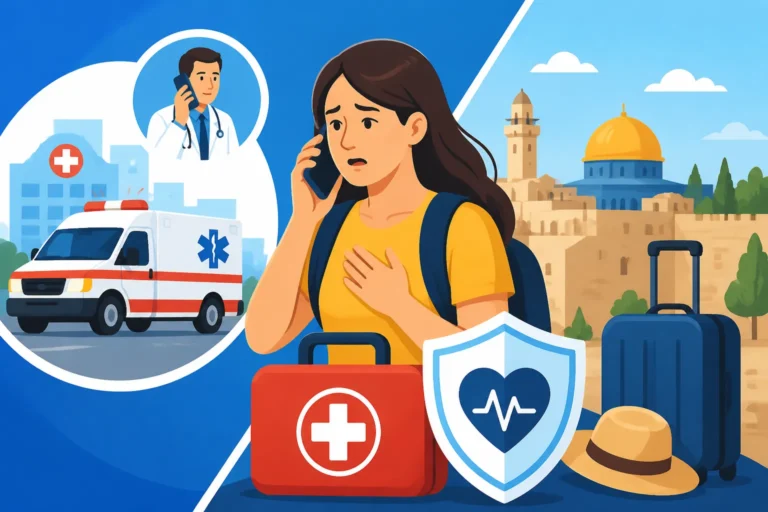
Private pharmacies, like Super-Pharm, Good Pharm, or even smaller independent drugstores, operate more like what you might be used to from back home. They are ubiquitous, often found in shopping centers, high streets, and even smaller neighborhoods. They stock a wide range of medications, over-the-counter products, cosmetics, and sometimes even household items. You can fill any prescription here, but the cost structure is different. While they will accept prescriptions from your Kupat Holim doctor, you will pay the full, unsubsidized price upfront. You can then submit a claim to your Kupat Holim for reimbursement, but this can be a bureaucratic hassle, and the reimbursement might only cover a portion of the cost, depending on your plan. For items not covered by your Kupah, or if you don't have Israeli health insurance, these pharmacies are your primary option. They often have more flexible hours, including late-night or 24-hour branches, which can be a lifesaver in an emergency. For those without formal Israeli health coverage, perhaps on a work visa or during initial waiting periods, services like SafetyWing travel medical insurance can be crucial for covering unexpected medical and prescription costs, offering a safety net where local systems might not yet apply.
Common Pharmacy Chains and Local Options
Israel has a few dominant pharmacy chains, alongside countless independent local "Beit Mirkachat" that serve neighborhood needs.
Major Chains
Super-Pharm is undoubtedly the largest and most recognizable pharmacy chain in Israel. You'll find them almost everywhere, from major cities like Tel Aviv and Jerusalem to smaller towns. They offer a comprehensive range of prescription and over-the-counter medications, health and beauty products, cosmetics, and even photo development services. Many Super-Pharm branches also have an optician and sometimes even a small clinic. They often have promotions and a loyalty program ("LifeStyle club") that can offer discounts on non-prescription items.
Good Pharm is a newer player, often characterized by its competitive pricing, especially for over-the-counter items and toiletries. They usually have a more no-frills approach compared to Super-Pharm but are gaining popularity for their value.
Many of the Kupot Holim also operate their own large-scale pharmacy chains:
- Clalit Pharmacies: Integrated with Clalit Health Services, often found within or next to Clalit clinics.
- Maccabi Pharmacies: Similarly, linked to Maccabi Healthcare Services, providing seamless access for Maccabi members.
- Meuhedet Pharmacies: For Meuhedet members, these pharmacies offer direct access to subsidized medications.
- Leumit Pharmacies: Serving Leumit members with integrated prescription services.
Independent Pharmacies
Beyond the big chains, you'll find numerous smaller, independent pharmacies. These local gems often offer a more personalized service, and the pharmacists might get to know you and your family over time. They can be particularly helpful for niche products or specific advice. Don't discount them – sometimes their prices for certain items can even surprise you!
What to Expect Inside a Beit Mirkachat
Walking into an Israeli pharmacy, especially for the first time, can feel a little different from what you're used to. It's not just a shop; it’s a hub of healthcare advice and supplies.
The Layout
Most pharmacies will have a clear counter for prescription pick-ups, often staffed by several pharmacists or technicians. This is where you'll present your ID or prescription. The rest of the store will be laid out with aisles of over-the-counter medications, vitamins, supplements, first aid supplies, baby care products, hygiene products, and cosmetics. Larger chains like Super-Pharm will resemble a small department store, while smaller independent pharmacies might be more compact.
The Staff
The pharmacists in Israel are highly trained professionals. Many speak at least some English, especially in major cities like Tel Aviv, Jerusalem, and Haifa, and areas with a large expat community. Don't be shy about asking if they speak English if you're struggling with Hebrew. They can provide advice on minor ailments, recommend over-the-counter solutions, and explain medication instructions. They are often the first point of contact for minor health concerns, acting as a valuable resource in the healthcare system. You might also encounter pharmacy technicians who assist with dispensing and sales.
The Queuing System
Be prepared for a queuing system, especially at Kupat Holim pharmacies during peak hours. Often, you'll need to take a number ("mispar") from a machine near the entrance, similar to what you’d find at a bank or the "Misrad HaPnim" (Ministry of Interior). Keep an eye on the display boards for your number to be called to the prescription counter. Even in smaller pharmacies, there's often an implicit queue, so observe others to understand the flow.
Getting Your Prescriptions Filled in Israel
The process of obtaining prescription medications in Israel is generally efficient, especially once you're integrated into a Kupat Holim. However, there are specific steps and nuances that expats need to understand to avoid frustration.
The Prescription Process: From Doctor to Pharmacy
Once your doctor has examined you, they will issue a prescription. In Israel, this often happens digitally.
Digital Prescriptions
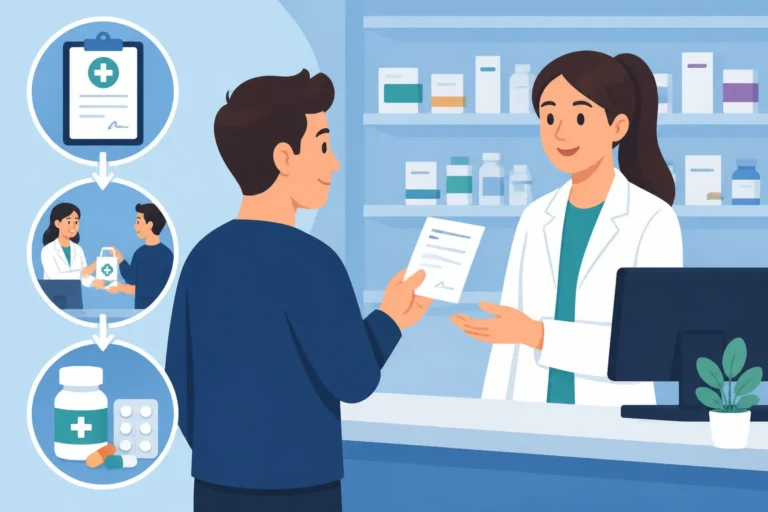
For Kupat Holim members, your doctor will typically enter the prescription directly into the health fund's computer system. This is a huge convenience, as it means the prescription is immediately accessible at any pharmacy affiliated with your Kupat Holim. You simply need to go to the pharmacy, present your Kupat Holim card or Teudat Zehut, and the pharmacist will retrieve your prescription electronically. No paper, no fuss! This system minimizes errors and ensures you get the correct medication quickly.
Paper Prescriptions
While less common for routine prescriptions within the Kupot Holim, paper prescriptions are still issued, particularly by private doctors or specialists not directly linked to your health fund's digital system. These prescriptions will typically be on a standard form, detailing the medication name, dosage, quantity, and instructions, along with the doctor's signature and stamp. You’ll need to physically present this paper prescription to the pharmacist. Ensure the prescription is clear and legible, as some pharmacists might be hesitant to dispense if there’s any ambiguity.
Required Documents and Identification
Always, and I mean always, carry your identification when visiting a pharmacy in Israel.
For Kupat Holim Pharmacies
The most crucial document is your Kupat Holim card (kartis kupah) or your Teudat Zehut (Israeli ID card). These documents allow the pharmacist to access your electronic prescription record and verify your eligibility for subsidized pricing. If you're a new immigrant ("Oleh Chadash") and haven't yet received your permanent Teudat Zehut, your temporary ID or even your passport might suffice, but it’s always best to check with your specific Kupat Holim. Remember, registering with a Kupat Holim is one of the first steps in The Complete Guide to Healthcare in Israel for Olim and Expats (2027).
For Private Pharmacies
While not strictly necessary for purchase, having your Teudat Zehut or passport is advisable, especially if you intend to seek reimbursement from your Kupat Holim later. The pharmacist will need to record your details for certain controlled medications. Also, if you’re using a travel insurance plan like SafetyWing, you’ll want to keep all receipts and prescription details for any potential claims.
Dealing with Foreign Prescriptions
This is a common point of confusion and frustration for many newcomers. Generally, foreign prescriptions are not directly valid in Israeli pharmacies.
The Need for an Israeli Doctor's Approval
If you arrive in Israel with a prescription from your home country, you cannot simply present it to an Israeli pharmacist and expect it to be filled. You will need to see an Israeli doctor, ideally one affiliated with your Kupat Holim. Take your foreign prescription (and ideally, a list of your current medications with generic names) to your new Israeli family doctor. They will review it, and if they deem it appropriate and necessary, they will issue a new Israeli prescription. This often requires an initial consultation, which you can learn more about in Navigating the Israeli Healthcare System: An Expat's Roadmap (2027).
Short-Term Solutions
In very specific urgent cases, some private pharmacies might dispense a small emergency supply of a medication based on a foreign prescription, but this is rare and entirely at the discretion of the pharmacist. It's absolutely not something to rely on. For specific situations, such as managing chronic conditions, it's highly recommended to bring a sufficient supply of your essential medications to last until you can see an Israeli doctor and get new prescriptions.
Understanding Generic Equivalents
Even with an Israeli prescription, the brand name of your medication might be different from what you're used to. Israeli pharmacists are excellent at identifying generic equivalents, which we'll discuss in more detail shortly. Don’t be alarmed if the packaging looks different.
Understanding Israeli Medications and Equivalents
One of the most common anxieties for expats is the fear of not getting the "right" medication. The good news is that Israel's pharmaceutical standards are very high, and pharmacists are adept at guiding you.
Brand Names vs. Generic Medications
The world of medication often involves brand names you recognize from advertising and generic names that are less familiar. In Israel, like many countries, there's a strong emphasis on generic drugs.
Generic Medications
A generic medication contains the same active pharmaceutical ingredient, dosage, strength, and route of administration as its brand-name counterpart. It works in the same way and provides the same clinical benefit. The main difference is often the cost – generics are significantly cheaper because the manufacturer didn't incur the original research and development expenses. In Israel, pharmacists frequently dispense the generic version of a medication unless your doctor specifically stipulates the brand name (which is rare, and often requires a compelling medical reason). Don't be surprised if the pill size, color, or shape is different from what you're used to; as long as the active ingredient and dosage are correct, it's the same medication. This practice is part of how the Understanding the Health Basket (Sal Briut) and What It Covers helps keep costs manageable within the public system.
Brand-Name Medications
If you absolutely require a specific brand-name medication that doesn't have a readily available generic equivalent, or if your doctor has specified it, you can usually obtain it. However, be prepared to pay a higher price, even with Kupat Holim coverage, as the co-payment will often be higher for brand-name drugs compared to their generic counterparts. Sometimes, a brand name might be available in private pharmacies but not through your Kupat Holim, further complicating the cost.
Over-the-Counter (OTC) Medications and Availability
Just like back home, you can find a wide array of medications that don't require a prescription in Israeli pharmacies.
Common OTC Products
You'll find standard pain relievers (like Akamol/paracetamol, Optalgin/metamizole, Advil/ibuprofen), cold and flu remedies (e.g., Dayquil/Nightquil equivalents often sold as "Day & Night"), allergy medications, antacids, topical creams, bandages, and basic first-aid supplies. Pharmacists can be a great resource for recommending appropriate OTC treatments for minor ailments. Don't hesitate to describe your symptoms and ask for their advice.
What's Behind the Counter?
Some medications that might be freely available over-the-counter in your home country might require a pharmacist's consultation or even a prescription in Israel. For instance, certain stronger pain relievers, specific allergy medications, or even some cough syrups might be kept behind the counter. You'll need to ask the pharmacist for these items. They might ask a few questions about your symptoms or medical history before dispensing them, which is a standard safety measure.
Importing Medications for Personal Use
This is a tricky area and can lead to significant problems if not handled correctly.
Rules and Regulations
Israel has strict regulations regarding the import of medications. Generally, you are allowed to bring medications for personal use, provided they are in their original packaging, clearly labeled, and accompanied by a doctor's prescription (if applicable) from your home country. The quantity should be reasonable for personal use for the duration of your stay, typically not exceeding a three-month supply for prescription medications. For controlled substances (like strong painkillers, ADHD medications, or certain psychotropic drugs), the rules are even stricter. You must have a valid doctor's note, translated into English or Hebrew, explicitly stating the medication, dosage, and medical necessity. It is highly advisable to also carry a letter from your prescribing physician.
Potential Issues
Customs officials at Ben Gurion Airport can, and sometimes do, inspect medications. If you bring a large quantity, or if the medication is not clearly identified or lacks proper documentation, it could be confiscated. In the worst-case scenario, you could face legal penalties, especially with controlled substances. Always declare any unusual or large quantities of medication. When considering what medical documents to bring when moving to Israel, always prioritize those related to prescriptions.
Costs, Insurance, and Reimbursement
Understanding the financial side of medication in Israel is paramount to avoiding unexpected expenses. The interplay between your Kupat Holim, supplementary insurance, and private options can be complex. For a broader financial picture, consult The Cost of Healthcare in Israel: A Complete Breakdown for Foreigners (2026).
Kupat Holim Coverage and Co-payments
Israel's national health insurance system provides substantial coverage for medications, but it's not entirely free.
The Health Basket (Sal Briut)
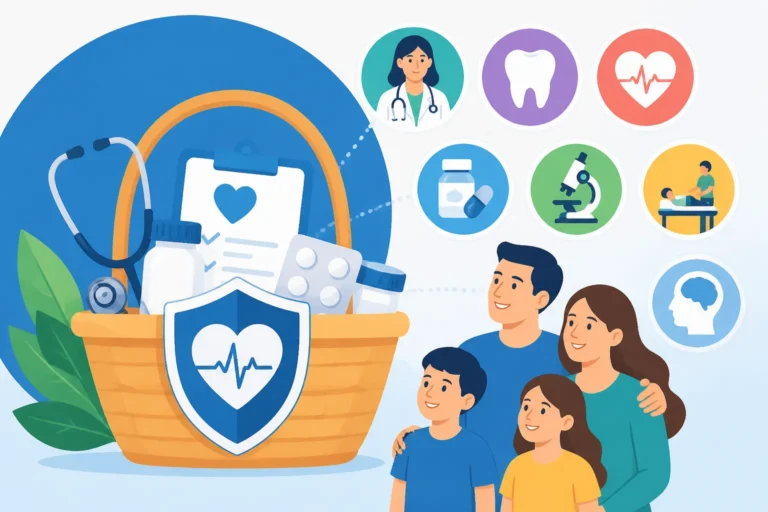
The "Sal Briut" (Health Basket) is a comprehensive list of medical services and medications that all Israeli residents are entitled to through their Kupat Holim. This includes a wide range of essential, life-saving, and chronic medications. For medications on the Sal Briut, you will pay a co-payment ("hishtatfut atzmit") rather than the full price. The exact co-payment amount can vary based on the medication, but it's generally a fixed percentage or a capped amount, making these drugs highly affordable. For more details on what's covered, see Understanding the Health Basket (Sal Briut) and What It Covers.
Medication Tiers and Co-payments
Medications are often categorized into different tiers based on their cost and availability of generic equivalents. Generally, generic medications have the lowest co-payments, while brand-name or newer, more expensive drugs might have higher co-payments. There are also monthly caps on medication co-payments for individuals and families, ensuring that very high medication needs don't become financially ruinous. This system is designed to make healthcare accessible, but it's important to understand Understanding Co-Payments (Hishtatfut Atzmit) in the Israeli Health System to manage your budget.
Supplementary and Private Insurance for Medications
Beyond the basic Sal Briut, many expats opt for additional insurance to further reduce out-of-pocket costs and gain access to a wider range of services.
Supplementary Insurance (Bituach Mashlim)
Each Kupat Holim offers supplementary insurance plans (like Clalit Mushlam, Maccabi Sheli, Meuhedet Adif/C, Leumit Zahav). These plans provide enhanced benefits, including lower co-payments for a broader range of medications not fully covered by the basic Sal Briut, discounts on specific non-prescription items, and coverage for certain treatments or services (like some dental procedures or alternative medicine) that are not in the core health basket. The monthly premiums for these plans are relatively low, and they can offer significant savings on medication costs over time. It's often a smart investment for expats. For a deep dive, check out Supplementary and Private Health Insurance in Israel: Options Explained.
Private Health Insurance
Private health insurance plans (separate from Kupat Holim supplementary plans) offer a different level of coverage. These are typically purchased from private insurance companies and are designed to cover treatments and medications not available through the public system, or to provide access to private clinics and faster appointments. While primarily focused on specialist care and procedures, some comprehensive private plans can offer significant benefits for medication costs, particularly for very expensive, non-basket drugs. For those who are not yet fully integrated into the Israeli system, or who need coverage beyond the Kupot Holim's offerings, private options like SafetyWing can provide essential medical insurance, including for prescription medications that may arise from unexpected illnesses or injuries, during their initial period in Israel or for specific travel needs. Always review the policy details carefully to understand medication coverage.
Claiming Reimbursement for Out-of-Pocket Expenses
Even with insurance, you might sometimes pay upfront for medications and need to claim reimbursement.
The Process
If you've paid the full price for a prescription medication at a private pharmacy (that should have been covered by your Kupat Holim with a co-payment) or for a medication partially covered by your supplementary plan, you can usually claim reimbursement. The process typically involves:
- Saving all receipts: This is absolutely critical. Keep the official receipt ("קבלה" – kabala) from the pharmacy clearly stating the medication, date, and price.
- Obtaining the original prescription: If it was a paper prescription, you'll need this. For electronic prescriptions, sometimes a printout from your doctor or a note from the pharmacy confirming the medication dispensed is sufficient.
- Filling out a reimbursement form: Your Kupat Holim will have specific forms for claiming medical expenses. These are usually available online via their member portal or at their administrative offices.
- Submitting documents: Submit the completed form along with your receipts and prescription copy to your Kupat Holim. This can often be done online through their app or website, or in person at a branch.
Tips for Success
- Be meticulous with paperwork: Israeli bureaucracy demands precision. Ensure all dates, names, and medication details match.
- Check your Kupat Holim's specific policy: Reimbursement procedures and eligible items can vary slightly between health funds and even between different supplementary plans. Familiarize yourself with your specific plan's rules, including learning How to Claim Reimbursement from Your Kupat Holim in Israel.
- Keep copies: Always make copies of everything you submit for your records.
- Follow up: Don't be afraid to follow up if reimbursement takes longer than expected. Sometimes a polite call or visit can expedite the process.
| Pharmacy Type | Typical Cost | Required Documents | Reimbursement Process | Convenience |
|---|---|---|---|---|
| Kupat Holim | Co-payment | Kupat Holim card/Teudat Zehut | Automatic (integrated) | High (digital prescriptions) |
| Private | Full price upfront | Teudat Zehut/Passport (for ID) | Manual claim to Kupat Holim | Variable (depends on location/hours) |
Emergency and After-Hours Pharmacy Services
Emergencies don't stick to business hours, and neither should your access to essential medications. Israel has systems in place to ensure you can get help when clinics are closed.
Finding a Naughty Pharmacy (Duty Pharmacy)
One of the most valuable resources for after-hours medication needs is the "Naughty" pharmacy, also known as the duty pharmacy.
How It Works
In every city and region, pharmacies rotate being on "naughty" duty ("naughty" means "on duty" or "on call" in Hebrew, not "naughty" as in misbehaving!). This means that even after regular business hours, at least one pharmacy in a given area will remain open late, or even 24/7, to serve emergency needs. These pharmacies are clearly marked as being on duty. You can usually find the schedule for your area online (search for "בתי מרקחת תורנים" – Batei Mirkachat Tornim + your city name) or by calling your Kupat Holim's non-emergency hotline. Local pharmacies often post signs indicating which pharmacy is on "naughty" duty for that evening or weekend. These services are crucial if you need to fill a new emergency prescription or if you run out of an essential medication suddenly. For any acute medical needs, remember to know What Is the Emergency Phone Number in Israel?
Costs for Duty Pharmacies
While Naughty pharmacies provide a vital service, be aware that they sometimes charge a small additional fee for dispensing outside regular hours, on top of the medication cost. This fee is usually a nominal amount but it's worth knowing about. Your Kupat Holim coverage will still apply for eligible medications, but the after-hours surcharge might not be reimbursed.
Emergency Room Pharmacies
If you find yourself in an emergency room ("Miyun" or "Heder Miun") at a hospital, there will almost certainly be a pharmacy on-site.
On-site Dispensing
Hospital emergency rooms often have their own pharmacies that can dispense medications prescribed by the ER doctors. This is incredibly convenient if you're discharged with a new prescription in the middle of the night or on a weekend. These pharmacies are usually open 24/7, mirroring the ER's operational hours. The costs for medications obtained here will typically follow the same Kupat Holim co-payment structure, or full price if you don't have coverage. For more on navigating hospital visits, refer to How to Access Hospital Care at a Beit Holim in Israel.
What to Expect
The ER pharmacy might only stock a limited range of common emergency medications. For long-term or highly specialized drugs, you may still need to visit a regular pharmacy once they reopen. Be prepared for potentially longer wait times, especially during busy ER periods, as the ER pharmacy serves all patients in the department.
Calling for Advice and Assistance
Even if you can't get to a physical pharmacy, help is often just a phone call away.
Kupat Holim Hotlines
Your Kupat Holim offers 24/7 medical advice hotlines. While they cannot issue prescriptions over the phone, nurses and sometimes doctors can provide guidance on managing symptoms, advise on whether an emergency pharmacy visit is necessary, or direct you to the nearest open service. They can also often tell you which pharmacy in your area is on "naughty" duty. This is an invaluable resource for non-life-threatening concerns that arise after hours.
Pharmacist Consultations
Many pharmacists, especially those in independent pharmacies or larger chains, are happy to offer advice over the phone for minor concerns. If you're unsure about an over-the-counter product or have a question about medication interactions, a quick call can often clarify things. Remember, a pharmacist is a vital part of your healthcare team, similar to how How to Find an English-Speaking Doctor in Israel helps you find primary care.
Essential Pharmacy Terminology and Tips for Expats
Navigating a foreign healthcare system, even one as efficient as Israel's, is always easier with a few key phrases and insider tips.
Key Hebrew Phrases for the Pharmacy
While many pharmacists speak English, knowing a few basic Hebrew terms can smooth your interactions.
- Beit Mirkachat (בית מרקחת): Pharmacy
- Rofeh (רופא): Doctor
- Mirsham (מרשם): Prescription
- Tshuva (תרופה): Medication / Medicine
- Akamol (אקמול): Paracetamol/Acetaminophen (common pain reliever)
- Optalgin (אופטלגין): Metamizole (another common pain reliever, sometimes available OTC)
- Hishtatfut Atzmit (השתתפות עצמית): Co-payment
- Kartis Kupah (כרטיס קופה): Health fund card
- Teudat Zehut (תעודת זהות): ID card
- Ani tzarich mirsham le… (אני צריך מרשם ל…): I need a prescription for…
- Yesh lachem et zeh be-Anglit? (יש לכם את זה באנגלית?): Do you have this in English? (Referring to instructions)
- Eich korsim et zeh? (איך קוראים את זה?): How do you take this? (Asking for instructions)
- Todah raba (תודה רבה): Thank you very much
Common Challenges and How to Overcome Them
Expats often face recurring issues when dealing with Israeli pharmacies. Anticipating these can help you manage them.
Language Barrier
Even if a pharmacist speaks English, medical terms can be complex.
- Solution: Have your doctor write down medication names (generic name if possible) and dosages clearly. Use translation apps if needed. Don't be afraid to ask for clarification, or even to repeat instructions slowly.
Different Medication Names
Your familiar medication might have a different brand name in Israel.
- Solution: Always know the generic (active ingredient) name of your medication. This is universal and will help pharmacists identify the correct equivalent. A quick online search before your visit can often reveal the Israeli equivalent if you know the generic name.
Prescription Expiration
Prescriptions in Israel have validity periods, often shorter than in some other countries.
- Solution: Pay attention to the date your prescription was issued and when it expires. Don't wait until the last minute to refill chronic medications. If you're on long-term medication, ask your doctor for a prescription that allows for multiple refills over a longer period (e.g., three months, six months), if appropriate. For recurring needs, learn How Do I Fill a Prescription at a Pharmacy in Israel? efficiently.
Bureaucracy and Wait Times
Especially at Kupat Holim pharmacies, things can move slowly.
- Solution: Try to visit during off-peak hours (e.g., mid-morning or mid-afternoon, avoiding early mornings, lunch breaks, and late afternoons). Utilize your Kupat Holim app or website to see if you can order repeat prescriptions for collection, thereby skipping some of the waiting. Remember that patience is a virtue in Israeli bureaucracy, from your local "Misrad HaPnim" to the health fund.
General Advice for a Smooth Pharmacy Experience
My final bits of wisdom, gleaned from years of navigating this system, will hopefully make your pharmacy visits as smooth as possible.
Be Prepared
Before you even step foot in the pharmacy, have your ID (Teudat Zehut or Kupat Holim card), your prescription (digital or paper), and a clear understanding of what you need. If you have any allergies or other important medical information, be ready to communicate it.
Ask Questions
Never leave the pharmacy if you are unsure about how to take your medication, its dosage, or any potential side effects. Pharmacists are there to help and are a wealth of knowledge. It's better to ask a "silly" question than to take medication incorrectly.
Leverage Technology
Many Kupot Holim have excellent apps and online portals. These can allow you to:
- View your active prescriptions.
- Order repeat prescriptions for collection.
- Find the nearest pharmacy or a "naughty" duty pharmacy.
- Check medication prices and co-payments.
- Access your medical history.
Learning how to navigate these digital tools is a game-changer for managing your healthcare in Israel, complementing the advice found in Navigating the Israeli Healthcare System: An Expat's Roadmap (2027).
Consider Private Options for Convenience
For non-prescription items, or if you need something immediately and the Kupat Holim pharmacy is closed or too busy, private pharmacies like Super-Pharm or Good Pharm are usually more convenient, even if the price is a little higher for some items. For comprehensive overseas coverage, especially during initial relocation, private travel insurance plans like SafetyWing offer a vital bridge for various medical needs, including unforeseen prescription costs.
Navigating the Israeli Beit Mirkachat system might seem daunting at first, but with a bit of understanding, preparation, and these practical tips, you’ll soon be filling prescriptions like a seasoned local.
Disclaimer
The information provided in this guide is intended for general informational purposes only and does not constitute medical or legal advice. While we strive to provide accurate and up-to-date information, the Israeli healthcare system, laws, and regulations can change. Always consult with a qualified healthcare professional or legal expert for advice tailored to your specific situation.