How Do I Pay the Co-Payment (Hishtatfut Atzmit) at an Israeli Clinic?
Moving to Israel or even just visiting can feel like stepping into a labyrinth of bureaucracy, especially when it comes to healthcare. One of the most common head-scratchers for newcomers is the concept of hishtatfut atzmit, or co-payment, at Israeli clinics. This guide is here to demystify these charges, explain exactly how to pay them, and provide practical advice for navigating this often-confusing aspect of the Israeli health system.
What Exactly is Hishtatfut Atzmit (Co-Payment) in Israel?
Ah, hishtatfut atzmit – a term that quickly becomes part of every expat's vocabulary, usually accompanied by a sigh of mild frustration. In simple terms, it's your out-of-pocket contribution towards the cost of medical services provided by your Kupat Holim, or health fund. Unlike some other national health systems where everything might seem "free at the point of service," Israel's system, while excellent and comprehensive, often requires these small payments for various treatments, consultations, and medications. It’s part of how the system keeps ticking, ensuring that while basic healthcare is a right, there’s a shared responsibility for its upkeep.
Imagine you've finally managed to secure an appointment with a specialist after weeks of trying, only to be told at the reception desk that there's a co-payment. It's not a bill for the entire service, but a portion of it, mandated by the National Health Insurance Law. This isn't unique to Israel; many countries have similar models. However, for those coming from systems with different funding structures, it can be an unexpected cost and a source of confusion. The amounts are generally quite low, designed to be affordable, but they add up, and knowing how to handle them is key.
Understanding the "Health Basket" and Your Share
At the heart of Israel's public healthcare system is the "Health Basket" (Sal Briut). This comprehensive package, defined by law, dictates which medical services, treatments, medications, and technologies all Israeli residents are entitled to receive through their chosen Kupat Holim. It’s quite broad, covering everything from primary care doctor visits and specialist consultations to hospitalizations, mental health services, and a wide range of prescription drugs. You can learn more about Understanding the Health Basket (Sal Briut) and What It Covers. The hishtatfut atzmit comes into play for certain services within this health basket.
So, while the health basket guarantees access, it doesn't always mean free access. For instance, a visit to your family doctor might have a minimal co-payment (sometimes even zero, depending on your Kupat Holim and specific plan), but seeing a specialist, getting certain lab tests, or receiving specific prescribed medications will almost certainly incur a hishtatfut atzmit. This system aims to encourage responsible use of medical services and helps fund the continuous improvement and expansion of the health basket itself. It's a balance between universal access and financial sustainability.
Why Do Co-Payments Exist?
The existence of co-payments in a national health insurance system often sparks debate. From an economic perspective, co-payments serve several purposes. Firstly, they act as a minor deterrent against overuse of services. If every doctor's visit or specialist consultation were entirely free, the system could be overwhelmed by unnecessary appointments, leading to longer waiting times for those who genuinely need care. Secondly, these small contributions collectively form a significant revenue stream that helps fund the Kupot Holim and support the extensive services they provide.
For us expats, it can feel like just another hurdle. You’ve already contributed to National Insurance (Bituach Leumi) for your health coverage, so why the extra charge? It’s important to remember that the Bituach Leumi contributions primarily fund the overall National Health Insurance framework, ensuring everyone has basic coverage. The Kupot Holim then manage and deliver these services, and the co-payments contribute directly to their operational costs and the specific services you receive. It’s a complex, multi-layered funding model, but understanding its rationale can make the process slightly less opaque.
Navigating the Payment Process at Your Kupat Holim Clinic
You've got your appointment, you're at the clinic, and now it's time to pay the hishtatfut atzmit. Don't panic! The process is generally straightforward, especially once you've done it a couple of times. Most clinics are well-equipped to handle these payments efficiently. The key is to be prepared and understand your options. Whether you're at a large Maccabi clinic in Tel Aviv or a smaller Clalit branch in a more suburban area, the core methods remain consistent.
Payment Methods: Card, App, or Online
The good news is that Kupot Holim in Israel have largely embraced modern payment methods, making the process relatively convenient. Here are the most common ways you'll be expected to pay:
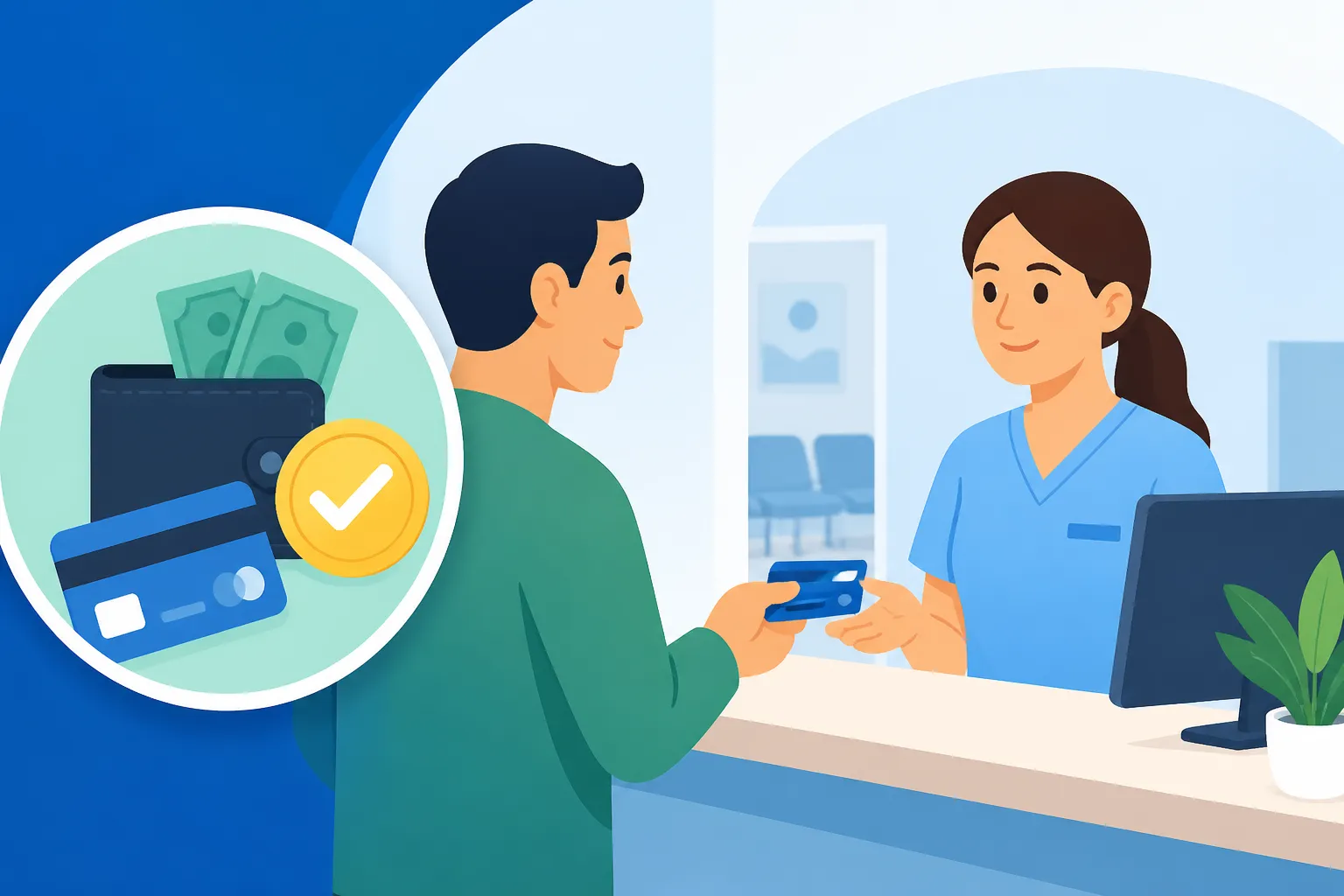
- Credit/Debit Card at the Clinic: This is by far the most common and easiest method. Most clinics will have a reception desk or a dedicated payment station with a card machine. You simply swipe or tap your Israeli credit or debit card, or even an international card (though check for potential foreign transaction fees). Make sure you have your card with you!
- Kupat Holim Mobile Apps: All the major Kupot Holim – Clalit, Maccabi, Meuhedet, and Leumit – have excellent mobile apps. These apps are incredibly useful for everything from booking appointments to reviewing your medical history and, crucially, making payments. Often, after a service that requires a co-payment, you'll receive a notification on the app, or you can go into the "payments" or "financial" section to see outstanding balances. You can then pay directly through the app using a saved card. This is particularly handy if you forgot your card or if the reception desk is busy.
- Online via the Kupat Holim Website: Similar to the mobile apps, all Kupot Holim maintain comprehensive websites where you can manage your account, including making payments. Log in to your personal area, navigate to the billing or payments section, and you should be able to settle any hishtatfut atzmit charges. This is a great option if you prefer using a computer or if you need to pay for multiple services at once.
- Bank Transfer (Less Common for Co-Payments): While you can often pay larger bills or membership fees via bank transfer, it's less common for small, on-the-spot co-payments. However, if you have a recurring charge or a specific arrangement, this might be an option. Always confirm with your Kupat Holim if this is a suitable method for the specific hishtatfut atzmit you owe.
Important Tip: Always ask for a receipt, whether digital or physical. This is crucial for your records, especially if you have supplementary insurance that might offer partial reimbursement for certain services, or if you need to track expenses for tax purposes.
What Happens if You Don't Pay On the Spot?
Life happens. Maybe you forgot your wallet, or your card was declined, or you simply didn't realize there was a co-payment until after your consultation. Don't worry, the Israeli healthcare system isn't going to send the Shabak after you for a forgotten co-payment! Generally, if you can't pay on the spot:
- You'll be billed later: Your Kupat Holim will simply add the outstanding hishtatfut atzmit to your account. You'll then receive a bill, either by mail, email, or a notification on your Kupat Holim app or website. You'll typically have a few weeks to settle this.
- Access to future services might be affected (eventually): While a single missed co-payment won't immediately bar you from seeing a doctor, accumulating a significant outstanding balance can eventually lead to limitations on services. For example, you might not be able to book new specialist appointments or receive certain medications until your account is cleared.
- It's best to pay promptly: To avoid any inconvenience or potential disruptions to your healthcare access, it's always best to pay your hishtatfut atzmit as soon as possible. The Kupot Holim systems are designed for quick resolution of these small payments.
If you find yourself with an outstanding balance, the best course of action is to log into your Kupat Holim account online or through the app and clear it. You can also call their customer service line if you have any questions or need to make alternative arrangements.
Factors Affecting Your Co-Payment Amount
The exact amount you pay for hishtatfut atzmit isn't a fixed, universal number. It can vary based on several key factors, which can be another source of confusion for new olim and expats alike. It's not always about the severity of your condition, but often about the type of service, who provides it, and what kind of supplementary coverage you have.
Type of Service and Specialist
Different medical services command different co-payment rates. Here’s a general overview:
- Primary Care (Family Doctor/Pediatrician): Visits to your regular family doctor or pediatrician often have very low or even no co-payment, especially if it's your assigned doctor and not a walk-in emergency clinic. This is to encourage preventative care and continuity of treatment.
- Specialist Consultations: This is where you'll most frequently encounter hishtatfut atzmit. Visiting a dermatologist, cardiologist, gynecologist, or any other specialist typically involves a co-payment. This payment usually covers a fixed period (e.g., three months) during which you can see that specific specialist or a specialist in that same field multiple times without paying again. This is a crucial detail to remember! If you need a follow-up visit with the same specialist within that timeframe, you shouldn't be charged another co-payment. Always confirm the validity period with the clinic. You’ll need a How to Get a Referral (Hafnaya) to a Specialist in Israel first.
- Lab Tests and Imaging: Routine blood tests or X-rays often have minimal or no co-payment. More complex imaging like MRIs or CT scans, however, can have a higher co-payment, especially if done privately or through certain arrangements, though the majority of the cost is covered by your Kupat Holim.
- Prescription Medications: This is a big one. The cost of prescription medications is heavily subsidized by the Kupot Holim, but you'll almost always pay a hishtatfut atzmit per item. The amount varies depending on the medication and whether it's on a preferred list. You can explore Prescription Medications and Pharmacies in Israel: The Complete Guide for more details.
- Emergency Room Visits: If you visit an emergency room (Miyun) without a referral from a doctor, you will almost certainly incur a significant co-payment. If you are admitted to the hospital from the ER, or if you arrive with a valid referral (e.g., from your family doctor), the co-payment is often waived or significantly reduced. For true emergencies, never hesitate to go, but understand the financial implications of non-referred visits. Read about Emergency Medical Care in Israel: What Every Newcomer Needs to Know.
Your Kupat Holim and Supplementary Insurance
The specific Kupat Holim you choose (Clalit, Maccabi, Meuhedet, or Leumit) can influence your co-payment structure, though the differences for basic services are usually minor. What makes a much bigger difference is whether you have supplementary health insurance (Bituach Mashlim) through your Kupat Holim. These plans, like Clalit Mushlam, Maccabi Sheli, Meuhedet Adif, or Leumit Zahav, offer enhanced benefits, including:
- Reduced Co-Payments: For many services that typically require a hishtatfut atzmit, supplementary insurance can significantly lower or even eliminate the co-payment. This is especially true for specialist visits, alternative medicine, or certain dental treatments.
- Wider Coverage: These plans often cover services not fully included in the basic health basket, such as certain psychological treatments, more extensive dental work, or specific medical procedures abroad.
- Access to Private Services at a Discount: Many supplementary plans offer discounts on private medical services, including seeing specialists outside the Kupat Holim system (known as Sharap in hospitals) or choosing your surgeon for certain procedures. This can effectively reduce your out-of-pocket expenses for private care.
It's highly recommended for expats to consider supplementary insurance, especially if you anticipate needing specialist care, have pre-existing conditions, or simply want broader peace of mind. While it’s an additional monthly cost, the savings on co-payments and access to extended services often make it worthwhile. You can understand more about Understanding Supplementary Insurance (Bituach Mashlim) from Your Kupah.
Exemptions and Discounts: Who Qualifies?
Not everyone pays the same hishtatfut atzmit. The system has provisions for certain populations to receive exemptions or discounts, recognizing that healthcare costs can disproportionately affect vulnerable groups.
- New Immigrants (Olim Hadashim): For their first few months, new immigrants often receive certain healthcare benefits and may be exempt from some co-payments, particularly during the initial absorption period. It's best to confirm the exact benefits with your Kupat Holim upon arrival.
- Children: For many basic services, children are often exempt from co-payments, reflecting Israel's commitment to child health. This varies by service and Kupat Holim, so always check.
- Seniors and Chronic Patients: Individuals over a certain age or those suffering from chronic illnesses often have a cap on their monthly or quarterly co-payments for medications and sometimes for specialist visits. This means that once they've paid a certain amount in hishtatfut atzmit within a given period, subsequent co-payments are waived for that period. This is a crucial benefit for those with ongoing medical needs.
- Low-Income Individuals: In some cases, individuals with very low income may qualify for reduced co-payments or assistance. This usually requires an assessment by the Kupat Holim or social services.
- Specific Conditions: Certain medical conditions, such as pregnancy, often come with specific exemptions for related treatments and tests. You can read about Understanding Maternity and Prenatal Care in Israel.
It's vital to inquire directly with your Kupat Holim about any potential exemptions or discounts you might be eligible for. Don't assume; always ask!
Here's a simplified table illustrating typical co-payment scenarios (amounts are approximate and subject to change):
| Service Type | Standard Co-payment (approx. NIS) | With Supplementary Insurance (approx. NIS) | Notes |
|---|---|---|---|
| Family Doctor Visit | 0 – 20 | 0 | Often free with basic plan. |
| Specialist Visit | 20 – 150 | 0 – 50 | Covers a period (e.g., 3 months) for the same specialist/field. |
| Prescription Medication | 15 – 120 (per item) | 0 – 60 (per item) | Varies greatly by medication type and 'basket' inclusion. May have monthly cap. |
| Basic Blood Test | 0 – 10 | 0 | Often free. |
| Complex Imaging (MRI/CT) | 150 – 1,000 | 50 – 300 | Only a portion paid by patient; major cost covered by Kupah. May require pre-approval. |
| Emergency Room (Non-referred) | 800 – 1,200 | 800 – 1,200 (reimbursement possible) | High co-payment if no referral or admission. For actual emergencies, go! But expect a bill if not admitted or referred. |
| Physiotherapy Session | 30 – 80 | 0 – 30 | Varies by number of sessions and plan. May require referral. Learn more about How to Get Physiotherapy and Rehabilitation Covered in Israel. |
Practical Tips for Managing Co-Payments as an Expat
Living in Israel means adapting to a new system, and managing hishtatfut atzmit is just one part of that. With a few proactive steps, you can make the process smooth and avoid any unnecessary stress or financial surprises.
Keeping Track of Your Medical Expenses
This might sound tedious, but trust me, it can save you headaches and potentially money down the line.
- Utilize Your Kupat Holim App/Website: As mentioned, your Kupat Holim online portal is your best friend. It typically keeps a detailed record of all services you've received, prescriptions filled, and payments made or owed. Regularly check this section to ensure everything is up-to-date and to settle any outstanding amounts.
- Keep Receipts: Even if you pay digitally, a physical or email receipt is always good to have. Create a dedicated folder (digital or physical) for medical expenses. This is especially important if you have supplementary insurance and need to claim reimbursements later. For instance, How to Claim Reimbursement from Your Kupat Holim in Israel covers this process.
- Understand the "Fixed Period" for Specialists: Remember that many specialist co-payments cover a period of time. Make a note of when you paid and when that period expires. This way, you'll know if a follow-up visit is covered or if you'll need to pay again. Don't be shy about confirming this at the reception desk.
Staying organized gives you a clearer picture of your healthcare usage and costs, making budgeting easier and preventing any unexpected bills.
Understanding International Travel Insurance for Emergencies
While your Kupat Holim provides excellent coverage within Israel, it's crucial to understand its limitations when you travel abroad. Your Israeli health insurance generally does not cover medical emergencies or treatments when you are outside the country, or if you are a tourist and not yet registered with a Kupat Holim. This is where international travel insurance comes in.
If you're a tourist visiting Israel, or an expat planning a trip outside of Israel, purchasing a reliable travel insurance policy is non-negotiable. Companies like SafetyWing offer comprehensive travel medical insurance designed specifically for digital nomads and long-term travelers, which can cover unexpected medical emergencies, hospital stays, and even medical evacuation. While SafetyWing wouldn't cover your routine hishtatfut atzmit at an Israeli clinic (that's what your Kupat Holim is for!), it's invaluable for those "what if" scenarios when you're away from your primary healthcare system, or for visitors who don't have Israeli health fund coverage. It’s always smart to have a backup for the truly unexpected, especially when crossing borders. For visitors to Israel, having such an international policy is often a requirement for visa applications or for peace of mind.
Similarly, if you're a new oleh and haven't fully registered with a Kupat Holim yet, or are in the waiting period for full coverage, having a private international policy is a lifesaver. While How Long Until New Olim Get Health Coverage in Israel? explains the process, there's often a gap, and SafetyWing or similar providers can bridge that period, ensuring you're not left unprotected for unforeseen medical needs.
Navigating hishtatfut atzmit might seem like a minor detail in the grand scheme of moving to or living in Israel, but understanding it is fundamental to effectively using the country's robust healthcare system. With this knowledge, you can approach your medical appointments with confidence, knowing what to expect and how to handle the financial aspects, leaving you more time to focus on your health and enjoying all that Israel has to offer.
Disclaimer
The information provided in this guide is for general informational purposes only and does not constitute medical, financial, or legal advice. Healthcare regulations, co-payment amounts, and insurance policies in Israel can change. Always consult with your specific Kupat Holim (health fund), an insurance professional, or a legal expert for personalized advice and the most up-to-date information regarding your individual circumstances.