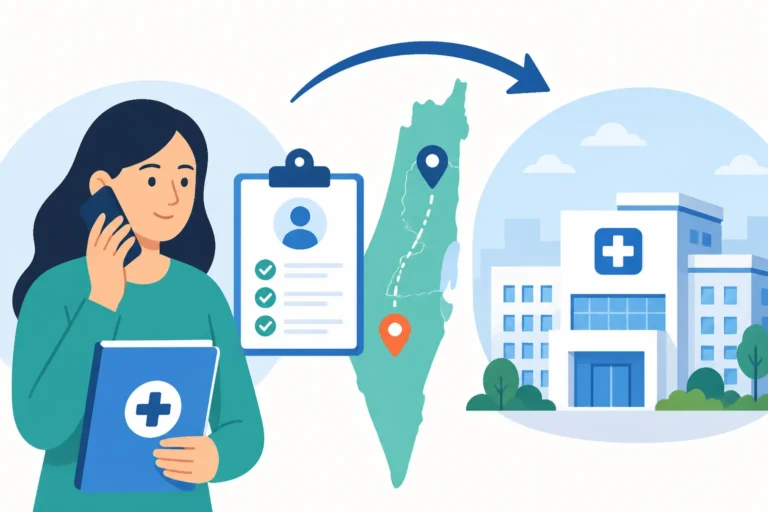
How to Claim Reimbursement from Your Kupat Holim in Israel
It’s a scenario many of us expats in Israel have faced: you’ve paid out-of-pocket for a medical service or prescription, perhaps a private consultation or a specialized treatment, and now you’re staring at a stack of receipts, wondering how on earth to get some of that money back from your Kupat Holim. Navigating the Israeli healthcare system can feel like deciphering an ancient text, and the reimbursement process, with its specific forms, deadlines, and requirements, is often another layer of complexity. This comprehensive guide is here to demystify how to claim reimbursement from your Kupat Holim in Israel, breaking down the steps, avoiding common pitfalls, and helping you reclaim what you’re owed.
Understanding Your Kupat Holim's Reimbursement Policies
Let's be honest, the Israeli healthcare system is a bit like a matryoshka doll – you peel back one layer, and there’s another, slightly different one underneath. When it comes to reimbursements, it's crucial to understand that what your Kupat Holim will cover, and how much, largely depends on two main factors: the basic "Sal Briut" (Health Basket) and any supplementary insurance plans you might have. Ignoring these details can lead to a lot of frustration, so let's unpack them.
Decoding the "Sal Briut" and Supplementary Plans
Every resident of Israel is entitled to the "Sal Briut," the national health basket, which is the baseline of public healthcare coverage provided through the four Kupot Holim: Clalit, Maccabi, Meuhedet, and Leumit. This basket covers a wide range of services, from doctor visits and hospitalizations to certain medications and preventive care. However, for many services, especially those outside routine check-ups or standard prescriptions, you might find yourself facing a co-payment (hishtatfut atzmit) or needing a referral to access the full coverage. This is where the concept of reimbursement from the Sal Briut usually comes in for services that were meant to be covered but for some reason, you had to pay for them directly, perhaps due to a technical glitch or an urgent situation.
Beyond the basic health basket, each Kupat Holim offers various levels of supplementary insurance, known as Bituach Mashlim. These plans, like Clalit Mushlam, Maccabi Sheli, Meuhedet Adif, or Leumit Zahav, are designed to bridge the gaps in the Sal Briut, offering expanded coverage for things like private specialist visits, reduced co-payments for certain tests, alternative medicine, dental treatments, optical services, and even some medical procedures abroad. The vast majority of reimbursements you'll claim will likely fall under the purview of these supplementary plans, as they often involve services where you pay upfront (or a higher portion upfront) and then claim back a percentage. Understanding the specifics of your chosen supplementary plan is paramount, as the exact percentage you can claim back, and for which services, varies significantly between plans and even between tiers within the same Kupat Holim. It's a good idea to periodically review your benefits, especially if your health needs change. You can learn more about Understanding Supplementary Insurance (Bituach Mashlim) from Your Kupah.
Common Scenarios for Reimbursement
So, when exactly might you find yourself needing to claim reimbursement? It's not always a straightforward case, but several common situations pop up for expats and locals alike. One frequent scenario is visiting a private specialist (known as "Sharap" in many hospitals, or simply a private clinic visit). While the Sal Briut typically requires a referral to a specialist within your Kupah's network, your supplementary plan might allow you to see a private specialist outside the network and then claim a percentage of the consultation fee back, often after a co-payment. For instance, if you visit a private dermatologist because the waiting list for a Kupah doctor was months long, your Bituach Mashlim might cover 75% of the cost, leaving you to pay the remaining 25%.
Another common reimbursement need arises from prescription medications or medical devices not fully covered by the Sal Briut or purchased outside a Kupah-affiliated pharmacy. Sometimes, specific medications require special approval or are only partially subsidized, and you might have paid the full price. Similarly, if you purchased certain medical equipment, like a specialized brace or crutches, your supplementary plan might offer partial reimbursement. Dental and optical care are also significant areas for reimbursement; while basic dental care for children is covered under the Sal Briut, adults usually rely on their supplementary plans for discounts or reimbursements on more extensive treatments like crowns, fillings, or orthodontics. For eyeglasses and contact lenses, certain plans offer a fixed sum or a percentage back after a certain period. Moreover, don't forget alternative medicine treatments, such as acupuncture, osteopathy, or chiropractic care, which are often heavily discounted or partially reimbursed through Bituach Mashlim plans.
The Step-by-Step Process for Submitting a Claim
Okay, so you’ve identified that you're eligible for a reimbursement. Now comes the nitty-gritty: actually submitting the claim. This part can feel like a bureaucratic dance, but with a clear understanding of the steps and required documents, you can navigate it efficiently. Remember, patience is a virtue, and thoroughness is your best friend when dealing with Israeli administrative processes.
Gathering Your Documents: The Israeli Bureaucracy Dance
This is arguably the most critical stage. Missing a single document can send your claim back to square one, adding weeks or even months to the process. For any reimbursement claim, you'll generally need:
- Original Receipts/Invoices (Kabalot/Hashboniot): This is non-negotiable. It must clearly state the service provided, the date, the cost, and the name of the medical professional or institution. For medications, keep the pharmacy receipt with the name of the drug and your details. For private services, ensure the receipt specifies the doctor's license number (mispar rishayon) and their specialty. A mere credit card slip often isn't enough; you need the detailed tax invoice.
- Proof of Payment: While the original receipt usually serves this purpose, if you paid by check or bank transfer, having a bank statement showing the transaction can be helpful, especially if the original receipt is less detailed.
- Medical Referral (Hafnaya) or Doctor's Letter: If the service required a referral from your family doctor (Rofeh Mishpacha) or a specialist, make sure you have it. Even for private visits where a referral wasn't required by the private doctor, a letter from your Kupah doctor explaining the need for the service can sometimes strengthen your claim, particularly for unusual treatments or medical devices.
- Completed Reimbursement Form (Tofes Habarak): Each Kupat Holim has its own specific form. You can usually download this from their website or pick one up at a local clinic. Fill it out completely and accurately. Don't leave any blanks, and if you’re unsure about a section, it’s better to ask a representative than to guess.
- Copy of Your Teudat Zehut (ID Card): Always have a copy handy for identification purposes.
- Bank Account Details: Your Kupat Holim will need your Israeli bank account details (bank name, branch number, account number) to deposit the reimbursement directly. If you're a new oleh and your bank account is still settling, or if you're using a temporary account, ensure it's active and ready for incoming transfers. You can find more information on The Expat Guide to Opening a Bank Account in Israel.
I’ve had friends who forgot to include the original referral for a specialist visit, only to have their claim rejected. They then had to scramble to get a new referral, resubmit everything, and wait another few weeks. Learn from their struggles: double-check everything before you send it off.
Submitting Your Claim Online vs. In-Person
Once your documents are in order, you have a couple of primary routes for submission. Both have their pros and cons.
Online Submission: This is becoming the preferred method for many, and frankly, it's often the most convenient. Most Kupot Holim now have robust online platforms and mobile apps (like the popular How to Book Appointments Through Clalit and Maccabi Apps) that allow you to upload scanned documents directly.
- Pros: It's quick, you can do it from the comfort of your home, and you usually get an immediate confirmation that your claim has been received. You also have a digital record of your submission. It saves paper and trips to the clinic.
- Cons: You need access to a scanner or a good camera on your phone. If your documents are complex or extensive, uploading them all can be tedious. And sometimes, the system can be finicky, especially if the file size is too large or the image quality isn't perfect. Make sure each document is clearly legible.
In-Person Submission: For those who prefer a human touch or have particularly complex claims, submitting in person at your local Kupat Holim branch or a dedicated reimbursement center is still an option.
- Pros: You can ask questions directly to a representative, who might be able to spot missing documents or potential issues immediately. You get a stamped receipt confirming your submission. For large or sensitive claims, some people prefer the reassurance of handing documents over personally.
- Cons: It requires travel and waiting in line, which can be a significant time commitment in Israel. Language barriers can sometimes be an issue if you’re not fluent in Hebrew, though many larger clinics in expat-heavy areas do have English-speaking staff. You might also find yourself being sent to different departments if your claim is multi-faceted.
Whichever method you choose, make sure you receive a confirmation of submission, whether it's an email notification, a digital tracking number, or a physical stamp on a copy of your form. This proof of submission is your safety net.
Tracking Your Claim and What to Expect
Once submitted, the waiting game begins. The processing time can vary significantly, from a few weeks to a couple of months, depending on the complexity of your claim, the volume of claims the Kupah is handling, and the specific service you’re seeking reimbursement for.
Most Kupot Holim allow you to track the status of your claim online through their member portal or app. This is invaluable, as it allows you to see if your claim is "in process," "approved," or "denied." If you don't hear anything after a reasonable period (say, 4-6 weeks), don't hesitate to follow up. You can usually do this by calling their customer service line, sending a message through their online portal, or visiting a clinic in person. When following up, always have your tracking number or the date of your submission ready.
If your claim is approved, the reimbursement amount will typically be deposited directly into the bank account you provided. You'll usually receive an SMS or email notification once the transfer has been made. If your claim is denied, you should receive a letter or notification explaining the reason for the denial. This is where knowing the specifics of your plan and having all your documentation comes into play. If you believe the denial is unfair or based on a misunderstanding, you have the right to appeal – a process we’ll delve into shortly.
Navigating Specific Reimbursement Types
The world of healthcare reimbursements isn't one-size-fits-all. Different types of services have different rules, forms, and expectations. Understanding these nuances can significantly smooth your path to getting your money back.
Prescription Medications and Medical Devices
When it comes to medications, the situation in Israel is quite structured. The "Sal Briut" covers a wide range of prescription drugs, often with a standard co-payment. However, sometimes you might encounter situations where reimbursement is needed:
- Non-Kupah Pharmacy Purchases: If you bought a medication at a private pharmacy (not affiliated with your Kupah's network) due to an emergency or availability, you might be able to claim reimbursement. You'll need the original, detailed receipt from the pharmacy, clearly showing the medication name, dosage, date, and price, along with your doctor's prescription.
- Medications Not Fully Subsidized: Some newer or specialized medications might not be fully covered by the Sal Briut, or only partially. If you paid a higher price, your Bituach Mashlim might offer a partial refund. Again, the original prescription and a detailed receipt are essential.
- Medical Devices: Items like hearing aids, specific orthopedic supports, nebulizers, or even CPAP machines often fall under partial reimbursement from your supplementary plan. You'll typically need a doctor's recommendation or prescription, along with the detailed purchase invoice. It's always best to check with your Kupah before purchasing expensive devices to understand their specific coverage and approval process.
Keep in mind that for prescription medications, the system is designed for you to purchase them at Kupah-affiliated pharmacies (e.g., Clalit has pharmacies within its clinics, Maccabi works with Super-Pharm and private pharmacies, Leumit with NeoPharm, etc.). Reimbursement for external pharmacy purchases is usually an exception rather than the rule. For more details, check out Prescription Medications and Pharmacies in Israel: The Complete Guide.
Private Specialist Visits and Procedures (Sharap)
This is a big one for many expats, as it allows access to specialists often with shorter waiting times or specific expertise. Many supplementary plans offer significant reimbursements for private specialist visits.
- Private Doctor Visits: If you choose to see a private specialist outside your Kupah's direct network (a rofeh pratit), your Bituach Mashlim plan will likely reimburse a percentage of the consultation fee, up to a certain maximum amount per visit or per year. You'll need the original invoice from the doctor, which should explicitly state the doctor's name, license number, specialty, the date of the visit, and the fee charged.
- Private Procedures/Tests: For certain advanced tests (like MRI or specialized scans) or minor procedures performed privately, your supplementary insurance might also cover a portion of the cost. This usually requires pre-approval from your Kupat Holim and a referral from your family doctor or a Kupah specialist. The process for claiming these can be more involved, often requiring a detailed medical report from the private practitioner.
Remember that "Sharap" services, which are private medical services offered within public hospitals (like Ichilov's Sharap or Hadassah's Sharap), often have slightly different reimbursement rules than completely independent private clinics. Always clarify with your Kupah beforehand if you're considering a private route, especially for more expensive procedures, to avoid any unwelcome surprises.
Dental, Optical, and Alternative Therapies
These categories often feel like a lifeline for expats who find their needs aren't fully met by the basic health basket.
- Dental Care: While basic preventative care for children is covered, adults often rely on their supplementary plans for dental work. Reimbursements can range from discounts on fillings, extractions, and root canals to partial coverage for crowns, bridges, and orthodontics. You'll typically need a detailed treatment plan from the dentist, along with itemized receipts for each stage of treatment. For larger procedures, your Kupah might require you to get a quote and submit it for pre-approval. Dive deeper into Understanding Dental Care Coverage in Israel for a full picture.
- Optical Services: Reimbursement for eyeglasses, contact lenses, and eye exams is commonly offered through Bituach Mashlim. This often comes in the form of a fixed amount towards lenses or frames every one to three years, or a percentage off. Make sure you get a detailed invoice from the optician, specifying the items purchased and the date.
- Alternative and Complementary Medicine: Many Israelis, including expats, increasingly turn to alternative therapies. Kupot Holim supplementary plans often provide substantial discounts or reimbursements for treatments like acupuncture, homeopathy, chiropractic care, osteopathy, and even some forms of massage therapy. These services are usually provided through Kupah-affiliated clinics specializing in complementary medicine (e.g., Clalit Complementary Medicine, Maccabi Natural). You'll usually need to pay for sessions upfront and then claim a percentage back, often requiring a doctor's referral for the initial assessment. How to Access Mental Health Services in Israel as an Expat might also touch on some complementary therapies if available through your Kupah.
Emergency Care Abroad: When SafetyWing Comes In Handy
This is a critical area where many expats get caught out. Your Israeli Kupat Holim, under the national health insurance law, generally does NOT provide coverage for medical emergencies or routine care when you are outside of Israel. This is a common misconception, and it's essential to understand. While some Bituach Mashlim plans might offer limited travel insurance benefits (e.g., a small discount on travel insurance or very minimal emergency coverage), they are usually insufficient for significant medical events abroad.
This is precisely why having separate, robust travel insurance is non-negotiable for expats who travel frequently. Companies like SafetyWing offer comprehensive travel medical insurance designed for nomads and expats, providing coverage for emergency medical treatment, evacuation, and other travel-related incidents while you're outside your home country. So, if you're on a trip to Greece and break your leg, your Israeli Kupat Holim won't be processing that claim. Instead, you'd turn to your travel insurance provider, such as SafetyWing, for reimbursement or direct payment for your medical bills. It’s always smart to have a plan like SafetyWing in place before you leave Israel's borders. For deeper insights into what to do in a crisis, see Emergency Medical Care in Israel: What Every Newcomer Needs to Know.
Common Pitfalls and How to Avoid Them
The path to reimbursement isn't always smooth sailing. There are common traps and misunderstandings that can derail your claim. Being aware of these can save you a lot of headache and heartache.
The Importance of Timing and Deadlines
In the world of Israeli bureaucracy, deadlines are real, and they matter. Most Kupot Holim have a strict time limit for submitting reimbursement claims, typically 12 to 24 months from the date the service was rendered or the payment was made. If you miss this window, even by a day, your claim will likely be rejected, no matter how legitimate it is.
It’s easy to let receipts pile up, especially if you have a busy life, but procrastination is your enemy here. Get into the habit of submitting claims regularly, perhaps once a month or every quarter. Set a reminder in your calendar if needed. This also makes the process less overwhelming, as you’re dealing with fewer receipts at a time. I once forgot about a dental reimbursement for a minor procedure until I found the receipt months later, just two weeks before the 12-month deadline. I rushed the submission and, thankfully, it went through, but the stress wasn't worth it!
Language Barriers and Misunderstandings
Let's face it, navigating a medical system in a foreign language can be incredibly challenging. Even if you speak some Hebrew, medical terminology can be baffling. This can lead to misunderstandings during clinic visits, when filling out forms, or when communicating with Kupat Holim representatives about your claim.
- During Visits: When seeing a doctor or specialist, don't be afraid to ask them to write down the name of the medication, the diagnosis, or the recommended treatment in clear, simple Hebrew or English. If you’re unsure about what’s being said, ask for clarification or bring a Hebrew-speaking friend to important appointments. You can often find How to Find an English-Speaking Doctor in Israel in major cities.
- Forms: If the reimbursement form is only in Hebrew, use a translation app or ask a Hebrew-speaking friend for help. Never guess, as an incorrect entry can invalidate your claim. Many Kupot Holim websites also offer forms in English or Russian, so check for those options first.
- Customer Service: When calling or visiting, state clearly that you need assistance in English (or another language you speak). Many Kupot Holim have dedicated English-speaking lines or representatives. If you're struggling to explain your situation, sometimes it's best to write down your query in advance.
When Your Claim is Denied: Appealing the Decision
It happens. You followed all the steps, gathered your documents, waited patiently, and then… denial. Don't panic, and don't give up immediately. A denial isn't always the final word.
- Understand the Reason: The first step is to carefully read the denial letter or notification. It should clearly state why your claim was rejected. Was it a missing document? Did the service not meet the criteria of your plan? Was the deadline missed?
- Rectify the Issue: If it's a correctable issue (like a missing copy of a referral or an illegible receipt), gather the correct document and resubmit with a clear explanation that you are amending a previously denied claim.
- Formal Appeal: If you believe the denial is incorrect, you have the right to appeal. This usually involves writing a formal letter (or using a specific appeal form) to your Kupat Holim's appeals department, explaining why you believe your claim should be reconsidered. Include copies of all your original documents and the denial letter. Be clear, concise, and polite. Reference the relevant clauses of your supplementary insurance plan if you know them.
- Escalation: If your appeal is denied, you can escalate further within the Kupat Holim's hierarchy or, in some cases, seek assistance from the Ministry of Health or legal counsel. This is rare for minor reimbursements but can be an option for significant costs. Persistence can pay off, especially if you have a strong case.
Tips for a Smoother Reimbursement Experience
After years of navigating the quirks of Israeli administrative processes, I've learned a few tricks that can genuinely make the reimbursement journey less stressful. Think of these as your insider hacks.
Keeping Meticulous Records
This isn't just a suggestion; it’s practically a commandment. From the moment you pay for a service, start a dedicated system for your medical receipts and documents.
- Physical Folder: Have a designated folder at home for all medical invoices, prescriptions, referrals, and correspondence. Label it clearly (e.g., "Kupat Holim Reimbursements 2026").
- Digital Copies: As soon as you get a receipt, take a clear photo or scan it and save it to a cloud service (Google Drive, Dropbox, etc.) or a dedicated folder on your computer. Name the files clearly (e.g., "Dermatologist_DrCohen_2026-05-15_Receipt.pdf"). This way, if an original gets lost, you have a backup, and it’s easy to upload for online claims.
- Track Your Submissions: Create a simple spreadsheet or note on your phone where you log each claim: date submitted, service, amount, and the expected reimbursement. This helps you track processing times and follow up when necessary. This level of organization can save you hours of searching and prevent lost claims.
Utilizing Your Kupat Holim's Digital Tools
The good news is that Israeli Kupot Holim are generally quite advanced when it comes to digital services. Embrace them!
- Mobile Apps: Download and familiarize yourself with your Kupat Holim’s official mobile app. These apps are often your primary portal for everything from booking appointments to viewing test results, and crucially, submitting and tracking reimbursement claims.
- Online Portals: Your Kupat Holim’s website will have a personal member area. This portal offers similar functionalities to the app and is often more comprehensive for larger document uploads or detailed inquiries.
- Digital Communication: Utilize the secure messaging systems within the apps or online portals to communicate with your Kupat Holim. These messages create a written record, which can be invaluable if there are any disputes later. For broader advice on managing your health, consider exploring Navigating the Israeli Healthcare System: An Expat's Roadmap (2027).
Seeking Assistance and Advocacy
You don’t have to go it alone. There are resources available if you feel overwhelmed.
- Kupat Holim Representatives: Start with your Kupat Holim’s customer service. Be patient and persistent. If the first person can't help, ask to speak to a supervisor.
- Expat Groups and Forums: Online expat groups in Israel (Facebook groups, forums) are goldmines of practical advice. Many long-term expats have been through it all and can offer tips or even recommend specific English-speaking representatives at various Kupot. However, always verify information with official sources.
- Yad Sarah or Other NGOs: Organizations like Yad Sarah provide a wide range of free or subsidized medical equipment and services. While not directly for reimbursement, they can sometimes offer alternatives that reduce your out-of-pocket costs in the first place.
- Financial Advisors/Accountants: If you have very complex medical expenses, especially those that might involve tax deductions (though less common for standard reimbursements), a local financial advisor or accountant specializing in expat finances might offer guidance.
By being proactive, organized, and knowing your rights, you can significantly ease the process of claiming reimbursement from your Kupat Holim in Israel. It might not always be simple, but with this guide, you’re well-equipped to navigate the system and get what you’re due.
Here’s a quick summary table of common reimbursement types and their usual documentation needs:
| Reimbursement Category | Key Documents Required | Important Notes |
|---|---|---|
| Private Specialist Visit | Original Invoice (detailed), Doctor's License, Your Referral | Ensure specialty & fee are clear. Referral from Kupah doctor often strengthens claim. |
| Prescription Medications (External) | Original Pharmacy Receipt (detailed), Doctor's Prescription | Only for medications not available at Kupah pharmacy or for specific non-subsidized drugs. |
| Medical Devices | Original Purchase Invoice (detailed), Doctor's Recommendation | Pre-approval from Kupah often required for expensive items. Check your supplementary plan specifics. |
| Dental Care (e.g., fillings, crowns) | Itemized Treatment Plan, Detailed Receipts for Each Stage | For major work, pre-approval and multiple quotes might be requested. Check your plan for covered percentages. |
| Optical Services (glasses, contacts) | Original Optician's Invoice (detailed) | Often a fixed sum or percentage every 1-3 years. Confirm eligibility period with your plan. |
| Alternative Medicine (e.g., acupuncture) | Original Receipts for Sessions, Doctor's Referral for Assessment | Usually through Kupah-affiliated complementary medicine clinics. Requires upfront payment, then partial refund. |
| Emergency Care Abroad | N/A (for Kupat Holim) | Not covered by Israeli Kupot Holim. Requires separate travel insurance like SafetyWing. |
Disclaimer
The information provided in this guide is intended for general informational purposes only and does not constitute medical, legal, or financial advice. While we strive to provide accurate and up-to-date information, the Israeli healthcare system, laws, and Kupat Holim policies can change. It is always recommended to consult directly with your specific Kupat Holim, a qualified medical professional, or a relevant expert for advice tailored to your individual situation. We assume no responsibility for any actions taken based on the information contained herein.