How Do I Choose a Private Health Insurer in Israel?
Navigating the Israeli healthcare system can feel like learning a whole new language, even if you’re fluent in Hebrew. You’ve probably already wrestled with the intricacies of the Kupot Holim, and now you’re staring down the prospect of private health insurance, wondering if it’s truly necessary and, if so, how on earth to pick the right one. This guide is here to untangle that knot, offering a clear, empathetic path through the choices for private health insurers in Israel.
Why Consider Private Health Insurance in Israel?
You’ve landed in Israel, got your Teudat Zehut, and dutifully registered with one of the national health funds – Clalit, Maccabi, Meuhedet, or Leumit. You’re covered by the National Health Insurance Law, and that’s a huge relief, right? Absolutely. Israel’s public healthcare system is robust and provides excellent basic coverage. However, like many public systems around the world, it has its limitations. This is where private health insurance often steps in, not as a replacement, but as a crucial complement, especially for expats seeking a bit more control and comfort.
Bridging Gaps in the Public "Health Basket"
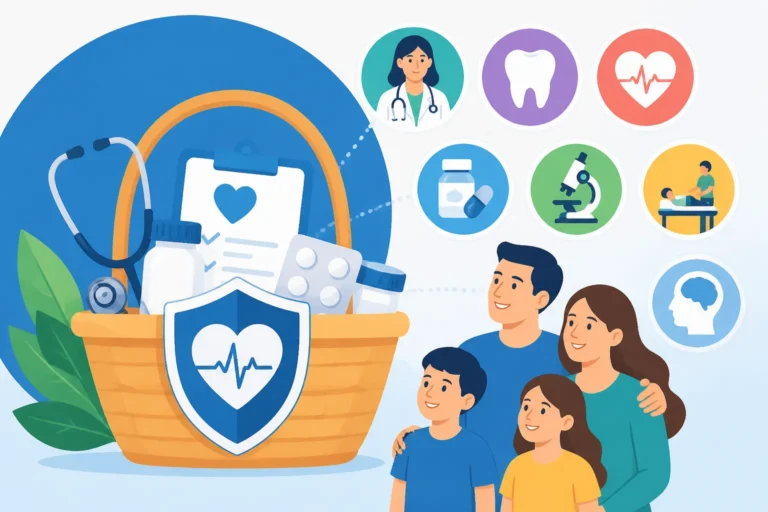
The Sal Briut, or "health basket," is Israel’s comprehensive package of medical services provided under national health insurance. It covers a vast array of treatments, medications, and therapies. But here's the kicker: it’s not exhaustive. Certain cutting-edge treatments, experimental drugs, specific medical devices, or alternative therapies might not be fully included or might require substantial co-payments. This can be a real point of anxiety for those accustomed to broader coverage or those with specific health needs.
Think about a scenario where you or a family member needs a particular, expensive medication for a chronic condition that's newly approved but not yet fully integrated into the Sal Briut. Or perhaps you’re interested in specific types of mental health support that aren't widely covered. These are precisely the gaps that a private health insurance plan can help to fill, offering a safety net for those unexpected or highly specialized needs that fall outside the standard public provisions. It's about enhancing your peace of mind, knowing that you have additional options beyond the baseline. If you're wondering about the specifics of what is covered, our guide on Understanding the Health Basket (Sal Briut) and What It Covers delves deeper into this.
Avoiding Long Waiting Lists
One of the most common frustrations you'll hear from expats and locals alike regarding public healthcare, particularly for non-urgent specialist appointments or elective procedures, is the waiting list. While urgent cases are always prioritized, getting an appointment with a top orthopedic surgeon or a specific dermatologist through the public system might mean waiting weeks, or even months, depending on your Kupat Holim and region. This can be incredibly inconvenient, not to mention stressful, especially if you’re dealing with discomfort or a condition that impacts your daily life.
Private health insurance can often grant you faster access to specialists and diagnostics. Instead of waiting for an available slot in the public system, you might be able to book an appointment with a private doctor within days, or even hours, if you have comprehensive private coverage. This speedy access extends to things like MRI scans, CT scans, or specialized consultations. For expats used to quicker service in their home countries, this can be a significant advantage, offering a way to bypass some of the system's inherent bottlenecks. It's about reclaiming your time and reducing the period of uncertainty that often accompanies a medical issue.
Access to Private Specialists and Facilities
The Israeli medical landscape boasts world-class doctors and state-of-the-art facilities. However, within the public system, your choice of doctor or hospital might be limited to those affiliated with your specific Kupat Holim or those available in your area. This isn't necessarily a bad thing, as the quality is generally high, but it does limit your autonomy. Private health insurance often opens the door to a wider network of private practitioners, clinics, and even specific departments within hospitals known as Sharap (Services Refusing Payment in Public), which offer private medical services.
This means you can hand-pick a specialist based on reputation, specific expertise, or even language proficiency, rather than simply who is available through your health fund. Many expats find great comfort in having the option to consult with an English-speaking doctor, for example, which can be a game-changer when discussing complex medical issues. Our article, Understanding Private Clinics and Sharap in Israeli Hospitals, provides a more in-depth look at these options. Moreover, private facilities often offer more comfortable amenities, shorter wait times for appointments, and a more personalized experience, which can be invaluable during times of illness or stress.
Understanding Your Options: Types of Private Health Insurance
When people talk about "private health insurance" in Israel, it’s not a single, monolithic product. There are actually a few distinct categories, and understanding the differences is crucial for making an informed decision that aligns with your needs and budget. It’s not just about a simple choice between public and private; there are layers to peel back.
Supplementary Insurance (Bituach Mashlim) vs. Comprehensive Private Plans
This is perhaps the most important distinction to grasp.
-
Supplementary Insurance (Bituach Mashlim): This is offered directly by your Kupat Holim (Clalit, Maccabi, etc.) as an upgrade to your national health insurance. It’s designed to enhance the Sal Briut by offering better coverage for specific services, reduced co-payments, access to a wider range of specialists within the Kupah's network, and sometimes partial reimbursement for services not fully covered by the basic plan, like certain dental treatments or alternative medicine. Think of it as a tiered system: the basic Sal Briut is level one, and Bituach Mashlim pushes you up to level two or three within the same health fund. For many expats, this is the first logical step beyond basic coverage, as it’s generally more affordable than fully private plans and integrates seamlessly with your existing Kupat Holim services. Our guide on Understanding Supplementary Insurance (Bituach Mashlim) from Your Kupah offers more details.
-
Comprehensive Private Plans: These are offered by independent private insurance companies, completely separate from your Kupat Holim. These plans are designed to provide extensive coverage that may go beyond what even Bituach Mashlim offers. They often include:
- Full coverage for private specialist consultations: Allowing you to see any private doctor you choose, with direct payment or significant reimbursement.
- Access to private hospitals or private departments (Sharap) within public hospitals: This means you can choose your surgeon and enjoy private room amenities.
- Broader coverage for specific medications and treatments: Including some experimental drugs or treatments not covered by the Sal Briut or Bituach Mashlim.
- International coverage: Some plans, like those offered by providers such as SafetyWing, specialize in offering flexible international health insurance that can be a lifesaver if you travel frequently or split your time between Israel and other countries. They might also offer repatriation or emergency evacuation services.
- Higher limits for certain procedures: Such as dental work or physiotherapy.
The key difference is that Bituach Mashlim is an extension of the public system, while comprehensive private plans operate independently, offering a parallel, often more expansive, healthcare avenue. Choosing between them depends on your budget, health needs, and how much autonomy you desire in your healthcare decisions. Our article on Public vs Private Healthcare in Israel: Which Should Expats Choose? offers a deeper dive into this comparison.
International Health Insurance
For many expats, especially those who are digital nomads, frequent travelers, or those whose long-term plans in Israel might be uncertain, international health insurance presents a compelling alternative or supplement. Providers like SafetyWing offer plans specifically designed for individuals living and working abroad, which can be incredibly flexible.
These plans are typically not tied to a specific national healthcare system, providing coverage whether you're in Israel, visiting your home country, or exploring other parts of the world. This global reach is a huge benefit for those who don't want to be restricted by geographical boundaries for their healthcare. For example, if you're a remote worker living in Tel Aviv but frequently fly back to Europe or the US for family visits or work, an international plan ensures you're covered wherever you are.
However, it's vital to understand that an international plan might not fully replace your obligations under Israel's National Health Insurance Law, especially if you are considered a tax resident. You might still be required to pay Bituach Leumi (National Insurance) contributions, which include a health component. Therefore, for many, international insurance acts as excellent supplementary coverage, particularly for emergency medical care abroad or for providing broader access to private facilities if you prefer that route for non-emergency care while in Israel. It's worth comparing these options carefully, considering your lifestyle and residency status.
Key Factors When Choosing a Private Insurer
Alright, so you’ve decided that private health insurance is the way to go, at least in some form. Now comes the trickier part: actually choosing a provider and a plan. This isn't a decision to take lightly, and it certainly isn't a one-size-fits-all situation. You need to consider several crucial factors that will impact your experience and your wallet.
Coverage Scope and Exclusions
This is the absolute bedrock of your decision. What exactly does the policy cover, and just as importantly, what does it not cover? Don’t just glance at the headlines; delve into the fine print.
- Hospitalization: Does it cover private hospital rooms? Which hospitals are included in their network? What about choosing your own surgeon for elective procedures?
- Specialist Consultations: Are all private specialists covered, or only those within a specific network? What are the limits on visits or costs? For instance, some plans might have a cap on how many times you can see a dermatologist annually.
- Medications: Does it cover specialized or expensive drugs that are outside the Sal Briut? Are there specific lists of covered medications, or a more general policy? Our guide on Prescription Medications and Pharmacies in Israel: The Complete Guide can give you a baseline for what to expect from the public system.
- Diagnostics and Tests: Does it provide faster access or broader coverage for advanced imaging (MRI, CT, PET scans) or specialized lab tests?
- Therapies: What about physiotherapy, psychological therapy, or alternative treatments like acupuncture or osteopathy? Often, these are where Bituach Mashlim and comprehensive private plans diverge significantly.
- Pre-existing Conditions: This is HUGE. Most private plans will have clauses about pre-existing conditions. Understand what constitutes a pre-existing condition, if there’s a waiting period before coverage kicks in for such conditions, or if they are excluded entirely. Be completely honest in your application; withholding information can lead to claims being denied.
- Exclusions: Be vigilant about general exclusions. Some policies might exclude specific sports injuries, cosmetic procedures, or treatments related to certain chronic illnesses. An international provider like SafetyWing, for instance, might have different exclusion lists compared to a local Israeli provider, so always read carefully.
Make a list of your personal health priorities and match them against the proposed coverage. Don't be afraid to ask for detailed breakdowns.
Cost, Deductibles, and Co-payments
This is where the rubber meets the road financially. Private insurance is an investment, and you need to understand the full cost picture.
- Premiums: This is the monthly or annual fee you pay for the insurance. Premiums vary wildly based on age, health status, chosen coverage, and the insurer. Younger, healthier individuals will pay less than older individuals or those with existing medical conditions.
- Deductibles (Hishtatfut Atzmit): This is the amount you have to pay out of your own pocket before your insurance coverage kicks in for a particular service or for the year. A higher deductible usually means lower monthly premiums, and vice-versa. For example, if you have a NIS 500 deductible for a specialist visit, you pay the first NIS 500, and the insurer covers the rest (up to policy limits). Our guide on Understanding Co-Payments (Hishtatfut Atzmit) in the Israeli Health System helps explain these concepts in the public context, which can often be similar in private plans.
- Co-payments: After meeting your deductible, you might still need to pay a small percentage or a fixed amount for each service or prescription. This is the co-payment. It's designed to ensure you still have some financial stake in your healthcare decisions.
- Out-of-Pocket Maximums: Some policies have an annual out-of-pocket maximum, meaning that once you've paid a certain amount in deductibles and co-payments within a year, the insurer covers 100% of all subsequent eligible costs. This provides a crucial financial cap.
Always get a clear, itemized quote that details all these costs. Compare quotes from several providers to ensure you're getting the best value for your needs. Remember, the cheapest policy isn't always the best if it doesn't offer the coverage you require.
English-Speaking Support and Ease of Use
For expats, the language barrier can be a significant source of stress when dealing with healthcare. Imagine trying to explain complex medical symptoms or navigate claims processes in a language you’re not fully comfortable with.
- Customer Service: Does the insurer offer customer support in English? Is it readily available via phone, email, or chat? Test them out before committing! Call their English line and see how responsive and helpful they are.
- Policy Documents: Are policy documents, terms, and conditions available in English? This is non-negotiable. You need to understand exactly what you’re signing.
- Online Portals/Apps: Do they have user-friendly online portals or mobile apps that allow you to manage your policy, submit claims, or find doctors in English? For instance, some Kupot Holim have excellent apps for How to Book Appointments Through Clalit and Maccabi Apps, and you might look for similar functionality in a private insurer.
- Claims Process: How easy is it to submit a claim? Is it mostly digital, or does it involve a lot of paperwork? How long does it typically take for claims to be processed and reimbursed? A smooth, transparent claims process is invaluable.
An insurer that caters specifically to the expat community, or an international provider like SafetyWing, often understands these needs better and invests in multilingual support. Don't underestimate the value of clear communication when your health is on the line.
Reputation and Claims Process
Beyond the numbers and the fine print, the insurer's reputation and how they handle claims are critical. An insurance policy is only as good as the company behind it, especially when you need them most.
- Customer Reviews: Look for reviews from other expats or foreigners in Israel. What are their experiences with the insurer’s responsiveness, fairness, and overall service? Websites and expat forums can be a good starting point for real-world feedback.
- Financial Stability: While less of an immediate concern for individuals, knowing that your insurer is financially stable means they’ll be around to pay claims when you need them.
- Claims Handling: This is arguably the most important aspect after coverage itself. How quickly and fairly does the company process claims? Are there frequent disputes or difficulties? A transparent and efficient claims process can save you immense stress and financial hardship. Ask specific questions about their average claims processing time and what documentation is typically required.
- Network of Providers: If the plan works with a network, how extensive and reputable is it? Does it include the doctors and facilities you might want to access?
You want an insurer that acts as a partner, not an adversary, especially during vulnerable times. Choose a company that demonstrates a track record of reliable and ethical service.
Here's a quick comparison table to help differentiate some of the key aspects when considering private health insurance options:
| Feature | Bituach Mashlim (Supplementary Kupah Insurance) | Comprehensive Private Health Insurance (Local) | International Private Health Insurance (e.g., SafetyWing) |
|---|---|---|---|
| Provider | Your Kupat Holim (Clalit, Maccabi, Meuhedet, Leumit) | Independent Israeli insurance companies (e.g., Harel, Migdal) | International providers (e.g., SafetyWing, Cigna Global, Aetna International) |
| Coverage Scope | Enhances public Sal Briut; better access within Kupah network; reduced co-payments; partial reimbursements. | Broader coverage, access to private doctors/hospitals outside Kupah; higher limits; potentially more non-standard treatments. | Global coverage, ideal for frequent travelers/digital nomads; often includes emergency evacuation/repatriation. |
| Relation to Public System | Directly tied to and supplements your public health fund. | Independent of the public system, offers parallel access to private care. | Independent; often used as primary or secondary coverage, especially for those not fully integrated into national systems. |
| Cost | Generally more affordable premiums than comprehensive private plans. | Higher premiums, but wider coverage and more choice. | Varies widely based on coverage and travel scope; often flexible for temporary needs. |
| Expat-Specific Support | May have some English support, but primarily Hebrew-centric. | Varies by provider; some cater to expats, others less so. | Often highly geared towards expats, with excellent multilingual support and understanding of expat needs. |
| Pre-existing Conditions | Rules vary; often easier to get covered if already in Kupah, but waiting periods apply. | Strict rules and waiting periods; full disclosure is critical. | Strict rules and waiting periods; full disclosure is critical. |
Navigating the Application and Enrollment Process
Once you’ve done your research and identified a few potential insurers, the next step is the actual application. This process can be a bit tedious, requiring attention to detail and honest disclosure. Don't rush it, and certainly don't try to bend the truth, as it could backfire spectacularly when you need to make a claim.
Required Documents and Medical Questionnaires
Applying for private health insurance in Israel typically involves more than just filling out your name and address. Be prepared to provide:
- Identification: Your Teudat Zehut (Israeli ID card) or passport.
- Residency/Visa Status: Proof of your legal residency in Israel. If you're here on a specific visa, ensure your insurance aligns with its requirements.
- Medical History: This is the big one. You'll be asked to complete a comprehensive medical questionnaire. This document will inquire about your past and present health conditions, surgeries, chronic illnesses, medications you're currently taking, and any symptoms or diagnoses you've received. Be meticulously honest and provide as much detail as possible. Any omissions, even unintentional ones, could be used by the insurer to deny future claims, particularly for conditions they deem "pre-existing" and undisclosed.
- Existing Medical Records: In some cases, especially if you have a complex medical history, the insurer might request copies of your medical records from your doctors in Israel or even from your home country. It’s always a good idea to have these readily accessible, especially if you’ve recently moved. Our guide on How Do I Transfer My Health Records to Israel? can offer some pointers on bringing records over.
- Payment Information: For setting up monthly or annual premium payments.
The purpose of the medical questionnaire is for the insurer to assess your risk profile. Based on your answers, they might offer you standard coverage, offer it with exclusions for certain conditions, or in rare cases, decline to offer coverage altogether. They might also impose higher premiums if they perceive a higher risk.
Understanding Waiting Periods
This is another critical aspect that often catches new policyholders by surprise. A "waiting period" is a specific length of time that must pass after your policy begins before you can claim for certain types of treatments or conditions. It's a standard practice in insurance to prevent people from signing up only when they're already sick and then immediately canceling once they've received treatment.
- General Waiting Periods: For most standard medical treatments or illnesses, there might be a short waiting period, perhaps 30-90 days, before you can make claims.
- Maternity Waiting Periods: These are almost universally long, often 9-12 months, for obvious reasons. If you're planning a family, enroll well in advance.
- Pre-existing Condition Waiting Periods: If an insurer agrees to cover a pre-existing condition, there might be a specific, often longer, waiting period (e.g., 6-12 months or more) before you can claim for anything related to that condition.
- Dental Waiting Periods: Many dental benefits also come with waiting periods, particularly for major work.
Always clarify the specific waiting periods for your chosen plan and ensure you understand when you'll truly be eligible for different types of care. Don't assume immediate coverage for everything. Plan accordingly, especially if you have an upcoming medical need. If you're a new immigrant, be aware that there are also Understanding Health Insurance Waiting Periods for New Olim in Israel in the public system, so overlapping these carefully is key.
In summary, choosing private health insurance in Israel, whether it's supplementary through your Kupah or a comprehensive plan from an independent or international provider like SafetyWing, requires diligence. Understand your needs, scrutinize the coverage, assess the costs, and prioritize ease of use and reliable support. It’s an investment in your peace of mind and access to healthcare on your own terms.
Disclaimer
The information provided in this guide is for general informational purposes only and does not constitute medical, legal, or financial advice. Healthcare regulations, insurance policies, and costs in Israel can change frequently. Always consult with a qualified insurance professional, legal expert, or medical practitioner for advice tailored to your specific situation.