What Is the Cost of a Dental Implant in Israel?
You have just settled into your new life in Tel Aviv or Jerusalem, perhaps finally mastering the art of ordering coffee in Hebrew, and then it happens—a sudden, sharp pain or a cracked molar that cannot be saved. Navigating the Israeli dental market can feel like an uphill battle, especially when you are quoted prices that vary wildly between clinics. This guide breaks down the real cost of dental implants in Israel, helping you navigate the system effectively.
The Financial Reality of Dental Implants in Israel
When you first start looking into the cost of dental implants in Israel, you will likely experience a bit of sticker shock. It is a common frustration for many of us who moved here expecting "socialized medicine" to cover everything. In reality, dental care for adults in Israel is largely private, and even with the best supplemental insurance from your health fund, a dental implant is a significant financial investment.
The cost of a dental implant is rarely just one number. It is a multi-stage process involving surgery, hardware, and restorative work. In a high-end private clinic in the center of Tel Aviv, you might be quoted anywhere from 6,000 NIS to 10,000 NIS for a single complete implant (including the screw, the abutment, and the crown). However, if you head to the periphery—cities like Be'er Sheva or even parts of Haifa—you might find those prices dropping by 20% or 30%. It is important to understand that How Much Does Dental Treatment Cost in Israel Without Insurance? can be quite high, as the "public" system for dental care is much more limited than it is for general medicine.
The Israeli dental market is highly competitive, and you will see advertisements everywhere for "implants in a day" or suspiciously low prices. As a veteran expat, my advice is to be wary of anything that sounds too good to be true. Low-cost clinics often use cheaper, generic components that may not have the same long-term success rates as premium brands. When you are looking at Choosing a Kupat Holim in Israel: Clalit, Maccabi, Meuhedet or Leumit (2027), you should look closely at their dental subsidiaries, such as Clalit Smile or Maccabi Dent, which offer more regulated pricing but often come with longer wait times and less continuity of care.
Component Breakdown: Why One Price Does Not Fit All
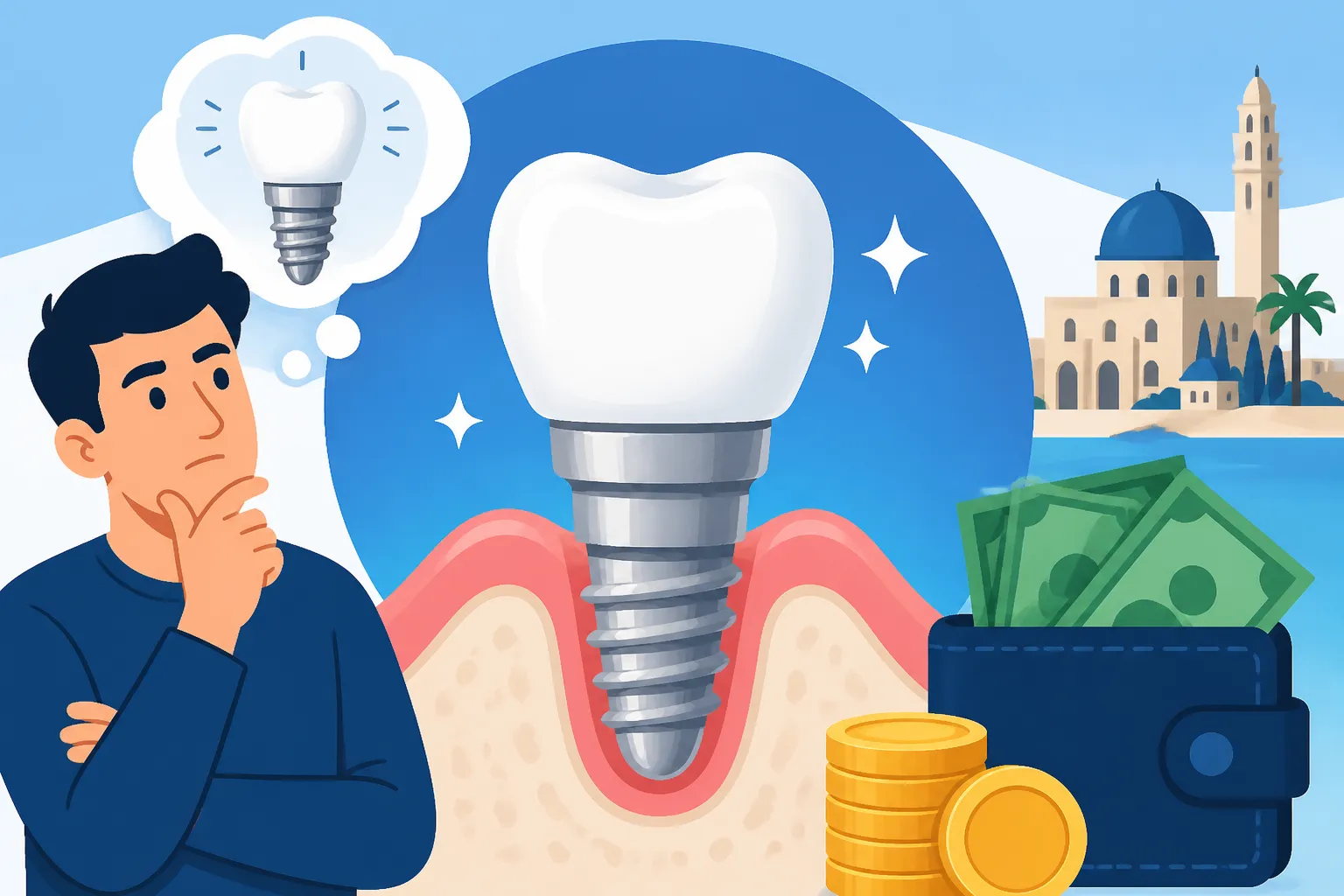
To understand the quote your dentist gives you, you need to see the individual parts of the bill. A dental implant is not just a "tooth"; it is a complex engineering project in your jaw. The first major cost is the implant itself—the titanium screw that acts as the root. Israel is actually a world leader in dental implant technology, with local brands like MIS and Alpha-Bio being used globally. These local options are often more affordable here than imported premium brands like Straumann or Nobel Biocare.
Surgical Procedures and Bone Grafting
Before the screw even goes in, many patients require a bone graft or a sinus lift. If you have been missing a tooth for a long time, the jawbone naturally recedes. Building that bone back up is a separate surgical procedure that can add 2,000 NIS to 5,000 NIS to your total bill. I have seen many newcomers get frustrated because the "initial quote" they got over the phone didn't include these essential preparatory steps. This is why getting a comprehensive CT scan and a physical consultation is non-negotiable.
The Abutment and the Crown
Once the implant has fused with your bone—a process that takes several months—you will need the abutment (the connector piece) and finally, the crown (the visible tooth). The material of the crown drastically changes the price. A porcelain-fused-to-metal (PFM) crown is the budget-friendly option, but many modern Israeli clinics prefer Zirconia for its durability and aesthetic appeal. Zirconia crowns can easily add 3,500 NIS or more to the total cost. Understanding Dental Care Coverage in Israel is vital here, as some insurance plans will only cover the most basic materials, leaving you to pay the difference for a high-end finish.
| Item | Estimated Private Cost (NIS) | Estimated Kupah Cost (with Gold/Platinum) |
|---|---|---|
| Initial Consultation & CT Scan | 400 – 800 | 0 – 150 |
| Single Titanium Implant (Surgery) | 3,000 – 5,500 | 1,800 – 2,500 |
| Bone Graft (Small) | 1,500 – 3,000 | 1,000 – 2,000 |
| Zirconia Crown | 3,000 – 4,500 | 2,000 – 3,000 |
| Total Estimated Range | 7,900 – 13,800 | 4,800 – 7,650 |
Navigating Insurance and Travel Coverage
One of the most stressful periods for any foreigner is the "gap" time—the weeks or months between arriving in Israel and having your Bituach Leumi and Kupat Holim fully active. During this time, you are effectively a tourist in the eyes of the healthcare system. If you have a dental emergency during this phase, the costs can be devastating. This is where a solution like SafetyWing can be a literal lifesaver. While standard travel insurance often excludes "elective" dental work like implants, SafetyWing provides a reliable safety net for acute dental pain and emergency stabilizations that might precede an implant.
For those living here on a B/1 work visa or waiting for Aliyah processing, SafetyWing offers the flexibility that traditional Israeli insurers often lack. Imagine you are hiking in the Golan and have an accident that knocks out a tooth. The immediate emergency care is what you need covered first. SafetyWing handles these high-stress situations with an ease that matches the expat lifestyle. Even after you are registered with a Kupah, many people keep SafetyWing for their international travels or for that extra layer of security while they are still navigating the complexities of the local system.
If you are a tourist or a temporary resident, you might be asking: Can Tourists Get Emergency Care in Israel? The answer is yes, but it will be entirely out-of-pocket and expensive unless you have a plan like SafetyWing to handle the unexpected. For those who are already established and looking for long-term savings, you should learn How to Find a Dentist That Offers Kupah Discounts in Tel Aviv? Many private dentists are actually "in-network" for the big health funds, meaning you get private-level service at subsidized prices.
Practical Advice for Managing the Procedure
Finding the right dentist in Israel is as much about cultural fit as it is about clinical skill. In Israel, the relationship with your doctor is often more direct and informal than in the US or the UK. Do not be afraid to ask for a breakdown of the materials they intend to use. A good dentist will be happy to explain why they chose a specific implant brand. If you are feeling overwhelmed, remember that you always have the right to seek more information. It is quite common to How Do I Get a Second Opinion in the Israeli Health System? when facing a procedure that costs several thousand shekels.
The Waiting Game: Osseointegration
The process is not fast. After the initial surgery, you will have a healing period of three to six months known as osseointegration. During this time, the titanium screw fuses with your jawbone. You will likely be given a "flipper" or a temporary bridge. Some clinics offer "immediate loading" (teeth in a day), but this is not suitable for everyone, especially if your bone density is low. If you are a new immigrant, check if you qualify for any specific benefits, as Understanding the Health Basket (Sal Briut) and What It Covers occasionally includes dental provisions for specific medical conditions or age groups.
Referrals and Specialists
In the Israeli system, you often need to move between different professionals. A general dentist might refer you to a periodontist or an oral surgeon for the actual placement of the implant. Understanding How to Get a Referral (Hafnaya) to a Specialist in Israel is key to ensuring that your Kupat Holim covers their portion of the bill. If you go directly to a specialist without the proper paperwork from your primary dentist, you might find yourself stuck with the full private rate.
Always ask about the "Aftercare." Israeli dentists are generally excellent, but the administrative follow-up can be "balagan" (chaotic). Ensure you have a written warranty for the implant and the crown. Most reputable clinics in Israel provide a 5-to-10-year warranty on the hardware itself. Given the Emergency Medical Care in Israel: What Every Newcomer Needs to Know, having your dental records clearly organized and knowing who to call on a Friday night (when everything is closed for Shabbat) is essential for your peace of mind.
Saving Money Without Sacrificing Quality
The "Israeli way" often involves a bit of negotiation or at least asking for a "discount for cash" or a payment plan (Tashlumim). Most private clinics are very used to breaking down a 10,000 NIS bill into 12 or 24 interest-free monthly payments on your Israeli credit card. This makes the high cost of dental implants much more manageable for a young family or a student.
Another tip is to look into university dental clinics, such as the one at Tel Aviv University or Hebrew University in Jerusalem. These clinics are staffed by students under the very close supervision of world-class professors. The prices here can be significantly lower, though the appointments tend to take much longer. It is a fantastic option for those who have more time than money.
Lastly, don't overlook the importance of your supplementary insurance tier. If you are currently on the "Silver" or basic tier of your Kupah, it is often worth upgrading to the "Platinum" or "Sheli" level and waiting the required qualifying period (usually 6 months) before starting your implant process. The thousands of shekels you save on the crown and surgery will far outweigh the increased monthly premium.
Disclaimer
The information provided in this guide is for informational and educational purposes only. Healthcare costs, insurance policies, and medical regulations in Israel are subject to frequent change. While every effort has been made to ensure accuracy, this article does not constitute professional medical or financial advice. Always consult with a qualified dental professional and your insurance provider to receive a personalized quote and treatment plan tailored to your specific needs.