How Do I Find a Paediatric Dentist in Jerusalem?
Finding a reliable pediatric dentist in Jerusalem often feels like a frantic race against time, especially when your child is in pain and you are struggling to navigate a Hebrew-heavy healthcare system. This guide simplifies the search by breaking down the differences between public and private care, offering specific local recommendations, and explaining exactly how to book an appointment today.
Understanding the Landscape of Pediatric Dentistry in Jerusalem
When you first move to Jerusalem, the medical system can feel like a labyrinth of acronyms and bureaucracy. The most important thing to understand is that pediatric dentistry in Israel is largely governed by the National Health Insurance Law. Under this law, basic dental care for children up to the age of 18 is included in the "Health Basket" (Sal Briut) and is provided for free or at a very low co-payment through the four main health funds. However, just because it is "included" doesn't mean finding a specific doctor is easy.
Jerusalem is a unique city with distinct neighborhoods, and where you live—whether it's the tech-heavy corridors of Malha, the leafy streets of Rehavia, or the bustling center of town—will dictate which clinics are most accessible to you. Most expats start their journey by looking into How Israel's Health Funds (Kupot Holim) Work: A Full Overview to understand which fund they belong to, as each fund (Clalit, Maccabi, Meuhedet, and Leumit) has its own network of dedicated dental clinics, often branded as "Clalit Smile" or "Maccabi Dent."
The challenge in Jerusalem is often the wait time. Because the public system is so affordable, the high-demand pediatric specialists (those who specifically handle toddlers, children with anxieties, or complex orthodontic needs) can have waiting lists that stretch for weeks or even months. This is why many veteran expats maintain a hybrid approach, using the public system for routine cleanings and check-ups while keeping a private specialist on speed dial for more sensitive procedures. If you are still in your initial waiting period for national insurance, services like SafetyWing can be a lifesaver for managing unexpected medical costs while you find your feet.
The Role of the Kupat Holim in Child Dental Care
Your first point of contact will almost certainly be your Kupah. In Jerusalem, Meuhedet has a massive presence, particularly in the city center and northern neighborhoods, while Maccabi and Clalit have large, modern hubs in areas like Givat Shaul and Talpiot. When you are Choosing a Kupat Holim in Israel: Clalit, Maccabi, Meuhedet or Leumit (2027), you should specifically ask about their pediatric dental facilities in Jerusalem. Some branches are much better equipped for children than others, featuring "child-friendly" waiting rooms and dentists who specialize in behavioral management.
The public system is excellent for preventative care. Fissure sealants, annual check-ups, and fluoride treatments are generally covered with zero out-of-pocket cost. However, the administrative side requires patience. You will need your child’s Teudat Zehut number (or passport number if they are not yet registered) to even begin the search process. For those who are not yet fully integrated into the national system, a nomad-friendly option like SafetyWing provides the necessary peace of mind during those first few chaotic months in the Holy City.
Private vs. Public: Making the Choice for Your Child
Deciding whether to go through the public system or a private clinic often comes down to the "English factor" and the urgency of the care. In the public clinics, you may find an English-speaking dentist, but the administrative staff and the digital interfaces are primarily in Hebrew. If your Hebrew isn't quite at the level where you can discuss the nuances of a root canal or sedation options, the private sector in Jerusalem offers a much smoother experience.
Private pediatric dentists in Jerusalem, particularly in neighborhoods like the German Colony or Rehavia, often trained in the US, UK, or South Africa. They understand the cultural expectations of expat parents and are usually much more flexible with scheduling. Of course, this comes at a higher price point. Understanding Public vs Private Healthcare in Israel: Which Should Expats Choose? is crucial here. While the public system is nearly free, a private pediatric consultation in Jerusalem can cost anywhere from 400 to 800 NIS, depending on the specialist's reputation.
Step-by-Step: Searching via Your Health Fund (Kupat Holim)
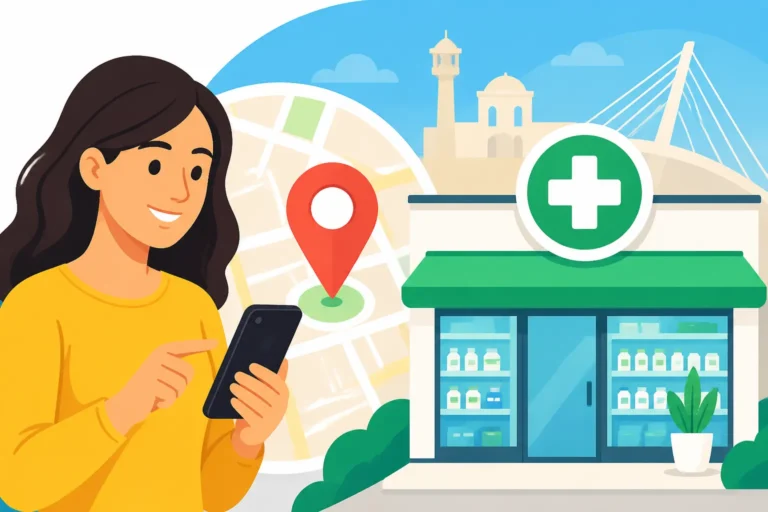
If you decide to stick with the public system, your smartphone is your best tool. Each of the major health funds has a dedicated app that allows you to filter by specialty and location. You are looking for a "Rofeh Shinayim Leyeladim" (Pediatric Dentist). This is a distinct specialty in Israel, requiring extra years of residency beyond general dentistry.
When you open the Clalit or Maccabi app, navigate to the dental section. You can filter by "Jerusalem" and then narrow it down by neighborhood. Look for the "Smile" or "Dent" icons. One pro tip I’ve learned after years in Jerusalem: if the app shows no appointments, call the clinic directly. Often, the digital system doesn't reflect last-minute cancellations, and the secretarial staff (Mizkirut) can sometimes squeeze in a "first aid" (Ezra Rishona) appointment if you explain that the child is in pain.
Navigating the Language Barrier on the Apps
Don't let the Hebrew interface intimidate you. Most apps now have a basic English toggle, though the search results for specific doctors often remain in Hebrew. You can use Google Lens to translate your screen in real-time. Knowing How to Book Appointments Through Clalit and Maccabi Apps can save you hours of frustration. If you find a name that looks promising, you can cross-reference it in local expat Facebook groups like "Living in Jerusalem" or "Jerusalem Mamas" to see if other parents have had good experiences with that specific practitioner.
The term "pedodontist" is what you are looking for in English, but in the Hebrew system, it’s all about the "Hafnaya" (referral). For some specialized treatments, like those requiring general anesthesia or deep sedation, the neighborhood clinic might refer you to a larger hospital center like Hadassah Ein Kerem or Shaare Zedek. These hospitals have world-class pediatric dental departments that handle the most complex cases in the country.
What to Expect During the First Visit
The first visit at an Israeli pediatric dental clinic is usually a "Bdidka" (examination). Unlike in some countries where they might do a cleaning on the same day, the Israeli system often separates the exam from the treatment. The dentist will take X-rays (Zilum) and create a "Tochnit Tipul" (treatment plan).
If you are using the public system, this plan will be uploaded to your digital file, and you will see the subsidized prices for each procedure. If you are visiting a private clinic, they will provide a printed quote. For families who are in Israel on a temporary basis or work visas, having The Expat Guide to National Health Insurance (Bituach Briut Mamlachti) in Israel handy will help you understand what you are entitled to. During these transitional periods, a plan from SafetyWing can help bridge the gap for any emergency dental issues that fall outside the scope of basic public coverage.
Going Private: Jerusalem's Top English-Speaking Options
For many expats, the peace of mind that comes with a native English-speaking dentist is worth the extra cost. Jerusalem has a high concentration of internationally-trained dentists. Areas like Emek Refaim and the streets surrounding the First Station (Hatachana HaRishona) are hotspots for private clinics that cater almost exclusively to the English-speaking community.
In these clinics, the environment is often much calmer than the high-volume Kupah centers. You’ll find toys, screens on the ceiling, and a much slower pace. This is particularly important if your child has dental anxiety. Many of these private specialists also offer "Laughter Gas" (Nitrous Oxide) or even more advanced sedation options that might have longer waiting lists in the public sector. SafetyWing is a great choice for those who are digital nomads or recently arrived in Jerusalem and haven't yet registered for a Kupah, as it offers a safety net for sudden medical needs.
How to Vet a Private Pediatric Dentist
When searching for a private doctor, don't just rely on their website. In Israel, word of mouth is king. Ask for recommendations in your local synagogue, community center, or school WhatsApp group. You want to ask specific questions: "How do they handle a screaming toddler?" "Do they explain the procedures in English to the child?" and "Are they transparent about their pricing?"
It is also wise to check if the private dentist has an agreement (Hesder) with any insurance providers. Even if they are private, some may allow you to claim a partial reimbursement if you have supplementary insurance through your health fund. You can learn more about this by reading Supplementary and Private Health Insurance in Israel: Options Explained. This "Bituach Mashlim" can often cover a significant portion of private surgical procedures if they are deemed medically necessary.
Cost Breakdown of Private Care in Jerusalem
Private care is a significant investment. A standard cleaning with a dental hygienist (Shinant) in a private Jerusalem clinic might cost 250-350 NIS, while a filling could range from 400 to 700 NIS. If your child needs a "crown" (Keter) for a baby tooth, expect to pay upwards of 800 NIS.
| Service Type | Public (Kupat Holim) | Private Clinic (Approx.) |
|---|---|---|
| Routine Check-up | Free (up to age 18) | 350 – 500 NIS |
| Dental X-rays | Free / Low Co-pay | 150 – 300 NIS |
| Professional Cleaning | Free (once a year) | 250 – 400 NIS |
| White Filling | Subsidized (approx. 30-50 NIS) | 400 – 700 NIS |
| Emergency After-Hours | Subsidized at "Moked" | 600 – 900 NIS |
For those without Israeli residency, these costs can add up quickly. This is why many foreigners living in the city rely on SafetyWing to cover unexpected medical emergencies while they navigate the local landscape. Understanding The Cost of Healthcare in Israel: A Complete Breakdown for Foreigners (2026) can help you budget for these essential services.
Practical Tips for a Stress-Free Visit in Jerusalem
Jerusalem is a busy city, and logistical stress can often spill over into your child's dental experience. If you are booking an appointment in the city center, remember that parking is notoriously difficult. Always leave 20 minutes earlier than you think you need to, or better yet, use the Light Rail (Rakevet Kala). The "Jaffa Center" or "HaTurim" stops are within walking distance of many major clinics.
Another tip is to prepare your child using "Medical Hebrew" terms. Even if the dentist speaks English, the assistants might not. Teaching your child that "Tiftach Peh" means "Open your mouth" can make the experience feel less foreign and scary. If you are dealing with a true crisis in the middle of the night, you need to know Emergency Medical Care in Israel: What Every Newcomer Needs to Know. Jerusalem has dedicated dental emergency centers (Moked) that operate when the regular clinics are closed.
Handling the "Israeli Style" of Healthcare
Israeli healthcare is world-class, but the bedside manner can be more direct than what you might be used to in the US or Canada. Don't be surprised if the dentist is very straightforward about what needs to happen. As a parent, you have the right to ask questions and slow things down. If you feel rushed, it’s perfectly okay to say, "I need a moment to explain this to my child in English."
In Jerusalem, you will also encounter a wide variety of cultural norms in the waiting room. It is a melting pot city, and the pediatric dental clinic is one of the few places where everyone—secular, Haredi, and Arab residents—meets. It can be loud and crowded. Bringing a tablet, headphones, or a favorite book can help your child stay in their own "bubble" before the appointment. If you are struggling with the transition, reading about Navigating the Israeli Healthcare System: An Expat's Roadmap (2027) can give you the cultural context you need to thrive.
Registering and Follow-Up
Once you find a dentist you like, make sure you are officially registered in their system. In the public system, you can usually "link" your child to a specific practitioner so that you don't have to explain their history every time. For new immigrants, knowing How Do I Register with a Kupat Holim After Making Aliyah? is the essential first step to accessing these benefits.
If you are a frequent traveler or a digital nomad spending a few months in Jerusalem, having a flexible plan like SafetyWing ensures that you aren't left stranded if a dental emergency occurs before your official Israeli paperwork is processed. Always keep a digital copy of your child's dental records, as moving between the private and public sectors is common in Jerusalem and having your own history will prevent unnecessary repeat X-rays.
Disclaimer
The information provided in this guide is for educational and informational purposes only and does not constitute professional medical or dental advice. Always seek the advice of a qualified healthcare provider in Israel regarding any medical condition or treatment. Prices and regulations mentioned are subject to change by the Israel Ministry of Health and the respective health funds. Under no circumstances should the information here be used to delay seeking professional medical help.