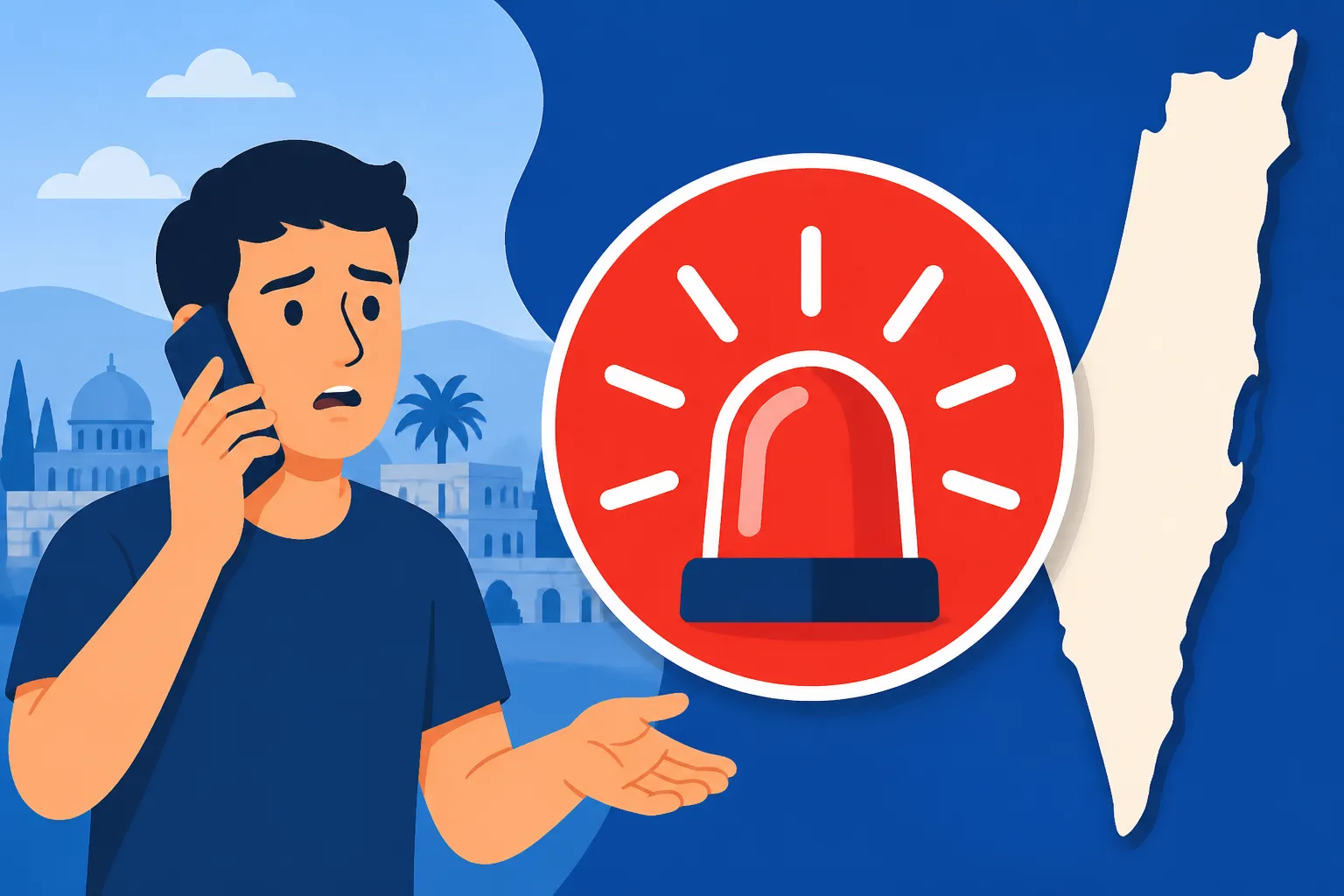
What Is the Emergency Phone Number in Israel?
Moving to Israel means embracing a vibrant culture and often a bit of chaos, but amidst the excitement, one crucial detail can cause genuine anxiety: knowing who to call when things go wrong. It’s a common frustration for expats and tourists alike, fumbling for the right number in a moment of panic. This comprehensive guide is designed to cut through that confusion, providing you with all the essential Israeli emergency phone numbers and what to expect when you need them most, so you can feel more secure in your new home or during your visit.
The Cornerstones of Israeli Emergency Services: Key Numbers to Know
Navigating an emergency in a foreign country can be daunting, especially with a language barrier. The first step to feeling prepared is knowing the core emergency numbers by heart. In Israel, these are distinct for different services, unlike some countries with a single universal number. It’s vital to understand each one’s purpose to ensure you get the right help promptly.
Police (Mishtera) – 100
When you envision an emergency, often the police are the first responders who come to mind, and in Israel, their number is a straightforward 100. This is your go-to for anything requiring law enforcement intervention, from reporting a crime in progress to dealing with a traffic accident. Don't hesitate to dial it if you feel unsafe or witness something suspicious.
For instance, imagine you're walking through Shuk HaCarmel in Tel Aviv, enjoying the bustling atmosphere, and suddenly realize your wallet has been pickpocketed. Your immediate call should be 100. They will ask for your location, a description of the incident, and any details about the perpetrator if you saw them. While the conversation might start in Hebrew, many operators, especially in major cities like Tel Aviv or Jerusalem, can connect you with an English speaker. Just try to say "English speaker, please" or "Anglit, b'vakasha." They are there to help, whether it's a minor theft, a more serious assault, or even a public disturbance. Remember, even if you’re unsure, it’s always better to call and let the professionals assess the situation. They can also be crucial if you're involved in a car accident, especially if there are injuries or significant damage, as they will help with documentation for insurance purposes.
Magen David Adom (MDA) for Medical Emergencies – 101
Magen David Adom, or MDA, is Israel's national emergency medical service, similar to an ambulance service in other countries. Their number, 101, is exclusively for medical emergencies where immediate professional help is required. This means situations ranging from severe injuries, heart attacks, strokes, uncontrolled bleeding, to serious allergic reactions. If you're wondering how to access hospital care at a Beit Holim in Israel, calling 101 is often the first step in a life-threatening situation.
When you dial 101, you'll be connected to a dispatcher who will quickly assess the severity of the situation. They'll need to know the patient's location (be as precise as possible with street names, building numbers, and even floor), the nature of the emergency, the patient's condition, age, and any other relevant medical history you might know. It’s like a rapid-fire interview designed to get help to you as fast as possible. They might even guide you through basic first aid over the phone until paramedics arrive. For anyone new to the country, understanding Magen David Adom and Emergency Response in Israel is fundamental. You'll often see their distinctive red star ambulances around, staffed by highly trained paramedics and EMTs. Keep in mind that calling an ambulance isn't always free, particularly for tourists or certain types of incidents, though serious emergencies are generally treated regardless of immediate payment. It's wise to be aware of the potential costs, even if secondary to the immediate need for care, as explored in the article How Much Does an Ambulance (Magen David Adom) Cost in Israel?.
Fire Department (Mekhabei Esh) – 102
While less frequently needed, the fire department's number, 102, is just as critical. This isn't just for raging infernos; you should call 102 for any fire, no matter how small it seems. A small electrical fire in your apartment, a burning smell from a neighbor's window, or even a brush fire in a nearby park all warrant a call to the fire department. They are trained to contain and extinguish fires, prevent their spread, and rescue people from hazardous situations.
Beyond actual fires, they also respond to other emergencies that involve dangerous materials, structural collapses, or situations where people are trapped. For example, if you smell a strong gas leak in your building, or if someone is trapped in a lift, the fire department might be the appropriate service to call, as they have specialized equipment and training for such rescues. When you call, clearly state that there's a fire or other hazard, provide the exact address, and mention if anyone is in immediate danger. Their rapid response can literally be the difference between a minor incident and a catastrophe. If you've just moved into your new home, you might have also read up on The Expat Guide to Setting Up Utilities in Israel, which often includes important safety tips related to electricity and gas – keep those in mind, and if issues escalate, 102 is your lifeline.
General Emergency (European Standard) – 112
Many European countries use 112 as a universal emergency number. In Israel, while 112 isn't the primary direct line to police, ambulance, or fire services, it can function as an alternative, particularly for those who might instinctively dial it or for tourists who are used to this number. It acts as a redirect service to the appropriate Israeli emergency response, routing your call to 100, 101, or 102.
While it's always best to use the direct numbers (100, 101, 102) for immediate, targeted help, if you're flustered or simply forget the specific Israeli numbers, dialing 112 will likely get you through to an operator who can then transfer you or direct you to the correct service. This can be especially helpful if you're not sure which service you need. For example, if you see a car accident and aren't sure if it's a police matter, a medical emergency, or a fire hazard, 112 might feel like a safer first step, letting the operator guide you. However, understand that this adds an extra step and potentially a slight delay in getting direct help, so if you know exactly which service you need, stick to their dedicated number.
What to Expect When Calling an Israeli Emergency Service
Making an emergency call anywhere is stressful, but doing it in a new country adds layers of complexity. Understanding what to expect on the other end can help you maintain composure and ensure you get the help you need efficiently. Israeli emergency services are professional, but knowing their process can smooth the interaction considerably.
Language Barrier Challenges and Solutions
Let's be real: one of the biggest anxieties for many expats and tourists in an emergency is the language barrier. While Israel is a country with many English speakers, especially in major cities like Tel Aviv and Jerusalem, and amongst younger generations, you cannot always assume the emergency operator will be fluent in English. Many operators will speak some English, but relying on complex explanations might be difficult.
Your first step if the operator doesn't immediately respond in English is to simply say "English speaker, please" or "Anglit, b'vakasha" (the Hebrew word for 'please'). Most call centers have English-speaking staff or access to translation services, and they will usually connect you. If not, try to use very simple, direct English words. Point to keywords like "Police," "Ambulance," "Fire," "Accident," "Help," "Danger." If you're with someone who speaks a little Hebrew, even a few key phrases can make a difference. Having a small list of essential Hebrew emergency phrases written down or on your phone could be a lifesaver. This is part of the larger challenge of Navigating the Israeli Healthcare System: An Expat's Roadmap (2027), where language often plays a significant role in accessing services.
In a truly dire situation where communication is impossible, consider handing your phone to a passerby who might be able to translate. Israelis are generally very helpful in emergencies. Another pro-tip: If you have a specific travel insurance like SafetyWing, their emergency assistance services might offer translation support as part of their package, which can be invaluable in a crisis.
Providing Crucial Information
Regardless of the language, the most critical information you need to convey is your location and the nature of the emergency. Emergency services cannot help you if they don't know where you are or what's happening.
- Location, Location, Location: This is paramount. Provide the full street address, including the building number, apartment number, and even the floor if you know it. If you're outside, try to give cross streets, specific landmarks (a famous building, a unique store, a park name), or even the nearest bus stop. If you have location services on your phone, sometimes emergency services can pinpoint your location, but don't rely solely on that. The more details you can give, the faster help will arrive. This is why when you Registering Your Address with the Population Authority in Israel, knowing your precise address becomes second nature and is so important.
- Nature of Emergency: Be concise and clear. Is it a fire? A car accident? Someone collapsed? A break-in? "My friend fell and hit their head" is better than a vague "We need help."
- Number of People Involved: This helps them dispatch appropriate resources. Are there one, two, or multiple injured parties?
- Your Name and Contact Number: They might need to call you back for more information or to confirm arrival. Make sure your phone is charged and available.
- Additional Details: Any other information that might be relevant – is the person conscious? Are they breathing? Is there smoke? Is anyone trapped?
Practice these points in your head. The more prepared you are, the more effectively you can communicate when panic sets in.
Staying Calm and Following Instructions
It’s easier said than done, but remaining as calm as possible is crucial. The emergency operator is trained to guide you, and your ability to listen and follow their instructions can significantly impact the outcome. They might ask you to stay on the line, provide updates, or even perform basic actions.
They might give you advice on how to handle the situation while help is en route – for example, how to apply pressure to a wound, how to clear an airway, or what steps to take if there's a fire. Listen carefully and do your best to comply. Don't hang up until they tell you to, as they might need to confirm details or provide further guidance. Even if you're struggling with the language, a calm tone and simple affirmative nods (if on video, though calls are usually audio) or "yes" can convey your understanding. Remember, they are professionals whose sole goal is to get you the help you need, so trusting their lead is key. For more in-depth preparation for health crises, you might want to look at Emergency Medical Care in Israel: What Every Newcomer Needs to Know.
Beyond the Main Numbers: Other Important Contacts and Considerations
While 100, 101, and 102 cover the most critical, life-threatening scenarios, there are other situations where you might need emergency or urgent assistance that don't quite fit into those categories. Knowing these additional contacts can save you time and stress, ensuring you reach the right department for your specific issue.
Emergency Numbers for Specific Situations
Not every crisis requires the police, an ambulance, or the fire department. Sometimes, the emergency is related to infrastructure, public safety, or specific social services.
- Electricity Company (Chevrat HaChashmal) – 103: If you experience a power outage, exposed wires, or any electrical hazard that isn't causing a fire (in which case you'd call 102), your first call should be 103. They handle all electrical infrastructure issues and can dispatch technicians. This is a common call for new residents learning about How to Set Up Electricity (Chevrat HaChashmal) in Your Israeli Home.
- Gas Company (Hotline differs by provider): If you suspect a gas leak or have issues with your gas supply, look for the emergency number of your specific gas provider (e.g., Supergas, Pazgaz, Amisragas). This number is usually printed on your gas bill or the gas tank itself. A gas leak can be extremely dangerous, so prioritize this call immediately, and if there's any sign of fire or explosion, dial 102 simultaneously.
- Municipal Hotlines (Moked עירוני): Most Israeli cities and local councils have a 106 or similar three-digit hotline for municipal emergencies. These include issues like burst water pipes in public areas, fallen trees, dangerous road conditions, stray animals, or severe sanitation problems. The number often varies slightly by city (e.g., Tel Aviv has 106, Jerusalem has 106, other cities might have similar easy-to-remember numbers or a specific full number), so it's worth checking your local municipality's website or asking a neighbor for the specific "Moked" (hotline) number in your area.
- Child Welfare (118): For suspected child abuse or neglect, this national hotline connects you to welfare services who can investigate and intervene.
- Poison Control Center (Moked Har'alot – 1-800-333-333): This number connects you to experts at Rambam Medical Center in Haifa, available 24/7, for advice in cases of poisoning, drug overdose, or exposure to toxic substances. They can provide immediate guidance on what to do.
It’s a good idea to create a personalized list of these numbers and keep them handy, perhaps taped to your fridge or saved in your phone's favorites.
When to Not Call Emergency Services
While it’s always better to be safe than sorry, it's equally important to understand when not to burden the primary emergency services with non-urgent matters. Misusing 100, 101, or 102 can divert critical resources from genuine emergencies, potentially putting lives at risk.
- Non-Life-Threatening Medical Issues: For minor ailments, common colds, routine check-ups, or prescription refills, do not call 101. Instead, contact your Kupat Holim (health fund) clinic, family doctor, or a walk-in urgent care center. Every Kupat Holim like Clalit, Maccabi, Meuhedet, or Leumit has its own appointment booking system, often through apps or websites, and after-hours clinics. Understanding the Israeli healthcare system means knowing how to differentiate between true emergencies and issues that can wait for a general practitioner, especially if you're not facing an immediate threat to life. For example, if you wake up with a high fever but no other alarming symptoms, calling How to Choose a Family Doctor (Rofeh Mishpacha) in Israel would be more appropriate than 101. If you're wondering What Happens If I Get Sick Before My Kupah Registration Is Complete?, you might need to seek private care, but still, 101 is only for the most dire situations.
- Lost Property or Minor Disputes: If you've lost your phone, had a bicycle stolen without a confrontation, or are having a non-violent dispute with a neighbor, calling 100 might be an overreaction. For lost items, check with local authorities or security in shopping centers. For minor incidents or to file a report after the fact, it's often better to go to your local police station during business hours, or use their online reporting services if available.
- General Information: Emergency lines are not for asking directions, finding out store hours, or general administrative questions. Use Google, local directories, or tourist information centers for such queries.
Using the correct channel ensures that genuine emergencies receive the fastest response, something vital for the overall well-being of the community.
The Role of Travel Insurance (e.g., SafetyWing)
For expats, new olim, and especially tourists, having appropriate insurance is not just a good idea; it's a critical safety net, particularly when it comes to the financial implications of emergencies. While Israel's national health insurance system, Bituach Briut Mamlachti, covers residents, visitors and those in waiting periods might not be fully covered.
This is where a robust travel insurance plan, like those offered by SafetyWing, comes into play. Such plans are designed to cover unexpected medical expenses, emergency evacuations, and other travel-related incidents that fall outside the scope of public healthcare or that occur before your full integration into the Israeli system. For instance, if you're a tourist and need emergency medical attention, or if you require an expensive medical evacuation back to your home country, SafetyWing could cover these substantial costs, offering immense peace of mind. They can also assist with emergency translation services, lost baggage, or even travel interruptions, which can be a significant relief during an already stressful emergency. Many expats arriving in Israel opt for such private plans during their initial months, as there can be waiting periods before full eligibility for the public system kicks in. Understanding supplementary insurance (Bituach Mashlim) from your Kupah is also crucial for residents, but for initial arrivals and non-residents, travel insurance is often the primary financial safeguard. Knowing Can Tourists Get Emergency Care in Israel? clarifies that while care will be provided, the costs can be substantial without proper insurance.
Here's a quick reference table for the main emergency numbers in Israel:
| Service | Phone Number | When to Call | Notes |
|---|---|---|---|
| Police | 100 | Crimes in progress, theft, assault, traffic accidents, suspicious activity. | Many operators can connect you with an English speaker. |
| Magen David Adom | 101 | Medical emergencies (heart attack, stroke, severe injury, uncontrolled bleeding). | Israel's national ambulance service. Be ready with precise location. Costs may apply for non-residents. |
| Fire Department | 102 | Fires (any size), gas leaks, structural collapse, trapped persons. | Essential for fire safety and rescue operations. |
| General Emergency | 112 | If you forget 100/101/102, or are unsure which service is needed (routes calls). | Adds an extra step; prefer direct numbers if known. |
| Electricity Company | 103 | Power outages, exposed wires, electrical hazards (not causing fire). | For infrastructure issues, not immediate fire threats. |
| Child Welfare | 118 | Suspected child abuse or neglect. | Connects to social welfare services. |
| Poison Control | 1-800-333-333 | Poisoning, overdose, exposure to toxic substances. | Provides immediate expert medical advice. |
| Municipal Hotline | 106 | Local urban emergencies (burst pipes, fallen trees, dangerous road conditions). | Number may vary slightly by city. |
Having these numbers and this knowledge at your fingertips is a fundamental part of feeling settled and safe in Israel. While we all hope to never need them, knowing you’re prepared can make all the difference.
Disclaimer
Please note that while this guide provides comprehensive information, emergency services and regulations can change. Always verify critical information with official sources or local authorities. This content is for informational purposes only and does not constitute professional advice.