Can I Apply for an Israeli Retirement Visa?
One of the most common misconceptions I hear from expats considering Israel for their golden years is the idea of a straightforward "retirement visa." While many countries offer specific pathways for retirees to settle down, Israel's immigration system, often intricate and unique, doesn't quite work that way. This guide will meticulously unpack the reality of moving to Israel for retirement, explaining the available (and often challenging) avenues for long-term residency.
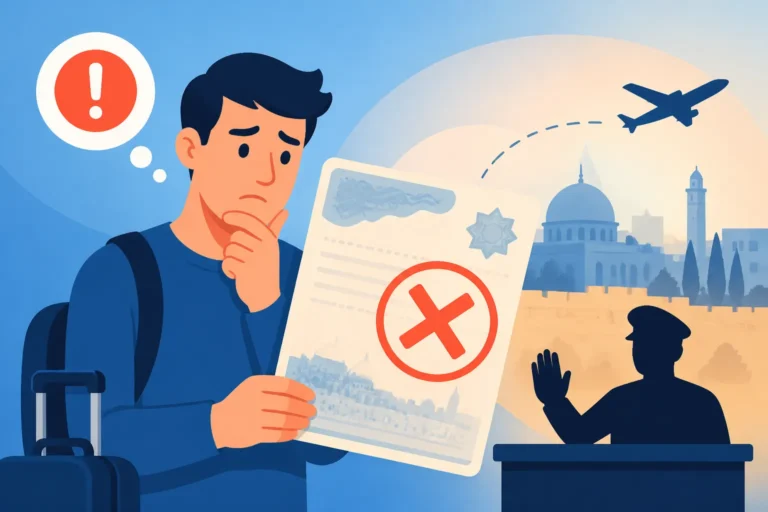
The Reality: No Dedicated Israeli Retirement Visa
Let's cut right to it: Israel does not have a specific, dedicated "retirement visa" category in the same vein as countries like Portugal, Spain, or Costa Rica. This can be a significant point of frustration for many non-Jewish individuals who dream of spending their golden years in the Holy Land but don't qualify under the Law of Return. The Israeli immigration system is primarily geared towards strengthening the Jewish population through Aliyah, or for those with specific employment, academic, or family ties.
For those who aren't eligible for Aliyah, the path to long-term residency in retirement becomes significantly more complex, often requiring persistent engagement with the Ministry of Interior (Misrad HaPnim) and potentially relying on temporary, renewable permits that offer less stability than a true retirement visa. It's a journey that demands patience, meticulous documentation, and often, professional legal guidance to navigate the bureaucratic maze. Don't be disheartened, though; understanding the landscape is the first step towards finding your footing.
Navigating the Primary Pathways for Retirees
Since a dedicated retirement visa doesn't exist, potential retirees must explore other established visa categories, each with its own specific criteria and challenges. The most viable options depend heavily on your personal circumstances, such as your Jewish heritage, family connections, or other unique situations.
Aliyah: The Most Direct Route for Jewish Retirees
For individuals who qualify under the Law of Return (Chok HaShvut), making Aliyah is undoubtedly the most direct and streamlined path to permanent residency and citizenship in Israel, offering a host of benefits designed to ease your integration into society. This path is open to Jews, children and grandchildren of Jews, and their spouses, regardless of whether they themselves are considered Jewish under Orthodox halakha.
- Eligibility and Benefits: If you or your immediate family (parents, grandparents) have Jewish lineage, you likely qualify. Once you make Aliyah, you immediately become an Israeli citizen and are entitled to a suite of benefits, including an "absorption basket" (Sal Klita), assistance with housing, Hebrew language classes (Ulpan), and crucially, access to Israel's comprehensive national health insurance system. This vastly simplifies life for retirees, providing a stable legal status and essential support services. To understand the full scope of this, it's worth exploring The Complete Guide to Making Aliyah and Israeli Citizenship and Understanding Aliyah Eligibility Under the Law of Return.
- The Process: The Aliyah process typically begins with applying through the Jewish Agency or Nefesh B'Nefesh in your home country. They guide you through the documentation required, which can be extensive, proving your eligibility. Upon arrival in Israel, you'll formalize your Aliyah status, receive your Teudat Oleh (New Immigrant Certificate) and start the process of getting your Teudat Zehut (Identity Card) at the Misrad HaPnim. While the process is designed to be supportive, it still involves bureaucracy, and being organized is key.
Family Reunification: For Spouses and Parents of Israeli Citizens
If you are not eligible for Aliyah but have immediate family members who are Israeli citizens (spouse, parent, or sometimes child), you might have a path to residency through family reunification. This process is designed to keep families together but is known for being lengthy, complex, and sometimes emotionally taxing.
- Spousal Visas: If you are married to an Israeli citizen, you can apply for a tiered process that eventually leads to permanent residency and potentially citizenship. This is known as the "Graduated Process" (Medregi) and involves multiple stages of temporary visas (A/5), interviews, and renewals over several years, designed to verify the authenticity of the relationship. It's a tough road, requiring constant vigilance and patience, but it is a well-trodden path for many non-Jewish spouses. For detailed information, see Family Reunification and Spousal Visas in Israel: A Complete Guide.
- Parental Visas (Humanitarian): For elderly parents of Israeli citizens, there might be a possibility for a humanitarian visa (A/5 temporary residence permit), though this is exceptionally rare and usually reserved for cases of extreme hardship where the parent has no other family support and the Israeli child is their sole caregiver. These cases are handled on an individual basis by the Ministry of Interior and require compelling evidence of the humanitarian need. The general rule is that parents are expected to live in their home countries, so proving exceptional circumstances is paramount.
Temporary Residence (A/5) on Other Grounds
The A/5 Temporary Residence Visa is a catch-all category for those who are granted long-term residency in Israel on various grounds, but are not citizens. While it’s not a "retirement visa," it can sometimes be granted to individuals with significant ties to Israel, for example, those who have lived there for many years on other visa types (like B/1 work visas or A/2 student visas) and have established deep roots and contributions to Israeli society. However, this is typically not a route initiated purely for retirement.
- Exceptional Circumstances: Acquiring an A/5 visa without a direct Aliyah or spousal connection is usually reserved for exceptional cases, often requiring an experienced immigration lawyer to make a compelling argument to the Misrad HaPnim. This could include long-term residents who have continuously held legal status, contributed significantly, and now face a situation where returning to their country of origin would cause undue hardship. These situations are assessed on a case-by-case basis and are far from guaranteed. You can learn more about this general category by reading Understanding the A/5 Temporary Residence Visa in Israel.
- Proof of Sustenance: For any A/5 visa, especially for retirees, demonstrating financial independence is absolutely critical. The Israeli government wants to ensure you will not become a public charge. This means providing extensive proof of stable income (pensions, investments), savings, and often a commitment from family in Israel to support you financially if necessary.
Long-Term Tourist Visa Extensions (B/2): A Short-Term Stopgap
For those who don't fit any of the above categories, the only immediate option is often to enter Israel on a B/2 tourist visa and then try to extend it. While this might seem like a straightforward solution, it comes with significant limitations and is generally not a sustainable long-term retirement plan.
- Limitations: A B/2 visa does not permit you to work, nor does it typically grant access to national health insurance or other social benefits. Extensions are granted at the discretion of the Misrad HaPnim, usually for periods of a few months at a time, and often require you to show significant funds to support yourself and demonstrate your intent to eventually leave the country. The Misrad HaPnim is increasingly reluctant to grant multiple, consecutive extensions without a very compelling reason. This is not designed to be a permanent solution. For more on this, check out How Long Can I Stay in Israel on a Tourist Visa?.
- Uncertainty: Relying on B/2 extensions means living with constant uncertainty. Each renewal is a hurdle, and there's always the risk of being denied and required to leave. This can be incredibly stressful, especially for retirees seeking peace of mind.
Key Considerations for All Prospective Retirees
Regardless of which pathway you might be pursuing, there are universal challenges and considerations that every expat retiree needs to address when planning a move to Israel. These are not minor details; they are fundamental to your well-being and successful integration.
Financial Independence: The Non-Negotiable Requirement
For any non-Aliyah route, proving you are financially self-sufficient is paramount. The Israeli government is not in the business of supporting foreign retirees who do not have a clear legal entitlement to residency. You will need to show ample evidence of:
- Pension Income: Proof of foreign pensions, social security, or other regular retirement income.
- Savings and Investments: Bank statements, investment portfolios, and other assets that clearly demonstrate your ability to cover your living expenses for the foreseeable future.
- Local Bank Account: While not strictly a requirement for the initial visa application, you'll eventually need to open an Israeli bank account to manage your finances. This can be surprisingly tricky as a non-resident. To get ahead, read The Expat Guide to Opening a Bank Account in Israel.
- Cost of Living: Be realistic about Israel's cost of living. Major cities like Tel Aviv and Jerusalem are among the most expensive in the world. Even smaller cities like Netanya or Haifa can be pricey. Your pension might go a lot further in your home country. For a realistic overview, refer to The Complete Guide to Cost of Living in Israel for Expats (2026).
Healthcare Access and Insurance: A Lifelong Necessity
Healthcare is a huge concern for anyone, but especially for retirees. Israel has an excellent healthcare system, but access for non-citizens needs careful planning.
- National Health Insurance: Olim (new immigrants) gain immediate access to Israel's national health insurance system (Kupot Holim) after a short waiting period. This is a massive benefit. However, non-Aliyah residents, especially those on temporary visas or B/2 extensions, usually do not have automatic access.
- Private Health Insurance: If you don't qualify for national health insurance, securing robust private health insurance is non-negotiable. This isn't just a recommendation; it's often a visa requirement. International providers like Cigna Global offer comprehensive plans that can cover you in Israel, but they come at a significant cost, especially as you get older. You cannot rely on emergency room visits for routine care. Understanding the options for Supplementary and Private Health Insurance in Israel: Options Explained and the broader context of The Complete Guide to Healthcare in Israel for Olim and Expats (2027) is vital. Be prepared for high premiums. For a full cost breakdown, see The Cost of Healthcare in Israel: A Complete Breakdown for Foreigners (2026).
The Bureaucracy of the Misrad HaPnim
Dealing with the Ministry of Interior (Misrad HaPnim) is a rite of passage for every expat in Israel, and it's rarely a pleasant one. For retirees seeking long-term residency, it can be particularly daunting.
- Patience and Persistence: Appointments can be hard to get, waiting times can be long, and requirements can seem to change depending on who you speak to. Bring every document you can imagine, and then some. Make copies of everything.
- Language Barrier: If you don't speak Hebrew, navigating the Misrad HaPnim can be even more challenging. Bring a Hebrew-speaking friend or hire a professional to assist you. To schedule appointments, understanding How to Book an Appointment at the Misrad HaPnim for Visa Matters is crucial.
- Legal Counsel: For complex cases (especially non-Aliyah or non-spousal A/5 visas), hiring an Israeli immigration lawyer is highly recommended. They can navigate the legal intricacies, prepare your application, and advocate on your behalf, significantly increasing your chances of success.
Finding a Home and Community
Beyond the legalities, think about where you'll live and how you'll integrate.
- Renting vs. Buying: Renting is the most common path, and it has its own complexities, including deposits and contracts. The Complete Guide to Renting an Apartment in Israel (2027) can help you get started. Buying property is a whole different ballgame.
- Community: Israel offers vibrant communities, but finding your niche is important. Many English-speaking communities exist, particularly in places like Tel Aviv, Jerusalem, Ra'anana, or Netanya. Consider visiting different areas before committing.
- Moving Logistics: The practical side of moving your life can be overwhelming. When planning your international relocation, especially as a retiree, considering services like Sirelo can help you compare reputable international movers and manage the complex logistics of shipping your belongings and personal items to Israel.
Table: Comparison of Retirement Pathways in Israel
| Pathway | Eligibility | Stability & Benefits | Key Challenges |
|---|---|---|---|
| Aliyah | Jewish heritage (Law of Return) | Full citizenship, national health, absorption benefits | Extensive documentation for proof of Jewishness |
| Spousal Visa | Married to an Israeli citizen | Path to permanent residency/citizenship, national health access over time | Multi-year, multi-stage "Graduated Process," Misrad HaPnim interviews |
| A/5 Temporary | Humanitarian, exceptional ties (rare for new retirees) | Renewable temporary residence, potential for extension | Extremely difficult to obtain without prior long-term ties or extreme hardship; high burden of proof |
| B/2 Tourist Ext. | Any visitor (initially), discretion of Misrad HaPnim | Short-term, temporary stay (months at a time) | No work permit, no national health, constant uncertainty, limited extensions |
Making an Informed Decision
Deciding to retire in Israel is a monumental step, filled with emotional, cultural, and administrative hurdles. For those eligible for Aliyah, the process is comparatively straightforward, offering a welcoming embrace into Israeli society and its support structures. However, for non-Jewish individuals without direct family ties, the absence of a dedicated retirement visa means a much steeper climb.
It’s crucial to approach this decision with open eyes and a realistic understanding of the challenges. Explore every potential legal pathway, gather all your documents, and be prepared for extensive bureaucracy. Consulting with an Israeli immigration lawyer well in advance can provide invaluable guidance and clarify which, if any, options are truly viable for your specific situation. This isn't just about moving; it's about building a stable and secure life for your retirement years.
Disclaimer
The information provided in this guide is intended for general informational purposes only and does not constitute legal or professional advice. Israeli immigration laws and regulations are complex and subject to change. It is strongly recommended to consult with a qualified Israeli immigration lawyer or the relevant government authorities for personalized advice regarding your specific situation before making any decisions related to visa applications or residency in Israel.