Can I Open an Israeli Bank Account Online?
Moving to Israel often feels like stepping back in time when it comes to certain administrative processes, and banking is definitely one of them. Many newcomers, especially those accustomed to seamless digital services back home, naturally wonder if they can just get their finances sorted online. This guide is here to lay out the realistic landscape of opening an Israeli bank account digitally and offer practical advice for navigating the system.
The Reality Check: Can You Really Open an Israeli Bank Account Online?
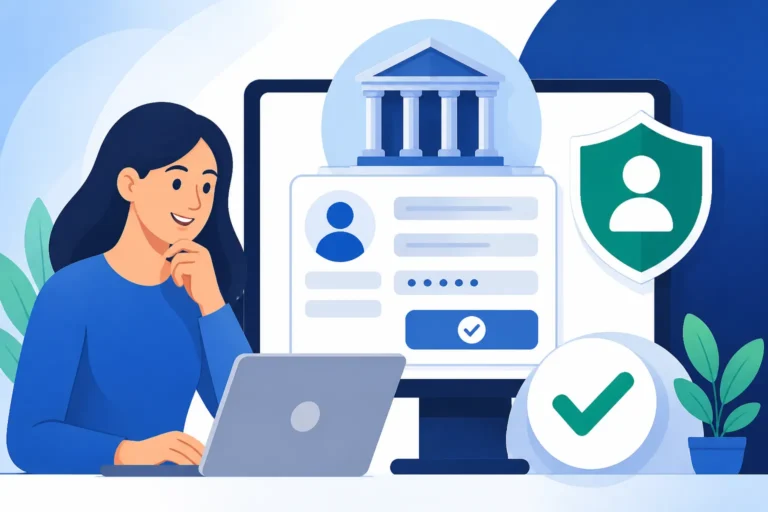
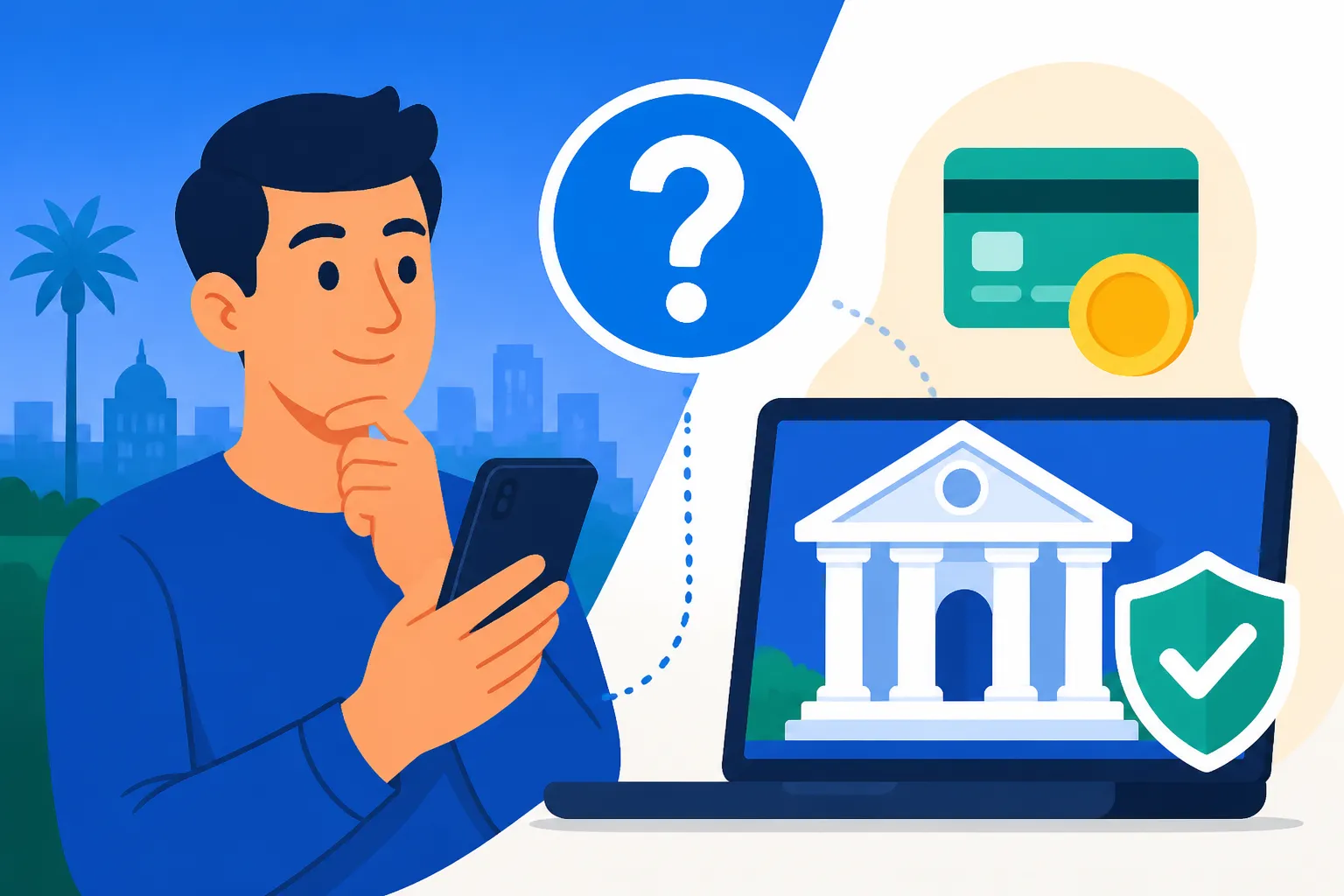
Let's cut right to the chase, because I know you're probably juggling a dozen other tasks while reading this: For most new olim, temporary residents, or those on work visas, the short answer is no, you cannot fully open an Israeli bank account entirely online from start to finish. I know, I know. It's frustrating, especially in a country so famous for its tech innovation. You can apply for credit cards or loans after establishing a relationship, but the initial account opening almost always requires a face-to-face meeting.
It’s a common misconception, given how digital banking has advanced in many other parts of the world. In Israel, the banking system still leans heavily on traditional, in-person verification processes, particularly for new customers, and even more so for those without a full Israeli ID (Teudat Zehut) or established residency. While some local banks might allow existing Israeli customers to open additional accounts or apply for certain services through their apps or websites, this privilege rarely extends to expats just arriving. The banking institutions prioritize rigorous identity checks and compliance with anti-money laundering (AML) regulations, which means they prefer to see your smiling, or perhaps slightly exasperated, face in person. This isn't just about being old-fashioned; it's deeply ingrained in their operational philosophy and regulatory framework.
Why the Digital Door is Often Shut: Understanding Israeli Banking Culture and Regulations
The reasons behind Israel's mostly in-person banking requirement are a mix of historical practices, strict regulations, and a particular approach to security that can feel very different from what you're used to. It's not designed to be difficult, but it certainly can feel that way.
The Emphasis on In-Person Verification
Think of it this way: when you walk into a branch, the bank representative isn't just taking your documents; they're verifying your identity, asking questions, and making sure you understand the terms, often in an almost parental way. This personal touch, while sometimes slow, is a cornerstone of how Israeli banks operate. They want to put a face to the name, especially when dealing with foreign passports and new immigration statuses. This isn't just for their peace of mind; it's a critical part of their due diligence. For instance, new immigrants (olim chadashim) often have unique circumstances, and banks want to ensure everything is above board from day one. You can learn more about this process in our guide, "The Expat Guide to Opening a Bank Account in Israel".
This verification extends beyond just your passport. They'll want to see your visa, your "Oleh" certificate if you've made Aliyah, and often proof of address, even if you just arrived. The initial conversation also helps them understand your financial needs and assess any potential risks. It's a system built on personal interaction and caution, which for better or worse, means fewer shortcuts via a laptop screen.
Regulatory Requirements and Anti-Money Laundering Laws
Israel has robust anti-money laundering (AML) and counter-terrorism financing (CTF) laws, similar to many Western countries, but often applied with a more conservative approach in practice. For new foreign residents, this translates into a higher level of scrutiny. Banks need to confirm the source of your funds, understand your financial activities, and ensure compliance with international standards. Opening an account online would make these checks significantly harder, as it removes the direct human element.
This is why, when you sit down with a bankai (banker), they'll go through a detailed questionnaire. They're trying to establish your financial profile and ensure they're not opening an account for someone who might pose a risk. This diligence is particularly important when dealing with large international transfers, which many expats will do when relocating. While it might seem like an endless parade of questions, it's all part of the bank's responsibility to adhere to these strict regulations set by the Bank of Israel. It's also why having all your documents in order, from your passport to your visa and even a local phone number, is absolutely critical.
The In-Person Journey: Your Step-by-Step Guide to Opening an Account
So, while fully online might be a no-go, preparing for your in-person visit can significantly smooth out the process. This isn't just about showing up; it's about strategizing your visit to a branch.
Choosing Your Bank and Preparing Documents
Before you even step foot into a bank, do your homework. Major banks like Bank Leumi, Bank Hapoalim, and Discount Bank all have branches throughout Israel, and some are more expat-friendly than others. You might find branches in larger cities like Tel Aviv or Jerusalem that have English-speaking staff, which can be a huge relief. Our article on "How to Choose the Best Bank for Expats in Israel" delves into this further.
Here’s a crucial list of documents you’ll almost certainly need:
- Passport: Your foreign passport, valid for at least six months.
- Visa/Entry Stamp: Proof of your legal status in Israel (e.g., A/1, B/1 work visa, Oleh visa).
- Teudat Zehut (Israeli ID Card) or Teudat Oleh: If you’ve made Aliyah, your Oleh certificate and the temporary blue ID slip from Misrad HaPnim are essential. If you're on another visa, you might not have a Teudat Zehut yet, which can complicate things slightly but isn't a deal-breaker. However, getting your How to Get a Teudat Zehut and Tax File Number in Israel is a top priority for all aspects of life here.
- Proof of Address: This is often the trickiest part for new arrivals. A rental contract (chozeh schirut) in your name, a utility bill addressed to you (even if it’s from a temporary rental), or a letter from your employer confirming your local address might suffice. If you're staying with family or friends, a notarized letter from them along with their proof of address could work, but it’s less ideal.
- Israeli Phone Number: Banks need a local number to contact you. Make sure you have one set up.
- Source of Income/Funds: Be prepared to explain where your money is coming from. If you have an employment contract, bring it. If you're self-employed, bring documents supporting that. If you're transferring funds from abroad, they might ask for statements from your foreign bank.
- Tax Information: Your tax file number (if you have one) and details about your tax residency in your home country.
I can't stress enough how important it is to bring originals and copies of everything. And always, always make an appointment. Walking in might work, but you'll likely face long waits and potentially be turned away if no English-speaking staff are available.
The In-Branch Experience: What to Expect
Once you’ve got your appointment and your mountain of documents, head to the bank. It's an experience in itself. Expect questions, some of which might feel intrusive. They'll ask about your purpose for opening the account, your employment status, your expected transaction volume, and where your funds originate. Don't be surprised if they also ask about your connection to Israel, especially if you're not an Oleh. They're trying to build a picture of your financial life.
You'll fill out a fair amount of paperwork, most of which will be in Hebrew. If you don't speak Hebrew, ask if they have English forms or if the representative can translate. It’s absolutely vital that you understand what you're signing. Don't be shy about asking for clarification, even if it feels like you're holding up the line. This is your money, your financial future in Israel, so take your time.
Once the account is opened, you'll typically get a temporary debit card and instructions on how to set up online banking and the bank's app. This is where the digital aspect finally kicks in! You can then start managing your money, making transfers, and paying bills online. For understanding the broader financial landscape, especially your obligations, check out our guide on The Complete Guide to Taxes in Israel for Olim and Expats (2027).
Bridging the Gap: Online Tools and What You Can Do Digitally
Even though the initial hurdle requires a physical presence, there are many digital tools and strategies that expats can use to manage their money, especially for international transactions, both before and after they establish an Israeli bank account.
International Money Transfer Services
Before you have a local Israeli bank account, or if you need to transfer significant sums from abroad, services like Wise (formerly TransferWise) are invaluable. They allow you to send money internationally with lower fees and better exchange rates than traditional banks, and often with faster processing times. You can set up an account and initiate transfers online, linking it to your foreign bank account, and then eventually directing funds to your new Israeli account once it’s open.
This is particularly useful for initial relocation costs, sending money to a temporary rental, or just having access to funds while you're still in the process of getting your local finances set up. Many expats rely on these services heavily in their first few months in Israel. They offer a necessary bridge over the initial banking gap.
Online Banking and Mobile Apps (After Account Opening)
Once your Israeli bank account is officially open, the digital world does open up significantly. All major Israeli banks – Bank Hapoalim, Bank Leumi, Discount Bank, Mizrahi-Tefahot, and First International Bank – have robust online banking platforms and mobile apps. These allow you to:
- Check Balances and Transactions: Keep track of your money in real-time.
- Pay Bills: Set up recurring payments for utilities like electricity, water, and internet directly from your account. You can learn more about How to Set Up Electricity (Chevrat HaChashmal) in Your Israeli Home and other utilities.
- Transfer Money: Easily move funds between your accounts, to other Israeli accounts, or even set up international transfers (though often with higher fees than dedicated services like Wise). Our guide on How to Set Up Online Banking and Transfers in Israel provides more detail.
- Order Cheques/Cards: Request new chequebooks or replacement debit/credit cards.
- Manage Investments: Some platforms offer basic investment management tools.
These digital tools are generally user-friendly, and many offer English interfaces, which is a massive relief. They make day-to-day financial management far more convenient, even if the journey to getting the account itself was less so.
The Role of Digital Wallets and Payment Apps
Israel is a very cashless society. Digital wallets like Google Pay and Apple Pay are widely accepted, especially in larger cities and chain stores. Once your Israeli debit or credit card is issued and linked to your bank account, you can easily add it to your digital wallet and use your phone or smartwatch for payments. This is a very common practice here, and you'll see Israelis tapping their phones everywhere from the shuk (market) to the supermarket.
Beyond general payment apps, there are also local apps like Bit and PayBox, which are incredibly popular for peer-to-peer payments. Need to split a dinner bill with friends? Just "Bit" them your share. These apps link directly to your Israeli bank account, making small, informal transactions incredibly smooth. So while opening an account is old school, daily spending is very much in the 21st century.
Summary of Online Capabilities:
| Feature | Pre-Israeli Bank Account (Online) | Post-Israeli Bank Account (Online via Bank App/Website) |
|---|---|---|
| Opening Account | No (requires in-person) | No (requires in-person for initial setup) |
| International Transfers | Yes (via third-party services like Wise) | Yes (via bank's online platform, often higher fees) |
| Local Transfers | No | Yes (between Israeli accounts, via bank app/website or Bit/PayBox) |
| Bill Payments | No | Yes (utilities, rent, etc., via bank app/website) |
| Checking Balances | No | Yes (via bank app/website) |
| Applying for Loans/Credit | No | Yes (after establishing relationship, via bank app/website) |
| Digital Wallet Payments | No (requires Israeli card) | Yes (Google Pay, Apple Pay, linked to Israeli cards) |
| Peer-to-Peer Payments | No | Yes (via local apps like Bit/PayBox) |
Navigating the Israeli financial system as an expat or Oleh takes patience and preparation. While the initial steps can be dauntingly analogue, rest assured that once you’re past the bureaucracy of opening your account, the day-to-day banking experience becomes much more convenient thanks to robust online and mobile services. Remember, many of us have gone through this, and it does get easier!
Disclaimer
The information provided in this guide is for general informational purposes only and does not constitute financial, legal, or professional advice. While we strive to keep the content accurate and up-to-date, regulations and procedures in Israel can change. It is always recommended to consult with a qualified financial advisor, tax professional, or legal expert for advice tailored to your specific situation.