Can I Use My European Health Card at an Israeli Hospital?
Navigating the healthcare system in a new country can feel like trying to solve a Rubik's Cube blindfolded, especially when you're used to the seamless reciprocity of a European Health Insurance Card (EHIC). Many of us arriving in Israel from Europe often wonder if that little blue and white card will still be our golden ticket to medical care here. This guide is here to untangle that confusion, offering a realistic look at how healthcare works for visitors in Israel and what genuinely protects you.
The Straight Answer: Is Your EHIC Valid in Israel?
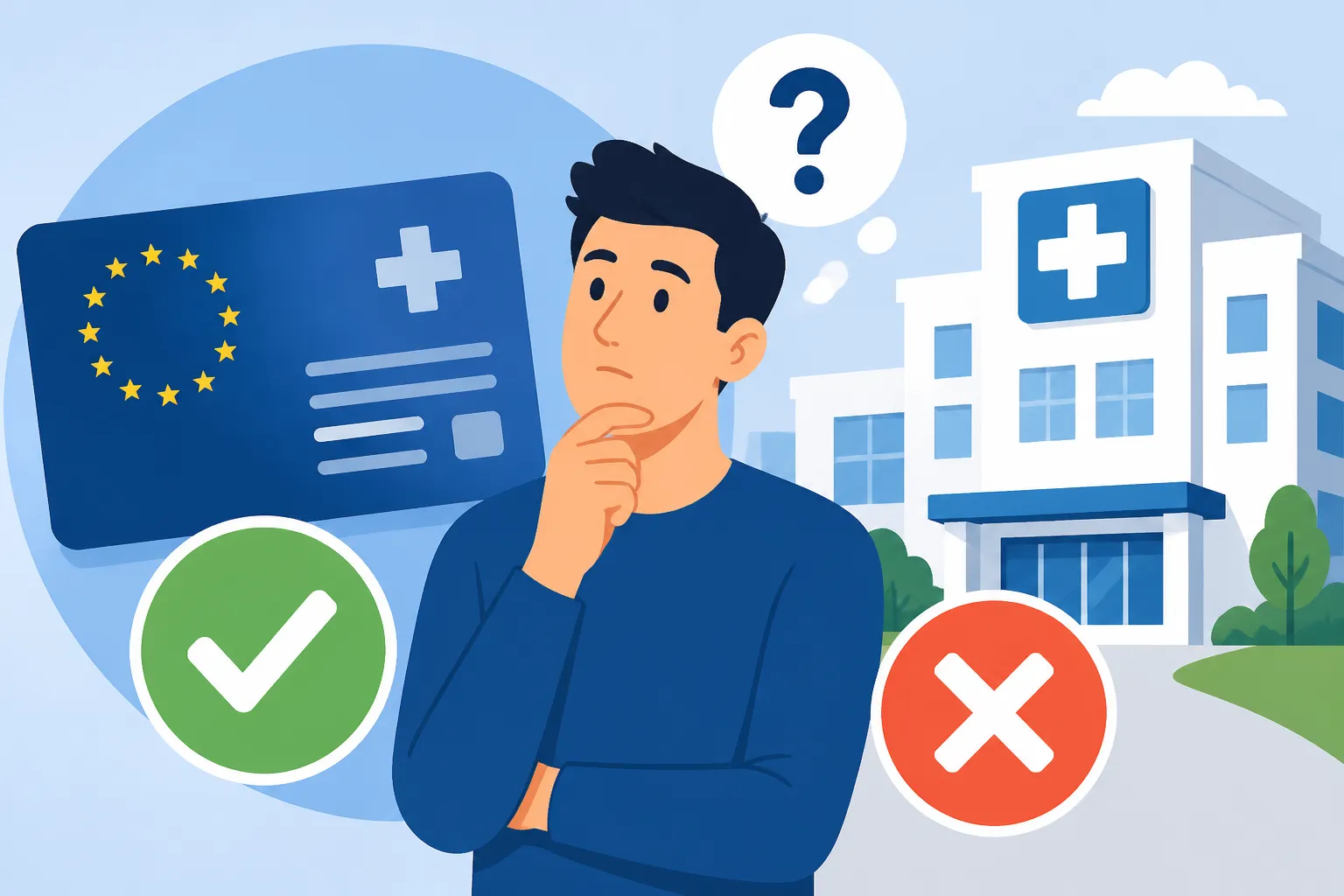
Let's cut right to the chase, because I know this is the burning question for many European visitors: no, your European Health Insurance Card (EHIC) is generally not valid in Israeli hospitals or clinics. I know, I know, it's a gut punch if you were counting on it. Many countries within the European Economic Area (EEA) and Switzerland have agreements that allow citizens to access public healthcare services under the same conditions and at the same cost as a resident. However, Israel is not a member of the EEA, nor does it have a bilateral agreement with individual European countries that extends EHIC benefits.
This means that if you present your EHIC at a hospital like Ichilov in Tel Aviv or Hadassah in Jerusalem, they won't recognize it for direct billing to your home country's health system. You'll be treated as a private patient, and you'll be responsible for the full cost of any medical treatment you receive. This can come as a huge shock, and believe me, you do not want to be dealing with unexpected medical bills while recovering from an illness or injury in a foreign land. It's one of those hard lessons many of us expats learn, sometimes the hard way, when we first arrive.
Why the EHIC Doesn't Apply Here
The reason the EHIC doesn't apply in Israel is purely due to international agreements, or rather, the lack thereof. The EHIC system is built on a network of reciprocal healthcare agreements between specific nations. Israel, while having a highly advanced healthcare system, operates independently of this European framework. Its national health insurance system, which is comprehensive for residents, is funded and managed domestically.
So, while you might be covered for a sudden illness or accident at a public hospital in Spain or Germany with your EHIC, that same level of coverage simply doesn't extend to the wards of an Israeli medical center. It's a fundamental difference in how international healthcare access is structured, and it's crucial for any European visitor to understand before they even step foot on a plane heading here. The last thing you need is a medical emergency compounded by financial stress and bureaucratic headaches.
What to Do If You Need Medical Care in Israel as a Tourist/Visitor
Since your trusty EHIC won't be helping you out here, it’s absolutely essential to know what will if you find yourself in need of medical attention. This isn't just about minor scrapes; it's about being prepared for everything from a sudden fever to an unexpected accident. Believe me, peace of mind is invaluable when you're away from home.
The Lifeline: Travel Insurance
This is your absolute best friend when visiting Israel. Robust travel insurance is not just recommended; it's practically non-negotiable for any non-resident. Unlike the EHIC, which relies on inter-governmental agreements, travel insurance is a commercial product designed specifically to cover unexpected medical emergencies (and often other travel mishaps) when you're abroad.
When choosing a policy, don't just go for the cheapest option. Look closely at the medical coverage limits – you want a high amount, ideally in the millions, to cover potential hospital stays, surgeries, or emergency evacuations. Ensure it covers pre-existing conditions if you have any, and check for any exclusions related to activities you plan to do (like extreme sports). Policies often cover doctor visits, prescription medications, and even emergency dental work. Make sure your policy covers the full duration of your stay.
Many expats and digital nomads find flexible insurance options like SafetyWing to be a good fit, as they cater specifically to travelers and offer rolling monthly plans. This can be particularly helpful if your travel plans are a bit fluid. Having a solid travel insurance policy means that if you need to visit a doctor in Tel Aviv or even require Emergency Medical Care in Israel: What Every Newcomer Needs to Know, your insurer will step in to cover the costs, either by direct billing or through reimbursement after you pay upfront. Always carry your insurance policy details, including the emergency contact number, with you.
Out-of-Pocket and Emergency Care
Without valid travel insurance, or if your EHIC has lulled you into a false sense of security, you will be expected to pay for all medical services out of pocket. Israeli hospitals and clinics, particularly private ones, are not cheap. A simple doctor's visit can easily run you hundreds of shekels, and hospital stays or emergency procedures can quickly escalate into thousands, or even tens of thousands, of dollars.
If it's a genuine emergency, like a severe accident or sudden, life-threatening illness, you should absolutely call Magen David Adom (MDA) – Israel's national emergency medical service – by dialing 101. They will provide immediate assistance and transport you to the nearest appropriate hospital. However, remember that ambulance services are not free for non-residents, and neither is the subsequent hospital treatment. You'll receive the necessary care, but a bill will follow. For more details on this, you might want to read Understanding Magen David Adom and Emergency Response in Israel.
For non-emergency situations, you might be able to find a private clinic or a general practitioner who will see you for a cash payment. These clinics are often found in major cities like Tel Aviv and Jerusalem, and some even have English-speaking staff, which is a huge relief when you're feeling unwell and struggling with a language barrier. However, always be prepared for the cost upfront. It's a far cry from the co-payment system you might be used to with your EHIC back home.
Table: European Health Card vs. Travel Insurance vs. Israeli National Health (for Tourists/Residents)
| Feature | European Health Insurance Card (EHIC) | Travel Insurance (e.g., SafetyWing) | Israeli National Health Insurance (for Residents) |
|---|---|---|---|
| Validity in Israel | Generally NOT VALID | VALID (if policy covers Israel) | VALID (for Israeli citizens/residents only) |
| Coverage Type | Reciprocal public healthcare access | Commercial medical and travel coverage | Comprehensive public healthcare 'basket' |
| Cost Basis | Same as local residents (often free/subsidized) | Premiums paid upfront, potential deductible/co-pay | Monthly contributions to Bituach Leumi + Kupat Holim fees |
| Emergency Care | Not applicable in Israel | Covered per policy terms (e.g., ambulance, ER) | Covered (with co-payments) |
| Routine Visits | Not applicable in Israel | Covered per policy terms | Covered (with co-payments) |
| Pre-Existing Conditions | Varies by home country | Often requires specific add-on or higher premium | Generally covered (after waiting periods) |
| Evacuation Coverage | Not applicable in Israel | Often included | Not generally included, requires private insurance |
| Language Support | None directly | Often includes 24/7 emergency assistance lines | Varies by clinic/doctor, some English-speakers available |
This table clearly illustrates why relying on an EHIC for a trip to Israel is a critical oversight. Travel insurance truly bridges the gap.
Health Coverage for Residents: A Different Ballgame
It's important to differentiate between the situation for tourists and the extensive healthcare system available to those who become residents of Israel. If you're an Oleh Chadash (new immigrant) or a long-term expat with a valid residence permit, your healthcare situation changes dramatically. This is when you become eligible for Israel's excellent public healthcare system.
Navigating Israeli Healthcare as a Resident
Once you've made Aliyah and completed your registration with the Ministry of Interior, you become eligible for National Health Insurance (Bituach Briut Mamlachti). This is a statutory right for all Israeli residents and provides access to a comprehensive "health basket" of services through one of the four official health funds (Kupot Holim): Clalit, Maccabi, Meuhedet, or Leumit. You can learn more about this in The Expat Guide to National Health Insurance (Bituach Briut Mamlachti) in Israel and also How Israel's Health Funds (Kupot Holim) Work: A Full Overview.
As a resident, you'll choose a Kupat Holim and pay monthly contributions, either through your salary or directly to the National Insurance Institute (Bituach Leumi). In return, you get access to doctors, specialists, clinics, hospitals, and subsidized medications. There are often small co-payments for certain services, but the bulk of your care is covered. This system is truly a blessing for residents, providing a safety net that is comprehensive and relatively affordable compared to many Western countries.
However, even as a resident, many choose to supplement their basic coverage with "Bituach Mashlim" (supplementary insurance) offered by their Kupat Holim, or even private health insurance. These add-ons can provide quicker access to specialists, more choices for doctors, discounts on alternative therapies, or better coverage for dental and optical care. If you're pondering if Is Bituach Mashlim Worth It for Expats in Israel?, it's definitely something to consider for added peace of mind and flexibility within the Israeli system. While SafetyWing primarily focuses on travel and nomad insurance, there are many local and international private insurance options available for those living here long-term who want benefits beyond the national health basket, as discussed in Supplementary and Private Health Insurance in Israel: Options Explained.
The key takeaway here is that the mechanisms for healthcare access are entirely different for visitors versus residents. A tourist relies on pre-arranged travel insurance, while a resident integrates into the national system.
In Conclusion: Don't Get Caught Unprepared
The bottom line is clear: a European Health Insurance Card offers no direct benefits in Israel. Assuming it does could lead to significant financial strain and immense stress during a medical emergency. For any visit to Israel, whether for tourism, business, or exploration, secure comprehensive travel insurance before you depart. Services like SafetyWing offer flexible plans tailored for travelers, providing a crucial safety net for unexpected medical needs.
For those planning a longer stay or considering Aliyah, understanding the Israeli national health system is your next step. Rest assured, once you're a resident, Israel provides excellent, accessible healthcare through its Kupot Holim. But for visitors, the responsibility for health coverage falls squarely on your shoulders. Prioritize your health and financial well-being by getting the right insurance, and enjoy your time in Israel with genuine peace of mind.
Disclaimer
The information provided in this guide is for general informational purposes only and does not constitute medical, legal, or financial advice. While we strive to keep the information up-to-date and correct, healthcare regulations and insurance policies can change. Always consult with a qualified insurance professional, legal advisor, or the relevant authorities in Israel for advice tailored to your specific situation.