Understanding Magen David Adom and Emergency Response in Israel
Living in a new country, especially one with a different language and culture, means the last thing you want to think about is a medical emergency. But let's be realistic: things happen. When they do, knowing exactly who to call, what to expect, and how the emergency response system works in Israel can genuinely alleviate a huge amount of stress. This guide is here to walk you through understanding Magen David Adom (MDA), Israel's national emergency medical service, so you're prepared for any unexpected situation.
What is Magen David Adom (MDA)?
Navigating the Israeli healthcare system can feel like learning a new language entirely, and the emergency services are no exception. Magen David Adom, often simply called MDA, is Israel's equivalent of the Red Cross or Red Crescent societies found in other countries, but with its own unique history and symbol. It's an indispensable part of life here, and knowing a bit about its structure and purpose can make all the difference if you ever need their help.
MDA's Role in Israeli Society
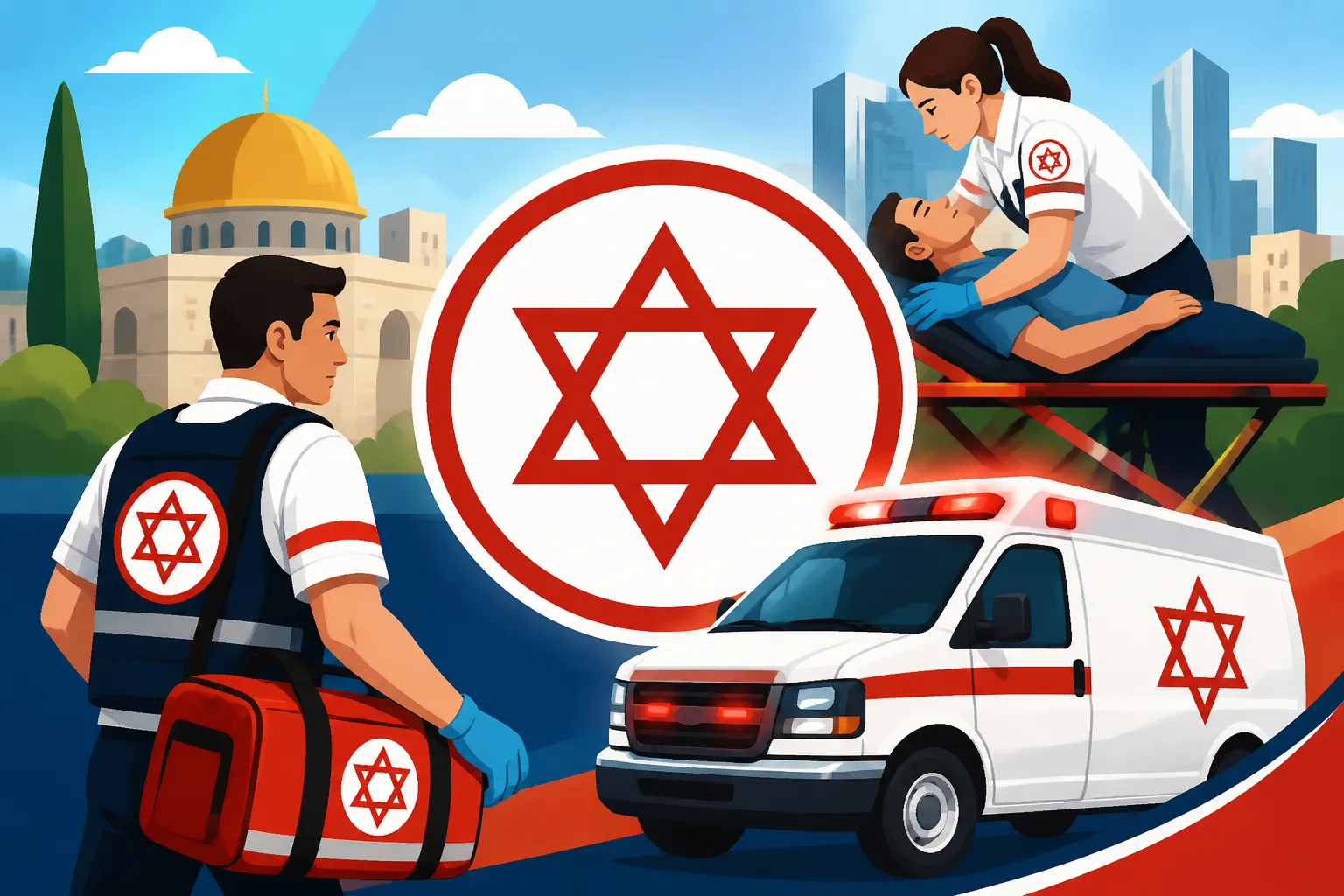
Magen David Adom isn't just an ambulance service; it's a foundational pillar of Israel's emergency response, deeply intertwined with the fabric of daily life. Officially recognized by the government, MDA provides pre-hospital emergency medical care, including ambulance and intensive care services, blood services, and disaster relief. They're often the first responders on the scene for everything from car accidents and heart attacks to terror attacks and natural disasters. Their presence is ubiquitous, and you'll see their distinctive red star of David on white vehicles throughout every city and town. They operate 24/7, serving the entire population, whether you're a long-term resident, a new Oleh, or just visiting. This extensive reach means that no matter where you are in the country, from Eilat to Metula, MDA is the primary number to call for medical emergencies. They're a non-governmental organization, but they work hand-in-hand with governmental bodies and local authorities to ensure a seamless emergency response.
Symbols and International Affiliation
The symbol of Magen David Adom is, as its name suggests, a red Star of David. This symbol, while culturally significant in Israel, initially caused some complexities on the international stage. Historically, the International Red Cross and Red Crescent Movement grappled with accommodating the Red Star of David alongside the Red Cross and Red Crescent symbols. However, a significant step forward was achieved with the adoption of the Red Crystal emblem in 2005, which allows any national society to incorporate its own symbol within it, thus facilitating MDA's full integration into the International Red Cross and Red Crescent Movement. This means MDA paramedics and volunteers can operate globally under the neutral protection of the Red Crystal, which is a big deal for their international humanitarian efforts and how they collaborate with other emergency services worldwide during times of crisis or disaster. Within Israel, however, the Red Star of David remains their primary and recognized emblem.
Services Beyond Ambulances
While most people associate MDA primarily with ambulances, their services are far more extensive. They operate a comprehensive national blood service, collecting, processing, and supplying blood products to all hospitals across Israel. This service is absolutely critical, ensuring that there's always a ready supply for surgeries, emergencies, and chronic conditions. Beyond this, MDA is also a leading provider of first aid and emergency medical training. They offer courses to the public, schools, and workplaces, empowering ordinary citizens to act effectively in an emergency. Their disaster relief teams are also renowned, often dispatched internationally to assist in humanitarian crises. For example, they have deployed medical teams and aid to countries experiencing earthquakes or other major incidents. They even have specialized units for things like search and rescue, and their network of volunteers includes many who provide initial medical response on motorcycles, known as "Medicycles," allowing them to navigate traffic quickly to reach patients.
When to Call MDA: Understanding Medical Emergencies
It can be tough to distinguish between something that warrants an immediate emergency call and something that can wait for a visit to a local clinic or a nighttime medical center (known as Moked). The last thing you want is to call an ambulance for a minor issue, but you also don't want to hesitate if it's truly serious. For expats, this can be even more confusing due to language barriers or simply not knowing the local system.
Critical Life-Threatening Situations
These are the moments when you absolutely should not hesitate. If you suspect any of these situations, dial 101 immediately. Time is often of the essence. Think about sudden and severe chest pain that might indicate a heart attack, especially if it radiates to the arm or jaw and is accompanied by shortness of breath or sweating. Strokes are another critical emergency, often recognizable by the sudden onset of facial drooping, arm weakness, or speech difficulty (think "FAST" test). Severe bleeding that cannot be stopped, unconsciousness, difficulty breathing, or choking where the person cannot speak or breathe are also clear indicators. If someone has a severe allergic reaction (anaphylaxis) with swelling of the face or throat, or if there's a suspected spinal injury, perhaps after a fall or accident, MDA needs to be on the scene. For infants and young children, a sudden, unexplained loss of consciousness, severe difficulty breathing, or a seizure are also red flags for an immediate 101 call. Remember, it's always better to call and let the dispatcher assess the situation than to delay.
Non-Life-Threatening but Urgent Situations
There are other situations that, while not immediately life-threatening, still require prompt medical attention and often an ambulance. For instance, if someone experiences a sudden, severe, and unexplained pain that isn't chest-related but is debilitating, like acute abdominal pain that could be appendicitis. Compound fractures, where a bone breaks through the skin, or severe burns that cover a large area or are deep, certainly warrant an ambulance. A serious head injury, even if the person is conscious, especially if accompanied by confusion, vomiting, or memory loss, is another good reason. Severe asthma attacks that don't respond to usual inhaler treatments, or sudden, severe allergic reactions that aren't quite anaphylactic but are causing significant discomfort, might also benefit from MDA transport. If an elderly person has fallen and cannot get up, or if they appear disoriented and unwell, an ambulance might be necessary even if there's no visible severe injury, as they could have an underlying condition. For expectant mothers experiencing premature contractions or significant bleeding, an MDA ambulance is the correct course of action. These scenarios aren't necessarily an immediate threat to life, but they can quickly deteriorate or require urgent hospital intervention that a regular taxi ride simply can't provide.
Situations Where Calling MDA Might Not Be Necessary
It's common to feel unsure, especially when you're not in your home country, about when to use emergency services. However, for minor ailments, calling an ambulance might not be the most appropriate or efficient route. If you have a fever, a mild sprain, a small cut that needs stitches but isn't actively gushing blood, or general flu-like symptoms, your first port of call should generally be your family doctor (Rofeh Mishpacha) through your Kupat Holim, or an urgent care clinic (Moked or Terem) if it's outside of regular clinic hours. For help with finding the right doctor, you might find our guide on How to Choose a Family Doctor (Rofeh Mishpacha) in Israel useful. These clinics are equipped to handle a wide range of non-emergency issues and are significantly less costly than an ambulance ride and emergency room visit. Remember that every call to MDA for an ambulance that isn't a true emergency diverts resources from someone who might be in a critical situation. When in doubt, you can always call your Kupat Holim's moked hotline for advice. They often have nurses or doctors on call who can help you determine the best course of action.
The Process of Calling and Responding
When panic sets in, even simple tasks can feel overwhelming. Knowing the steps to take when calling MDA can help you stay calm and provide crucial information quickly, ensuring the most effective response.
Making the Emergency Call: What to Say
The most important number to remember for medical emergencies in Israel is 101. It's universally understood, and dispatchers are trained to handle a variety of situations. When you call, try to stay as calm as possible and speak clearly. The dispatcher will immediately ask for your location. This is critical, so be prepared to give a precise address, including street name, building number, apartment number, and any nearby landmarks. If you don't know the exact address, describe your surroundings as best you can. Next, they'll ask what happened and the nature of the emergency. Briefly explain the situation: "My child is unconscious," "My husband has severe chest pain," or "There's been a car accident and someone is bleeding heavily." They will also ask for the number of people injured and their approximate age. They might ask if the person is conscious, breathing, or bleeding. Listen carefully to their instructions; they might guide you through basic first aid steps while help is on its way. Don't hang up until they tell you to; they might need more details or want to keep you on the line until paramedics arrive. If you're struggling with Hebrew, try to say "English, please" (Anglit, bevakasha) immediately. Many dispatchers are English-speakers, and if not, they often have colleagues who can translate or will connect you with one.
Arrival and Initial Assessment by Paramedics
Once the call is made, MDA's priority is to reach you as quickly as possible. The response time can vary depending on your location and the severity of the emergency, but they aim for rapid deployment, especially in urban areas. When the ambulance or Medicycle arrives, the paramedics will quickly assess the situation. They're highly trained medical professionals who will evaluate the patient's condition, administer immediate first aid, and stabilize them. This might include checking vital signs, providing oxygen, stopping bleeding, or administering medication. They'll ask for some basic medical history if the patient is conscious or if a family member is present. Having any existing medical records, a list of medications, or known allergies readily available can be incredibly helpful and save precious time. Don't be surprised if they also ask for your Teudat Zehut (ID card) or health fund details – this is standard procedure, though getting emergency treatment will never be delayed due to lack of ID.
Transport to a Hospital (Beit Holim)
After the initial assessment and stabilization, the MDA team will determine if the patient needs to be transported to a hospital. For critical cases, they will take the quickest route to the nearest appropriate medical facility. They will inform the hospital of the patient's condition, allowing the emergency room staff to be prepared for their arrival. While being transported, the paramedics will continue to monitor the patient and provide ongoing care. You typically don't get to choose which hospital you go to in an emergency; the decision is made based on the patient's condition and the closest hospital equipped to handle their specific needs. However, if there are multiple suitable hospitals nearby, they might consider patient preference, though the medical decision always takes precedence. Upon arrival at the hospital, the MDA team will transfer the patient to the emergency room staff, providing a detailed handover of their findings and the treatment given en route. For more information about hospital care, check out our guide on How to Access Hospital Care at a Beit Holim in Israel.
Costs and Insurance Coverage
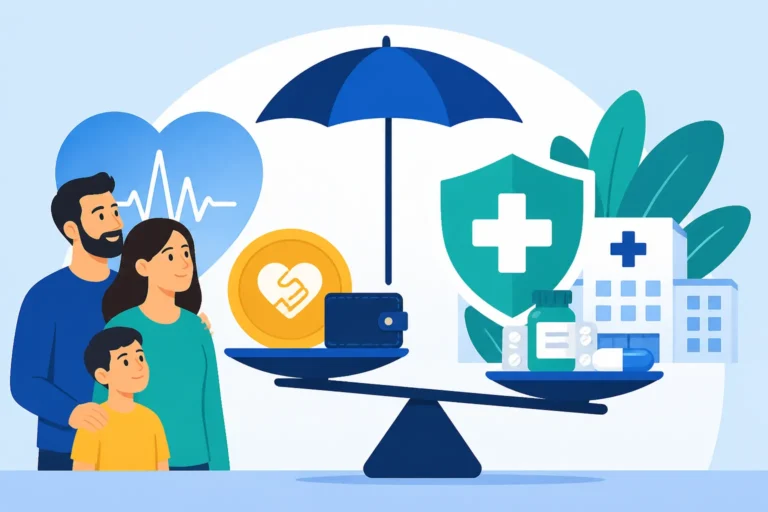
One of the most common anxieties for expats in Israel, especially during an emergency, is the potential cost. Nobody wants to think about a bill when a loved one is in distress, but it's a practical reality. Understanding the fee structure and how your insurance—be it national, supplementary, or private—works is crucial.
Understanding Ambulance Fees
Calling an MDA ambulance in Israel is generally not free, even if you are covered by a Kupat Holim. The cost of an ambulance ride varies depending on the type of ambulance (basic vs. Intensive Care Unit ambulance) and the services provided. As of 2024, a basic ambulance ride for a non-emergency transfer can cost a few hundred shekels, while an emergency call requiring advanced life support could be significantly more, easily exceeding 1,000-2,000 NIS. However, it's important to differentiate between merely being transported by ambulance and actually requiring emergency medical treatment. If a medical emergency is proven to be life-threatening or serious and results in hospitalization, a portion of the ambulance fee may be covered or reimbursed. The key here is the necessity of the transport for a life-threatening condition. If an ambulance is called for a condition that is ultimately deemed non-urgent by the hospital, or if the patient is not hospitalized after the transport, you are much more likely to bear the full cost.
National Health Insurance (Kupot Holim) and Reimbursement
Your national health insurance through one of the Kupot Holim (Clalit, Maccabi, Meuhedet, or Leumit) does offer some coverage for ambulance services, but it's not a blanket coverage. Generally, if the ambulance transport to a hospital is medically necessary and results in an admission to the emergency room and/or hospitalization for a condition deemed serious or life-threatening, your Kupat Holim will cover a significant portion, or sometimes even the full cost. For example, if you have a heart attack and are rushed to the hospital by MDA, your Kupat Holim is very likely to cover the cost. You might still have to pay an initial fee, known as a hishtatfut atzmit (co-payment), but a large part will be reimbursed. The process for claiming reimbursement usually involves submitting the MDA invoice along with a hospital discharge summary or a doctor's letter confirming the emergency nature of the visit to your Kupat Holim. It's always a good idea to keep all documentation. For more details on co-payments, see our guide on Understanding Co-Payments (Hishtatfut Atzmit) in the Israeli Health System.
Private and Travel Insurance Options for Expats
For expats, relying solely on basic national health insurance for ambulance costs might leave some gaps, especially for less clear-cut emergencies or if you're not yet fully integrated into the system. This is where supplementary health insurance (Bituach Mashlim) from your Kupat Holim or private international health insurance comes in handy. Supplementary plans often provide more comprehensive coverage for ambulance transport, potentially reducing your out-of-pocket expenses even for situations that might not be fully covered by the basic Sal Briut (health basket). For those who are still in a transitional phase, perhaps on a work visa, or just traveling, a robust travel insurance policy is invaluable. Companies like SafetyWing, for instance, offer travel medical insurance that can cover emergency medical evacuation and ambulance services. While primarily known for digital nomads and travelers, policies from providers like SafetyWing can offer a safety net by covering unexpected emergency costs, including ambulance transport, which is a massive relief for those not fully integrated into Israel's national health system or those with short-term stays. It’s always smart to review your specific policy carefully to understand the extent of coverage for emergency services both within Israel and abroad.
Here's a quick overview of potential ambulance costs and coverage:
| Scenario | Typical Cost (NIS) | National Health Insurance (Kupat Holim) Coverage | Supplementary/Private Insurance (e.g., SafetyWing) Potential Coverage |
|---|---|---|---|
| Life-Threatening Emergency (e.g., heart attack, severe accident resulting in hospitalization) | 1,000 – 2,500+ | High percentage covered, possibly full reimbursement if hospitalized. Co-payment may apply. | Often covers co-payments or full cost, especially for emergency evacuation/transport. |
| Urgent but Non-Life-Threatening Emergency (e.g., severe fracture, acute pain, resulting in hospitalization) | 800 – 2,000+ | Partial to full coverage if deemed medically necessary and results in hospitalization. | Good chance of coverage, depending on policy details. |
| Non-Urgent Transport (e.g., transfer between hospitals, or call for minor issue not resulting in emergency hospitalization) | 500 – 1,500+ | Little to no coverage, full cost likely borne by patient. | Less likely to cover, as it's not a "medical emergency." Check policy. |
Note: Costs are approximate and can vary based on distance, type of ambulance, and specific services rendered. Always check your insurance policy for exact details.
Alternative Emergency Services and First Aid
While MDA is the primary and most comprehensive emergency medical service, it's beneficial to know about other resources available and how basic first aid knowledge can empower you to act effectively.
Other Important Emergency Numbers
While 101 for MDA is your go-to for medical emergencies, there are other crucial numbers that every resident and visitor in Israel should have. For fire and rescue services, you dial 102. This is for structural fires, forest fires, and rescue operations like freeing people trapped in vehicles after an accident. For police assistance, including reporting crimes, theft, or public disturbances, the number is 100. It's good practice to have these numbers saved in your phone or written down somewhere visible. Additionally, your Kupat Holim often has its own non-emergency hotlines for medical advice, doctor appointments, or finding moked (urgent care) clinics. Knowing these can help you avoid calling 101 unnecessarily. For instance, Maccabi and Clalit have apps and websites where you can book appointments or get tele-consultations, which is very convenient. You can read more about booking appointments in our guide on How to Book Appointments Through Clalit and Maccabi Apps.
Learning Basic First Aid in Israel
Empowering yourself with basic first aid knowledge is incredibly valuable, not just for your own peace of mind, but also for being able to help others. MDA itself offers various first aid courses for the public, which are often taught in Hebrew but sometimes in English, especially in larger cities like Tel Aviv or Jerusalem. These courses can teach you how to perform CPR, stop bleeding, manage choking incidents, and recognize the signs of common medical emergencies like heart attacks or strokes. Even a basic course can give you the confidence to act in those critical moments before professional help arrives. Knowing what to do in the first few minutes can significantly impact the outcome for the person in distress. Consider looking for local community centers or expat organizations that might host first aid workshops tailored to an English-speaking audience.
Community First Responders and Clinics
Beyond the formal MDA system, Israel has a robust network of community-based first responders and urgent care clinics that play a vital role in providing immediate medical attention. In many neighborhoods, particularly in religious communities, there are volunteer organizations like United Hatzalah (Ichud Hatzalah) which deploy "ambucycles" and trained volunteers who live in the area and can often arrive at the scene of an emergency even faster than an ambulance. These volunteers provide initial stabilization and first aid until MDA arrives. While they are volunteers, they are highly trained and equipped. For less severe but urgent medical issues that arise after hours, the moked or urgent care clinics run by the Kupot Holim (or independent ones like Terem) are an excellent option. They bridge the gap between your regular family doctor and a hospital emergency room, handling everything from high fevers and ear infections to minor cuts and X-rays. Knowing the location of your nearest moked and its operating hours can save you a trip to the emergency room, and significant cost.
Volunteering and Support for MDA
MDA's operations rely heavily on volunteers and public support, making it an organization deeply embedded in Israeli society. For many expats, getting involved offers a unique way to give back to the community and experience a different side of life in Israel.
How Expats Can Volunteer
Magen David Adom has a long-standing tradition of volunteerism, and expats are absolutely welcome to join their ranks. Volunteering with MDA is an incredible way to integrate, learn Hebrew in a practical environment, and contribute meaningfully to Israeli society. The primary route for foreigners is through their overseas volunteer program, which often attracts young adults and students from around the world. These programs typically involve an intensive training course (usually in English) where you learn basic first aid, emergency medical technician skills, and get hands-on experience on ambulances. You'll gain invaluable medical knowledge and practical skills, all while working alongside Israeli volunteers and staff. Even if you're not looking for such an intensive program, there might be opportunities for administrative or support roles, especially if you have specific language skills or professional backgrounds. This kind of volunteering offers a powerful sense of purpose and helps you truly connect with the local community, breaking through some of those initial expat barriers.
The Importance of Donations
As a non-profit organization, MDA relies heavily on donations to fund its operations, purchase new ambulances, maintain equipment, and train its staff and volunteers. The cost of running a sophisticated, nationwide emergency medical service is immense. Donations from individuals and organizations, both within Israel and internationally, are crucial for keeping the service running at its high standard. These contributions directly impact their ability to respond to emergencies, provide blood services, and conduct life-saving training. Whether it's a large sum for a new ambulance or a smaller recurring donation, every bit helps ensure that MDA can continue its vital work. They often run campaigns for specific needs, such as purchasing defibrillators for public spaces or equipping new Medicycles. Supporting MDA is, in essence, supporting the safety and well-being of everyone in Israel.
Community Engagement and Education
MDA is also very active in community engagement and public education. They believe that an informed public is a safer public. This involves running educational programs in schools, giving presentations to community groups, and participating in public awareness campaigns about safety, first aid, and emergency preparedness. Their efforts extend to teaching children how to call emergency services, what to do in a fire, and basic steps to help someone in distress. For expats, these initiatives can be a great way to understand local safety protocols and connect with the broader community. They also encourage participation in their blood donation drives, a simple yet profound way for individuals to contribute to the well-being of others without undergoing extensive training. Through these various channels of engagement, MDA reinforces its role not just as a reactive emergency service but as a proactive force for public health and safety across Israel.
Disclaimer
Please remember that this guide provides general information and should not be considered a substitute for professional medical advice or official government directives. Emergency procedures and costs can change, so always verify the latest information with official sources or your insurance provider. In any emergency, dial 101 immediately.