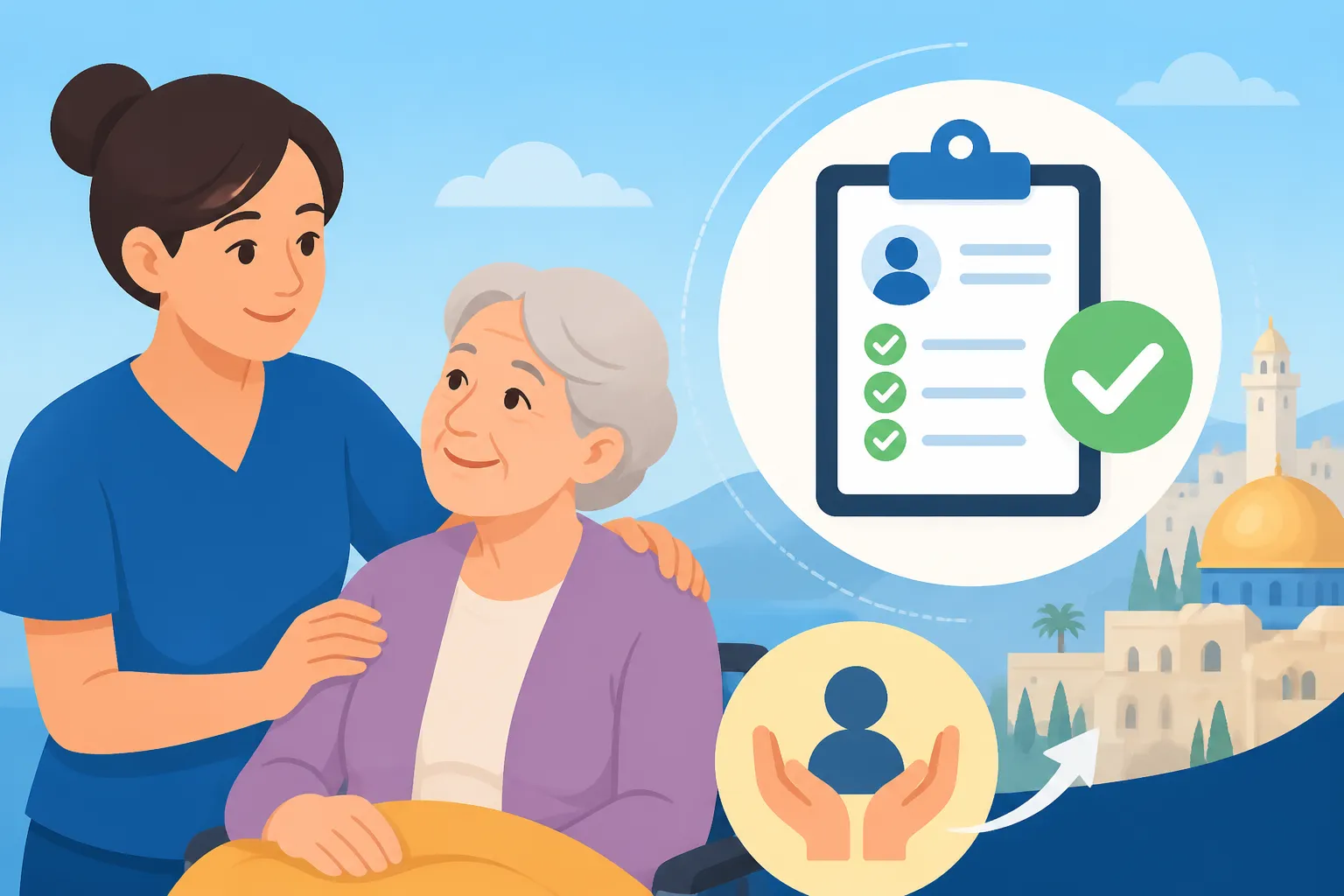
How Do I Apply for a Work Permit as a Caregiver in Israel?
Moving to Israel to work as a caregiver is often seen as a noble calling, a chance to provide crucial support to those in need, and a unique opportunity to live in a vibrant country. But let's be honest, navigating the Israeli bureaucracy to get your work permit can feel like trying to solve a Rubik's Cube blindfolded. It's a journey fraught with paperwork, specific requirements, and often, more questions than answers. This comprehensive guide is here to untangle that complexity, walking you through every step of applying for a work permit as a caregiver in Israel, and offering a realistic look at what to expect.
Understanding the Caregiver Work Permit Landscape in Israel
The demand for foreign caregivers in Israel is incredibly high, and it's a field that offers both immense personal reward and significant administrative hurdles. Before you even think about packing your bags, it's vital to understand the system you're stepping into.
Why Caregivers Are in High Demand
Israel is a country with a rapidly aging population, and like many places, families often struggle to provide full-time, round-the-clock care for their elderly or infirm loved ones while also managing their own lives and careers. This is where foreign caregivers step in, filling a critical gap in the healthcare system and providing invaluable support. The work is demanding, both physically and emotionally, requiring patience, empathy, and a strong work ethic. You're not just a worker; you often become an integral part of a family's life, entrusted with the well-being of someone precious. The vital role played by foreign caregivers is recognized, but the system put in place to manage their entry and employment is, unfortunately, often rigid and difficult to navigate.
The Role of the Population and Immigration Authority
The central body governing all matters related to foreign workers, including caregivers, is Israel's Population and Immigration Authority (Misrad HaPnim). They are the gatekeepers, responsible for issuing the necessary permits and visas. Unlike some other countries where individuals might initiate their own work visa application, in Israel, the process for caregivers is primarily driven by the employer. This means the Israeli family or individual requiring care must first apply for a permit to employ a foreign worker. The authority imposes strict regulations to protect both the foreign worker and the Israeli citizen, though navigating these rules can feel like deciphering ancient texts, especially if you're new to the country and don't speak fluent Hebrew. This initial step, securing the employer's permit, is often the longest and most challenging part of the entire process.
Key Eligibility Requirements for Caregivers
Before an employer can even think about bringing you over, and certainly before you can apply for your B/1 Work Visa, you need to meet a strict set of criteria. Generally, foreign caregivers must be between 25 and 50 years old, possess a clean criminal record, and be in good health. While formal certifications are not always mandatory, previous experience in caregiving or a related field (like nursing or physical therapy) is highly advantageous and often preferred by employers. It's also important to know that Israel primarily recruits caregivers from specific countries, including the Philippines, Nepal, India, Sri Lanka, and Moldova. This is largely due to bilateral agreements and established recruitment channels. You cannot simply come from any country and expect to easily obtain a permit. The entire process hinges on the Israeli employer demonstrating a genuine need for a foreign caregiver, usually through a medical assessment of the patient, which specifies the type and intensity of care required.
The Step-by-Step Application Process: A Detailed Walkthrough
Getting a work permit to be a caregiver in Israel is a multi-stage process that, more often than not, starts with the employer in Israel, not with you, the potential caregiver. It's crucial to understand these steps to manage expectations and ensure all requirements are met.
The Employer's Initial Application to the Population Authority
The journey officially kicks off with the Israeli family or individual who needs care. They, or a family member acting on their behalf, must first apply to the Population and Immigration Authority for a permit to employ a foreign caregiver. This initial permit, known as a 'Hether Ha'asaka' (Approval to Employ a Foreign Worker), is the cornerstone of the entire process. Without it, you cannot legally work in Israel as a caregiver.
To secure this Hether, the employer must provide a raft of documents. This typically includes their Teudat Zehut (Israeli ID card), proof of their financial capability to employ a caregiver, and, most critically, a detailed medical assessment from a certified geriatrician or a family doctor (Rofeh Mishpacha) confirming the patient's severe need for 24/7 care. This medical certificate usually outlines the patient's functional limitations, cognitive state, and the level of assistance required for daily activities. The Authority scrutinizes these documents to ensure the need is legitimate and that the employer can financially support a foreign worker according to Israeli labor laws. This stage can be lengthy and involves interviews and sometimes home visits by social workers or representatives of the Authority.
Locating a Suitable Caregiver and the Ministry of Interior Permit
Once the Israeli employer has successfully obtained their Hether Ha'asaka, they can then proceed to find a foreign caregiver. This is often done through licensed manpower agencies that specialize in recruiting caregivers from the approved source countries. These agencies play a crucial role, connecting employers with qualified caregivers and often assisting with the complex paperwork on both sides.
After a suitable caregiver is identified, the employer must then take the Hether Ha'asaka and formally apply to the Ministry of Interior (which is part of the Population and Immigration Authority) to name the specific caregiver they wish to employ. This step ensures that the permit is tied to a particular individual. The caregiver, at this point, will also need to provide various personal documents, often through the agency, which will be submitted as part of this formal naming process. This is when your details, such as your passport information and sometimes a resume detailing your caregiving experience, become officially linked to the employer's permit.
The Caregiver's Visa Application at the Israeli Embassy Abroad
With the employer's permit secured and your name officially attached to it, you, as the caregiver, can finally initiate your personal visa application. This application for a B/1 Work Visa must be submitted at the Israeli embassy or consulate in your home country. This is not a process that can typically be done from within Israel, unless you already hold a different valid visa type that allows for conversion, which is rare for caregivers.
The documentation required from you is extensive and meticulous. Expect to provide a valid passport (with at least six months' validity beyond your intended stay), a completed visa application form, several passport-sized photos, original copies of your medical examination results (often requiring specific tests and clearances), and a police clearance certificate from your home country, proving you have no criminal record. You'll also need the original Hether Ha'asaka document from your employer, your employment contract signed by both parties, and sometimes a letter from the employer confirming your position. You may be required to attend an interview at the embassy, where officials will verify your intentions, qualifications, and understanding of the terms of your employment. This can be a nerve-wracking experience, but being prepared and honest is key.
Arrival in Israel and Permit Finalization
Congratulations, you've made it through the initial hurdles and have your B/1 Work Visa! Upon your arrival at Ben Gurion Airport, you will typically receive a temporary B/1 visa sticker in your passport, often valid for a short period, perhaps a month. This allows you entry into the country.
Within this initial period, you and your employer (often accompanied by a representative from the agency) must visit a regional office of the Population and Immigration Authority – commonly referred to as Misrad HaPnim. Here, your biometric data (fingerprints) will be taken, you might be photographed again, and your documents will be re-verified. Assuming everything is in order, you will then be issued your official B/1 work permit. This permit is usually granted for one year and is renewable. It’s crucial to understand that this permit ties you to your specific employer and patient. For more general information on work visas, you might find our guide, How to Get an Israeli Work Visa (B/1): The Full Guide (2027), helpful. Maintaining your legal status by ensuring timely renewals is absolutely paramount to avoid complications.
Important Considerations for Caregivers in Israel
Working as a caregiver in Israel goes beyond just the visa application; it involves understanding your rights, navigating the healthcare system, and adapting to new living arrangements.
Understanding Your Rights and Responsibilities
As a foreign caregiver in Israel, you are entitled to specific labor rights under Israeli law, just like any other worker. This includes receiving at least the national minimum wage, having clear working hours, and being granted days off (typically one and a half days per week). Your employer is legally obligated to provide you with a written employment contract, usually in a language you understand, detailing your salary, duties, working hours, and other terms. It's incredibly important to thoroughly read and understand this contract before you sign it. Do not be afraid to ask questions or seek clarification. Organizations like Kav LaOved (Workers' Hotline) offer assistance and guidance to foreign workers regarding their labor rights. For a deeper dive into what your employment contract should entail, consider reading Understanding Israeli Employment Contracts and Worker Rights (2027).
Health Insurance and Medical Care
One of the most critical aspects of your stay in Israel will be your health coverage. Unlike Israeli citizens and permanent residents who are covered under the National Health Insurance Law and have access to Kupot Holim (health funds), foreign caregivers fall under a different system. Your employer is legally required to provide you with private health insurance. This insurance must cover a range of basic medical services, including doctor visits, hospitalizations, emergency care, and prescription medications.
It's vital to confirm the specifics of this insurance with your employer or their agency. While this mandatory insurance provides essential coverage, it might not be as comprehensive as some private options available. If you're looking for additional peace of mind or broader coverage, exploring private international health insurance options could be beneficial. Brands like Cigna Global offer plans that might provide more extensive coverage or cater to specific needs, though these would be an additional expense, typically borne by the caregiver if they choose to upgrade. We have a detailed resource, Do Work Visa Holders Need Private Health Insurance in Israel?, that delves into this topic, and for an overall understanding of the healthcare system, The Complete Guide to Healthcare in Israel for Olim and Expats (2027) is an invaluable read.
Housing and Living Arrangements
Most foreign caregivers in Israel live with the patient they care for, often in a dedicated room within the patient's home. This arrangement has significant implications for your daily life, blurring the lines between work and personal space. It's essential to discuss and clarify expectations regarding your living conditions, privacy, and responsibilities within the household before you arrive. While living with the patient can save on housing costs, it means your personal time and space might be limited.
Your employer is responsible for ensuring suitable living conditions as part of your employment. Understanding the cost of living in Israel is generally high, so the provision of housing by your employer is a significant benefit. If you are ever in a situation where you need to move your belongings, perhaps if your employment situation changes (though this is rare for caregivers), services like Sirelo can assist with international moving logistics. For a broader understanding of daily expenses, our article on The Complete Guide to Cost of Living in Israel for Expats (2026) provides a good overview, and for specifics on setting up a home, even if it's not your own, The Expat Guide to Setting Up Utilities in Israel offers useful context.
Renewal and Staying Compliant
Your B/1 work permit is typically valid for one year and needs to be renewed annually. The responsibility for initiating the renewal process usually falls to your employer, well in advance of the expiry date. Renewing involves submitting updated documents, including medical certificates for the patient and sometimes for you, and paying relevant fees.
There is also a maximum duration for which foreign caregivers can legally stay and work in Israel, usually around five to eight years, although exceptions can sometimes be made for highly specific cases or long-term patients. Understanding these limits and planning accordingly is important. Overstaying your visa or working without a valid permit can lead to severe penalties, including fines, deportation, and a ban from re-entering Israel. It's imperative to remain vigilant about your permit's expiry date and ensure all renewals are processed correctly and on time. For detailed information on this, check out How Do I Renew My B/1 Visa in Israel?.
Common Challenges and Navigating the System
Living and working in a foreign country, especially in a demanding role like caregiving, comes with its own set of unique challenges. It's not always smooth sailing, and knowing what difficulties to anticipate can help you better prepare.
Language Barriers and Cultural Adjustments
One of the most significant hurdles you'll face is the language barrier. While many Israelis speak English, especially in larger cities like Tel Aviv and Jerusalem, daily life and communication, particularly with an elderly patient who might only speak Hebrew or Arabic, will require some basic Hebrew. The cultural differences can also be substantial. Israelis are known for their direct communication style, which can sometimes come across as abrupt or even rude to newcomers from more reserved cultures. Adapting to new social norms, food, and daily routines can be exhausting, and it's completely normal to feel homesick or isolated. Seek out expat communities or caregiver support groups, many of which can be found online or through local organizations. Learning a few basic Hebrew phrases will go a long way in improving your integration and daily interactions.
Avoiding Exploitation and Seeking Help
Unfortunately, foreign workers, including caregivers, can sometimes be vulnerable to exploitation. This can range from unpaid wages, excessive working hours, poor living conditions, or even emotional abuse. It’s crucial to know that you have rights under Israeli law, and resources are available to help you. Organizations such as Kav LaOved (Worker's Hotline) provide free legal aid and advice to foreign workers facing labor disputes or exploitation. If you ever feel that your rights are being violated, or if you are in an unsafe situation, do not hesitate to reach out to them. They can guide you through the process of filing a complaint and seeking recourse. Remember, you are not alone, and there are people who want to help.
The "Bonding" Rule and Changing Employers
One of the most frustrating aspects of the caregiver work permit system in Israel is the "bonding" rule. This regulation generally ties you, as a foreign caregiver, to a specific employer (the patient) for the duration of your visa. This means that, unlike other work visas, changing employers is extremely difficult and is only permitted under very limited circumstances.
These circumstances usually include the death of the patient, the patient's long-term hospitalization or transfer to a nursing home, or documented severe mistreatment by the employer. In such cases, there's a strict process to follow, usually involving the Population and Immigration Authority and a specified period during which you can seek a new employer through an authorized agency. If you change employers without official approval, you risk losing your legal status and facing deportation. This system, while designed to ensure continuity of care, often leaves caregivers in a very vulnerable position, making it hard to leave difficult or abusive situations. Understanding this rule from the outset is vital for managing your expectations about flexibility in your employment.
| Document Type | Required For Employer's Permit (Hether Ha'asaka) | Required For Caregiver's Visa (B/1) | Notes |
|---|---|---|---|
| Passports | – | Valid Passport of Caregiver | Must be valid for at least 6 months beyond intended stay. |
| ID Documents | Israeli Teudat Zehut (Employer) | – | Employer's identification. |
| Medical Certificate | Patient's Medical Assessment (Geriatrician) | Caregiver's Medical Exam Results | Patient's assessment proves need for care; caregiver's exam proves fitness for work. |
| Police Clearance | – | Caregiver's Police Clearance | From caregiver's home country, proves no criminal record. |
| Financial Proof | Employer's Financial Statements | – | Demonstrates employer's ability to pay caregiver. |
| Application Forms | Employer's Hether Application | Caregiver's Visa Application | Specific forms from Population & Immigration Authority and Israeli Embassy/Consulate. |
| Employment Contract | Often required at later stages | Signed Employment Contract | Between employer and caregiver, detailing terms. |
| Photos | – | Passport-sized photos of Caregiver | Specific requirements for size and background. |
| Hether Ha'asaka | (Issued to Employer) | Original Hether Ha'asaka | Essential document issued to employer, then used for caregiver's visa. |
Disclaimer
The information provided in this guide is intended for general informational purposes only and does not constitute legal, financial, or medical advice. Regulations and procedures in Israel, particularly concerning immigration and employment, are subject to change without notice. While we strive to keep our content up-to-date, we cannot guarantee the absolute accuracy or completeness of all information at any given time. We strongly recommend consulting with the Israeli Population and Immigration Authority, an authorized legal professional specializing in immigration law, or a licensed manpower agency for personalized advice regarding your specific situation before making any decisions.