How Do I Apply for Aliyah from South Africa?
Alright, shalom, future olim! So, you're looking at making that incredible, sometimes utterly bewildering, leap from South Africa to Israel, and you're wondering, "How on earth do I even start the Aliyah application process?" Believe me, I get it. The dream of making Aliyah is powerful, but the administrative hurdles can feel like trying to climb Table Mountain barefoot. This guide is here to cut through the confusion, lay out the steps for South African applicants, and give you a realistic roadmap for your journey home.
Understanding Aliyah Eligibility and the Process for South Africans
Making Aliyah, which literally means "ascending" to Israel, is more than just moving countries; it's a profound journey rooted in the Law of Return. For South Africans, navigating this path has its own unique nuances, often facilitated by dedicated organisations on the ground.
The Law of Return: Who Qualifies
The Law of Return ( Chok HaShvut) is the cornerstone of Aliyah. It grants every Jew the right to immigrate to Israel and receive citizenship. But here's where it gets a little intricate: "Who is a Jew?" For the purpose of the Law of Return, this includes individuals born of a Jewish mother, those who have converted to Judaism (Orthodox, Conservative, or Reform conversions are recognized, though the specific type can impact marital registration in Israel), and the child, grandchild, and spouse of a Jew. It also extends to the child and grandchild of a person who made Aliyah under this law.
What this means for many South Africans is often a question of documentation. Proving your Jewish lineage can sometimes feel like a genealogical detective mission. Perhaps your grandparents were active in a specific shul in Johannesburg, or your family has old ketubot (marriage contracts) from generations past. Even if you're not personally Jewish but are a direct descendant (child or grandchild of a Jew), you still qualify. This inclusion is crucial and often a surprise to many. However, if your Jewish connection is through patrilineal descent only, or if you've converted, prepare for a bit more scrutiny and ensure all your documentation is impeccably ordered. You'll want to dive deep into Understanding Aliyah Eligibility Under the Law of Return (2027) to grasp the full breadth of this foundational law.
Key Organisations Guiding Your Journey
For South Africans contemplating Aliyah, two names will quickly become central to your process: The Jewish Agency for Israel (Sokhnut) and, for some, Nefesh B'Nefesh. While Nefesh B'Nefesh primarily focuses on North American and UK olim, for South African Aliyah, The Jewish Agency for Israel is your primary point of contact and invaluable resource.
The Jewish Agency has a strong presence in South Africa, with local offices in major cities like Johannesburg and Cape Town. These offices are staffed by shlichim (emissaries) who understand the local context, speak your language (literally and culturally), and are there to guide you through every single step. They're not just bureaucrats; they’re often olim themselves who have been through the process, offering a truly empathetic ear. They'll help you verify your eligibility, compile your documents, and prepare for your interviews. Think of them as your personal Aliyah navigators, helping you steer clear of the many potential pitfalls.
Your initial step in this journey should always be to reach out to The Jewish Agency for Israel office nearest to you. They will schedule an initial consultation, often called an "Aliyah interview," where you'll discuss your background, your family's Jewish history, and your motivations for making Aliyah. This is the moment to bring all those old family photos, documents, and any proof of Jewish life you might possess.
Initial Steps: First Contact and Documentation Gathering
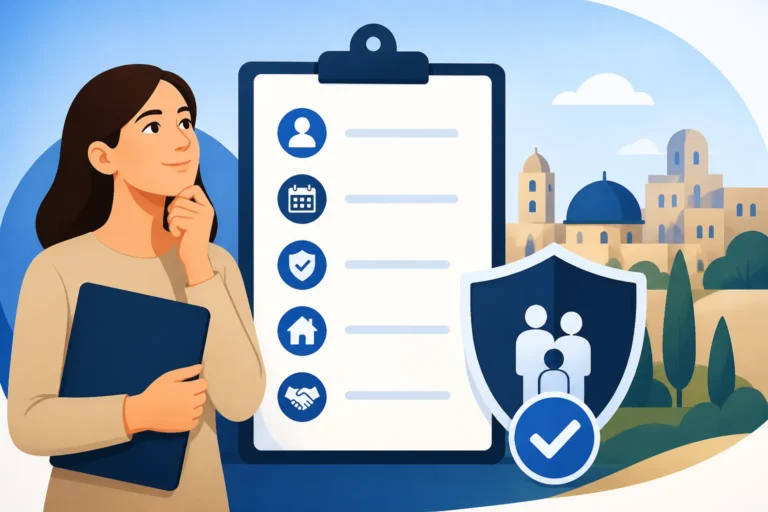
Once you've made that crucial first contact with The Jewish Agency, they'll walk you through the preliminary documentation phase. This isn't just a casual chat; it's the beginning of building your Aliyah case. You'll be asked to provide a host of documents to prove your identity and, most importantly, your Jewish eligibility.
Expect to gather:
- South African Passports: Current and any expired ones, to show your travel history.
- Birth Certificates: Original, unabridged birth certificates for yourself and any family members making Aliyah with you.
- Marriage Certificates: If married, original marriage certificates. If divorced, divorce decrees. If widowed, a death certificate for your late spouse.
- Proof of Judaism: This is often the most challenging part. It can include original ketubot from your parents or grandparents, letters from recognized rabbis confirming your or your family's Jewish status, membership records from a synagogue, or even historical records. If you've converted, you'll need your original conversion certificate.
- Police Clearances: Essential for everyone over the age of 12. You'll need police clearance certificates from South Africa (and any other country you've lived in for more than 12 months since the age of 12).
- Medical Forms: Standard health questionnaires and sometimes medical exams.
The key here is originals and accuracy. Any document that isn't in English or Hebrew will require a certified translation. Don't underestimate the time this gathering process can take in South Africa, as bureaucracy can move slowly. The Jewish Agency staff will guide you on what specific types of documents are needed and how they need to be authenticated. This groundwork is vital for How to Prepare Documents for an Aliyah Application effectively.
The Application Deep Dive: Documents, Interviews, and Approvals
This is where the rubber meets the road. Once you've established initial contact and started compiling, the real heavy lifting begins. It's a meticulous process designed to ensure that everyone making Aliyah meets the criteria and is genuinely ready for this life-altering move.
Gathering Your Paperwork: The Mountain of Proof
The list of documents you’ll need to officially apply for Aliyah is extensive, and often, it feels like they want your entire life story on paper. Beyond the initial proofs mentioned earlier, you’ll be delving deeper into your personal and professional history.
Here's a more comprehensive list of documents you should anticipate preparing:
- Current and Previous Passports: Make sure your current South African passport has at least six months' validity from your planned Aliyah date.
- Original Birth Certificate: Unabridged versions for every applicant.
- Original Marriage Certificate(s): If applicable, and any divorce decrees.
- Proof of Jewish Status: This is paramount. This can include:
- Rabbinic Letters: From an Orthodox, Conservative, or Reform rabbi in South Africa known to The Jewish Agency, confirming your Jewish status and that of your parents/grandparents.
- Ketubot: Original marriage contracts from your parents or grandparents.
- Synagogue Membership Records: Evidence of long-term membership in a recognized Jewish community in South Africa.
- Conversion Certificate: If you converted, the original certificate from a recognized rabbinical court.
- Police Clearance Certificates: For anyone over 12 years old, from the South African Police Service (SAPS) and any other country you've lived in for 12+ months since turning 12. These can take time to obtain, so start early!
- Medical Documents: You'll be asked to complete medical questionnaires, and in some cases, undergo a medical examination by a designated physician to ensure you don't have certain communicable diseases that could pose a public health risk. If you have chronic conditions, make sure you have detailed medical records. It's always wise to ensure you have some form of international health coverage, like Cigna Global, especially for the interim period between application and full absorption into the Israeli system. This can bridge any gaps and give you peace of mind.
- Photos: Passport-sized photos for each applicant.
- Proof of Relationship: For spouses and children of a Jew, you'll need birth certificates and marriage certificates to demonstrate the direct line.
- Educational Certificates: While not always strictly required for Aliyah eligibility, having copies of your degrees, diplomas, and professional certifications can be helpful for later integration into the Israeli job market.
- Letters of Recommendation: Sometimes requested, especially if your Jewish status needs further confirmation.
The frustration of gathering these documents is real. You might find yourself rummaging through dusty boxes, contacting distant relatives, or waiting weeks for official stamps. The Jewish Agency's shlichim are there to help clarify what's needed and to confirm the legitimacy of your documents. It’s an exercise in patience and persistence, but every piece of paper brings you closer to your new life.
The Interview Process: More Than Just Q&A
After submitting your initial documents, you'll be called in for a more extensive interview with an Aliyah shaliach (emissary) from The Jewish Agency. This isn't just a check-off list; it's a conversation designed to understand your personal story, your connection to Judaism and Israel, and your practical preparedness for the move. For South Africans, these interviews often take place at their offices in Johannesburg or Cape Town.
During the interview, the shaliach will:
- Verify Documentation: They will review all your submitted documents, ensuring they are complete and authentic.
- Assess Eligibility: This is their primary role – confirming you meet the criteria of the Law of Return.
- Discuss Your Motivation: They want to understand why you want to make Aliyah. Is it religious, Zionist, family reunification, or a desire for a new life? There's no single "right" answer, but they want to ensure you have a clear understanding of what Aliyah entails.
- Evaluate Readiness: They might ask about your financial stability, Hebrew language skills (or plans to learn), job prospects in Israel, and support network. This isn't to deter you, but to help you prepare realistically. They may offer practical advice on job search strategies, Ulpan programs (Hebrew language classes), and community integration in Israel. They might even guide you towards resources on The Complete Guide to Cost of Living in Israel for Expats (2026).
- Provide Information: This is your chance to ask all your questions about life in Israel, benefits for new olim, healthcare, education, and anything else on your mind.
Be honest, open, and prepared. The shaliach is there to help, but also to ensure a smooth transition for both you and Israel. It's a two-way street, and demonstrating your commitment and understanding of the challenges ahead will be beneficial.
The Waiting Game and Final Approval
Once your interview is complete and all your documents are submitted, you enter what many olim refer to as "the waiting game." This period can vary significantly – sometimes a few weeks, sometimes several months, depending on the complexity of your case, the volume of applications, and any further clarifications required.
During this time, The Jewish Agency will:
- Submit Your Application to the Ministry of Interior (Misrad HaPnim): Your file, along with their recommendation, is forwarded to the Israeli Ministry of Interior, which has the final say on Aliyah approval. This is the government body that ultimately approves your status as an oleh (new immigrant).
- Conduct Background Checks: Further checks might be done based on the police clearances and other information.
- Request Additional Information: Don't be surprised if they come back to you with requests for more documents or clarification on existing ones. It’s part of the process.
Finally, you will receive notification of your Aliyah approval. This is the moment you've been waiting for! Once approved, The Jewish Agency will coordinate your flight to Israel. They often have subsidized flights for olim, and for many South Africans, this means a direct flight from Johannesburg to Ben Gurion Airport. This approval signifies that you are officially recognized as an oleh and are eligible for all the benefits that come with it.
Practicalities and Post-Approval Steps for South African Olim
Your Aliyah approval is a massive milestone, but it's also just the beginning. The next phase involves practical preparations in South Africa and understanding what awaits you upon arrival in Israel.
Planning Your Move: Logistics and Shipping
With your Aliyah approved and your flight booked, the practicalities of moving an entire life across continents come to the forefront. This is where you'll need to make decisions about what to bring and how.
- Shipping Belongings: Most olim opt to ship their household goods. You'll work with international moving companies to pack and transport your possessions. It's a good idea to get multiple quotes and understand the logistics of sea versus air freight, customs declarations, and delivery in Israel. Companies like Sirelo can be incredibly helpful for comparing different moving services and finding reliable options that specialize in moves to Israel, often with duty-free benefits for olim. You'll need to compile a detailed inventory of everything you're sending.
- Saying Goodbyes: This is the emotional part. Organize farewells with family and friends in South Africa.
- Administrative Loose Ends: Cancel subscriptions, close bank accounts (or set up online access), forward mail, and notify relevant government agencies of your departure. If you own property, decide whether to sell, rent, or leave it vacant.
Financial Considerations and Initial Support
One of the most significant benefits for new olim is the Sal Klita (Absorption Basket), a financial aid package designed to help you settle in during your first six to twelve months. This aid is typically paid out in several installments, with an initial lump sum at Ben Gurion Airport and subsequent payments deposited into your Israeli bank account. To learn more about this vital support, check out Understanding Aliyah Benefits and the Sal Klita Absorption Basket.
Beyond the Sal Klita, new olim also receive:
- Customs Benefits: Significant reductions or exemptions on import duties for household goods and even one vehicle.
- Housing Assistance: Options for subsidized rental assistance or mortgages, though these vary and often have specific criteria.
- Ulpan Subsidies: Free or heavily subsidized Hebrew language courses.
- Healthcare: Immediate eligibility for Israel's excellent public healthcare system after registering with one of the Kupot Holim (health funds) like Clalit or Maccabi. More on this can be found in The Complete Guide to Healthcare in Israel for Olim and Expats (2027) and How to Register with a Kupat Holim as a New Immigrant in Israel.
It's crucial to understand that while the Sal Klita provides a significant boost, it's generally not enough to cover all your living expenses, especially in high-cost-of-living areas like Tel Aviv. It's highly recommended to arrive in Israel with additional savings to sustain you for at least 6-12 months while you find your footing, secure employment, and adjust to the new economy. For those on a work visa to Israel, knowing How to Access Healthcare on a Work Visa in Israel is also a good read.
Arrival in Israel: Ben Gurion and Beyond
This is it! The moment your plane touches down at Ben Gurion Airport (TLV), your Aliyah journey officially culminates in your arrival in Israel. The process upon arrival is structured to welcome new olim and quickly get you started on your new life.
Here's what to expect:
- Welcome by The Jewish Agency/Misrad HaPnim: Upon disembarking, you'll be met by representatives, often from The Jewish Agency or directly from the Ministry of Aliyah and Integration. They will guide you to a special Aliyah processing area.
- Issuance of Teudat Oleh and Provisional Teudat Zehut: This is a critical step. You will officially receive your Teudat Oleh (New Immigrant Certificate), which is your golden ticket to oleh benefits. Simultaneously, you will be issued a provisional Teudat Zehut (Identity Card). This temporary ID card is essential for everything from opening a bank account to registering for Kupat Holim. You can learn more about this in How to Get a Teudat Oleh and Teudat Zehut After Aliyah.
- Initial Sal Klita Payment: You'll receive your first cash installment of the Sal Klita. It’s a literal welcome gift from the state!
- SIM Card: Often, you'll be given a temporary Israeli SIM card, allowing you to connect with family and start sorting out your immediate needs.
- Assistance with Transport: Representatives will help you arrange transport from Ben Gurion to your initial accommodation, whether it’s an absorption center, a pre-arranged rental, or family.
Once you leave Ben Gurion, the next immediate steps include:
- Opening a Bank Account: Take your Teudat Zehut and Teudat Oleh to an Israeli bank (Bank Hapoalim, Leumi, Discount, Mizrahi-Tefahot are common options) to open an account where your Sal Klita payments and future salary will be deposited.
- Registering with a Kupat Holim: Choose one of the four health funds (Clalit, Maccabi, Meuhedet, or Leumit) and register. This is crucial for accessing healthcare.
- Registering Your Address: Within 90 days of arrival, you must register your residential address at the local branch of the Misrad HaPnim (Ministry of Interior). This ensures your official records are up-to-date and allows you to apply for your permanent Teudat Zehut. For details, refer to How to Register Your Address at the Misrad HaPnim in Israel.
The first few weeks are a whirlwind of administration and adaptation, but remember, countless olim from South Africa and all over the world have successfully navigated this path. You've got this!
Essential Documents and Key Contacts
To help you keep track, here’s a quick summary of the vital documents and key entities involved in your Aliyah from South Africa:
| Document/Entity | Purpose | Where to Get/Who Provides |
|---|---|---|
| South African Passport | Proof of identity and travel document | Home Affairs (South Africa) |
| Birth Certificates | Proof of identity and familial lineage | Home Affairs (South Africa) |
| Marriage/Divorce Cert. | Proof of marital status | Home Affairs (South Africa) / Court documents |
| Police Clearances | Verification of criminal record status | SAPS (South African Police Service) |
| Proof of Jewish Status | Verification of eligibility under Law of Return | Rabbinic letters, ketubot, synagogue records (South Africa) |
| Medical Forms | Health assessment for entry | Designated physician / The Jewish Agency |
| The Jewish Agency | Primary guide and processor of Aliyah applications | Offices in Johannesburg & Cape Town, South Africa |
| Misrad HaPnim | Israeli Ministry of Interior, final approval and ID issuance | Israeli government body (via Jewish Agency) |
| Teudat Oleh | New Immigrant Certificate, grants oleh benefits | Ben Gurion Airport, Israel |
| Teudat Zehut | Israeli Identity Card | Ben Gurion Airport (provisional), Misrad HaPnim (permanent) |
This journey is significant, and while there are moments of bureaucracy-induced headaches, the support systems are in place to help you. Embrace the adventure, stay patient, and welcome to Israel!
Disclaimer
The information provided in this guide is intended for general informational purposes only and does not constitute legal, financial, or medical advice. While every effort has been made to ensure accuracy, regulations and procedures can change. It is highly recommended to consult directly with The Jewish Agency for Israel, the Israeli Ministry of Interior, and other relevant professional advisors for the most current and personalized guidance regarding your specific Aliyah application and circumstances.