What Are the Requirements for Naturalisation in Israel?
Deciding to make Israel your permanent home and seeking naturalisation is a deeply personal and often challenging journey, one that requires more than just filling out a form. Many expats find themselves caught in a bureaucratic maze, feeling overwhelmed by the specific demands of the Misrad HaPnim (Ministry of Interior). This guide aims to demystify the naturalisation requirements, providing a realistic roadmap and an empathetic look at what it truly takes to become an Israeli citizen beyond the immediate paths of Aliyah or marriage.
The Foundations of Naturalisation: Who Can Even Think About It?
When you first arrive in Israel, whether for work, study, or just exploring, the idea of citizenship might seem a distant dream. Most people associate Israeli citizenship with Aliyah, the Law of Return, which grants immediate citizenship to those of Jewish descent. However, for those of us who don't qualify under the Law of Return, or who arrived on different visas and have simply fallen in love with this vibrant, maddening, beautiful country, naturalisation offers a different, often more complex, route. It's a path built on demonstrating a genuine, lasting connection to Israel.
Beyond Aliyah: Different Paths to Citizenship
Let's be real, Aliyah is the most streamlined path to Israeli citizenship, and it comes with a whole host of benefits designed to help new immigrants settle in. But for many, that's not their story. Perhaps you came here on a work visa, an A/2 student visa, or an A/5 temporary resident visa, and after years of living here, building a life, a career, and friendships, you feel Israel is your home. Naturalisation is designed for individuals who have been living in Israel for a significant period under legal residency, and who wish to formalise their commitment to the state. It's a testament to the fact that you’ve integrated, contributed, and rooted yourself here, independently of religious or ancestral claims.
It’s crucial to understand that naturalisation is distinct from the automatic citizenship granted by the Law of Return. It’s a process that requires active application, proving specific criteria, and often, a lot of patience. This is where many expats start to feel the weight of Israeli bureaucracy, as the requirements are stringent and the interpretation can sometimes feel subjective. But don't despair – it is absolutely achievable if you meet the conditions and prepare thoroughly.
Initial Eligibility Criteria: Residency and Age
The very first hurdle for naturalisation, before you even consider the paperwork, is establishing a solid, continuous period of legal residency in Israel. The law generally states that you must have been present in Israel for three out of the five years immediately preceding your application. This isn't just about being in the country; it means holding a valid residence permit or visa during that time. If you’ve spent a year on a B/1 work visa, then two years on an A/5 temporary residence visa, and stayed within Israel for the majority of that time, you're likely on the right track regarding the residency period. It's not enough to have simply visited on a tourist visa for a few months each year; you need to have had a legal basis for residing here.
On top of the residency requirement, you must be at least 18 years old to apply for naturalisation. This makes sense, as the process involves a personal declaration of loyalty and understanding complex legal implications. It’s also worth noting that your legal status throughout these years is paramount. Any periods where you overstayed a visa, or were living here without a valid permit, will likely not count towards your three-year residency requirement and could even jeopardise your application entirely. This is why it’s so important to always keep your visa status current, even if it feels like a never-ending cycle of appointments at the Misrad HaPnim. The Complete Guide to Israeli Visas and Residence Permits (2026) offers excellent guidance on maintaining proper legal status.
The Core Requirements: What the Misrad HaPnim Wants to See
Once you meet the basic residency and age criteria, the real work begins. The Misrad HaPnim isn't just looking for someone who has merely been present in Israel; they want to see a genuine connection, an intention to make Israel your permanent home, and a willingness to integrate into society. These next few requirements are where many expats find themselves scrutinised most closely.
Establishing Your Center of Life in Israel
This is arguably one of the most important, and sometimes nebulous, requirements. The Israeli authorities want to see concrete evidence that your "center of life" is truly in Israel. This isn't just a physical presence; it’s about demonstrating that your primary existence, your daily life, your intentions, and your future are anchored here. Think about it: where do you work, where do you pay your taxes, where do your kids go to school, where do you receive mail, and where do you spend most of your time?
Proof of establishing your center of life can include a myriad of documents:
- Employment records: Payslips, employment contracts, and proof of consistent work in Israel. If you're self-employed, tax filings as an Osek Patur or Osek Murshe are vital.
- Financial ties: Bank statements from an Israeli bank account, showing regular transactions, rent payments, and utility bills paid from Israel. The Expat Guide to Opening a Bank Account in Israel can help you get started with local banking.
- Housing: A long-term rental contract, property ownership deeds, or other proof of stable housing. Registering Your Address with the Population Authority in Israel is a fundamental step that demonstrates your fixed abode.
- Social connections: Membership in local clubs, volunteer work, evidence of family (if applicable), and even testimonials from Israeli friends or colleagues can paint a picture of integration.
- National Insurance Institute (Bituach Leumi): Consistent payment of Bituach Leumi health contributions is a huge indicator of your rootedness in the system, proving you are part of the social fabric. How Bituach Leumi Health Contributions Work in Israel explains this crucial aspect.
It's all about demonstrating that you haven't just been passing through, but actively building a life here. The Misrad HaPnim wants to know that you're not just looking for a passport but committing to the country itself. And if you're like me, juggling all this paperwork while trying to live your life in a new language, you understand the frustration of trying to prove something that feels so inherently obvious to you.
The Hebrew Language Requirement: Not Just "Shalom"
This one often catches people off guard. While Israel is increasingly English-friendly, especially in places like Tel Aviv, the naturalisation process does require a basic knowledge of the Hebrew language. They’re not expecting you to recite poetry or debate philosophy in Hebrew, but you need to demonstrate a functional understanding – enough to hold a simple conversation, understand basic instructions, and read foundational texts. This is a practical requirement, as becoming a citizen implies you can engage with the local society and civic life.
How is this assessed? It might involve a short, informal conversation during your Misrad HaPnim interview. Don't stress too much, but don't underestimate it either. Many applicants attend Ulpan (Hebrew language classes) to meet this requirement. Having an Ulpan certificate can be excellent proof of your effort and progress. Learning Hebrew: A Complete Guide to Ulpan and Language Levels is an invaluable resource for anyone serious about this. It shows a commitment to integrating into the cultural fabric, not just the administrative one.
Declarations and Oaths: A Commitment to the State
A crucial part of becoming an Israeli citizen through naturalisation is making a formal declaration of loyalty to the State of Israel. This isn't just a formality; it's a profound statement of your commitment to the country, its values, and its future. You'll be asked to declare that you are a loyal citizen and undertake to observe the laws of the state.
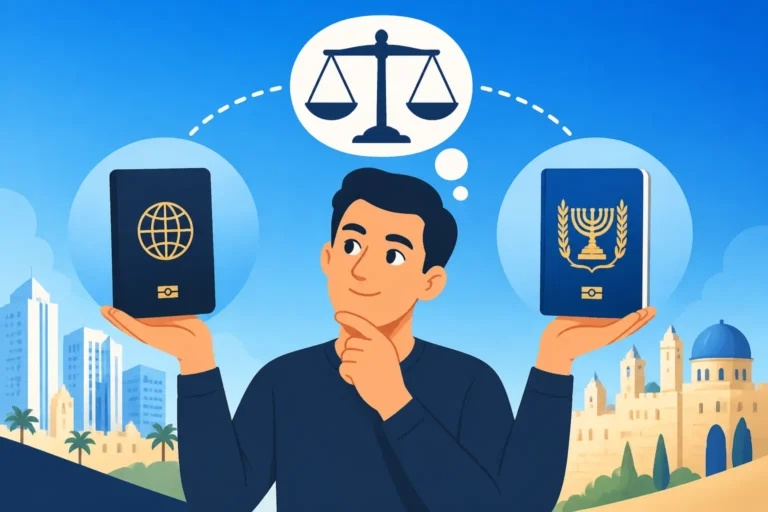
Perhaps the most significant and often challenging aspect for many applicants is the renunciation of prior citizenship. Unlike Aliyah, where dual citizenship is generally permitted, naturalisation typically requires you to give up your previous citizenship. Let that sink in. This is a huge decision, and it’s something you need to explore thoroughly with legal counsel and understand the implications for your ties to your birth country. There are exceptions and nuances, particularly for those whose home countries do not allow renunciation or for specific, rare circumstances, but the general rule is clear. Understanding Dual Citizenship Rules in Israel provides a deeper dive into this complex topic.
Finally, a clean criminal record is non-negotiable. The Misrad HaPnim will conduct thorough background checks to ensure you have not committed any serious offenses that would deem you unsuitable for citizenship. This goes without saying, but it's a fundamental aspect of any country's naturalisation process – they want citizens who uphold the law.
The Application Process: Navigating the Bureaucracy
So, you've met the core requirements. Now comes the part that often tests the patience and resilience of even the most seasoned expats: the application itself. This is where the paper chase begins, and believe me, it can feel like you're collecting documents for a treasure hunt across multiple continents.
Gathering Your Mountain of Documents
Preparing your application means gathering an extensive portfolio of documents, many of which will need to be officially translated into Hebrew and, in some cases, apostilled or legally verified by the Israeli embassy or consulate in your home country. This list is not exhaustive and can vary, but typically includes:
- Personal Identification: Your current passport, any previous passports, and your Israeli Teudat Zehut (identity card).
- Birth Certificate: Your original birth certificate, translated and possibly apostilled.
- Marriage Certificate/Divorce Decrees: If applicable, with translations and apostilles.
- Proof of Residency: Rental contracts, property deeds, utility bills (electricity, water, internet), Arnona (municipal tax) statements. These should cover your three years of residency.
- Employment History: Letters from employers, payslips, tax assessments, and Bituach Leumi contribution statements for the relevant period.
- Proof of Hebrew Knowledge: Ulpan certificates or other documentation.
- Police Clearance Certificate: From your country of origin and from Israel. This verifies your clean criminal record.
- Passport Photos: Recent, passport-sized photos.
- Visa History: Documentation of all your Israeli visas and residence permits, showing continuous legal status.
Let’s be honest, compiling this can feel like a part-time job. You might need to reach out to various government agencies in your home country, navigate different legal systems, and then deal with Israeli official requirements for translation and verification. It's perfectly normal to feel overwhelmed, and many people consider using immigration lawyers or consultants to help ensure everything is in order.
The Interview and Waiting Game
Once your formidable stack of documents is ready, the next step is to schedule an appointment at the Misrad HaPnim. If you've lived in Israel for any length of time, you know that booking an appointment at the Misrad HaPnim can be an exercise in patience and persistence. How Do I Book a Misrad HaPnim Appointment for My Visa? can give you some practical tips.
During the interview, an official will review your documents, ask you questions about your life in Israel, your intentions, your ties to the country, and your understanding of what becoming a citizen entails, including the declaration of loyalty and the potential renunciation of your prior citizenship. This is where your basic Hebrew skills might be assessed. Be prepared to articulate why you want to become an Israeli citizen and demonstrate your commitment.
After the interview, comes the infamous waiting game. The naturalisation process is not quick. It involves internal reviews, security checks, and approvals from various departments. The timeline can vary significantly, from several months to a year or even longer. During this period, it's essential to maintain your legal status in Israel and be prepared to provide any additional information the authorities might request. The uncertainty of the wait can be incredibly stressful, but it's a common experience for those going through the process. Keep all your correspondence and records meticulously organised.
Summary of Key Naturalisation Requirements in Israel
Here's a quick overview of the main requirements for naturalisation in Israel:
| Requirement | Details |
|---|---|
| Residency | Legal and continuous residence in Israel for at least three out of the five years immediately preceding the application. Must have held valid residence visas/permits (e.g., A/5 temporary residence visa, B/1 work visa). |
| Age | Applicant must be at least 18 years old. |
| Intent to Reside | Demonstrated intention to make Israel their permanent home and establish a "center of life" here. Evidenced by consistent employment, financial ties (Israeli bank accounts), stable housing, social integration, and Bituach Leumi contributions. |
| Hebrew Language | Basic knowledge of the Hebrew language, sufficient for simple conversation and understanding. May be assessed during an interview or proven with Ulpan certificates. |
| Declaration of Loyalty | A formal declaration of loyalty to the State of Israel and undertaking to observe its laws. |
| Criminal Record | A clean criminal record, supported by police clearance certificates from both Israel and the country of origin. |
| Renunciation of Citizenship | Generally required to renounce any previous non-Israeli citizenships. There are specific, limited exceptions; legal counsel is highly recommended to understand the nuances of Understanding Dual Citizenship Rules in Israel. |
| Valid Visa Status | Must maintain legal residence and valid visa status throughout the application process and until citizenship is granted. |
| Documents | Extensive documentation including birth certificates, marriage certificates, passports, proof of address, employment records, tax documents, visa history, and more. All non-Hebrew documents typically require official translation and apostille/legalisation. |
Special Considerations and What to Expect
The path to naturalisation, as you can see, is a marathon, not a sprint. While the primary requirements are clear, there can be individual circumstances that add layers of complexity. For instance, if you have children, their citizenship status will need to be addressed, and often, if one parent naturalises, the children under 18 can also become citizens. The process for adding family members to your Israeli health fund and ensuring their legal status is often intertwined with your own.
During this journey, ensuring your health insurance coverage is continuous is vital. While awaiting your final citizenship approval, it's possible your current visa status might lapse or require renewal. Companies like Cigna Global offer international health insurance plans that can provide peace of mind during such transitional periods, ensuring you're covered no matter your administrative limbo. And for those planning a move to Israel, resources like Sirelo can help manage the logistics of relocating your life, making the foundational steps of establishing residency a little smoother.
Ultimately, naturalisation is a profound legal and personal step. It signifies a deep commitment to Israel and its future. The process, while challenging, is a testament to the fact that you have chosen this country, and it, in turn, is choosing you back.
Disclaimer
The information provided in this article is for general informational purposes only and does not constitute legal, financial, or immigration advice. While we strive to provide accurate and up-to-date information, Israeli laws and regulations, particularly those concerning immigration and citizenship, are complex and subject to change. It is essential to consult with a qualified Israeli immigration lawyer or the relevant government authorities (such as the Misrad HaPnim) for advice tailored to your specific situation. Reliance on any information in this article is solely at your own risk.