How Do I Find Apartments for Sale in Central Tel Aviv?
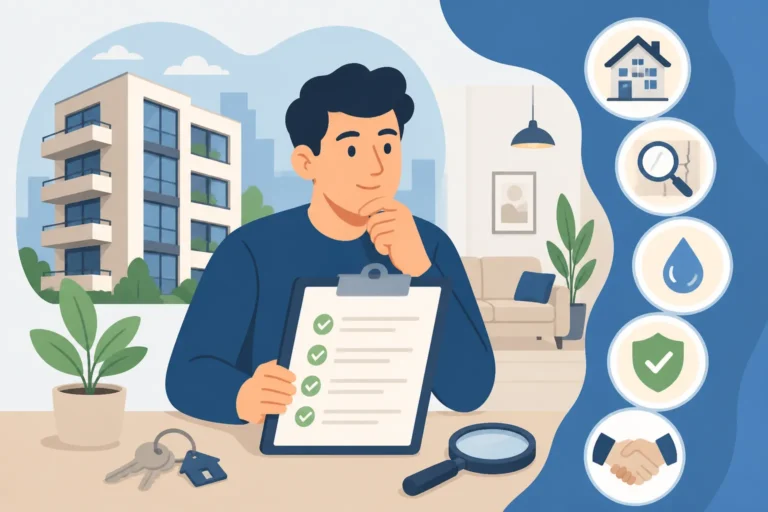
Ah, the quest for an apartment in Central Tel Aviv! My friend, you’re not just looking for a place to lay your head; you’re diving headfirst into one of the most dynamic, frustrating, and ultimately rewarding real estate markets on the planet. For so many of us expats, the dream of owning a slice of that vibrant Tel Aviv energy often clashes with the bewildering reality of sky-high prices, tiny apartments, and a dizzying purchase process. This guide is here to cut through the noise, validate your impending headaches, and offer some grounded, realistic advice on how to actually find an apartment for sale in this coveted part of Israel.
Understanding the Central Tel Aviv Real Estate Landscape
Before you even begin browsing listings, you need to arm yourself with a deep understanding of what makes the Central Tel Aviv real estate market tick. It’s not like buying property back home, believe me. This city has its own rhythm, its own unspoken rules, and its own unique set of challenges and charms.
Why Central Tel Aviv is Unique for Buyers
Central Tel Aviv isn’t just a location; it’s a lifestyle, a statement, and, quite frankly, a significant financial investment. What makes it so unique? For starters, the demand consistently outstrips supply. You’re looking at a densely populated, relatively small area with very limited space for new construction, especially compared to the insatiable desire for living right in the heart of things. This scarcity drives prices to eye-watering levels, often making even small, older apartments command prices that would buy you a mansion elsewhere.
Moreover, the architectural landscape is a blend of Bauhaus beauty, charming old "Tel Avivi" buildings, and a smattering of modern towers. This means you’ll encounter a huge range in apartment conditions, from beautifully renovated, high-tech smart homes to properties that haven’t seen an update since the 1960s. Many older buildings, while having incredible character and location, might come with hidden costs: outdated infrastructure, the need for significant renovations, or future building projects (known as Tama 38) that can be both a blessing and a major disruption. It’s crucial to remember that what looks like a bargain might just be a renovation project waiting to swallow your savings.
Navigating Price Expectations and Market Trends
Let's be brutally honest: Central Tel Aviv is expensive, even by international standards. When you start your search, throw out any preconceived notions of price per square meter you might have from London, New York, or Paris. Tel Aviv plays by its own rules. The average price for a modest 3-room (two-bedroom) apartment in a desirable central neighborhood like Rothschild Boulevard, Shenkin, or the Old North can easily start from 3.5-4 million NIS (around $950,000 – $1.1 million USD) and soar upwards from there, depending on condition, size, and specific street. You'll quickly see that How Much Does It Cost to Buy an Apartment in Tel Aviv? is a question with a very broad answer!
Understanding current market trends is vital. Historically, Tel Aviv real estate has been a sound investment, consistently appreciating over time. However, like any market, it experiences fluctuations. Interest rates, geopolitical stability, and even global economic shifts can influence buyer sentiment and pricing. You might hear whispers about a "bubble," but for decades, those whispers have often been proven wrong by the relentless demand. Expect a fast-paced market where good properties don't stay on the market for long. Be prepared to act quickly if you find something you love, but never, ever rush into a decision without proper due diligence. Knowing the nuances of the market means understanding the difference between a property that’s genuinely overpriced and one that’s just reflecting the going rate for its prime location.
The Practical Steps to Finding an Apartment
Now that your feet are firmly planted in the reality of the Central Tel Aviv market, let's talk about the how. This isn't just about browsing a website; it’s about strategic networking, patient searching, and a bit of street smarts.
Working with Real Estate Agents and Brokers
In Israel, particularly in a hot market like Tel Aviv, a good real estate agent (or metavech) is often indispensable, especially for expats. While it’s tempting to try and cut out the middleman to save on commission, the truth is, many of the best properties, or those that match specific expat needs (like English-speaking sellers or clear renovation potential), might only be accessible through agents. They often have exclusive listings or get early access to properties before they hit the general market.
A good agent will understand the local quirks, tell you if a price is truly outrageous, and, crucially, help you navigate the Hebrew-heavy communication and paperwork. They can also represent your interests during negotiations, which is invaluable given the cultural differences in bargaining. Be aware that agent fees in Israel are typically 2% plus VAT (Ma'am) of the purchase price, paid by both the buyer and the seller. This can feel like a hefty sum, but for many, it’s a necessary investment to smooth out a complex process. When choosing an agent, look for someone with specific experience in Central Tel Aviv, good reviews, and, ideally, recommendations from other expats. Transparency and clear communication are key – if they seem pushy or unforthcoming with information, keep looking.
Exploring Online Platforms and Resources
While agents are critical, you should absolutely be doing your own research and browsing. The primary Israeli real estate websites are Yad2 (yad2.co.il) and Remax-Israel (remax-israel.com), which is the local branch of the international franchise. These platforms are where most properties are listed, whether by private sellers or agents. Yad2, in particular, is a treasure trove of listings, from tiny studios to luxury penthouses. The challenge is, it's mostly in Hebrew, and you'll need to develop a keen eye for decoding the listings. You'll quickly learn common abbreviations and phrases, like "3 חדרים" (3 rooms – usually 2 bedrooms + living room), "משופצת" (renovated), or "דורש שיפוץ" (requires renovation).
Beyond these, there are Facebook groups dedicated to English-speaking expats buying or renting in Tel Aviv. These can be great for finding private listings, getting recommendations for agents, or just commiserating with others going through the same ordeal. Don’t underestimate word-of-mouth! Tell everyone you know you're looking to buy. In Israel, connections can sometimes open doors that official channels can't. You might also consider using international property portals that list Israeli properties, but often, the most up-to-date and comprehensive listings are found on local sites.
The Importance of Neighborhood Exploration
Central Tel Aviv isn't a monolith. It's a patchwork of diverse neighborhoods, each with its own character, amenities, and price points. Before you commit to a property, you absolutely must spend time exploring different areas. Walk the streets at different times of day – morning, afternoon, evening, and even during Shabbat. Does it feel lively or quiet? Are there green spaces? What's the parking situation like (a perpetual nightmare in Tel Aviv)? How close are supermarkets, pharmacies, and public transport links?
Consider areas like:
- Rothschild Boulevard/Neve Tzedek: Iconic, beautiful, historic, and incredibly expensive. Think high-end cafes, art galleries, and proximity to the beach.
- Florentin: Trendy, bohemian, artistic, with a younger crowd, bars, and street art. Can be more affordable but is rapidly gentrifying.
- Old North (Tzameret/Park Hayarkon area): Family-friendly, with more green spaces (near Park Hayarkon), good schools, and generally larger apartments. A bit further from the true "center" but still highly sought after.
- Shenkin/King George area: Bustling, central, great for shopping and nightlife, but can be noisy and apartments tend to be smaller and older.
- Lev HaIr (City Center): This is the true heart, encompassing many of the above, with a mix of residential, commercial, and cultural hubs. It's diverse but consistently high in demand and price.
A neighborhood that feels perfect during a Sunday afternoon might be a traffic-choked nightmare during rush hour or surprisingly deserted on a Friday night. Take the time to truly feel out a place before making a huge financial commitment. If you're new to Israel, getting a temporary local SIM card through providers like Airalo could be a lifesaver for navigation and constant communication during your explorations.
Essential Considerations Before You Buy
Once you’ve found a potential apartment, the real work begins. This is where you transition from dreaming to dealing with the nitty-gritty, and it can be a maze of bureaucracy, legalities, and financial commitments.
Financial Planning and Mortgage Considerations
Buying property in Israel requires a substantial down payment, typically ranging from 30% to 50% for residents, and often higher for non-residents. This is a critical point: if you're not an Israeli citizen or permanent resident, getting a mortgage can be more challenging and might require a larger down payment. Even for residents, securing a mortgage (mashkanta) from an Israeli bank is a process that requires careful planning and a good credit history. Banks will assess your income, existing debts, and the property's value. You'll need to understand concepts like prime rate (interest rate often tied to the Bank of Israel's base rate), fixed-rate mortgages, and indexed mortgages (where your principal might be linked to the Consumer Price Index).
It’s highly advisable to speak with a mortgage advisor (often called a yoez mashkanta) who specializes in working with olim and expats. They can help you navigate the different offerings from banks like Bank Hapoalim, Bank Leumi, or Mizrahi-Tefahot, and explain the various loan tracks available. Remember, the monthly mortgage payment will be a significant chunk of your income, so ensure you have a clear financial picture and a solid understanding of all associated costs before you sign anything. Don't forget to factor in ongoing expenses like arnona (municipal property tax) and vaad bayit (building committee fees).
Legal Due Diligence and the Purchase Process
The Israeli property purchase process is robust but can be incredibly complex. You absolutely, unequivocally, must hire a reputable, English-speaking real estate lawyer. This is not an area to cut corners. Your lawyer will perform crucial due diligence, checking the Understanding the Israeli Land Registry (Tabu) and Property System to ensure the seller has clear title to the property, that there are no liens or encumbrances, and that the property's description matches the registry. They'll also review the building's permits and plans to ensure there are no illegal additions or zoning issues.
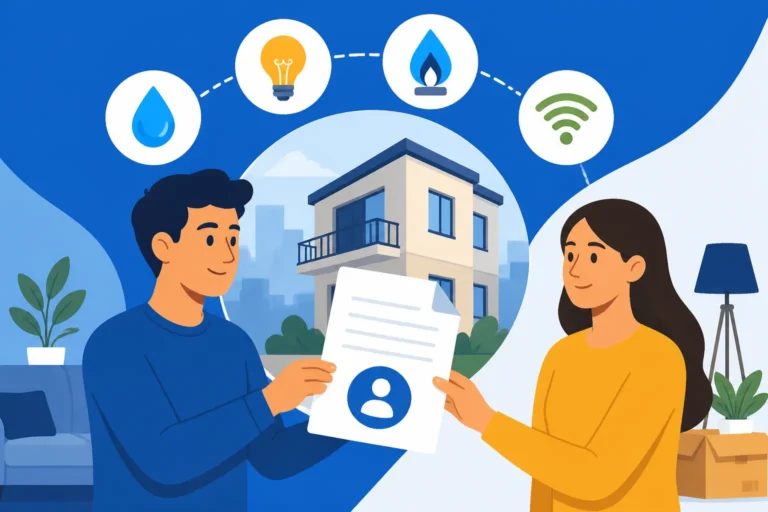
The lawyer will draft or review the purchase agreement (chozeh mechira), which is a legally binding document covering everything from the purchase price and payment schedule to conditions of sale and penalties for breach of contract. They will also handle the registration of the property in your name with the Land Registry, transfer of utility accounts, and other administrative tasks. Beyond your lawyer, you'll need to understand the various taxes involved, such as Understanding Purchase Tax (Mas Rechisha) on Property in Israel, which can be substantial, especially for second properties or luxury homes. There’s also betterment tax (mas shevach) if the seller has made a profit, which your lawyer will help manage. Make sure you fully understand What Are the Hidden Costs of Buying Property in Israel before committing.
Preparing for Life in Central Tel Aviv
Beyond the apartment itself, consider the broader implications of living in Central Tel Aviv. While the public transport system is improving with the new light rail, traffic can still be a nightmare, and parking can feel like a competitive sport. Are you planning to drive? Then you'll need to know How to Convert Your Foreign Driving Licence in Israel and understand local driving regulations.
For daily life, remember that while many services are available in English, integrating means embracing Hebrew. Even simple tasks like arranging utility hook-ups (How to Set Up Electricity (Chevrat HaChashmal) in Your Israeli Home) or understanding municipal bills will be easier with some basic Hebrew proficiency. Consider taking an Ulpan or using translation apps. Also, think about what you'll do with all your belongings. If you're moving internationally, researching reliable moving companies like Sirelo can save you a lot of stress. They specialize in international moves and can help with logistics, customs, and getting your stuff to your new Tel Aviv home.
Finally, embrace the culture. Central Tel Aviv is a city that never sleeps, with a vibrant food scene, endless cultural events, and a strong sense of community. It's a place where you can walk everywhere, bump into friends on the street, and truly feel alive. Yes, the process of buying an apartment here is tough, but the reward of calling this unique city home is, for many of us, absolutely worth it.
Disclaimer
Please note that the information provided in this guide is for general informational purposes only and does not constitute legal, financial, or real estate advice. Laws and regulations in Israel, particularly concerning property and immigration, can change frequently. It is essential to consult with qualified Israeli legal professionals, real estate agents, and financial advisors for advice tailored to your specific situation before making any decisions related to buying property in Israel.