How Much Does Private Health Insurance for a Family Cost in Israel?
Moving to a new country with your family is an adventure, but the moment a child gets a fever or a spouse needs a specialist, the "adventure" quickly turns into a stressful navigation of bureaucracy. Many families arrive thinking the public system covers everything, only to find themselves stuck on four-month waiting lists for a simple ultrasound. This guide breaks down exactly what private health insurance costs for a family in Israel and why it might be your most important investment.
Understanding the Layers of Healthcare in Israel
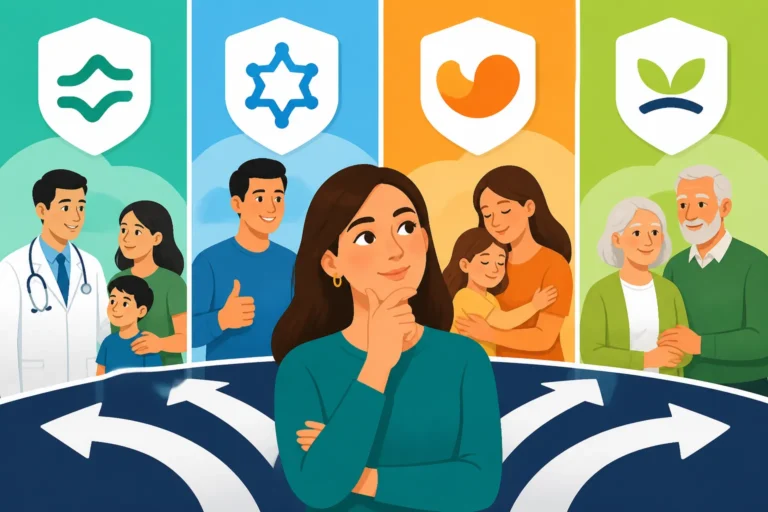
Before we talk about shekels and cents, we have to talk about how this system actually works. Israel has a universal healthcare system, which is fantastic in theory, but it operates in layers. Every resident is mandated by law to be part of one of the four health funds (Kupot Holim). While this covers basic needs, most veteran expats will tell you that relying solely on the basic basket is a recipe for frustration when you need urgent or specialized care.
The Public Foundation and its Limits
The basic coverage is what we call the "Health Basket" or Sal Briut. It is funded through your How Much Is the Monthly Bituach Leumi Health Contribution? payments. For a healthy individual, this might seem like enough. However, for a family, the limitations become apparent quickly. The public basket is strictly regulated; if a life-saving medication or a revolutionary new surgery isn't on the list this year, you are paying out of pocket. For families, this creates a terrifying gap in coverage that basic residency doesn't solve.
When you are Navigating the Israeli Healthcare System: An Expat's Roadmap (2027), you’ll find that the public system is excellent for emergencies (like a broken arm or a heart attack) but struggles with elective procedures. If your child needs to see a specific pediatric ear, nose, and throat specialist, the public system might assign you a doctor three towns away with an opening in three months. This is the primary "pain point" that drives families toward private options.
Why Families Pivot to Private Coverage
Private insurance in Israel isn't just about "better" care; it is about "choice" and "speed." In a private plan, you choose the surgeon. You choose the hospital. You get the MRI within 48 hours instead of 48 days. For a parent, that peace of mind is priceless. There is also the issue of "Surgeries Abroad." If a specialized treatment is only available in the US or Europe, the public system almost never covers it. Private plans, however, often have specific riders for international treatments and transplants.
For those who are still in the process of gaining residency or are working on a B/1 visa, the public system might not even be an option yet. In these transitional periods, many families look at international providers like SafetyWing to bridge the gap. SafetyWing offers the flexibility that local Israeli companies often lack, especially when you are moving between countries or waiting for your Teudat Zehut to be processed.
The Financial Breakdown Monthly Costs for an Average Family
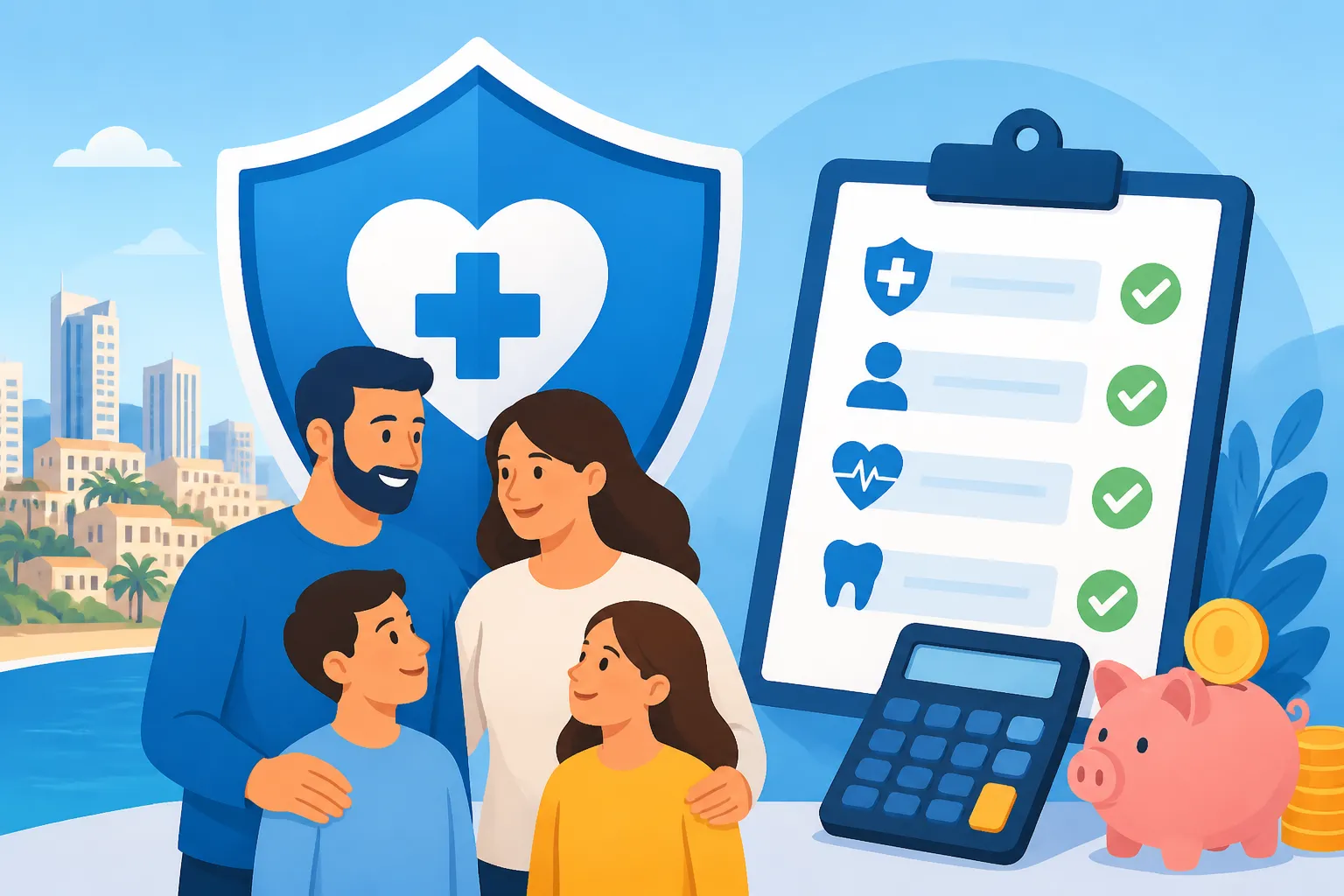
Let’s get into the nitty-gritty of the numbers. Private insurance costs in Israel are generally determined by three factors: the age of the family members, the level of coverage (commercial vs. supplementary), and the number of people on the policy. Unlike some countries where you pay a flat family rate, Israel usually prices per head, though "family discounts" are common when adding multiple children to a single policy.
Age-Based Premiums and Tiered Pricing
In the Israeli market, premiums are heavily weighted by age. A healthy 30-year-old parent might pay a fraction of what a 55-year-old parent pays. For children, the rates are usually very low, often ranging from 30 to 60 NIS per month, because the public system already covers a large portion of pediatric care. However, as the parents age, the "jump" in premiums every five years can be significant.
If you are a family of four (two parents in their late 30s and two young children), you can expect to pay anywhere from 350 NIS to 700 NIS per month for a solid commercial private policy. This is in addition to what you pay for your Supplementary and Private Health Insurance in Israel: Options Explained through your Kupat Holim. It sounds like a lot, but when you consider that a single private consultation with a top-tier neurologist can cost 1,500 NIS out of pocket, the monthly premium starts to look like a bargain.
Hidden Costs and Deductibles
One thing that catches many expats off guard is the "Hishtatfut Atzmit" or the deductible. Even with private insurance, you are often expected to pay a small fee for certain services. For example, a private surgery might have a deductible of 2,000 NIS, while the insurance covers the remaining 50,000 NIS. It is vital to read the fine print regarding these co-payments.
For those who travel frequently or aren't sure how long they will stay in the Holy Land, a global solution like SafetyWing can sometimes be more cost-effective because it avoids the local bureaucratic "waiting periods" that Israeli companies often impose on new clients. SafetyWing is particularly popular among the "digital nomad" families in Tel Aviv who need coverage that follows them if they decide to spend a summer in Greece or head back to the US for a visit.
| Family Member Profile | Estimated Monthly Cost (NIS) | Key Coverage Included |
|---|---|---|
| Child (0-18) | 30 – 60 | Orthodontics, developmental therapy, private specialists |
| Adult (25-35) | 120 – 180 | Choice of surgeon, diagnostic tests, maternity riders |
| Adult (45-55) | 250 – 450 | Advanced screenings, transplant coverage, medications not in "basket" |
| Family of 4 (Total) | 450 – 850 | Comprehensive commercial coverage for all members |
Comparing Public Supplements vs. Private Commercial Plans
This is where the confusion usually hits its peak. When you join a Kupat Holim like Maccabi or Clalit, they will immediately try to sell you their "gold" or "platinum" tiers. This is called Bituach Mashlim. It is technically "private" because you pay extra for it, but it is still managed by the public fund. You must decide if this is enough or if you need a "commercial" policy from a company like Harel, Phoenix, or Migdal.
Is Bituach Mashlim Enough?
For many families, the higher tier of the Kupah (like Maccabi Sheli or Clalit Platinum) is the baseline. It gives you discounts on Understanding Dental Care Coverage in Israel and maternity packages. However, it still operates within the Kupah's infrastructure. You are still limited to their list of doctors. If the best surgeon for your condition isn't in the Maccabi network, your "platinum" coverage won't help you see them privately.
This is why many veteran expats opt for a "dual" approach. They keep the highest level of the Kupat Holim for day-to-day things (like cheap prescriptions and dental checkups) but take out a commercial policy for "the big stuff"—surgeries, transplants, and medications outside the basket. When you are Choosing a Kupat Holim in Israel: Clalit, Maccabi, Meuhedet or Leumit (2027), remember that your choice of fund will dictate your supplementary costs, but your commercial private insurance remains independent.
The Wait Time Factor
The most significant difference between the layers of insurance is the waiting time. In the public system, a "non-urgent" MRI can take six months. With the Kupah's supplementary insurance, it might take three weeks. With a full commercial private policy, you can often get it done within 48 to 72 hours at a private facility like Assuta.
For a parent dealing with a child who has a developmental delay or a recurring ear infection, three months is an eternity. Being able to skip the queue is the primary reason the cost of healthcare is higher for those who value their time and mental health. If you are currently Working Remotely from Israel: The Definitive Expat Guide (2027), you might find that your foreign employer is willing to reimburse these private costs, as they are still significantly cheaper than health insurance premiums in the United States.
Choosing the Right Policy for Your Family
Choosing a policy isn't just about finding the lowest number on a spreadsheet. You need to look at the specific needs of your family members. Does anyone have a pre-existing condition? Are you planning on having more children? Do you want a doctor who speaks perfect English? These questions will narrow down your options significantly.
What to Look for in a Policy
When comparing quotes, check the "Medications" section first. This is the most critical part of an Israeli private policy. You want coverage for "Medications not included in the Health Basket." Every year, the Israeli government decides which new drugs to fund. If a drug costs 20,000 NIS a month and isn't on that list, only a private commercial policy will save you.
Secondly, look at the "Choice of Surgeon" clause. A good policy should allow you to pick any surgeon in Israel, not just those on a "preferred list." This gives you the freedom to research the absolute best expert for a specific procedure. If you are still learning the ropes, check out our guide on How to Find an English-Speaking Doctor in Israel to help you build your network of trusted professionals.
Managing Coverage for Non-Residents and New Arrivals
If you are a new arrival and don't yet have your The Expat Guide to National Health Insurance (Bituach Briut Mamlachti) in Israel sorted, you are in a vulnerable position. Israeli private companies often have "waiting periods" of 3 to 6 months before you can claim for major surgeries. This is where international plans are a lifesaver.
SafetyWing is a fantastic option during this "limbo" period. Because they are designed for people on the move, they don't have the same local residency requirements that Harel or Phoenix might insist upon. It allows you to protect your family from the moment you land at Ben Gurion Airport until you are fully integrated into the local system. Once you are settled and understand How Israel's Health Funds (Kupot Holim) Work: A Full Overview, you can then decide whether to transition to a local commercial plan or stick with a global provider like SafetyWing for the long haul.
Finally, always ask about "Family Discounts." Many insurers will offer a 10-15% discount if you insure both parents and at least two children under the same policy. Also, keep an eye on your How Much Is the Monthly Bituach Leumi Health Contribution? because if you are self-employed, your healthcare costs and tax deductions work differently. Being an Atzmai (self-employed) in Israel means you have to be extra diligent about your social security and health payments to ensure there is no lapse in your private coverage.
Disclaimer
This guide is intended for informational purposes only and does not constitute professional medical or financial advice. Health insurance laws, premiums, and the "Health Basket" contents in Israel change frequently. Always consult with a licensed insurance agent or broker in Israel before purchasing a policy to ensure it meets your family's specific needs and legal requirements.