What Health Services Are Free for Children in Israel?
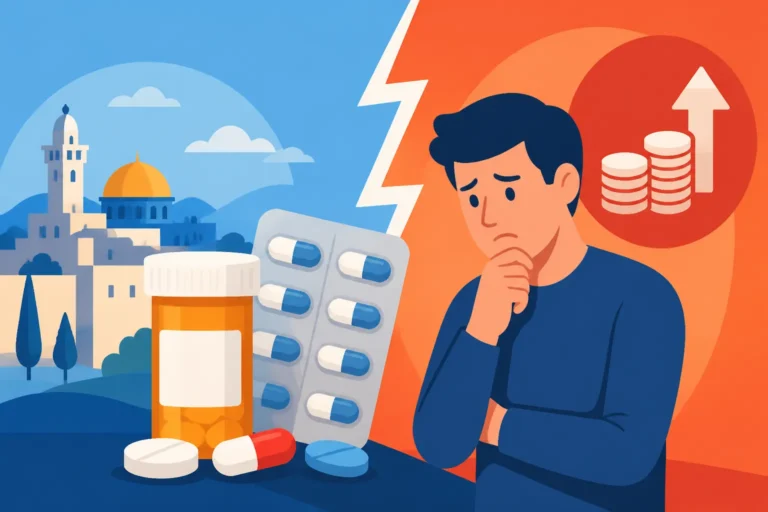
Moving to a new country with children often feels like a high-stakes balancing act between administrative paperwork and parental anxiety. One of the most common stressors for expats in Israel is figuring out the healthcare system and worrying about the cost of keeping their kids healthy. This guide clarifies exactly which health services are free for children in Israel, ensuring your family stays protected without breaking the bank.
The Foundation of Pediatric Care under the National Health Insurance Law
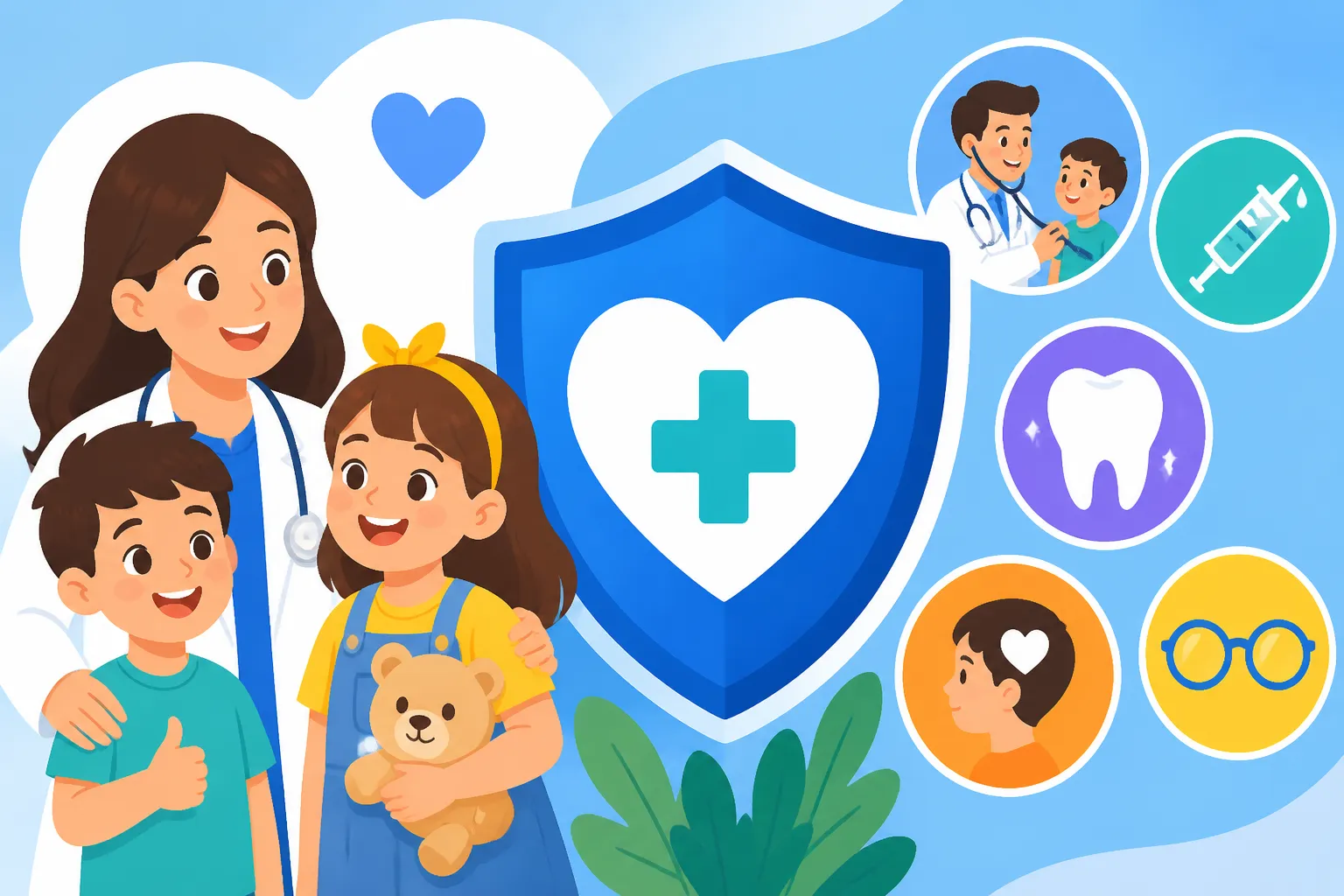
In Israel, the concept of healthcare is viewed as a fundamental right rather than a privilege. This is codified in the National Health Insurance Law, which mandates that every resident, including children from the moment of their birth or Aliyah, is covered by one of the four national health funds. These funds, known as Kupot Holim, provide a standardized set of services called the "Health Basket" (Sal Briut). For children, this basket is particularly generous, reflecting the cultural emphasis on family and the well-being of the next generation.
When you first arrive, the sheer volume of Hebrew forms and the loud, bustling atmosphere of the clinics can be overwhelming. I remember sitting in a waiting room in Tel Aviv with my toddler, clutching a temporary ID number and wondering if I was going to be hit with a massive bill for a simple ear infection. The reality was a relief: because he was registered with a Kupah, the visit cost us nothing. Understanding the National Health Insurance Law (Bituach Briut Mamlachti) is the first step in realizing that your child’s primary medical needs are largely pre-paid through your national insurance contributions.
The four health funds—Clalit, Maccabi, Meuhedet, and Leumit—all offer the same basic services for children for free, though their supplementary tiers might differ. While you are waiting for your official residency or if you are in the country on a visa that doesn't yet qualify for national insurance, services like SafetyWing can act as a crucial bridge, providing the necessary medical coverage so you aren't left exposed during that administrative gap.
The Role of the Kupat Holim in Daily Health
Once your child is registered, their primary point of contact is the Rofeh Yeladim, or pediatrician. Unlike some systems where you might see a general practitioner, in Israel, children see specialized pediatricians for almost everything. These visits are entirely free of charge. You can book appointments through user-friendly apps, which are increasingly available in English. This is where you go for the "bread and butter" of childhood health: fever checks, stomach bugs, and general physical exams.
Beyond the doctor’s visit, basic diagnostic tests are also free. If your pediatrician suspects a bacterial infection and orders a throat culture or a blood count, you simply walk down the hall to the clinic's laboratory. As long as the test is within the standard "Health Basket," there is no out-of-pocket cost. This seamless integration of doctor visits and lab work is one of the strongest features of the Israeli system. If you are living in the north, you might want to look into How Do I Find a Pediatrician (Rofeh Yeladim) in Haifa to see how local clinic networks operate.
Specialized Consultations and Referrals
If your child needs to see a specialist—such as an allergist, a dermatologist, or an orthopedist—the service remains free within the public system, provided you have a referral. This is a critical point: always ask your pediatrician for a Hafnaya (referral). Without it, the Kupah might not cover the cost, or you may be charged a nominal quarterly co-payment.
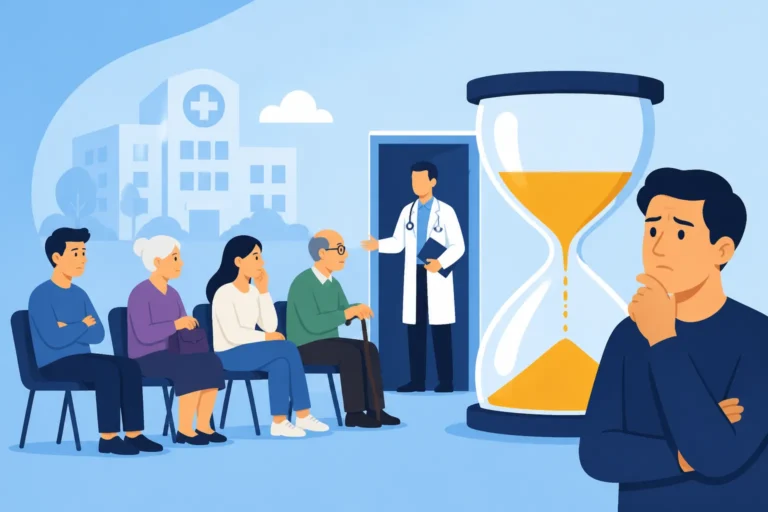
Learning How to Get a Referral (Hafnaya) to a Specialist in Israel is a skill every expat parent needs to master early on. While the specialized care itself is free, the wait times in the public system can sometimes be long. This is where many veterans choose to add a "supplementary" layer to their insurance, but for the basic, essential specialized care, the state has you covered.
Tipat Halav: The Backbone of Early Childhood Development
If you have an infant or a preschooler, you will become very familiar with Tipat Halav, which literally translates to "A Drop of Milk." These are family health centers run by the Ministry of Health or the municipalities, separate from the main Kupat Holim clinics. They are the frontline of preventive medicine for children from birth to age six.
The first time you walk into a Tipat Halav, you might be struck by how "no-frills" it feels compared to a private clinic in the US or UK. However, the nurses (Achayot) here are specialists in child development. They track growth percentiles, head circumference, and motor skills with meticulous care. For new parents, Understanding the Role of Tipat Halav (Family Health Centres) in Israel is vital because this is where all your routine preventive care happens, and it is entirely free for all residents.
Preventive Screenings and Developmental Milestones
At Tipat Halav, your child will undergo regular developmental screenings. These include vision and hearing tests at specific ages, as well as "Apgar-style" checks on motor skills and language acquisition. If a nurse notices a delay, they will provide a referral for further evaluation at a Child Development Center (Merkaz Hitpatchut HaYeled). These evaluations and subsequent treatments, like physical therapy or occupational therapy, are also largely covered for free or for a very low co-payment under the national health basket.
It is also worth noting that for families who are in Israel temporarily or are waiting for their Bituach Leumi (National Insurance) to kick in, services like SafetyWing can provide peace of mind for unexpected illnesses, while you navigate the registration for these state-run preventive services.
The National Vaccination Program
One of the most important free services offered at Tipat Halav is the national immunization program. Israel follows a rigorous vaccination schedule that is updated regularly based on World Health Organization recommendations. These vaccinations are provided at no cost to the parents.
When you go, you will receive a small orange or blue book called the Pinkas Chissunim (Vaccination Record). Keep this safe! You will need it for school registration later. If you are coming from abroad with a partially vaccinated child, the nurses will help you "catch up" to the Israeli schedule. For a deeper look at what to expect, read about Understanding Childhood Vaccination Schedules in Israel to ensure you are prepared for each milestone.
Dental Care and School-Based Health Services
One of the most significant changes in Israeli healthcare over the last decade has been the "Dental Reform." Historically, dental care was entirely private and very expensive. Today, the landscape is much more favorable for families. Most preventive and restorative dental treatments for children up to the age of 18 are now included in the national health basket and are provided for free or at a very minimal cost through the health funds' dental clinics (like Clalit Smile or Maccabi Dent).
This was a game-changer for my family. I remember the dread of a first cavity, only to find out that the filling, the exam, and even the X-rays were completely covered. For a full breakdown of what is included, you can check Understanding Dental Care Coverage in Israel. Generally, "free" services include:
- Periodic routine examinations.
- Annual dental cleanings (scaling).
- Fluoride treatments.
- X-rays (periapical and bitewing).
- Fillings (composite and amalgam).
- Root canal treatments.
- Extractions.
Health Services within the School System
Once your child enters the public school system (from age 6 and up), the Ministry of Health continues to provide certain services directly on campus. These are handled by school nurses and are designed to catch health issues that might interfere with learning.
Typically, in first and eighth grades, children receive vision and hearing screenings. In some grades, they also receive dental checks where a mobile unit visits the school. If a problem is identified, a letter is sent home to the parents with a recommendation for follow-up care at their Kupat Holim. Furthermore, How to Get Vaccinations and Immunisation Records in Israel becomes relevant again in the second and eighth grades, as certain boosters (like the Tdap or HPV vaccines) are administered in the school setting for free.
Emergency Care and Hospitalization
No parent wants to think about the Emergency Room, but in Israel, the rules for children are quite protective. If your child needs to be hospitalized, the entire stay—including surgeries, medications, and meals—is free under the national health insurance.
However, the "visit" to the ER (the Miyun) is only free under specific conditions. If you have a referral from a doctor or from an "after-hours" clinic (like TEREM), the ER visit is covered. It is also free if the child is admitted to the hospital, or in the case of specific injuries like fractures or deep wounds requiring stitches. If you go to the ER for a simple cold without a referral and are sent home, you may be billed several hundred shekels. Understanding Emergency Medical Care in Israel: What Every Newcomer Needs to Know can save you both money and stress during a crisis. For those who are not yet covered by the national system, having a policy like SafetyWing is essential to cover these high-cost emergency scenarios.
Summary of Free vs. Paid Services for Children
To help you visualize the costs, here is a breakdown of common services and their typical status for children under the age of 18 in the public system:
| Service Type | Cost in Public System (Kupah) | Notes |
|---|---|---|
| Pediatrician Visit | Free | Unlimited visits to your assigned doctor. |
| Specialist Visit | Free | Requires a Hafnaya (referral). |
| Routine Vaccinations | Free | Administered at Tipat Halav or School. |
| Developmental Checks | Free | Provided by Tipat Halav nurses. |
| Dental Exams/Fillings | Free | Up to age 18 at Kupah-linked clinics. |
| Lab Tests / Blood Work | Free | Must be ordered by a Kupah doctor. |
| Emergency Room (ER) | Free (Conditional) | Free if referred or if the child is admitted. |
| Hospitalization | Free | Includes all treatments while admitted. |
| Prescription Meds | Discounted Co-pay | Not free, but heavily subsidized by the state. |
| Orthodontics (Braces) | Full Price / Discounted | Usually not in the "Free" basket; requires supplement. |
Actionable Steps for Newcomers
If you have just arrived or are planning your move, follow these steps to ensure your child has immediate access to these free services:
- Register with Bituach Leumi: Ensure your residency status is updated so you can join a health fund. If you are an Oleh, this happens almost automatically, but check your status. For newborns, read How Do I Register My Newborn with a Health Fund in Israel to avoid delays.
- Choose a Kupat Holim: Research which fund has the best clinics in your specific neighborhood. Some neighborhoods are "Maccabi strong," while others have better Clalit facilities.
- Visit Tipat Halav: Don't wait until your child is sick. Go to your local branch with your child's birth certificate and foreign immunization records to open a file.
- Download the Apps: Every Kupah has an app. This is where you will book appointments, see test results, and even have "video calls" with pediatricians at night for free.
- Secure Temporary Coverage: If there is any doubt about your eligibility period, use SafetyWing to cover the gap. It is a small price to pay for avoiding a massive private medical bill.
Navigating a new healthcare system is a rite of passage for every expat. While the Hebrew might be daunting and the clinics crowded, the peace of mind knowing that your child’s health is a national priority is worth the effort. The "Free" services are robust, evidence-based, and designed to ensure that no child in Israel goes without medical care due to their parents' bank balance. Use this guide to make sure you are taking full advantage of the Sal Briut and giving your kids the best possible start in their new home.
Disclaimer
The information provided in this article is for general informational purposes only and does not constitute medical or legal advice. Healthcare laws and the contents of the Israeli Health Basket (Sal Briut) are subject to change by the Ministry of Health. Always consult with your Kupat Holim representative or a qualified medical professional regarding specific treatments and coverage. The author is an expat sharing personal experiences and research, not an official representative of the Israeli government or any health fund.