How to Access Mental Health Services in Israel as an Expat
Moving to a new country like Israel is an incredible adventure, full of new sights, sounds, and experiences. But let’s be real for a moment: it’s also incredibly stressful, disorienting, and sometimes downright lonely. Many of us expats find ourselves facing mental health challenges we never anticipated, from mild anxiety and homesickness to more serious depression or adjustment disorders. The good news is, you're not alone, and there are ways to access the mental health support you need here in Israel. This guide is here to help you cut through the confusion and find your path to well-being.
Understanding the Mental Health Landscape in Israel
Navigating any healthcare system in a foreign country can feel like a labyrinth, and mental health services in Israel are no exception. It’s not always straightforward, but with a bit of understanding, you can figure out how to get the help you need. The system here has its own unique structure, blending public and private options, each with its own advantages and hurdles for expats.
Public vs. Private Mental Healthcare
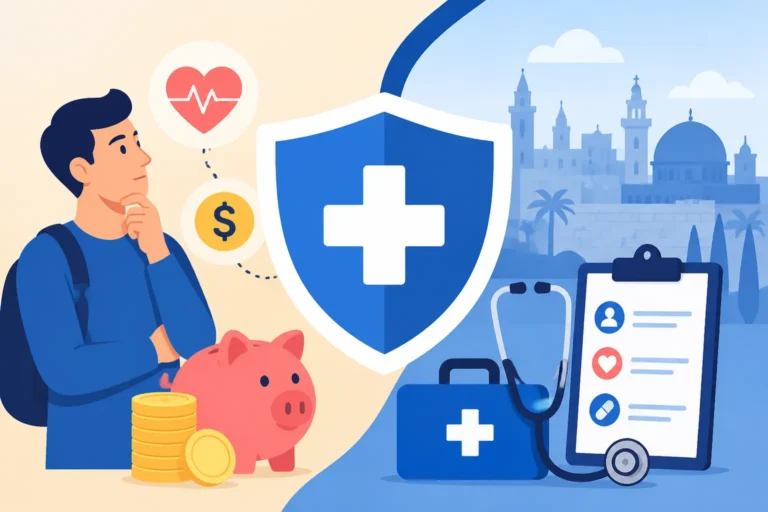
In Israel, mental healthcare, much like physical healthcare, operates on a dual system: public and private. The public system is primarily run through the four major health funds, known as Kupot Holim – Clalit, Maccabi, Meuhedet, and Leumit. If you're a legal resident, you’re entitled to services through one of these Kupot, which are subsidized by the state under the National Health Insurance Law. This means that for a relatively low monthly contribution, you have access to a wide range of medical services, including mental health support.
However, "access" doesn't always mean immediate or perfectly tailored care, especially for expats. Within the public system, you'll generally find psychiatrists, psychologists, and social workers available through your Kupat Holim clinics or affiliated mental health centers. The initial step usually involves consulting your family doctor, who can then provide a referral (known as a hafnaya) to a mental health professional. This gatekeeper role is standard practice here, and it's how you get things rolling. While the costs are significantly lower due to national health insurance, you might encounter longer waiting lists, especially for specific therapists or if you need an English-speaking professional.
The private mental healthcare sector, on the other hand, offers more flexibility and often quicker access, but at a higher cost. Here, you can directly approach private psychiatrists, psychologists, and therapists without a referral from your Kupat Holim. Many private practitioners cater specifically to the expat community, offering services in English or other foreign languages. The advantage is clear: you get to choose your therapist, often bypass waiting lists, and can find someone who truly understands your cultural background. The downside, of course, is the price tag, which can be substantial, making private insurance or a robust supplementary plan a significant consideration. We’ll delve into how supplementary insurance can help with these costs a bit later, as it's a common lifeline for many expats.
Cultural Perceptions and Stigma
When seeking mental health support in a new country, it's not just the administrative hurdles you face; it's also the cultural nuances and potential stigma surrounding mental health itself. In Israel, attitudes towards mental health have certainly evolved, but traditional views can still prevail in some segments of society. While psychotherapy is common, and Israel has a well-developed mental health infrastructure, there can still be a societal hesitance to openly discuss mental illness. This can manifest as a preference for "quietly" seeking help or a focus on physical symptoms over psychological ones.
For expats, this can be particularly challenging. You might come from a culture where mental health is openly discussed, or perhaps one where it's even more stigmatized than in Israel. Either way, adapting to the local cultural perceptions requires patience and understanding. You might find that Israeli professionals, while highly skilled, sometimes adopt a more direct communication style than you’re accustomed to, which could feel jarring when discussing sensitive topics. It’s crucial to find a professional who not only speaks your language but also appreciates the unique pressures and cultural context of the expat experience. Remember, your feelings are valid, and seeking help is a sign of strength, regardless of local perceptions.
Navigating the Public Healthcare System for Mental Health
Once you're settled in Israel and have chosen your Kupat Holim, the public healthcare system is your primary gateway to mental health services. It requires a bit of patience and knowing the right steps, but it’s a vital resource for many.
Registering with a Kupat Holim and Initial Steps
The very first step to accessing public mental healthcare in Israel is to ensure you are properly registered with one of the four Kupot Holim: Clalit, Maccabi, Meuhedet, or Leumit. This usually happens soon after you make Aliyah or receive your B/1 work visa. If you're a new immigrant, the process is usually initiated shortly after your arrival. You can learn more about this by checking out our comprehensive guide on How to Register with a Kupat Holim as a New Immigrant in Israel. Once registered, you'll receive a membership card and can choose your primary care physician, often referred to as a "family doctor" (rofeh mishpacha).
Your family doctor is typically the first point of contact for any health concern, including mental health. When you feel you need support, schedule an appointment with your family doctor. It's perfectly normal to say, "Ani margish lo tov b'neshafshuti" (I don't feel well in my soul) or simply explain your symptoms, whether they are anxiety, low mood, sleep disturbances, or difficulty adjusting. They will listen, ask questions, and, if appropriate, issue a referral (hafnaya) to a mental health specialist within the Kupat Holim system. This could be a psychologist, psychiatrist, or social worker, depending on your needs. Sometimes, your doctor might even suggest an initial consultation with a social worker, who can provide short-term counselling and help navigate the system further. Don't be shy about asking if your doctor knows any English-speaking mental health professionals or can guide you on how to find one.
Covered Services and Co-Payments
Under the National Health Insurance Law, the "Sal Briut" (Health Basket) defines the medical services that every Israeli resident is entitled to receive through their Kupat Holim. Mental health services are very much included in this basket, which is a huge relief for many. Generally, the public system covers a range of treatments, including psychotherapy (individual, group, and family), psychiatric evaluations, medication management, and psychological assessments. The exact specifics can vary slightly between Kupot Holim, but the core services are enshrined in law. For a detailed breakdown of what’s covered, you might find our article on Understanding the Health Basket (Sal Briut) and What It Covers particularly helpful.
While these services are covered, it's important to understand the concept of co-payments (hishtatfut atzmit). For many visits to specialists, including mental health professionals, you will be required to pay a small fee. This is a standard practice across the Israeli healthcare system. The amount of the co-payment can vary depending on your Kupat Holim and the specific service. For example, a visit to a psychiatrist might have a different co-payment than a session with a psychologist. These fees are usually relatively low, designed to be affordable. You can learn more about how these payments work in Understanding Co-Payments (Hishtatfut Atzmit) in the Israeli Health System. Be prepared for these small, regular out-of-pocket expenses, even within the public system. It’s always a good idea to clarify the co-payment amount when booking your appointment, especially if you're managing a tight budget.
Finding English-Speaking Professionals within the Kupah System
One of the biggest challenges for expats seeking mental health support in Israel, particularly within the public system, is the language barrier. While many Israelis speak excellent English, finding a mental health professional who is truly fluent and comfortable conducting therapy in English can sometimes feel like searching for a needle in a haystack. While your family doctor might speak English, the specialist they refer you to might not, or their English might be good for medical terms but less so for nuanced emotional discussions.
However, it's not impossible. Many Kupot Holim, especially in larger cities like Tel Aviv, Jerusalem, and Haifa, are increasingly aware of the need for English-speaking professionals. When you get your referral, don't hesitate to ask the clinic or appointment center specifically for an English-speaking therapist or psychiatrist. Sometimes, they might have a dedicated list, or at least be able to guide you. It may require a bit of persistence on your part, and potentially a longer wait, but it is worth advocating for yourself to find someone with whom you can truly communicate. Our guide on How to Find an English-Speaking Doctor in Israel offers broader advice that applies to mental health professionals too. Some Kupot Holim also have online portals or apps where you can search for specialists and filter by language, which can be a real time-saver. Don't give up if the first person you're referred to isn't a good fit; it's okay to ask for another referral.
Exploring Private Mental Health Options
While the public system provides essential coverage, many expats find that the private mental health sector offers solutions better suited to their unique needs, particularly regarding language and speed of access. It’s often about balancing cost with convenience and specialization.
Why Choose Private Care?
The decision to opt for private mental healthcare in Israel often comes down to several compelling reasons for expats. Firstly, and perhaps most crucially, is the issue of language. While efforts are made in the public system, private clinics and practitioners are far more likely to explicitly advertise services in English or other foreign languages. This isn't just about understanding words; it's about being able to express complex emotions and cultural nuances that can be lost in translation, even with a generally proficient English speaker. A private therapist who understands the expat experience is invaluable.
Secondly, reduced waiting times are a significant draw. While the public system offers subsidized care, it can come with frustratingly long waits for initial appointments or ongoing therapy, particularly for in-demand specialists. In a mental health crisis or when you simply need support sooner rather than later, private care can offer almost immediate access. You're typically able to book an appointment directly, often within days or a couple of weeks, rather than months. Thirdly, choice of professionals is a huge advantage. In the private sector, you have the freedom to research different therapists, read reviews, and select someone whose approach, expertise, and personality align best with your needs, rather than being assigned someone through the public system. This level of autonomy can be incredibly empowering when seeking mental health support.
Finding Private Therapists and Psychiatrists
Once you've decided to explore private mental health care, the next step is finding the right professional. There are several avenues to explore. Online directories are a great starting point; websites like Psychologia.co.il (which has an English version) allow you to search for psychologists and therapists by location, specialty, and language. Similarly, dedicated expat groups on social media platforms like Facebook are goldmines for recommendations. Many expats are more than willing to share their positive experiences with therapists who understand the specific challenges of living abroad.
Networking within the expat community can also be incredibly effective. Ask friends, colleagues, or even other expat parents if they have recommendations. Word-of-mouth referrals can often lead you to hidden gems. When you find a potential therapist, don't hesitate to schedule an initial consultation or a brief phone chat. This is your chance to ask about their experience with expats, their therapeutic approach, and their fees. Regarding fees, private therapy sessions can range significantly, typically from NIS 300 to NIS 600 or more per session for a psychologist, and often higher for a psychiatrist. For an idea of general private doctor costs, our article How Much Does a Private Doctor Visit Cost in Jerusalem? can give you a baseline, though mental health specialists may have different rates. Always clarify the cost upfront to avoid surprises.
Private Insurance and Reimbursement
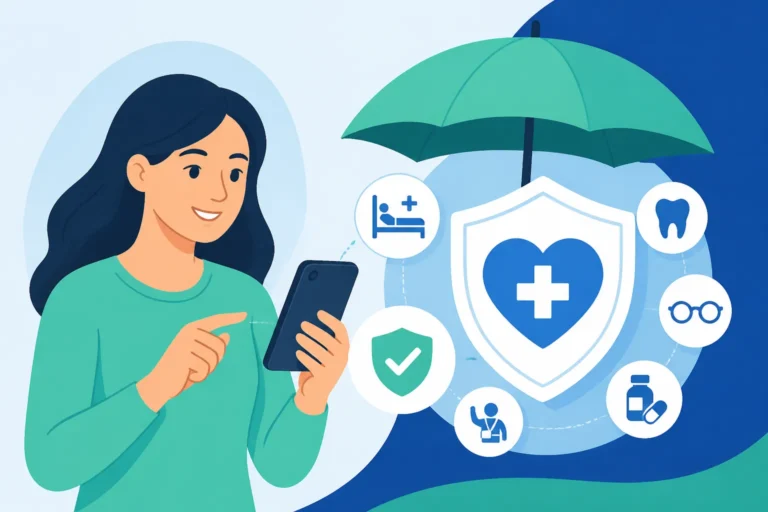
The cost of private mental health care in Israel can be a significant barrier for many. This is where insurance, particularly supplementary health insurance or a comprehensive international plan, comes into play. While Israel's National Health Insurance (Bituach Briut Mamlachti) provides baseline mental health coverage through the Kupot Holim, it doesn't typically cover private practitioners outside of the Kupah system. This is where Bituach Mashlim (supplementary insurance) from your Kupat Holim becomes a game-changer.
All four Kupot Holim offer supplementary plans that you can purchase in addition to your basic national insurance. These plans, often tiered (e.g., 'Gold' or 'Platinum' level plans), provide discounts and partial reimbursements for various private services, including mental health therapies. For example, your Bituach Mashlim might cover a certain number of private therapy sessions per year at a subsidized rate, or offer a percentage reimbursement after you've paid out-of-pocket. This can drastically reduce your costs. It’s worth exploring our guide on Understanding Supplementary Insurance (Bituach Mashlim) from Your Kupah and Is Bituach Mashlim Worth It for Expats in Israel? to see if these options are suitable for you. Each Kupah has different plans and different levels of coverage, so compare them carefully based on your needs.
Beyond the Kupot's supplementary plans, some expats choose to rely on private international health insurance. Companies like SafetyWing offer plans that are designed for nomads and expats, and they often include mental health benefits. These plans can be particularly useful if you anticipate needing consistent private care, or if you want the flexibility to see therapists who aren't affiliated with any Israeli Kupat Holim. Before committing to a private insurer, always read the fine print regarding mental health coverage: what types of therapy are covered, what are the limits, and are there any waiting periods? SafetyWing, for example, typically covers mental health support, but it's crucial to understand the specifics of your chosen policy. Make sure your policy covers outpatient therapy, psychiatric consultations, and any specific treatments you might need. Sometimes, these international plans will require you to pay upfront and then submit a claim for reimbursement, so keep meticulous records of all your appointments and payments.
Specialized Mental Health Services and Support Networks
Beyond individual therapy, Israel offers various specialized mental health services and robust support networks that can be particularly beneficial for expats. Knowing these resources can make a significant difference, especially in times of crisis or when seeking community.
Crisis Intervention and Emergency Services
Facing a mental health crisis in a foreign country can be terrifying. It's crucial to know how to access immediate help. In Israel, if you or someone you know is experiencing a severe mental health emergency – such as suicidal thoughts, severe panic attacks, or psychotic episodes – the immediate response should be to contact emergency services. The national emergency number for an ambulance (Magen David Adom, or MDA) is 101. They can transport individuals to the nearest hospital emergency room, which will have a psychiatric department or on-call psychiatrist. Our article on Emergency Medical Care in Israel: What Every Newcomer Needs to Know provides further details on navigating urgent medical situations.
Many general hospitals in major cities have emergency psychiatric services. For instance, Ichilov Hospital (Tel Aviv Sourasky Medical Center) in Tel Aviv and Hadassah Medical Center in Jerusalem have well-regarded psychiatric departments. You can present yourself or be brought in for evaluation. There are also specific mental health emergency hotlines. ERAN (Emotional First Aid by Telephone and Internet) is a national confidential hotline, available 24/7, that provides immediate emotional support. While their primary language is Hebrew, they often have volunteers who speak English. Don't hesitate to seek help; these services are there for critical situations and can provide a vital lifeline. Remember, knowing What Is the Emergency Phone Number in Israel? is one of the most important pieces of information you can have as an expat.
Expat Support Groups and Community Resources
One of the most powerful tools for maintaining mental well-being as an expat is a strong support network. Loneliness and isolation are common feelings, and connecting with others who understand your experience can be incredibly validating. Israel has a vibrant expat community, particularly in Tel Aviv, Jerusalem, and other major cities, and this has led to the development of various support groups. These groups, often found through Facebook groups (e.g., "Secret Tel Aviv" or "Expats in Jerusalem"), meet regularly for coffee, social events, or even structured discussion circles.
Beyond informal gatherings, there are organizations and community centers that specifically cater to new immigrants and expats. These can be excellent places to find resources, make connections, and sometimes even access subsidized counseling. For example, some Ulpan centers (Hebrew language schools) or community centers might offer support groups or workshops for new arrivals. Organizations like Nefesh B'Nefesh, while primarily focused on Aliyah, also provide ongoing support and resources that include mental health information and referrals. Building a sense of community is not just a social activity; it's a crucial component of mental resilience when living abroad.
Digital Mental Health Platforms and Telehealth
In our increasingly connected world, digital mental health platforms and telehealth services have become invaluable, particularly for expats who might struggle with access to in-person, English-speaking professionals or those living in more remote areas of Israel. Many online therapy platforms, both international and Israeli-based, offer sessions with licensed therapists via video call. These platforms can connect you with professionals who are not only fluent in your native language but also specifically trained in expat challenges, even if they are located in a different country.
The convenience factor is huge: you can have therapy sessions from the comfort of your home, fitting them around your schedule without the commute. However, there are a few considerations. Firstly, always ensure the therapist is licensed and qualified. Secondly, while some Israeli Kupot Holim are beginning to integrate telemedicine services for general consultations, direct reimbursement for international online therapy platforms can be tricky. It's essential to check with your supplementary or private international insurance (like SafetyWing) if they cover such services, and under what conditions. Our article Can I Use Telemedicine Services Through My Kupah in Israel? sheds light on the general availability of such services within the Kupot. If you're using an international platform, be mindful of time zone differences and ensure secure, private internet access for your sessions.
Practical Tips and Important Considerations
Navigating mental health as an expat in Israel involves more than just knowing where to go; it's also about practical strategies and self-advocacy. A few key considerations can make your journey smoother and more effective.
Language Barriers and Cultural Sensitivity
We’ve touched on language already, but it truly deserves emphasis. It’s not just about understanding the words; it's about being understood. When discussing your deepest feelings and struggles, even subtle nuances can be crucial. If you can, prioritize finding a mental health professional who is fluent in your native language. If that's not possible, choose someone whose English proficiency is excellent and who has experience working with expats. A good therapist will also possess cultural sensitivity. This means they understand that your experiences as an expat – the culture shock, homesickness, identity shifts, and administrative frustrations – are unique and profoundly impact your mental well-being.
Sometimes, Israeli directness, while efficient, can feel abrupt or less empathetic to individuals from cultures that prefer a more nuanced or indirect communication style, especially when discussing sensitive topics. Don't be afraid to voice if you feel misunderstood or if the communication style isn't working for you. It's part of finding the right fit. Similarly, be open to learning about Israeli cultural norms around mental health, but don't feel pressured to conform if it compromises your comfort or the effectiveness of your therapy. Your well-being is paramount.
Cost Management and Financial Aid
Mental health services, especially private ones, can be a significant financial investment. Managing these costs requires foresight and planning. As discussed, utilizing your Kupat Holim's basic and supplementary insurance is your primary defense against high out-of-pocket expenses. Always verify what your specific Bituach Mashlim plan covers for mental health services, including the number of sessions and reimbursement rates. Don't forget to inquire about any waiting periods before you can access certain benefits, which are common with supplementary insurance.
If private therapy costs are still prohibitive, even with insurance, explore other avenues. Some universities in Israel with psychology departments offer low-cost therapy sessions conducted by supervised graduate students. These clinics provide quality care at a fraction of the cost. Additionally, certain NGOs or non-profit organizations might offer subsidized counseling services, particularly for specific populations or issues. Always ask about sliding scale fees or reduced rates if you are facing financial hardship; some private practitioners may offer them on a limited basis. Remember that even international insurance providers like SafetyWing can provide a financial safety net for unexpected medical costs, but it’s crucial to understand your policy’s mental health benefits and limits before you rely on them.
Self-Care and Building Resilience
While professional mental health support is invaluable, remember that your daily habits and choices also play a massive role in your well-being. Think of self-care not as a luxury, but as a necessary component of your expat journey. This includes prioritizing adequate sleep, maintaining a balanced diet, and engaging in regular physical activity – even if it's just a walk along the beach in Tel Aviv or a hike in the Jerusalem hills. These fundamental practices build a strong foundation for your mental health.
Beyond the basics, actively cultivate activities that bring you joy and a sense of purpose. Explore new hobbies, engage with the local culture, join clubs, or volunteer. Maintaining connections with loved ones back home through video calls is also crucial, but equally important is building new friendships and a local support system in Israel. Learning Hebrew, even a few phrases, can significantly reduce daily stressors and foster a sense of belonging. Don’t underestimate the power of simply acknowledging your feelings, giving yourself grace during challenging times, and celebrating your resilience in adapting to life in a new country. It's a marathon, not a sprint, and your mental well-being is worth investing in.
Comparing Public and Private Mental Health Services in Israel
To help you make an informed decision, here's a quick comparison of the key aspects of public and private mental health services in Israel for expats:
| Feature | Public Mental Health Services (via Kupot Holim) | Private Mental Health Services |
|---|---|---|
| Accessibility | Requires referral from family doctor; can have longer waiting lists. | Direct access; usually quicker appointments. |
| Cost | Heavily subsidized by National Health Insurance; low co-payments. | Higher out-of-pocket costs; partial reimbursement possible with supplementary or private insurance. |
| Language | May be challenging to find English-speaking professionals; varies by location/Kupah. | Higher likelihood of finding English or foreign-language speaking professionals. |
| Choice | Assigned professionals within the Kupat Holim system. | Freedom to choose your own therapist/psychiatrist. |
| Coverage | Comprehensive services included in the Sal Briut (Health Basket). | Varies by practitioner and insurance; often covers psychotherapy, psychiatric consults. |
| Privacy | Records are part of your general Kupah medical file. | Higher degree of confidentiality, separate from general medical records. |
| Flexibility | Less flexibility in scheduling; standard session lengths. | Greater flexibility in scheduling, session length, and therapeutic approach. |
| Insurance Aid | Covered by basic National Health Insurance; supplementary (Bituach Mashlim) offers discounts. | May be partially covered by Bituach Mashlim or international private insurance (e.g., SafetyWing). |
Disclaimer
The information provided in this guide is for general informational purposes only and does not constitute medical, legal, or financial advice. While we strive to provide accurate and up-to-date information, healthcare systems, laws, and regulations in Israel can change. Always consult with qualified professionals for personalized advice regarding your specific situation.