How to Access Hospital Care at a Beit Holim in Israel
Navigating the Israeli healthcare system can feel like deciphering ancient texts, especially when it comes to something as critical as hospital care. It’s one thing to book a routine doctor’s appointment, but an entirely different, often daunting, experience when you suddenly find yourself needing to access a beit holim (hospital). This comprehensive guide is here to walk you through everything you need to know about accessing and receiving hospital care in Israel, from understanding the system's quirks to what to expect during an emergency.
Understanding Israel's Hospital System (Batei Holim)
When you first arrive in Israel, you quickly learn that healthcare here is a unique blend of public and semi-private services. The hospitals, or batei holim, are no exception. They form the backbone of the secondary and tertiary care system, dealing with everything from routine surgeries to complex medical emergencies. It's crucial to grasp how these institutions operate, especially for us expats who are used to different structures.
Public vs. Private Hospitals
Israel primarily operates a public healthcare system, meaning the vast majority of hospitals are publicly owned and funded, either by the government, a kupa holim (health fund), or a non-profit organization. These public hospitals are accessible to anyone registered with one of the four kupot holim – Clalit, Maccabi, Meuhedet, and Leumit – under the National Health Insurance Law. This is where most Israelis, and therefore most expats, receive their hospital care. The quality of care in these public institutions is generally very high, with excellent medical staff and advanced technology. However, like any public system, they can experience long waiting times for non-urgent procedures and, at times, feel overcrowded, especially in emergency rooms.
Alongside the public sector, there's a growing private healthcare market, which often operates within the public hospitals themselves through what's known as Sharap (Services Refusing Payment). This allows patients, typically those with supplementary or private health insurance, to choose their specific surgeon or specialist for a procedure and often receive quicker appointments or more personalized care. Some fully private hospitals exist, but they are fewer and typically focus on specific specialties or elective procedures. Understanding Public vs Private Healthcare in Israel: Which Should Expats Choose? can shed more light on these distinctions.
The Role of Kupot Holim in Hospital Care
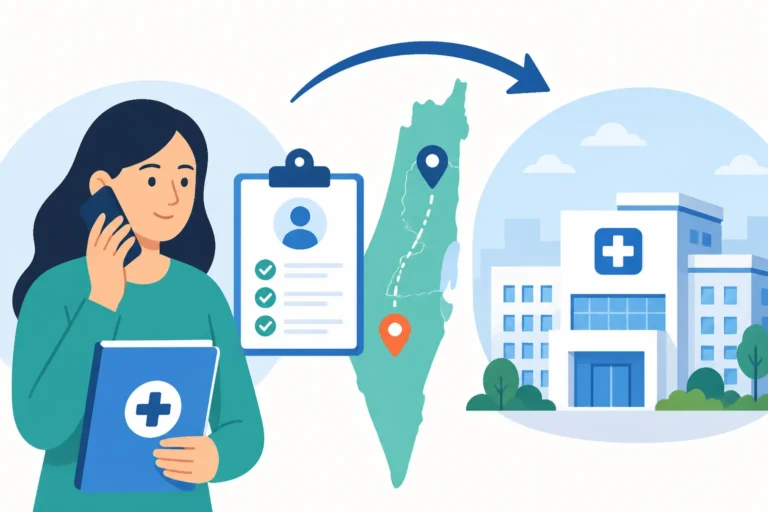
Your kupa holim is your gateway to virtually all healthcare services in Israel, including hospital care. When you need to be hospitalized for a planned procedure or specialist consultation, your family doctor or specialist within your kupa will typically provide a hafnaya (referral) to a specific hospital department or doctor. This referral is essential for ensuring your treatment is covered by your health fund. For most non-emergency situations, you simply cannot just walk into a hospital and demand treatment without this referral.
The kupot holim also play a significant role in funding and managing many of the public hospitals. For instance, Clalit, the largest kupa, owns and operates a number of its own hospitals, such as Soroka Medical Center in Be'er Sheva and Kaplan Medical Center in Rehovot. Even if your kupa doesn't own a particular hospital, they have agreements in place to cover services for their members. They also handle the co-payments for hospital stays and many procedures, which can be a relief, as dealing with direct billing in a foreign language can be incredibly stressful. You can learn more about How Israel's Health Funds (Kupot Holim) Work: A Full Overview.
Types of Hospital Departments and Services
Israeli hospitals are comprehensive medical centers, much like those in Western countries. They are typically structured into various departments to cater to different medical needs. You'll find departments such as:
- Internal Medicine (Pnim): Dealing with a wide range of adult diseases, often where patients are initially admitted for diagnosis and treatment of complex conditions.
- Surgery (Nituach): Housing various surgical specialties like general surgery, orthopedics, neurosurgery, and plastic surgery.
- Pediatrics (Yeladim): Dedicated to the care of infants, children, and adolescents. Many larger hospitals have separate emergency rooms for children.
- Obstetrics and Gynecology (Nashim ve'Leida): Covering women's health, including childbirth, gynecological surgeries, and fertility treatments.
- Cardiology (Lev): Focusing on heart conditions.
- Oncology (Sartan): Providing cancer treatment.
- Neurology (Etzbanim): Dealing with disorders of the nervous system.
- Emergency Room (Miyun): The front line for urgent medical issues.
Beyond these core departments, you'll also find specialized units like intensive care (TI N), neonatal intensive care (NICU), imaging departments (MRI, CT, X-ray), laboratories, and rehabilitation services. Many hospitals also host outpatient clinics (meraf'ot hutz) where specialists see patients on a referral basis, often serving as a bridge between community clinics and inpatient hospital care.
When to Seek Hospital Care: Emergency vs. Non-Emergency
It's a common dilemma for expats: "Is this serious enough for the hospital, or can my family doctor handle it?" Understanding the distinction between emergency and non-emergency situations, and how to access care for each, is vital in Israel. Misjudging this can lead to unnecessary costs, long waits, or, more importantly, delays in receiving critical treatment.
Emergency Room (Miyun) Procedures and Expectations
If you find yourself in a situation that is truly life-threatening or requires immediate medical attention, the emergency room (Miyun) is where you need to go. This includes sudden severe pain, chest pain, difficulty breathing, major injuries, severe allergic reactions, or any condition where waiting could cause significant harm. When you arrive at a Miyun, you'll first go through a triage process where a nurse assesses your condition to determine the urgency of your case. Patients with more severe or life-threatening conditions will always be seen first, which means if your situation is deemed less urgent, you could be facing a very long wait, sometimes many hours, especially during peak times.
Upon registration, you'll typically need your Teudat Zehut (identity card), your kupa holim card, and possibly any relevant medical documents you might have. Be prepared for a co-payment (hishtatfut atzmit) for the ER visit itself, which is usually around 200 NIS, unless you are admitted to a ward, arrive via Magen David Adom, or meet certain exemption criteria (e.g., specific injuries, childbirth, or being transferred directly from a kupa clinic with a valid hafnaya). Always hold onto all your receipts and paperwork; you might need them to claim reimbursement later, especially if you have supplementary insurance. Emergency medical care in Israel: What Every Newcomer Needs to Know offers more detailed advice.
Planned Hospital Admissions and Referrals
For non-emergency situations that still require hospital-level care – think elective surgeries, specialist diagnostics, or certain treatments that can't be handled in a community clinic – you'll need a planned admission. This process always begins with a referral (hafnaya) from your kupa holim doctor. Your family doctor or a specialist will determine the necessity of hospital care and issue the appropriate referral to a specific hospital department or clinic. For example, if you need knee surgery, your orthopedist will give you a hafnaya for the orthopedic department of a particular hospital.
Once you have your hafnaya, you'll contact the hospital's admissions department or the specific clinic to schedule your appointment or procedure. This often involves waiting, as specialist appointments and elective surgeries can have queues, particularly for popular departments or doctors. It’s crucial to present all your documents, including your kupa holim card and the referral, at every step to ensure proper registration and coverage. Sometimes, you might also need pre-authorization from your kupa for certain expensive treatments or surgeries, so always check with them beforehand to avoid any unwelcome financial surprises.
Understanding Magen David Adom and Emergency Transport
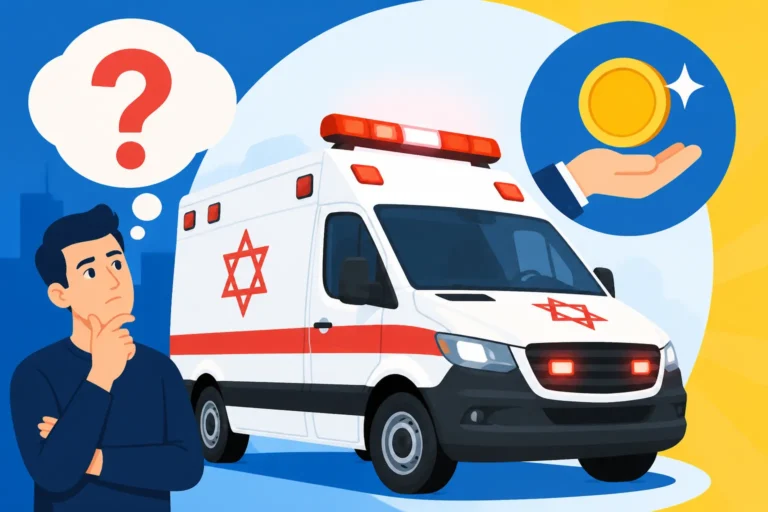
Magen David Adom (MDA) is Israel's national emergency medical service, similar to an ambulance service. If you or someone around you experiences a severe medical emergency that requires immediate transportation to a hospital, call 101. An MDA ambulance will be dispatched, and trained paramedics will provide initial medical care at the scene before transporting the patient to the nearest appropriate hospital. Remember, 101 is specifically for life-threatening emergencies. Do not call MDA for non-urgent matters like a sprained ankle or a minor fever, as this can tie up critical resources.
It's important to know that while MDA provides a vital service, ambulance rides are generally not free, even if you are covered by a kupa holim. There is a charge for the ambulance service itself. However, if you are ultimately admitted to the hospital directly from the ambulance, or if the emergency is deemed life-threatening by the MDA staff, your kupa holim will often cover the cost. If you're not admitted or it's not a true emergency, you will be billed for the transport. This is a point of confusion for many newcomers, so it’s good to be aware. For tourists or those without Israeli health coverage, having a robust travel insurance plan like SafetyWing is highly recommended, as they can help cover these emergency transportation costs and subsequent hospital care. You can also explore Understanding Magen David Adom and Emergency Response in Israel for further details.
Navigating the Hospital Stay: Practical Tips for Expats
A hospital stay in any country can be unsettling, but even more so when you're in a foreign land. The language barrier, different customs, and unfamiliar procedures can add layers of stress. Arming yourself with practical knowledge can make the experience smoother and help you advocate for your care.
Registration, Documentation, and Language Barriers
When you arrive at the hospital, whether planned or in an emergency, the first stop (after triage in an ER) will be registration. You will need your Teudat Zehut (identity card) or passport, and your kupa holim membership card. If you're a new Oleh or expat and haven't yet received your Teudat Zehut or kupa card, bring any temporary documents you have, such as your Teudat Oleh or temporary health fund registration papers. Always keep copies of these important documents in an accessible place, just in case.
Language can be a significant hurdle. While many doctors and some nurses in Israeli hospitals speak English, especially in larger cities like Tel Aviv and Jerusalem, you cannot always count on it for every interaction. Don't be shy about asking for an English-speaking staff member or, if possible, bringing a Hebrew-speaking friend or family member to help translate. Hospitals are generally accustomed to dealing with a multicultural population, so they often have resources or staff who can assist. Clearly communicate your needs and don't hesitate to ask questions if you don't understand something. It is your right to fully comprehend your medical situation and treatment plan.
Understanding Co-payments and Financial Aspects
Israeli healthcare, while largely public, is not entirely free. You will encounter co-payments (hishtatfut atzmit) for various services, including hospital visits, specialist consultations, and medications. For an emergency room visit, as mentioned, there's a standard co-payment unless you meet specific exemption criteria or are admitted. For planned hospital stays, the costs of the stay itself and procedures are generally covered by your kupa holim, but you might still have co-payments for certain medications, tests, or specific treatments not fully covered by the basic health basket (Sal Briut).
It’s always a good idea to clarify the financial implications of your treatment with the hospital's billing department and your kupa holim beforehand, especially for planned procedures. If you have supplementary insurance (Bituach Mashlim) through your kupa, or private health insurance, these can significantly reduce or eliminate co-payments and even cover certain private services (like Sharap). Remember to keep all payment receipts and discharge summaries. These are vital for potential reimbursement claims, either from your kupa or your private insurer, such as SafetyWing, which offers coverage for unexpected medical costs abroad. Getting a handle on Understanding Co-Payments (Hishtatfut Atzmit) in the Israeli Health System can save you a lot of grief.
Visitor Policies and Support Systems
Israeli hospitals generally have quite open visitor policies, though these can vary between departments and can change due to public health situations (like during a pandemic). In general, family and friends are encouraged to visit, providing crucial emotional support to patients. Some departments, like intensive care units or pediatric wards, will have more restricted visiting hours or limits on the number of visitors at one time. It's always best to check with the specific ward staff about their current visitor policies.
When it comes to support systems for patients, especially those who may be alone or have language difficulties, hospitals do their best. Social workers are available to assist with discharge planning, connecting patients to community resources, and providing emotional support. Volunteer organizations also play a significant role in Israeli hospitals, sometimes providing comfort to patients or helping with navigation. Don't hesitate to ask a nurse or staff member about these services if you feel you or your loved one needs extra support. Having a familiar face, even if they can only provide comfort, can make a world of difference.
Post-Hospital Care and Follow-up
Getting discharged from the hospital is a relief, but the journey doesn't end there. The period immediately following hospitalization is crucial for recovery and often requires careful coordination of follow-up care. For expats, understanding how this works in Israel is key to ensuring a smooth transition back to daily life and continued health.
Discharge Procedures and Medication
When the medical team decides you are ready to be discharged, they will provide you with a detailed discharge summary (sikum shichrur). This document is incredibly important. It will include information about your diagnosis, the treatment you received in the hospital, any procedures performed, and most critically, instructions for your post-discharge care. This includes medication prescriptions, recommendations for follow-up appointments, dietary restrictions, activity limitations, and warning signs to watch out for. Make sure you understand every part of this document before you leave. Don't be afraid to ask for clarification, especially if you're dealing with a language barrier.
You will typically receive prescriptions for any new medications or refills you need. These can be filled at the hospital's pharmacy (if it has one) or, more commonly, at a community pharmacy (beit mirkachat) outside the hospital, often associated with your kupa holim. Be aware that medication co-payments apply, and it's always wise to clarify with the pharmacist if you have any questions about dosages or potential side effects. The guide on Prescription Medications and Pharmacies in Israel: The Complete Guide can provide a deeper dive into this aspect.
Referrals for Rehabilitation or Home Care
For patients who require ongoing support after discharge, such as physical therapy, occupational therapy, or nursing care at home, the hospital's social work department and your discharging doctor will usually coordinate referrals. Israel has a robust network of rehabilitation centers (batai shi'kum) and home care services, often integrated with the kupot holim. For example, if you've had a stroke, you might be referred to a specialized rehabilitation hospital for intensive therapy. If you've undergone surgery, your doctor might recommend physiotherapy sessions at a kupa clinic.
It's essential to follow up on these referrals promptly. Your kupa holim will be instrumental in covering the costs and arranging these services, although certain co-payments may still apply. Sometimes, there can be a waiting period for specific rehabilitation programs or home care services, so early coordination is beneficial. If you have private insurance that covers home care or specialized rehabilitation, check with your provider to understand your benefits and how to utilize them.
Accessing Medical Records and Follow-up Appointments
Your comprehensive medical records are generally maintained digitally by your kupa holim. After a hospital stay, the discharge summary and often detailed reports from your hospitalization will be sent to your kupa and integrated into your electronic file. You can typically access your medical records through your kupa's online portal or mobile app. This is incredibly helpful for keeping track of your health history and sharing information with other doctors.
Follow-up appointments with your family doctor or specialists are a crucial part of post-hospital care. The hospital's discharge summary will often recommend specific follow-ups. You will need to contact your kupa holim clinic to schedule these appointments. Many kupot allow you to book appointments online through their apps (e.g., How to Book Appointments Through Clalit and Maccabi Apps), which can be a real time-saver. Don't underestimate the importance of these follow-ups; they allow your doctors to monitor your recovery, adjust medications, and address any new concerns that may arise.
Specific Scenarios and Considerations for Expats
As an expat, certain life events or unique situations might present particular challenges when accessing hospital care in Israel. From welcoming a new family member to navigating mental health support, understanding the specific pathways can ease the stress significantly.
Maternity and Childbirth in Israeli Hospitals
For expectant expat parents, childbirth in Israel is a truly unique experience. Israeli hospitals have excellent maternity wards, offering high-quality care, often with a focus on natural childbirth options and supportive environments. You'll typically choose a hospital to give birth at, and your kupa holim will cover the costs of the birth itself, provided you are a registered member. It's common for hospitals to offer tours of their maternity wards, and many have dedicated English-speaking staff or information for international parents.
During your pregnancy, you'll receive prenatal care through your kupa holim clinics and Tipat Halav (Family Health Centers). When it's time to give birth, you simply go to your chosen hospital's maternity ward. You'll need your Teudat Zehut and kupa holim card. While the birth itself is covered, there might be additional costs for private rooms, specific pain relief options not in the standard basket, or if you opt for a private doula or midwife who isn't affiliated with the hospital. Remember to register your newborn with your health fund promptly after birth to ensure they are covered for any immediate medical needs. Understanding Maternity and Prenatal Care in Israel can provide more in-depth insights.
Mental Health Hospitalization
Accessing mental health services in Israel, including hospitalization, can be a sensitive and complex matter. If you or a loved one experiences a severe mental health crisis requiring inpatient care, psychiatric departments exist in many general hospitals, and there are also dedicated psychiatric hospitals. Admission can be voluntary or, in severe cases where there is a danger to oneself or others, involuntary, through a court order or emergency psychiatric evaluation.
Your first point of contact for mental health concerns should typically be your family doctor at your kupa holim, who can provide an initial assessment and referral to a psychiatrist or therapist. If hospitalization is deemed necessary, they will facilitate the referral. It's important to note that while mental health services are covered by the National Health Insurance Law, waiting lists for outpatient psychiatric care can sometimes be long. In an acute crisis, the emergency room of a general hospital with a psychiatric ward can also be accessed. Having an advocate or a supportive friend can be immensely helpful in navigating these challenging situations, especially with potential language barriers. Learn more about How to Access Mental Health Services in Israel as an Expat.
Health Coverage for Non-Residents and Tourists
If you're in Israel on a tourist visa or without formal residency and kupa holim coverage, accessing hospital care can be a different experience, primarily concerning cost. In an emergency, Israeli hospitals will provide life-saving treatment regardless of your insurance status. However, you will be expected to pay for these services, and the costs can be substantial. For non-emergencies, hospitals may require upfront payment or proof of adequate international health insurance before providing treatment.
This is where travel health insurance becomes absolutely critical. Plans like SafetyWing, designed for digital nomads and travelers, can offer essential coverage for unexpected medical emergencies, hospital stays, and emergency medical evacuation while you're in Israel. Without such coverage, you could face immense out-of-pocket expenses. Always carry your insurance details with you and understand your policy's terms regarding direct billing or reimbursement procedures. If you are here on a work visa, check How to Access Healthcare on a Work Visa in Israel for specific guidance, as your employer might be responsible for providing private health insurance if you're not yet eligible for kupa holim coverage.
Key Contacts and Hospital Information
To make your experience in Israel a little less stressful, here's a quick reference table for key contacts and general information.
| Service/Type of Care | Primary Access Point | Key Contact Information / Notes |
|---|---|---|
| Emergency (Life-Threatening) | Magen David Adom (MDA) | Phone: 101 (Ambulance), provides transport to nearest hospital. |
| Non-Emergency Hospital Care | Your Kupa Holim Doctor | Requires hafnaya (referral) from your kupa family doctor/specialist. |
| Emergency Room (Miyun) | Hospital ER | Direct access for urgent medical issues; expect co-payment. |
| General Inquiry / Advice | Your Kupa Holim Call Center | Available by phone or app for appointment booking, general questions. |
| Major Hospitals (Examples) | Various | Ichilov (Tel Aviv), Hadassah (Jerusalem), Rambam (Haifa), Soroka (Be'er Sheva), Sheba (Tel HaShomer). Many others throughout the country. |
Please note that this table provides general guidance. Specific procedures and costs can vary based on your kupa holim, your insurance plan, and the specific hospital.
Disclaimer
The information provided in this guide is intended for general informational purposes only and does not constitute medical, legal, or financial advice. While we strive to provide accurate and up-to-date information, the Israeli healthcare system, laws, and policies can change. Always consult with qualified medical professionals, legal experts, or your specific health fund for personalized advice regarding your situation. Accessing hospital care is a serious matter, and informed decisions should be made in consultation with those who can provide professional guidance relevant to your individual circumstances.