How Do I Set Up Direct Debit for Electricity Bills in Israel?
Oh, the sheer joy of tackling Israeli bureaucracy, especially when it comes to something as seemingly simple as paying your utility bills! If you’ve ever found yourself staring at a Hebrew electricity bill, frantically trying to decipher due dates and payment options, or worse, received a threatening SMS about an overdue payment you never knew existed, you’re not alone. This guide is here to walk you through the process of setting up a direct debit (known locally as Hora'at Keva) for your electricity bills, sparing you future headaches and ensuring your lights stay on without a hitch.
The Mighty Israel Electric Company: Your Sole Power Provider
Let’s start with the basics. In Israel, electricity is supplied by one main entity: the Israel Electric Corporation (IEC), known in Hebrew as Chevrat HaChashmal (חברת החשמל). There’s no shopping around for better rates or different providers here, which simplifies one aspect but means you’re entirely beholden to their system. As an expat, navigating this monopoly can feel like a labyrinth, especially when you’re still getting your bearings after the move – perhaps you even used a service like Sirelo to help with the logistics of getting settled.
Understanding Your Electricity Bills
When you first move into a new apartment or house in Israel, one of the first things you'll do is put the electricity bill into your name. This is usually done by contacting Chevrat HaChashmal directly or, often, your landlord will assist. Once that’s sorted, you'll start receiving bills. These bills typically arrive every two months. Yes, every two months! This bimonthly cycle catches many newcomers off guard, as they might be used to monthly billing elsewhere.
The bills themselves can be a beast. While the Israel Electric Company has made some strides in offering digital access and information, the primary bill you receive in the mail is still largely in Hebrew. It contains crucial details like your customer number (מספר לקוח or מספר חוזה), the amount due, the due date, and various codes for payment. Missing one of these bills, or simply misunderstanding it, can lead to late fees, which are an unwelcome surprise, to say the least.
Why Direct Debit is Your Best Friend
You might think, "I'll just pay online when the bill comes." And sure, that works for a while. But between work, social life, and the general chaos of living in a new country, it's incredibly easy for an electricity bill to slip through the cracks. Then come the stern SMS messages, sometimes followed by actual disconnection threats if things go unpaid for too long. Trust me, nobody wants to come home to a dark apartment because of a forgotten bill.
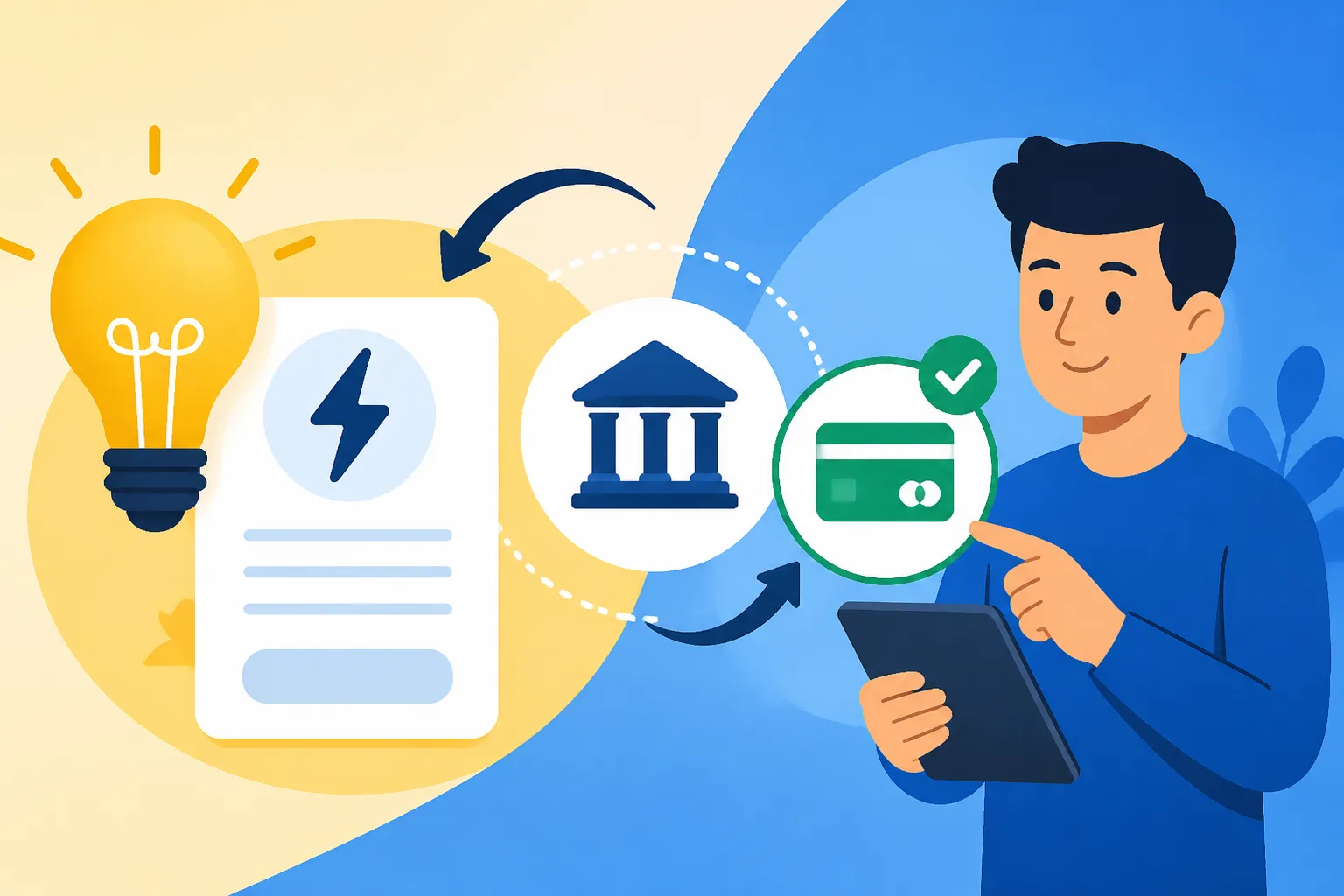
This is where setting up a direct debit, or Hora'at Keva, becomes your absolute savior. It's essentially an automatic payment system where your bank pays the bill directly from your account on the due date. Once it’s set up, you can virtually forget about your electricity bills, knowing they’ll always be paid on time. You'll still receive the bimonthly bill, often as a courtesy, and you can still review the charges, but the actual payment is handled automatically. This single administrative step provides immense peace of mind and is a proactive way to manage your finances in Israel. It's a fundamental part of managing your monthly expenses, much like Understanding Arnona (Municipal Property Tax) in Israel, which you’ll also want to automate.
Your Step-by-Step Guide to Setting Up Direct Debit
Alright, let's get down to brass tacks. Setting up a direct debit for your electricity bill in Israel involves a few options, each with its own quirks. The most common methods involve either going through the Israel Electric Company directly or setting it up via your Israeli bank.
Option 1: Setting Up Direct Debit Through Chevrat HaChashmal Online
The Israel Electric Company has an online portal, and while it's much improved, it can still be a bit of a hurdle for non-Hebrew speakers. However, it's a solid option if you prefer to deal directly with the utility provider.
-
Gather Your Details: Before you even open the website, make sure you have everything at hand:
- Your customer number (מספר לקוח or מספר חוזה) – this is found on any past electricity bill.
- Your Israeli ID number (Teudat Zehut number). If you're a new oleh, this might be your passport number linked to your Oleh file, but eventually, you'll use your How Do I Get a Teudat Zehut (Identity Card) in Israel number.
- Your Israeli bank account details: bank name, branch number (מספר סניף), and account number (מספר חשבון). You would have received these when you went through the process of How to Open a Bank Account at an Israeli Bank as a Foreigner.
-
Navigate the Website: Go to the official Israel Electric Company website (www.iec.co.il). Look for sections related to "תשלומים" (payments) or "הוראת קבע" (direct debit). Sometimes it's under "שירות לקוחות" (customer service). If you're struggling with Hebrew, have Google Translate open or, even better, ask a trusted Hebrew-speaking friend to sit with you. Many Israeli sites now have a small "EN" or "English" button, usually in the top right corner, but don't always count on it to translate everything.
-
Find the Direct Debit Form: Once you're in the right section, you'll need to locate the form to set up Hora'at Keva. You'll typically be asked to log in or enter your customer number and ID.
-
Input Your Bank Details: The form will require you to enter your bank details. Double-check everything meticulously! A single wrong digit in your branch or account number could mean your direct debit won't be set up correctly, leading to those frustrating missed payments.
-
Confirm and Submit: After entering all the information, review it one last time before submitting. The website should provide a confirmation message or email. Keep a screenshot or print-out of this confirmation.
The Catch: While doing it directly through Chevrat HaChashmal seems logical, sometimes the system can be finicky. It might take a billing cycle or two for the direct debit to fully activate. Always keep an eye on your bank statements and the next bill to ensure the payment went through.
Option 2: Setting Up Direct Debit Through Your Israeli Bank
This is often the preferred method for many expats because, once you're comfortable with your bank's online platform, it can feel more intuitive. Most major Israeli banks, like Bank Leumi, Bank Hapoalim, and Mizrahi-Tefahot, offer robust online banking services where you can manage direct debits. When choosing your bank, consider factors discussed in How to Choose the Best Bank for Expats in Israel.
-
Log In to Your Online Banking: Access your personal account via your bank's website or mobile app. If you haven't already, you'll want to get comfortable with How to Set Up Online Banking and Transfers in Israel.
-
Find the "Hora'at Keva" or "Direct Debits" Section: This is usually found under a menu like "תשלומים" (payments), "הוראות קבע" (direct debits), or "העברות ובנקים" (transfers and banks). Sometimes it's buried, so a little searching might be required.
-
Initiate a New Direct Debit: Look for an option to add a new Hora'at Keva. You'll typically need to select the "payee" or "biller." For electricity, you'll look for "חברת החשמל לישראל" or "Israel Electric Company." There might also be a specific "company code" or "Masak" (מס"ק) number that your bank uses to identify the Israel Electric Company. A quick web search for "מספר מס"ק חברת החשמל" will usually give you the correct code (which is often around 1968 or similar, but verify for your specific bank).
-
Enter Your Customer Number: This is critical. The bank needs your Chevrat HaChashmal customer number (מספר לקוח or מספר חוזה) so they know which electricity account to pay. This is how they link your specific electricity bill to the general "Israel Electric Company" biller.
-
Set the Terms (Optional but Important): Some banks allow you to set a maximum amount for the direct debit. This can be useful if you're worried about unusually high bills, although for electricity, it's generally better to let the full amount be paid to avoid partial payments and subsequent issues. You can also specify a start date.
-
Confirm and Approve: Review all the details, especially your customer number and the selected company. Confirm the setup. Your bank will usually send you an SMS or email confirmation of the new Hora'at Keva.
Visiting a Bank Branch: If the online process feels overwhelming, or you're simply not comfortable navigating a Hebrew banking interface, don't hesitate to visit your bank branch. Take your latest electricity bill with you, along with your Teudat Zehut. Explain to a teller (or ask for an English-speaking representative if available) that you want to set up a Hora'at Keva for your electricity bill. They will be able to do it for you directly, often in just a few minutes. This can be particularly helpful for new arrivals still getting their feet wet with The Expat Guide to Setting Up Utilities in Israel.
Option 3: Phone Support (Use as a Last Resort)
You can try calling the Israel Electric Company's customer service. Their main number is 103. While they do have English-speaking representatives, wait times can be notoriously long, and explaining sensitive financial details over the phone in a non-native language can be stressful.
- Have Everything Ready: Customer number, ID number, bank details.
- Be Patient: Seriously, Israeli customer service lines require the patience of a saint.
- Confirm, Confirm, Confirm: If you manage to get through and set it up, ask for multiple confirmations, an email summary, or a reference number.
This method is genuinely a last resort. The online banking method (Option 2) or visiting a branch is usually far less painful.
Comparison of Direct Debit Setup Methods
Here’s a quick overview of the methods to help you decide:
| Method | Pros | Cons | Ideal For |
|---|---|---|---|
| Chevrat HaChashmal Online | Direct with provider, modern interface (sometimes). | Heavily reliant on Hebrew, can be glitchy. | Those comfortable with Hebrew or strong online navigation skills. |
| Israeli Bank Online | Centralizes bill payments, often more user-friendly. | Requires familiarity with bank's specific platform/Hebrew. | Expats who manage their banking online and prefer a single platform. |
| Israeli Bank Branch Visit | Personal assistance, reduces language barrier stress. | Requires a trip to the bank, wait times. | Newcomers, those less tech-savvy, or facing language difficulties. |
| Chevrat HaChashmal Phone Support | Can be done from home. | Long wait times, language challenges, difficult to confirm. | Absolute last resort if other options are inaccessible. |
Troubleshooting and Important Considerations for Expats
Even after you think you’ve got it all sorted, a little vigilance goes a long way. Setting up Hora'at Keva is fantastic, but it's not a set-it-and-forget-it entirely.
Always Confirm Your Direct Debit is Active
After setting up your direct debit, don't just assume it's working. For the first two billing cycles, always check your bank statement to ensure the electricity bill was paid. You should see a debit entry from "חברת החשמל" on or around the bill's due date. If you don’t see it, or if you receive a new bill that doesn’t indicate "paid by Hora'at Keva," then something went wrong. Don't panic, but act quickly. Call your bank or Chevrat HaChashmal (depending on where you initiated the setup) to investigate. This proactive check will save you from potential disconnections.
Updating or Cancelling a Direct Debit
Life in Israel is dynamic, and you might find yourself needing to update your direct debit. Perhaps you’ve opened a new bank account after comparing options for The Complete Guide to Cost of Living in Israel for Expats (2026), or you're moving house.
- Changing Bank Accounts: If you switch banks or even just move funds to a new account within the same bank, you’ll need to update your direct debit details. You can usually do this through your new bank's online platform, setting up a fresh Hora'at Keva and ensuring the old one is cancelled. You can also contact Chevrat HaChashmal directly to update your details.
- Moving House: This is crucial. When you move, your Chevrat HaChashmal customer number (and therefore your direct debit) is tied to the meter at your old address. You must cancel the direct debit for your old address once you’ve finalized your move-out and transferred the account out of your name. Then, for your new address, you'll set up a brand-new electricity account and a new direct debit. Failing to do this could mean you're still paying for electricity at your old apartment, and the new tenant isn't!
Navigating the Language Barrier
The Hebrew language barrier is a common pain point for expats in Israel, and utility setup is no exception. Here are some tips:
- Google Translate & Browser Extensions: Keep them handy for translating website text. Google Chrome's built-in translation is a lifesaver.
- Ask a Friend: Don't be shy about asking a Hebrew-speaking friend or colleague for help. Israelis are often incredibly helpful when it comes to navigating bureaucracy.
- Expat Groups: Online expat groups on Facebook or WhatsApp are full of people who've gone through this. Someone might even have screenshots or step-by-step guides for specific bank interfaces.
- Stay Connected: When you're making these calls or navigating websites, ensuring you have reliable internet access is key. Services like Airalo can provide a local eSIM for data, keeping you connected without relying on shaky Wi-Fi when you need to confirm details on the go.
Setting up a direct debit for your electricity bill is one of those small victories that significantly reduces administrative stress for expats in Israel. It takes a little effort upfront, but the peace of mind it offers is truly invaluable. Make sure to tick this off your list right after you get your bank account squared away and your electricity account in your name.
Disclaimer
The information provided in this guide is for general informational purposes only and does not constitute financial, legal, or professional advice. While we strive to keep the information up-to-date and accurate, processes and regulations in Israel can change frequently. Always consult with official government sources, your bank, or the Israel Electric Company for the most current and specific guidance related to your situation.