Understanding Childhood Vaccination Schedules in Israel
Moving to a new country like Israel with children means a whole new set of administrative and cultural adjustments, and perhaps one of the most critical, yet often overlooked until you're in it, is understanding the local healthcare system for your little ones. Suddenly, you're faced with new names for vaccines, different schedules, and a system that feels miles away from what you're used to. This comprehensive guide is here to walk you through everything you need to know about childhood vaccination schedules in Israel, helping you navigate the process with confidence and clarity.
Navigating the Israeli Childhood Vaccination Landscape
When you first arrive in Israel with your family, the sheer volume of new information can be overwhelming. From finding a place to live to figuring out public transport, the thought of deciphering a foreign vaccination schedule might feel like just one hurdle too many. But understanding the system, particularly the pivotal role of "Tipat Halav" centers, is crucial for your child's health and your peace of mind.
The "Tipat Halav" System: Your First Stop
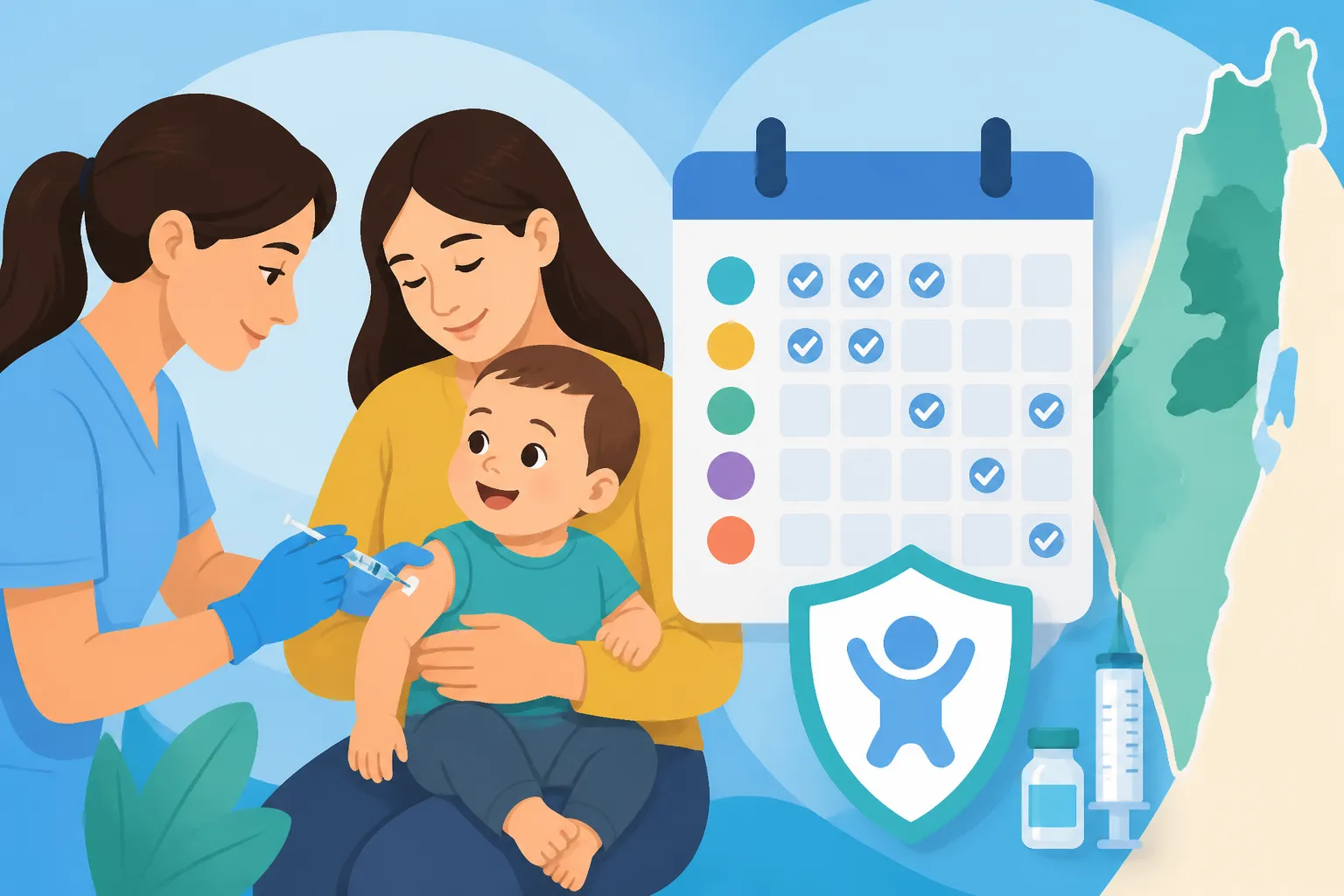
In Israel, for all things related to early childhood health, including routine check-ups, growth monitoring, and most importantly, vaccinations, your journey begins with the "Tipat Halav" (literally "Drop of Milk") centers. These are state-funded, community-based family health centers that are absolutely central to pediatric care for children from birth up to around six years old. They operate under the Ministry of Health and are staffed by nurses and sometimes doctors who specialize in maternal and child health. These centers are not just places for jabs; they are where you'll get advice on breastfeeding, child development, nutrition, and general parenting support. Many expats initially find the concept a bit different from a direct pediatrician-led model, but Tipat Halav is incredibly effective in ensuring broad public health coverage for young children.
Once you've settled, one of your very first tasks should be to locate your nearest Tipat Halav center and register your child. This is a separate process from registering with a Kupat Holim (health fund), although the two systems work hand-in-hand. The Tipat Halav nurses will be your primary point of contact for the official vaccination program, offering guidance, administering vaccines, and keeping meticulous records. While many Kupot Holim also offer some vaccination services, especially for older children or specific campaigns, the core early childhood schedule is primarily delivered through Tipat Halav. You can learn more about how these essential centers function by reading our detailed guide on Understanding the Role of Tipat Halav (Family Health Centres) in Israel.
Why Vaccinations Matter and Expats' Unique Concerns
The importance of vaccinations, both globally and locally, cannot be overstated. They are a cornerstone of public health, protecting not only individual children but also the wider community by reducing the spread of preventable diseases. For expats, this takes on an even more nuanced dimension. You're integrating into a new society with different endemic diseases, potentially different strains, and a population with varying immunity levels. Ensuring your child is on schedule with Israeli vaccinations means they are protected against the specific health risks prevalent here.
Moreover, if you're a new arrival, your initial health coverage might be in flux. While waiting for your full Kupat Holim registration to process – which can take a short while depending on your visa status, especially for new Olim – it's crucial to understand your options for immediate needs. Many people consider comprehensive international health insurance like SafetyWing to bridge any initial gaps in coverage, ensuring that unexpected health issues are managed without financial stress while the local systems kick in. This kind of upfront planning can be a lifesaver, especially if you arrive before your National Health Insurance (Bituach Briut Mamlachti) fully activates. Being prepared for any eventuality, particularly concerning your children's health, helps ease the transition significantly.
The Israeli Ministry of Health sets the vaccination schedule based on rigorous scientific evidence, considering local epidemiology and global best practices. As an expat, you might find some differences compared to your home country's schedule – perhaps different ages for certain doses or the inclusion of vaccines you weren't familiar with. It's a completely normal part of adapting to a new country's healthcare norms. The goal is to provide your child with the best protection possible within the Israeli context.
The Standard Israeli Childhood Vaccination Schedule
Understanding the specific vaccination schedule is key. While the Ministry of Health may make minor adjustments over time based on public health needs, the core schedule remains largely consistent. It's designed to provide protection at optimal ages for vaccine effectiveness and disease prevention.
Vaccines from Birth to One Year
The first year of a child's life is packed with developmental milestones, and also with critical vaccination appointments. These early vaccines protect against some of the most serious childhood diseases.
- At Birth: Your newborn will typically receive the Hepatitis B (HBV) vaccine in the hospital shortly after birth. This protects against a virus that can cause severe liver damage. Often, a second dose of HBV is given at Tipat Halav at one month of age, sometimes combined with the oral polio vaccine (OPV), though the schedule can vary slightly.
- 2 Months: This is usually when things really kick off. At this visit, your baby will likely receive the first dose of the DTaP-IPV-Hib-HepB vaccine (a combination vaccine protecting against Diphtheria, Tetanus, acellular Pertussis (whooping cough), Inactivated Polio Vaccine, Haemophilus influenzae type b, and Hepatitis B). They will also get the first dose of the Pneumococcal (PCV13) vaccine, which protects against serious bacterial infections, and the Rotavirus (RV) vaccine, administered orally, to prevent severe diarrhea.
- 4 Months: Another crucial set of injections. This visit typically includes the second dose of the DTaP-IPV-Hib-HepB combination and the second dose of the PCV13 vaccine. The second dose of the oral Rotavirus vaccine is also given here.
- 6 Months: For many children, this marks a continuation of the primary series. They usually receive the third dose of the DTaP-IPV-Hib-HepB, completing the initial course for several of those diseases. Depending on the schedule, the Hepatitis B component might be a separate injection if not already completed.
- 12 Months: This is a big one! At around one year old, children receive the first dose of the Measles, Mumps, Rubella (MMR) vaccine, which is incredibly important for protecting against these highly contagious viral diseases. They also typically get the first dose of the Varicella (chickenpox) vaccine, and the third dose of the Pneumococcal (PCV13) vaccine. Some children might also receive a booster for Haemophilus influenzae type b (Hib) if their previous doses were part of a different combination.
This first year's schedule might seem daunting, especially with multiple injections at each visit, but the Tipat Halav nurses are adept at making the experience as smooth as possible for both you and your baby. Don't hesitate to ask them questions in English – many nurses, particularly in expat-heavy areas like Tel Aviv or Jerusalem, have some English proficiency.
Vaccines for Toddlers and Preschoolers (1-6 Years)
As your child grows into their toddler and preschool years, the vaccination schedule shifts to booster doses and introducing a few more protections.
- 18 Months: At this age, a booster dose of the DTaP-IPV vaccine (Diphtheria, Tetanus, acellular Pertussis, Inactivated Polio Vaccine) is commonly administered. This reinforces the immunity built during infancy.
- 24 Months (2 Years): The second dose of the MMRV vaccine (Measles, Mumps, Rubella, Varicella – a combined shot for MMR and chickenpox) is typically given around this age. This is critical for ensuring long-lasting immunity and preventing outbreaks of these diseases.
- School Entry (5-6 Years): Before entering first grade, children often receive a booster shot of the DTaP-IPV vaccine, sometimes referred to as the "Tdap" (Tetanus, Diphtheria, acellular Pertussis) for older children and adults, ensuring they are well-protected as they enter a new environment with increased social interaction. This is often a good time to ensure all records are up to date before school registration.
Keeping track of these appointments is crucial. The Tipat Halav centers will usually provide you with a vaccination booklet (sometimes called a "pink book" or "دفتر חיסונים" in Hebrew) where all doses are recorded. This booklet is your official record and should be guarded carefully.
School-Aged Vaccinations (6 Years and Up)
Vaccinations don't stop once a child reaches elementary school. The Israeli health system continues to provide important protections as children grow into adolescence, often administered through school health services or again through your local Kupat Holim.
- Grade 2 (around 7-8 years old): Children often receive another dose of the Tdap vaccine (Tetanus, Diphtheria, acellular Pertussis) and the Inactivated Polio Vaccine (IPV) booster. This is part of the ongoing effort to maintain high immunity levels against these diseases.
- Grade 8 (around 13-14 years old): At this stage, girls and increasingly boys receive the Human Papillomavirus (HPV) vaccine, which protects against certain types of cancer, primarily cervical cancer. This is a two-dose series, usually given 6-12 months apart. Another Tdap booster might also be given around this age, especially if the earlier schedule differs.
- Grade 9 (around 14-15 years old): Sometimes a second dose of HPV is given if not completed in Grade 8. Also, a final Tdap booster or Meningococcal ACWY vaccine might be offered in specific circumstances or regions.
These school-based vaccinations are usually coordinated directly with the schools by the Ministry of Health or local health departments. Parents will receive notification and consent forms. It’s important for expats to understand that these school programs are integral to the national vaccination strategy.
Here's a simplified table outlining the general Israeli childhood vaccination schedule:
| Age | Recommended Vaccines | Administered At |
|---|---|---|
| Birth | Hepatitis B (HBV) | Hospital |
| 1 Month | Hepatitis B (HBV) (2nd dose) | Tipat Halav |
| 2 Months | DTaP-IPV-Hib-HepB (1st), PCV13 (1st), Rotavirus (1st) | Tipat Halav |
| 4 Months | DTaP-IPV-Hib-HepB (2nd), PCV13 (2nd), Rotavirus (2nd) | Tipat Halav |
| 6 Months | DTaP-IPV-Hib-HepB (3rd) | Tipat Halav |
| 12 Months | MMR (1st), Varicella (1st), PCV13 (3rd) | Tipat Halav |
| 18 Months | DTaP-IPV (Booster) | Tipat Halav |
| 24 Months | MMRV (2nd) | Tipat Halav |
| 5-6 Years | DTaP-IPV (Booster) | Tipat Halav / School |
| 7-8 Years (Gr. 2) | Tdap-IPV (Booster) | School / Kupat Holim |
| 13-14 Years (Gr. 8) | HPV (1st dose) | School / Kupat Holim |
| 14-15 Years (Gr. 9) | HPV (2nd dose) | School / Kupat Holim |
Please note: This table is a general guide and the exact schedule can be subject to minor changes by the Ministry of Health. Always consult with your Tipat Halav nurse or pediatrician for the most current and personalized information.
Understanding Specific Vaccines in Israel
While the schedule can seem like a jumble of acronyms, knowing a bit more about what each vaccine protects against can really help you feel more confident about your child's health.
The MMR (Measles, Mumps, Rubella) Vaccine
The MMR vaccine is a powerhouse, offering protection against three highly contagious and potentially serious viral diseases. Measles, in particular, has seen global resurgences in recent years, making robust vaccination rates crucial. The Israeli health system emphasizes the importance of both doses of the MMR (or MMRV for the second dose) to ensure strong, long-lasting immunity. You'll typically find the first dose given at 12 months and the second around 24 months, delivered with precision and care at your local Tipat Halav. For new expats, especially those coming from countries with different measles prevalence, adhering to this schedule is a critical step in safeguarding your family.
The seriousness of these diseases underscores why the MMR vaccine is so vital. Measles can lead to pneumonia, encephalitis, and even death. Mumps can cause deafness, meningitis, and painful swelling. Rubella, while milder in children, can be devastating if contracted by a pregnant woman, leading to severe birth defects in her baby. So, getting these doses on time is not just about ticking a box; it's about robust protection.
DTP, Polio, and Hib: Core Protections
These vaccines form the bedrock of early childhood protection against a range of bacterial and viral threats.
- DTaP (Diphtheria, Tetanus, acellular Pertussis): Diphtheria is a severe bacterial infection that can cause breathing difficulties, heart failure, and nerve damage. Tetanus, often associated with puncture wounds, is a serious bacterial infection causing muscle spasms and "lockjaw." Pertussis, or whooping cough, is highly contagious and particularly dangerous for infants, leading to severe coughing fits and difficulty breathing. The "aP" in DTaP stands for acellular pertussis, meaning it uses only parts of the bacteria, leading to fewer side effects than older whole-cell vaccines.
- IPV (Inactivated Polio Vaccine): Polio is a crippling and potentially fatal infectious disease. While largely eradicated in many parts of the world, ongoing vaccination remains vital to prevent its re-emergence. Israel, like many nations, uses the IPV, which is given by injection. You'll likely see this combined with other vaccines in the DTaP-IPV-Hib-HepB shot.
- Hib (Haemophilus influenzae type b): Despite its name, Hib does not cause the flu. It's a bacterium that can cause severe infections, including meningitis, pneumonia, and epiglottitis (a life-threatening throat infection), especially in young children. The Hib vaccine has dramatically reduced the incidence of these diseases.
These core protections are usually bundled into a single injection at 2, 4, and 6 months of age, followed by boosters. This multi-antigen vaccine approach reduces the number of injections your child needs while still providing comprehensive protection, which is a relief for both parents and little ones!
Newer Vaccines: Rotavirus, Pneumococcal, and HPV
The Israeli vaccination schedule also includes protections against more recently identified threats or those for which new vaccines have become available.
- Rotavirus (RV): This oral vaccine protects against rotavirus, a common cause of severe diarrhea and vomiting in infants and young children, often leading to dehydration and hospitalization. Administered orally, usually at 2 and 4 months, it's a game-changer for reducing childhood gastroenteritis.
- Pneumococcal (PCV13): The Pneumococcal Conjugate Vaccine (PCV13) protects against infections caused by Streptococcus pneumoniae bacteria, which can lead to meningitis, pneumonia, and serious ear infections. This vaccine is given in a series, typically at 2, 4, and 12 months, significantly reducing the burden of these illnesses.
- HPV (Human Papillomavirus): The HPV vaccine is a significant public health achievement, offering protection against the types of HPV that cause most cervical cancers, as well as some other cancers (e.g., anal, throat) and genital warts. It's recommended for both girls and boys in early adolescence (around Grade 8 in Israel) as a two-dose series. This preventative measure is a powerful tool in cancer prevention, a topic often discussed by parents looking for long-term health strategies for their children.
It's important to discuss any concerns you have about these or other vaccines with your Tipat Halav nurse or pediatrician. They are the best resources for personalized advice based on your child's health history.
Practicalities for Expats: Registration, Records, and Reimbursement
Navigating the vaccination process can feel like a labyrinth, especially when you're an expat figuring out the local administrative maze. Let's break down the practical steps.
Registering Your Child at Tipat Halav and a Kupat Holim
The first crucial step upon arriving in Israel and getting your family settled is to register your child with both a Kupat Holim (health fund) and a local Tipat Halav center. While the National Health Insurance Law (Bituach Briut Mamlachti) ensures every resident is entitled to healthcare, the mechanism for receiving that care involves these two entities.
First, your child needs to be registered with one of the four main Kupot Holim: Clalit, Maccabi, Meuhedet, or Leumit. This is generally done after you, as the parent, have registered yourself. The process for how to register family members with your health fund in Israel can be a bit tricky, but it’s essential for accessing specialist doctors, hospital services, and discounted medications later on. Once registered with a Kupat Holim, you'll receive a health fund card (often a magnetic card or a digital ID on an app).
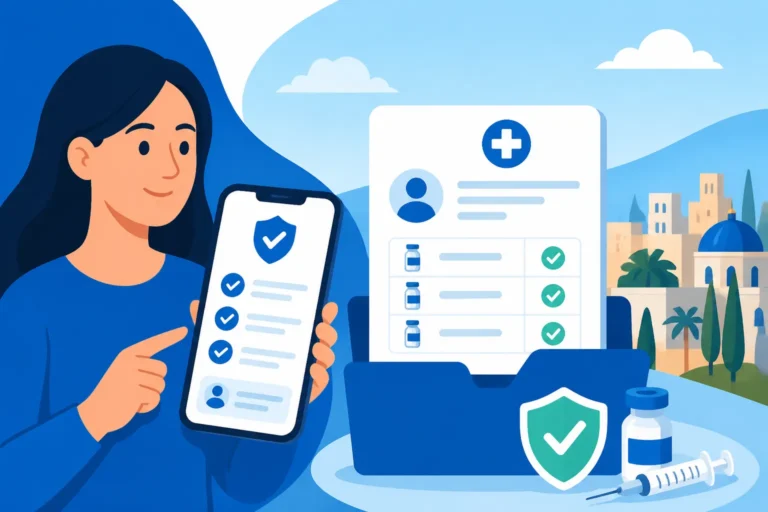
Simultaneously, you should locate your nearest Tipat Halav center. You don't need to be registered with a specific Kupat Holim to use Tipat Halav services, as they are part of the Ministry of Health's public health mandate. Simply present your child's Israeli identity document (if they have one, like a Teudat Zehut or Teudat Oleh) or your own, and their birth certificate or relevant travel documents. The Tipat Halav staff will create a file for your child and issue their vaccination booklet. This booklet will be filled out diligently by the nurses at each appointment and serves as your child's official vaccination record in Israel.
Transferring Foreign Vaccination Records to Israel
This is a common point of anxiety for many expat parents. What happens if your child has already started their vaccination schedule abroad? The good news is that the Israeli health system is well-equipped to handle this.
When you go to your first Tipat Halav appointment, bring all of your child's existing vaccination records from your home country. These should ideally be translated into Hebrew or English if they are in another language, though sometimes the nurses can manage with records in common languages like French or Spanish. The Tipat Halav nurse will carefully review these records against the Israeli schedule. They will then help you create a "catch-up" schedule if any doses are missing or if the timing needs adjustment to align with local recommendations.
It's important to provide complete and accurate records to avoid unnecessary repeat vaccinations. The nurses are trained to interpret different national schedules and integrate your child into the Israeli system seamlessly. This process is crucial to ensure continuity of care and that your child isn't over or under-vaccinated.
Managing Costs and Supplementary Insurance
Good news! The core childhood vaccination schedule provided through Tipat Halav is free of charge under Israel's National Health Insurance Law. This is a huge relief for expat families and a testament to the robust public health system here. The vaccines themselves, the administration fees, and the routine growth and development check-ups at Tipat Halav are all covered.
However, healthcare in Israel is layered, and while basic vaccinations are free, other services might have co-payments (hishtatfut atzmit) or be covered under supplementary insurance. For instance, if your child needs vaccinations for international travel that aren't part of the standard Israeli schedule, or if they require specific specialty care, these might incur costs or be covered by your supplementary health insurance (Bituach Mashlim).
Most Israeli residents, including expats, choose to purchase supplementary insurance from their Kupat Holim. This extra coverage often includes discounts on specialist visits, alternative medicine, dental care, and travel vaccinations. We dive deep into this topic in our article, Understanding Supplementary Insurance (Bituach Mashlim) from Your Kupah, which can help you decide if it's right for your family. For initial periods or for those whose residency status might be in flux, considering an international plan like SafetyWing can provide an extra layer of financial security, covering unexpected medical needs before the full local coverage is completely established or for services not included in the standard Sal Briut (Health Basket). It’s about having peace of mind, knowing your child is covered no matter what unexpected curveballs life throws at you during your transition.
Common Concerns and Troubleshooting for Parents
Even with all the information in the world, the practicalities of vaccinations can still throw up questions and anxieties. Here are some common concerns and tips for expats.
Catch-Up Schedules and Missed Doses
Life happens, and sometimes a vaccination appointment gets missed. Perhaps you were traveling, your child was unwell, or there was a mix-up with appointments. Don't panic! The Israeli health system is very experienced in managing missed doses and catch-up schedules.
If your child misses a dose, contact your Tipat Halav center as soon as possible to reschedule. There's usually no need to restart a vaccine series; typically, the missed dose can simply be given, and the schedule adjusted accordingly. The Tipat Halav nurse will assess your child's individual situation, consult their records, and provide a clear plan for completing the vaccination course. The important thing is to be proactive and not delay contacting them. They prioritize ensuring every child is fully protected.
Similarly, if you arrive in Israel with an incomplete vaccination record, the Tipat Halav staff excel at creating a customized catch-up plan. They will work to integrate your child into the Israeli schedule while avoiding over-vaccination. This flexibility and individualized approach are incredibly reassuring for expat parents navigating a new health system.
Finding English-Speaking Staff and Resources
This is a major concern for many non-Hebrew speaking expats, and it's completely valid. While Israel is a multicultural country, and many people have some English proficiency, navigating medical conversations in a foreign language can be stressful, especially when it concerns your child's health.
In larger cities with significant expat populations, like Tel Aviv, Jerusalem, and Herzliya, you'll generally find a higher number of English-speaking staff at Tipat Halav centers. Don't hesitate to ask if there's an English-speaking nurse available when you book your appointment or upon arrival. Many medical professionals in Israel, particularly younger generations, have a good command of English.
If you struggle, consider bringing a friend who speaks Hebrew, or even using a translation app on your phone. Most importantly, don't let language barriers prevent you from asking questions or expressing your concerns. The nurses and doctors want you to feel comfortable and informed. You can also specifically seek out clinics or pediatricians within your Kupat Holim that are known for having English-speaking staff. Our guide on How to Find an English-Speaking Doctor in Israel offers practical tips and resources for this.
Beyond the clinics, many online forums and expat Facebook groups dedicated to living in Israel are excellent resources where parents share their experiences and recommend English-friendly services. You are not alone in this journey.
Dealing with Bureaucracy and Cultural Differences
Let's be real: bureaucracy in any new country can be a headache, and Israel is no exception. While the healthcare staff are generally very kind and professional, the administrative processes can sometimes feel a bit convoluted.
- Patience is a Virtue: Things might not always happen as quickly as you expect, or in the exact order you're used to. Adopt a patient mindset.
- Documentation is King: Always bring all relevant documents to every appointment: your child's vaccination booklet, their Kupat Holim card, their ID number (if they have one), and your own ID. Photocopies of important documents are also a good idea.
- Ask for Clarity: If you don't understand something, ask for it to be explained again. Don't nod along if you're unsure. It's your child's health, and you have every right to full comprehension.
- Cultural Nuances: You might encounter a more direct communication style than you're accustomed to. This isn't rudeness; it's often just a cultural difference. Try not to take it personally and focus on the information being conveyed.
Remember, the goal of the Tipat Halav system is to provide accessible, high-quality care for all children. While the path might occasionally feel winding, the destination – a healthy, vaccinated child – is well worth the journey. Take a deep breath, prepare your questions, and know that you are doing your best for your family in your new home.
Disclaimer
The information provided in this guide is for general informational purposes only and does not constitute medical advice. While every effort has been made to ensure accuracy and reflect the standard practices in Israel, vaccination schedules and health recommendations can change. Always consult with a qualified healthcare professional, such as your Tipat Halav nurse or pediatrician, for personalized medical advice regarding your child's specific vaccination needs and health concerns.