Which Kupat Holim Is Best for English Speakers in Israel?
One of the biggest anxieties for anyone moving to Israel, especially if your Hebrew isn't quite at native speaker level yet (and let's be honest, whose is?), is navigating the healthcare system. You're trying to figure out doctors, appointments, prescriptions, and all the bureaucratic hoops, often in a language you're still learning. It's truly overwhelming. This guide is here to shed some light on choosing a Kupat Holim, or health fund, specifically with English speakers in mind, so you can find a system that makes you feel supported, not lost.
Deciphering Israel's Health Funds for English Speakers
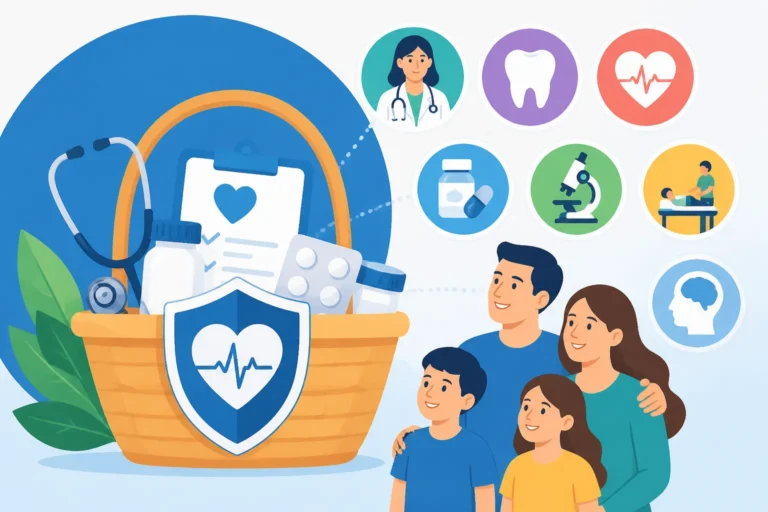
Alright, let's get down to basics. Israel has a fantastic national healthcare system, but it's built around these four main health funds: Clalit, Maccabi, Meuhedet, and Leumit. Everyone legally residing in Israel is required to register with one of them to access public healthcare services. Think of them less like insurance companies and more like HMOs that provide a comprehensive range of medical services, from family doctors and specialists to labs and pharmacies.
Choosing your Kupat Holim is one of the very first, and most crucial, decisions you’ll make when you arrive, right up there with sorting out your Teudat Zehut and Tax File Number in Israel. It's not just about what services they offer, but how they offer them, especially when you're dealing with a language barrier. The truth is, while all four are mandated to provide a core "health basket" of services, their approach to customer service, digital platforms, and the availability of English-speaking staff can vary wildly. This makes a huge difference to your daily experience, particularly in those moments when you're feeling under the weather and just want someone to understand you without having to pull out your Google Translate app.
Key Considerations When Choosing a Kupat Holim as an English Speaker
When you're sifting through the options, it's easy to get bogged down in the endless lists of benefits. But for us expats, a few things really stand out as make-or-break factors. These aren't just perks; they're essential lifelines when you're trying to manage your health in a foreign country.
Availability of English-Speaking Medical Staff
This is probably the number one concern for most English speakers. Finding a family doctor or a specialist who can communicate effectively with you in English is invaluable. It’s not just about getting by; it’s about genuinely understanding your diagnosis, treatment options, and asking questions without fear of misunderstanding.
While there's no official directory of "English-speaking doctors" across all Kupot Holim, many clinics, especially in cities like Tel Aviv, Jerusalem, Ra'anana, and Herzliya, which have large English-speaking populations, will have doctors fluent in English. Some Kupot even have specific clinics or programs aimed at new immigrants and expats. It's often a bit of detective work, asking in expat groups or calling clinics directly to inquire. Don't be shy about asking if a particular doctor speaks English when you’re booking your first appointment – it’s a perfectly valid request. You can also explore options like How to Find an English-Speaking Doctor in Israel for more general tips.
Digital Services and Online Portals in English
In today's world, digital access is everything. Being able to book appointments, view lab results, order repeat prescriptions, and even consult with a doctor via video call through an app or website, all in English, is a game-changer. This drastically reduces the need for phone calls (which can be stressful in Hebrew) and trips to the clinic for administrative tasks.
Some health funds have invested heavily in robust English-language apps and online interfaces, making them far more user-friendly for non-Hebrew speakers. This means you can manage a lot of your healthcare needs independently, which gives you a great sense of control and reduces reliance on others. Imagine trying to understand your Bituach Leumi Health Contributions Work in Israel without a clear English interface!
Customer Service and Support in English
Beyond the doctors and digital tools, responsive and helpful customer service in English can make a huge difference. There will inevitably be times when you need to call the Kupah directly to sort out a billing issue, understand a referral, or clarify coverage. Getting stuck in an automated Hebrew phone tree or struggling to explain your situation to a non-English speaking representative is incredibly frustrating, especially when you’re already feeling vulnerable.
Some Kupot have dedicated English-speaking phone lines or branches with staff specifically trained to assist olim and expats. This is a critical factor, as it impacts your ability to resolve issues quickly and efficiently, ensuring you don't miss out on important services or reimbursements. For example, Understanding Co-Payments (Hishtatfut Atzmit) in the Israeli Health System can be tricky enough without a language barrier.
Branch Locations and Accessibility
Consider where you live and where the Kupat Holim has its clinics. While all four are national, some might have a stronger presence or more modern facilities in certain areas, particularly those with a higher concentration of expats. Being able to easily access a clinic close to home or work means less travel time and stress, especially if you need frequent appointments or live in a more suburban area.
Also, think about the hours of operation and the availability of terem (urgent care) clinics affiliated with your chosen Kupah. Knowing that you have accessible care options outside of regular clinic hours, without having to navigate a hospital emergency room for minor issues, can be a huge comfort.
Supplementary Insurance Options (Bituach Mashlim)
While the "health basket" is standard, all Kupot Holim offer supplementary insurance plans, known as Bituach Mashlim. These plans provide additional benefits like discounted specialist visits, alternative therapies, dental care, reduced costs for certain medications, and even coverage for some private medical services. Is Bituach Mashlim Worth It for Expats in Israel? is a question many foreigners grapple with.
For English speakers, it’s worth investigating if these supplementary plans offer additional perks like access to private clinics with a higher likelihood of English-speaking doctors, or expedited appointments. Often, these enhanced plans can bridge gaps in the public system, making your overall healthcare experience smoother and more comprehensive.
Diving Deeper: Which Kupat Holim Might Be Your Best Bet?
Now that we've covered the crucial factors, let's look at each of the four main Kupot Holim and how they generally stack up for English speakers. Remember, experiences can vary by specific clinic and location, but these are general reputations and trends.
Maccabi Healthcare Services
Maccabi often gets a lot of praise from the expat community, and for good reason. They've made significant strides in catering to the international population.
- Pros for English Speakers:
- Excellent Digital Platforms: Maccabi's app and website are widely considered among the most user-friendly, offering comprehensive English interfaces for appointment booking, lab results, prescription refills, and even online consultations. This is a huge win for independent management of your healthcare. They even have English tutorials for using their services. You can learn more about How to Book Appointments Through Clalit and Maccabi Apps.
- English-Speaking Staff: They have a strong reputation for having more English-speaking doctors and administrative staff, particularly in major cities. They often specifically highlight this in their marketing to new immigrants.
- Special Services for Olim: Maccabi has various initiatives and dedicated staff to assist new immigrants with registration and understanding the system.
- Wider Range of Clinics and Specialists: They generally have a good network of clinics, including specialized centers, which can be beneficial.
- Cons for English Speakers:
- Can Be Busier: Due to their popularity with expats, some clinics, especially in central areas, can be very busy, potentially leading to longer wait times for certain popular doctors.
- Cost of Supplementary Plans: While their supplementary plans (Maccabi Sheli, Maccabi Zahav, Maccabi Paz) offer excellent benefits, they might be slightly pricier than competitors, though many find the value well worth it.
Clalit Health Services
Clalit is the largest Kupat Holim in Israel, meaning they have an incredibly extensive network. This can be a major advantage, especially if you live in a less urban area.
- Pros for English Speakers:
- Most Extensive Network: Clalit has the most clinics, hospitals, and pharmacies across the country. This means you're more likely to find a Clalit clinic close to you, no matter where you settle. Their reach is unparalleled.
- Strong Public Hospital Affiliations: Being the largest, they have strong ties with many major public hospitals, which can simplify the process if you need hospital care. You can gain more insight by reading How to Access Hospital Care at a Beit Holim in Israel.
- Good for Families: With a vast array of Tipat Halav (well-baby clinics) and paediatric services, Clalit is often a popular choice for families. You might want to understand Understanding the Role of Tipat Halav (Family Health Centres) in Israel.
- Cons for English Speakers:
- Inconsistent English Support: While some Clalit clinics, especially in expat-heavy areas, will have excellent English support, it can be less consistent across their vast network compared to Maccabi. Their app and website do offer English, but some users report it can be less comprehensive or intuitive than Maccabi's.
- Bureaucracy: As the largest organization, some individuals report feeling more caught in bureaucracy, which can be challenging when dealing with language barriers.
Meuhedet Health Fund
Meuhedet is often seen as a mid-sized Kupat Holim, striking a balance between the very large and the smaller.
- Pros for English Speakers:
- Personalized Service: Some members report a more personalized experience due to its slightly smaller scale compared to Clalit.
- Good for Specific Areas: Meuhedet has a strong presence in certain geographical areas and sometimes offers specialized clinics that can be very attractive.
- Competitive Supplementary Plans: Their supplementary plans (Meuhedet Adif, Meuhedet C) are often competitive in terms of benefits and pricing.
- Cons for English Speakers:
- Varying English Support: Like Clalit, English support can vary by clinic and location. Their digital platforms have improved, but still might not be as universally praised as Maccabi's for English content.
- Smaller Network: While still extensive, their network of clinics and specialists might not be as widespread as Clalit's, which could be a factor if you live in a more remote location.
Leumit Health Fund
Leumit is the smallest of the four Kupot Holim, and while it might not have the same budget for expat-specific marketing, it can still be a good choice for some.
- Pros for English Speakers:
- Community Feel: Being smaller, some members appreciate a more intimate, community-oriented feel in their local clinics.
- Often More Affordable Supplementary Plans: Leumit's supplementary plans (Leumit Zahav, Leumit Kesef) are sometimes noted for being more affordable while still offering decent coverage.
- Cons for English Speakers:
- Limited English Resources: English support is generally less developed than with Maccabi, both in terms of staff and digital platforms. You might need to rely more on friends, family, or your own Hebrew skills.
- Smaller Network: Their network is the least extensive, which means fewer clinic options and potentially less access to a wide range of in-house specialists, particularly outside of major cities.
Practical Steps for Choosing and Registering Your Kupat Holim
Okay, so you’ve got the lowdown on each Kupah. Now, how do you actually make the decision and get registered? It's not as simple as clicking a button, but it's definitely doable.
Research English-Speaking Doctors
Before you commit, it’s a brilliant idea to actually look for a specific English-speaking doctor in your area that you like.
- Ask in expat Facebook groups: Seriously, these groups are goldmines for recommendations. Ask for specific doctor names and clinic locations.
- Call the clinics directly: Once you have a few names, call the respective Kupat Holim clinic and inquire if the doctor is taking new patients and if they speak English.
- Check online directories: Some Kupot have online directories where you can filter by language, but this isn't always perfectly accurate, so a direct call is always best.
Scrutinize Branch Locations
Open up Google Maps and type in "Clalit clinic," "Maccabi clinic," etc., near your home and work. See which Kupah has the most convenient locations for you. Don't forget to look for terem (urgent care) clinics too – knowing where to go for minor emergencies without heading to a hospital is a huge stress reliever.
Consider Temporary Coverage
When you first arrive in Israel, there can be a waiting period before your national health insurance with a Kupat Holim kicks in, especially if you're not an Oleh Chadash (new immigrant). This waiting period can be a few months. During this time, it's absolutely crucial to have some form of temporary private health insurance.
Providers like SafetyWing offer travel medical insurance that can cover you during this initial gap. It's designed for digital nomads and long-term travelers, providing a safety net for unexpected medical emergencies or accidents while you're getting settled and waiting for your full Kupah coverage to begin. Don't risk being without coverage, even for a few weeks; medical costs can escalate quickly, and you don't want that added worry. Many expats use options like SafetyWing to cover their initial months or even for travel outside of Israel once they are settled. For more details on this, you can check Understanding Private Health Insurance Plans in Israel.
The Registration Process
Once you've made your choice, the actual registration is pretty straightforward, but it does require some paperwork.
- Misrad HaKlita (Ministry of Aliyah and Integration): If you're a new immigrant (Oleh Chadash), you'll often register for a Kupat Holim right after you arrive, often with assistance from Misrad HaKlita. They'll help you navigate the initial steps.
- Misrad HaPnim (Ministry of Interior): For non-olim or if you're switching Kupot, you might need to go through Misrad HaPnim. The process is explained in detail in How to Register with a Kupat Holim as a New Immigrant in Israel.
- Required Documents: You'll typically need your Teudat Zehut (Israeli ID card) or passport, your visa if applicable, and sometimes proof of address.
Don't be afraid to ask for help from friends, expat groups, or even the Kupah's dedicated English-speaking service if you encounter any difficulties during registration. It's a rite of passage for all expats in Israel!
A Quick Comparison
Here's a simplified table comparing the Kupot based on common expat priorities:
| Feature | Clalit | Maccabi | Meuhedet | Leumit |
|---|---|---|---|---|
| Network Size | Largest, most widespread | Large, excellent in urban areas | Mid-sized, good regional presence | Smallest, more local community feel |
| English Digital Services | Good, improving, but can be inconsistent | Excellent, highly user-friendly app & website | Improving, still developing compared to Maccabi | Basic, less comprehensive |
| English-Speaking Staff | Varies by clinic, more in expat areas | Generally good, actively promoted to olim | Varies by clinic | Less common, more reliance on Hebrew or translation |
| Expat Reputation | Reliable, extensive | Very strong, often preferred by new olim | Solid, good for specific needs | Less common choice for new expats |
| Supplementary Plans | Broad range (Mushlam, Platinum) | Popular, comprehensive (Sheli, Zahav, Paz) | Competitive (Adif, C) | Affordable (Zahav, Kesef) |
Ultimately, while Maccabi often shines for its expat-friendly approach, the "best" Kupat Holim for you really depends on your specific location, health needs, and personal preferences. Take your time, do your homework, and don't hesitate to reach out to other expats for their insights. Whether it's for routine check-ups or unexpected Emergency Medical Care in Israel: What Every Newcomer Needs to Know, having a Kupat Holim that you feel comfortable navigating in English will make your life in Israel significantly smoother. Even if you have temporary coverage like SafetyWing when you first land, securing your long-term Kupah is a top priority.
Disclaimer
Please remember that this guide provides general information based on common expat experiences and publicly available data. Healthcare services, policies, and availability of English-speaking staff can change. Always verify specific details directly with the respective Kupat Holim or relevant Israeli authorities. This content is not a substitute for professional medical or legal advice.