Do Work Visa Holders Need Private Health Insurance in Israel?
Navigating the Israeli bureaucracy while holding a B/1 work visa can feel like a full-time job in itself, especially when you are trying to figure out if your health is actually protected. Many foreign experts and workers arrive in Tel Aviv or Haifa under the impression that the famous Israeli public healthcare system automatically catches them. This guide clarifies the legal requirements, the mandatory employer-provided insurance, and why additional private coverage is often the missing piece of the puzzle for total peace of mind.
The Legal Mandate for Health Insurance on a B/1 Visa
If you are in Israel on a B/1 work visa, the first thing you need to understand is that your status is fundamentally different from a citizen or a new immigrant (Oleh Chadash). While Israel provides universal healthcare to its residents under the National Health Insurance Law, this does not apply to you in the same way. According to the Foreign Workers Law, your employer is legally obligated to provide you with a private health insurance policy for the entire duration of your employment.
This is not a suggestion; it is a strict legal requirement. If an employer fails to provide this, they are in violation of labor laws, and you are effectively left without a safety net in a country where medical costs can be astronomical for the uninsured. However, the "standard" foreign worker policy mandated by the state has specific limitations. It covers basic needs like primary care, emergency room visits, and hospitalizations, but it is often managed through a private insurer who then contracts with one of the four health funds (Kupot Holim).
When you first arrive, there is often a scramble to get the paperwork sorted. During this transition or if you are working as a high-tech "expert" who travels frequently, having a flexible plan like SafetyWing can be an excellent way to ensure you are never without coverage during those first few chaotic weeks. This is particularly relevant if you are entering the country before your official contract start date or if your HR department is slow with the enrollment process.
Employer Obligations and Salary Deductions
The way the Israeli system handles work visa health insurance is quite specific. Your employer must purchase a policy from a licensed Israeli insurance company (such as Harel, Menora, or Clalit Mushlam). The policy must meet the minimum requirements set by the Ministry of Health. This usually includes a "health basket" similar to what citizens receive, but with notable exclusions such as chronic condition management that predates your arrival or complex long-term nursing care.
One of the most common points of confusion for expats is the cost. While the employer is responsible for setting up the policy and paying the premiums, the law allows them to deduct a portion of the cost directly from your monthly salary. The maximum amount they can deduct is regulated and changes periodically based on the average wage and the type of work you are doing. It is essential to check your Tlush Sachar (Pay Slip) and Payroll Deductions in Israel to ensure the amount being taken out matches the legal limit.
If you are a high-earning foreign expert, your company might offer a "premium" version of this insurance. If they don't, you might find the standard foreign worker policy a bit restrictive, especially regarding wait times for certain specialists or the choice of surgeons. This is a common frustration, and many expats choose to supplement the mandatory employer policy with international plans to get faster access to high-end private facilities in places like Herzliya or Jerusalem.
Why Private Health Insurance is Essential for Expats
Even though your employer provides a policy, there are several reasons why you should consider it the bare minimum rather than a comprehensive solution. The standard foreign worker policy is designed for people who are residing in Israel 365 days a year and only for the duration of their visa. It typically offers zero coverage the moment you step across the border. If you take a weekend trip to Cyprus or head home for the holidays, your Israeli work visa insurance usually won't follow you.
This is where supplemental international coverage becomes a lifesaver. For those who live a more nomadic lifestyle or have family in other countries, using SafetyWing provides that extra layer of protection that moves with you. It covers you not just in Israel, but globally, which is a major gap in the local policies provided by most Israeli firms.
Furthermore, the public-private hybrid system in Israel can lead to long waiting lists. While the quality of care is world-class, getting a non-urgent MRI or seeing a specific specialist in Tel Aviv can take weeks or even months. Understanding Public vs Private Healthcare in Israel: Which Should Expats Choose? is vital here. If you have private insurance, you can often bypass these queues and see a private consultant within days, which is a massive relief when you are dealing with a painful injury or a worrying symptom.
Comparing Coverage: What You Get vs. What You Need
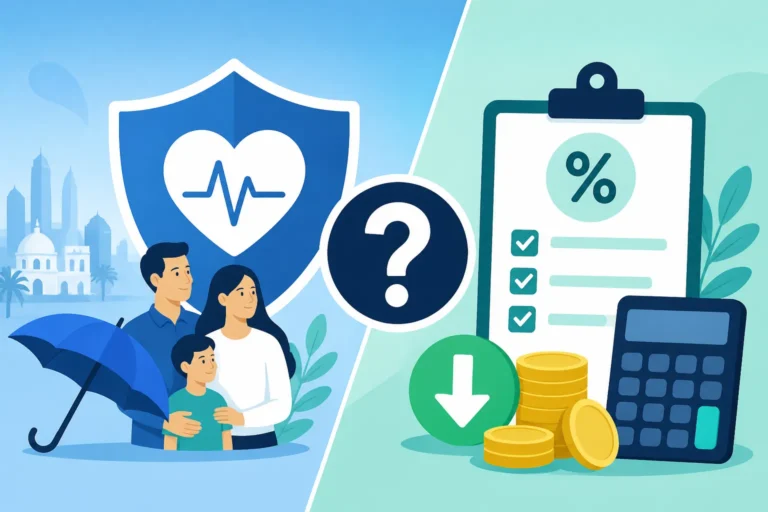
To make sense of the landscape, let’s look at how the mandatory employer-provided insurance stacks up against what most expats actually need for a comfortable life in Israel.
| Feature | Mandatory Employer Policy (B/1) | Supplemental Private/International Insurance |
|---|---|---|
| Primary Care | Covered via Kupat Holim clinics | Included + often 24/7 telehealth |
| Hospitalization | Covered in public hospitals | Covered in both public and private hospitals |
| Emergency Room | Covered (with referral or specific conditions) | Usually fully covered globally |
| Travel Outside Israel | Not covered | Worldwide coverage (except restricted zones) |
| Prescriptions | Limited to the "Health Basket" | Broader range of medications covered |
| Chronic Conditions | Often excluded if pre-existing | Varies; some international plans offer better terms |
| Dental Care | Rarely included | Often available as an add-on |
As you can see, the mandatory policy is great for an appendectomy at a public hospital like Ichilov or Rambam, but it falls short for the mobile, international life many work visa holders lead. For more details on the specific costs you might encounter, you can read The Cost of Healthcare in Israel: A Complete Breakdown for Foreigners (2026).
Navigating the Kupat Holim System as a Foreigner
Once your employer has registered you with an insurer, you will typically be assigned to one of the four health funds: Clalit, Maccabi, Meuhedet, or Leumit. As a work visa holder, you won't have a standard Teudat Zehut (ID card), but rather a temporary number assigned by the insurance company. This number is your "key" to the system. You will use it to book appointments, see doctors, and get prescriptions.
Managing this can be a bit of a headache if you don't speak Hebrew. While many doctors in Israel speak excellent English, the administrative staff and the phone apps are sometimes only partially translated. Learning How to Book Appointments Through Clalit and Maccabi Apps can save you hours of frustration. Many expats find that Maccabi tends to have a slightly more "foreigner-friendly" digital interface, but this varies by neighborhood.
If you are living in a tech hub like Tel Aviv, finding care is easier. You can find many clinics where the entire staff is used to dealing with the B/1 visa paperwork. For those outside the main centers, it’s worth looking into How to Find an English-Speaking Doctor in Israel early on, rather than waiting for an emergency to happen.
The Gap: What Happens if You Lose Your Job?
This is perhaps the most critical "hidden" danger for work visa holders. Your health insurance is tied directly to your employment. In Israel, the law states that the insurance must remain valid as long as you are employed. If your contract is terminated, your employer is no longer required to pay for your policy. However, they are legally required to give you a notice period, and the insurance should cover you during that time.
But what happens the day after your notice period ends? If you stay in Israel to look for another job or to wrap up your affairs, you are effectively uninsured. This is a terrifying position to be in. Having an independent policy like SafetyWing ensures that if you lose your job on a Tuesday, you aren't suddenly hit with a $10,000 bill if you get sick on Wednesday. It provides a "bridge" between jobs that the local Israeli system simply doesn't offer to non-citizens.
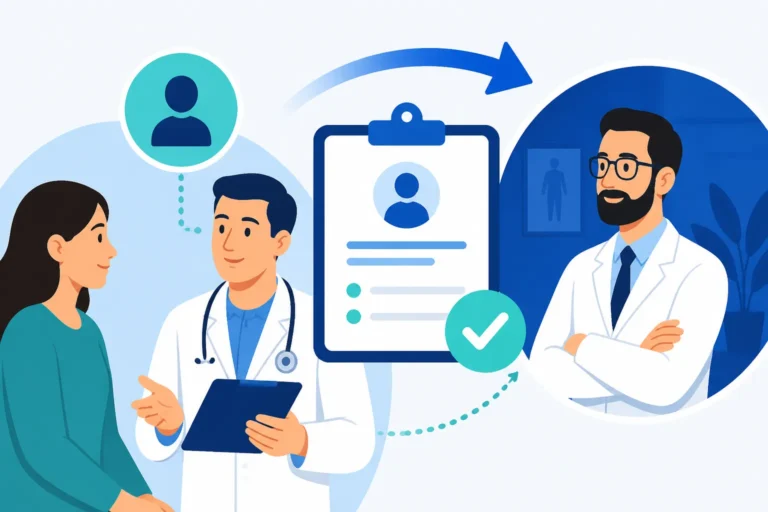
If you are planning to transition from one employer to another, you must ensure the new company picks up the coverage immediately. You should also check How to Access Healthcare on a Work Visa in Israel to understand the specific protocols for transferring your medical file between insurers.
Practical Steps to Getting Covered Correctly
To ensure you are fully protected while working in the Holy Land, follow these steps:
- Review Your Contract: Before you sign, ensure there is a clear clause stating the employer will provide health insurance according to the Foreign Workers Law.
- Ask for the Policy Details: Don't just take their word for it. Ask for the name of the insurance company and your member ID number as soon as you arrive.
- Check the "Health Basket": Make sure you understand What Is Covered by the Health Basket (Sal Briut) in Israel. If you have specific medical needs, you may need to buy "Bituach Mashlim" (supplementary insurance) through your assigned Kupah.
- Set Up International Backup: Even with the employer policy, get a plan like SafetyWing to cover your travel outside Israel and any gaps between employment. It’s a small monthly cost for a massive amount of security.
- Locate Your Nearest Clinic: Don't wait until you have a 102-degree fever. Find your local Kupah branch in your first week.
- Emergency Awareness: Memorize the emergency numbers. Read Emergency Medical Care in Israel: What Every Newcomer Needs to Know so you know where to go at 2 AM.
The healthcare in Israel is truly excellent, but the administrative hurdles for those on a B/1 visa are real. By combining the mandatory employer insurance with a robust private international plan, you can enjoy your time in the "Startup Nation" without worrying about a medical emergency draining your bank account.
If you are still in the process of moving, make sure you know What Documents Do I Need to Join a Health Fund in Israel and How to Get a Specialist Referral Quickly in Israel. These are the little things that make life as an expat much smoother.
Disclaimer
This guide is intended for informational purposes only and does not constitute legal or professional medical advice. The laws regarding work visas and health insurance in Israel are subject to change. Always consult with a qualified legal professional or your employer's HR department to ensure you are in compliance with current Israeli regulations. Medical decisions should always be made in consultation with a licensed healthcare provider.